Den Bosch

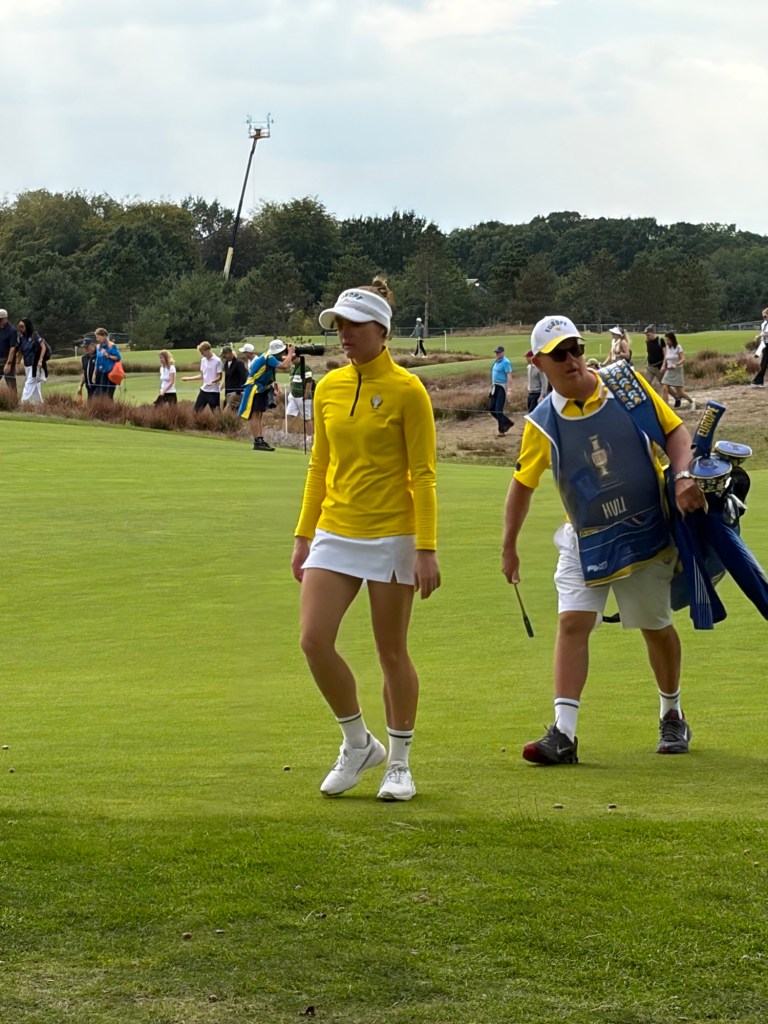
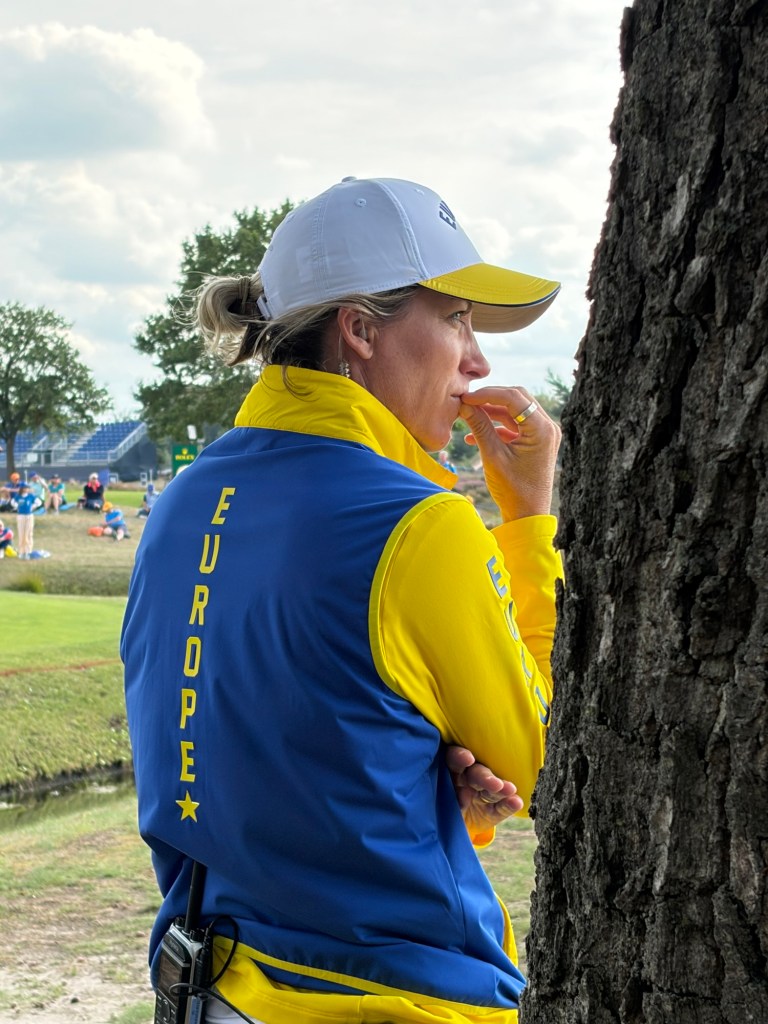
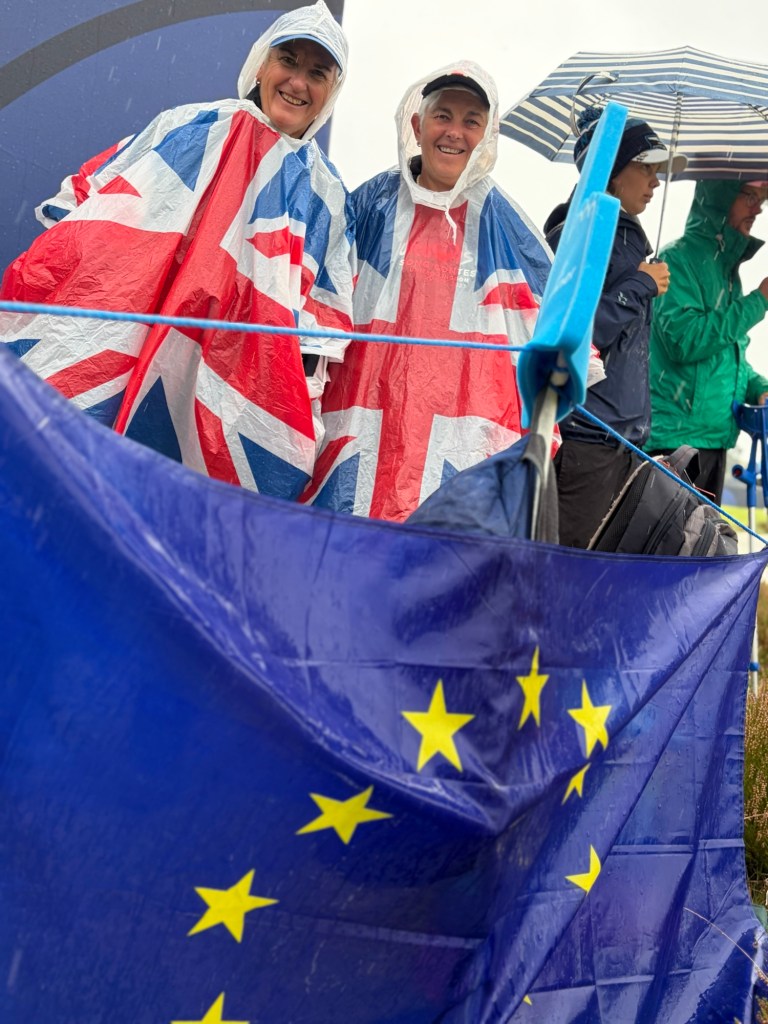
We left our campsite just outside of Arnhem around 11.00 on Tuesday, September 8 to make our way to Camping Distelloo, some 60 plus miles away in the Brabant region of The Netherlands. This would be our home for the next six nights whilst we watch the Solheim Cup. This is a biannual golf match between Europe and the USA featuring some of the best women golfers in the world. As you can imagine, the rivalry is intense but also played with mutual respect. That goes for the spectators as well. We obviously wanted Europe to win but it’s equally a showcase for women’s sport which so rarely gets the media coverage it should.

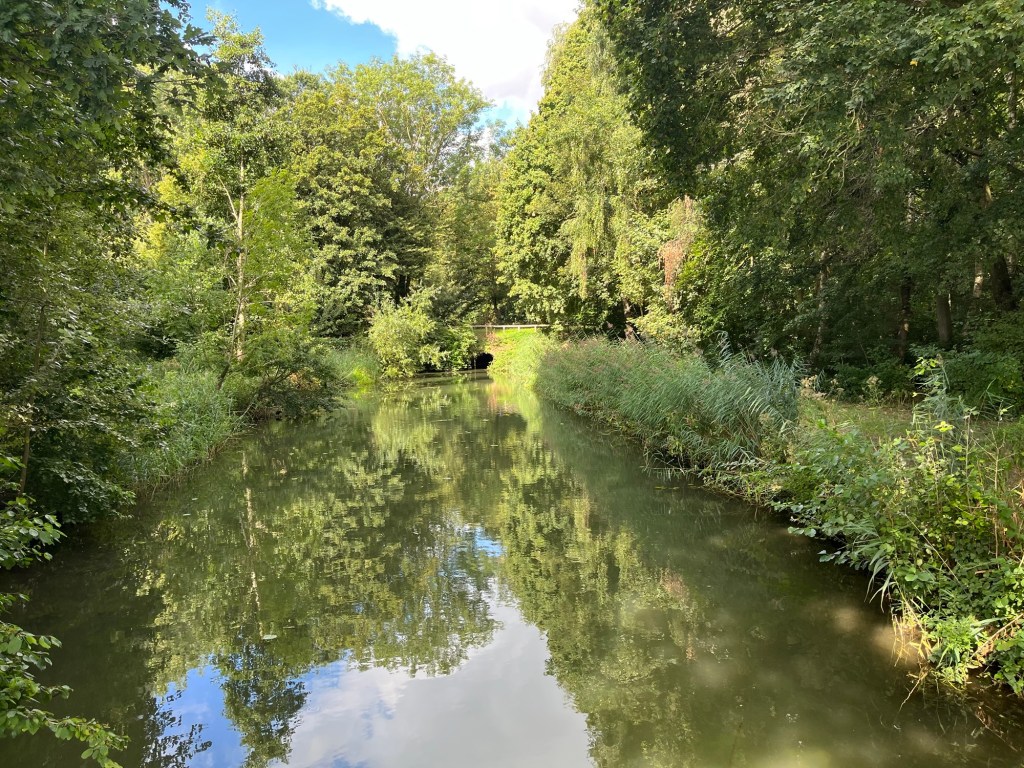
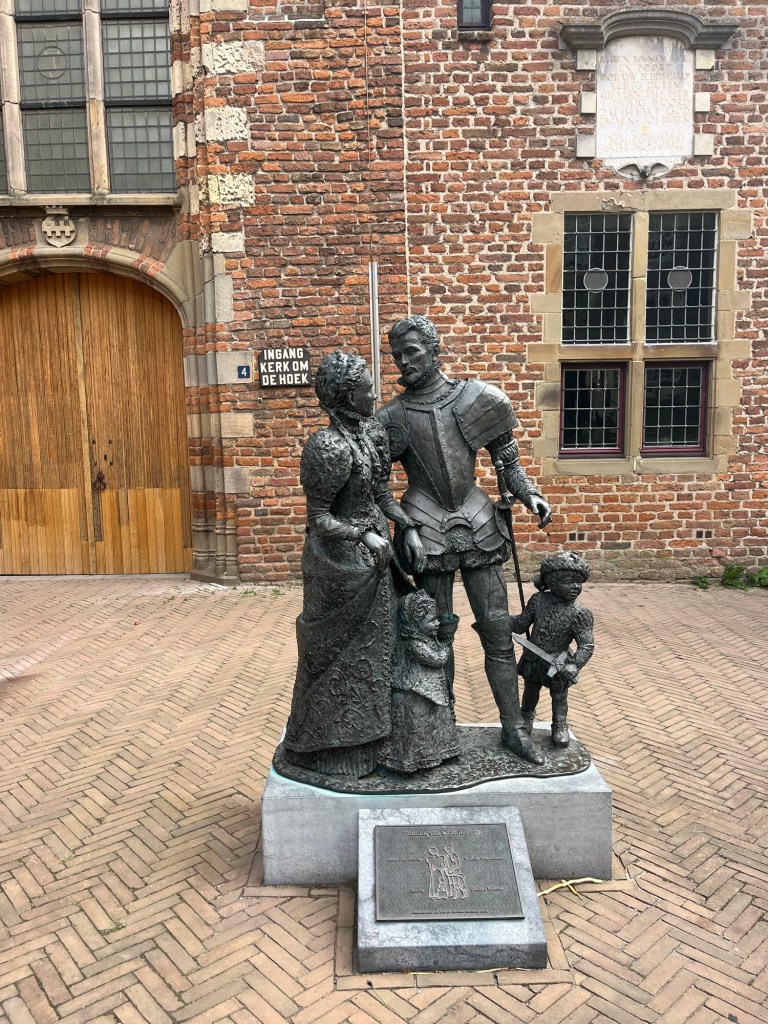
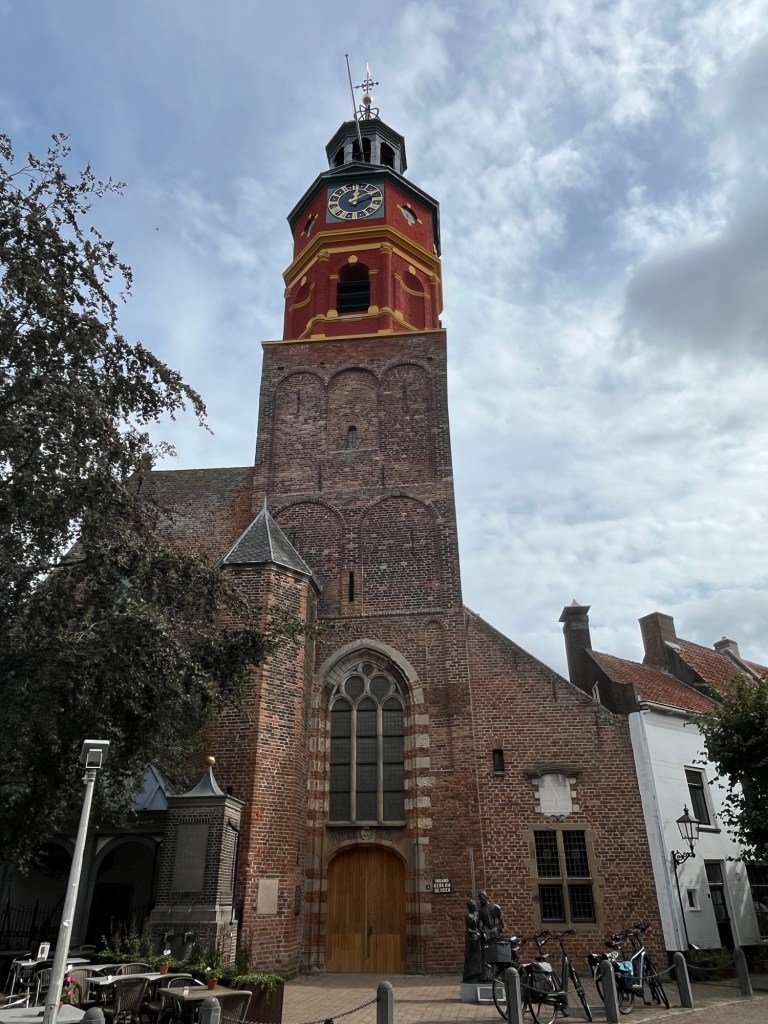
Anyway, before we arrive at our campsite outside of ‘s Hertogenbosch (known as Den Bosch, woods in English) we pop into the lovely town of Buren. This was the home of Anna van Egmond, the first wife of William of Orange and became part of the Orange family dynasty. Although the town promotes its connection as much as possible, it is still a quaint little town. It had the added advantage of easy parking and a supermarket close by.
We then drove onto our campsite, which was set in the woods. We found it via a google search as it wasn’t on any of our apps.
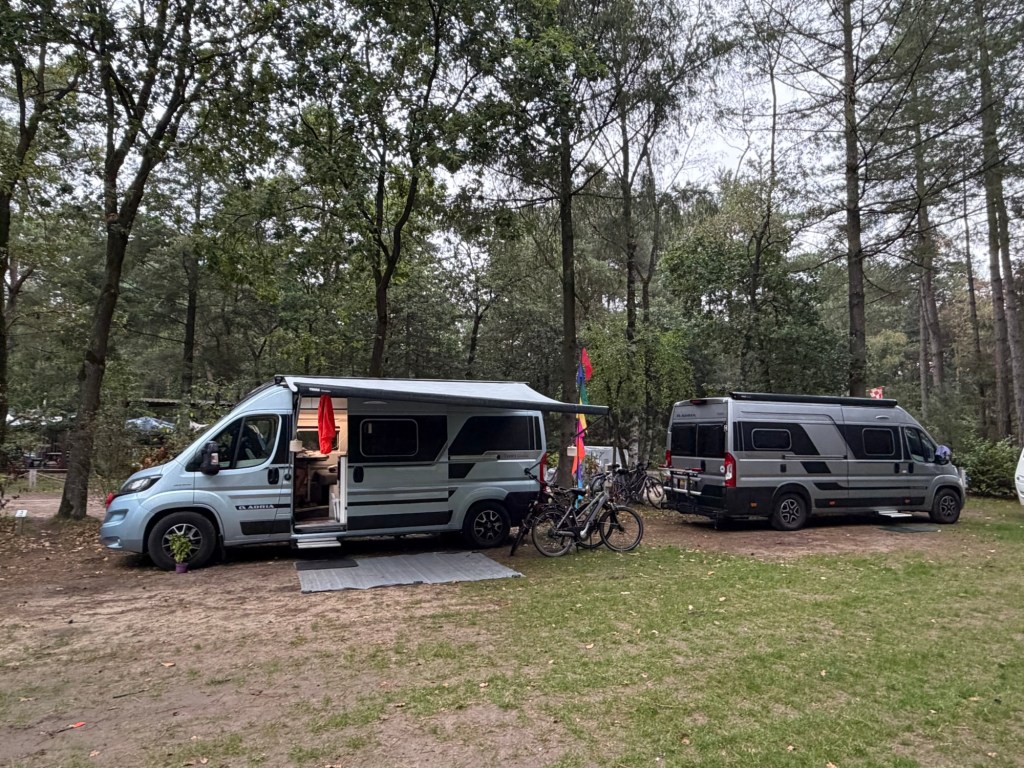
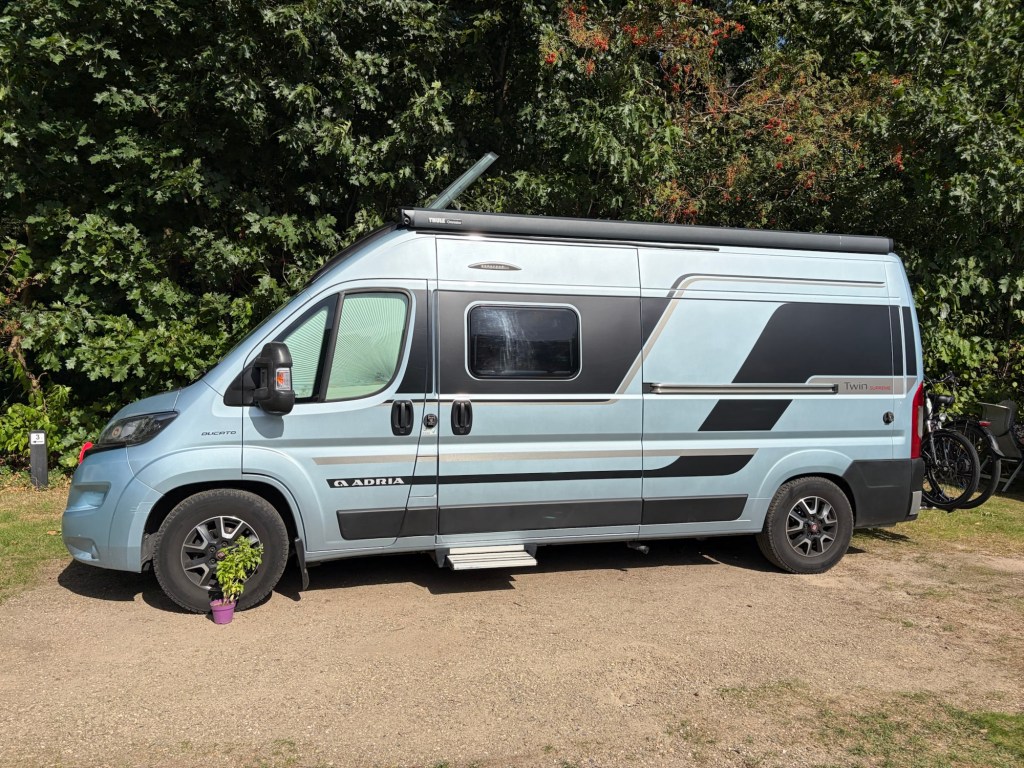
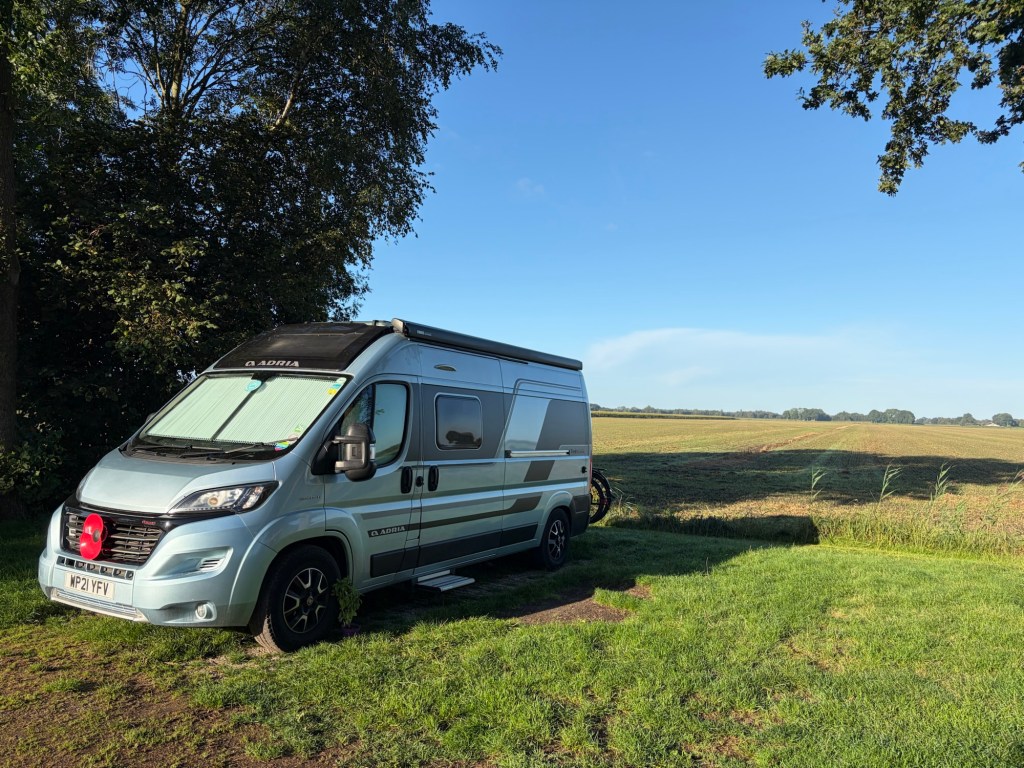
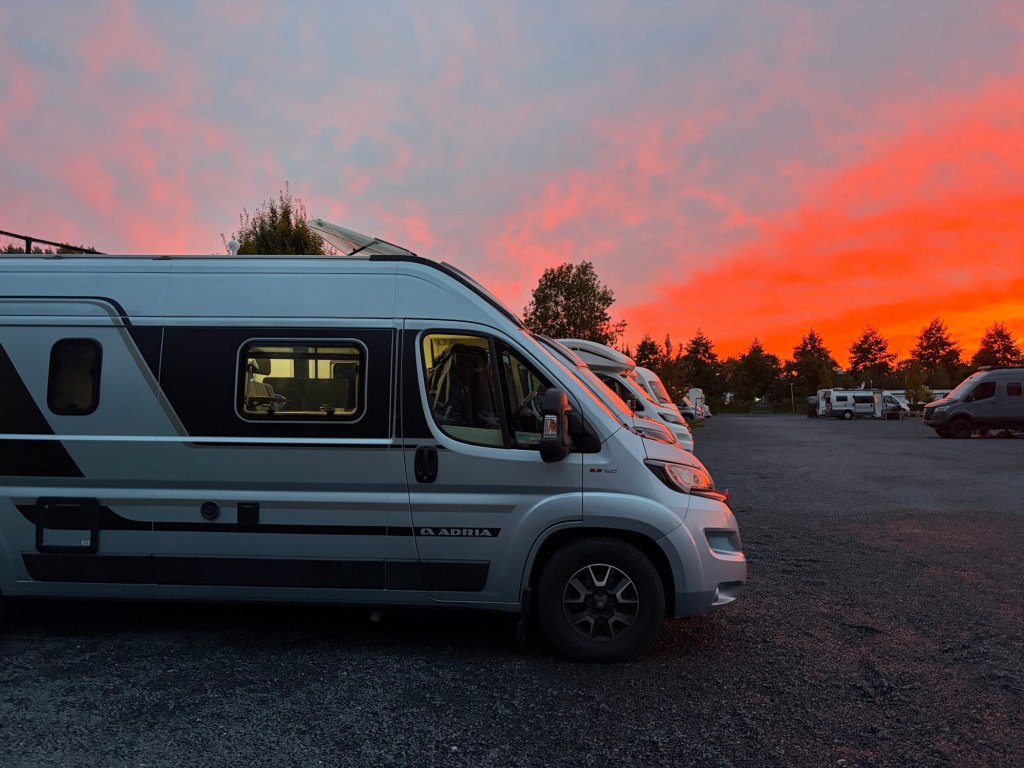
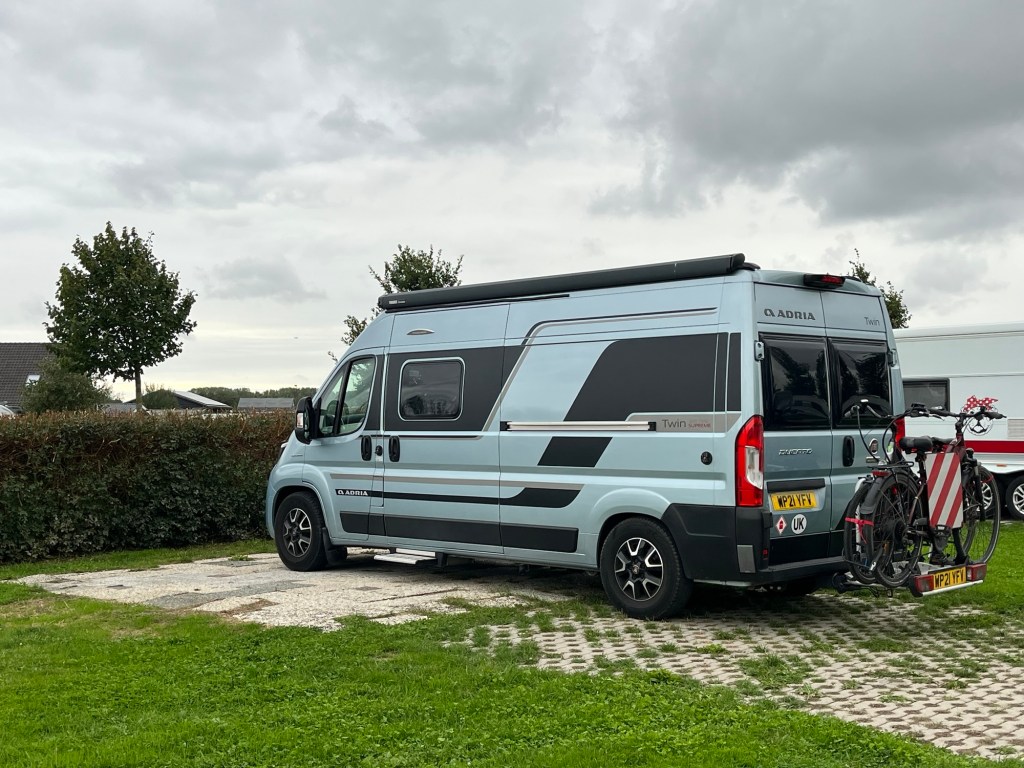
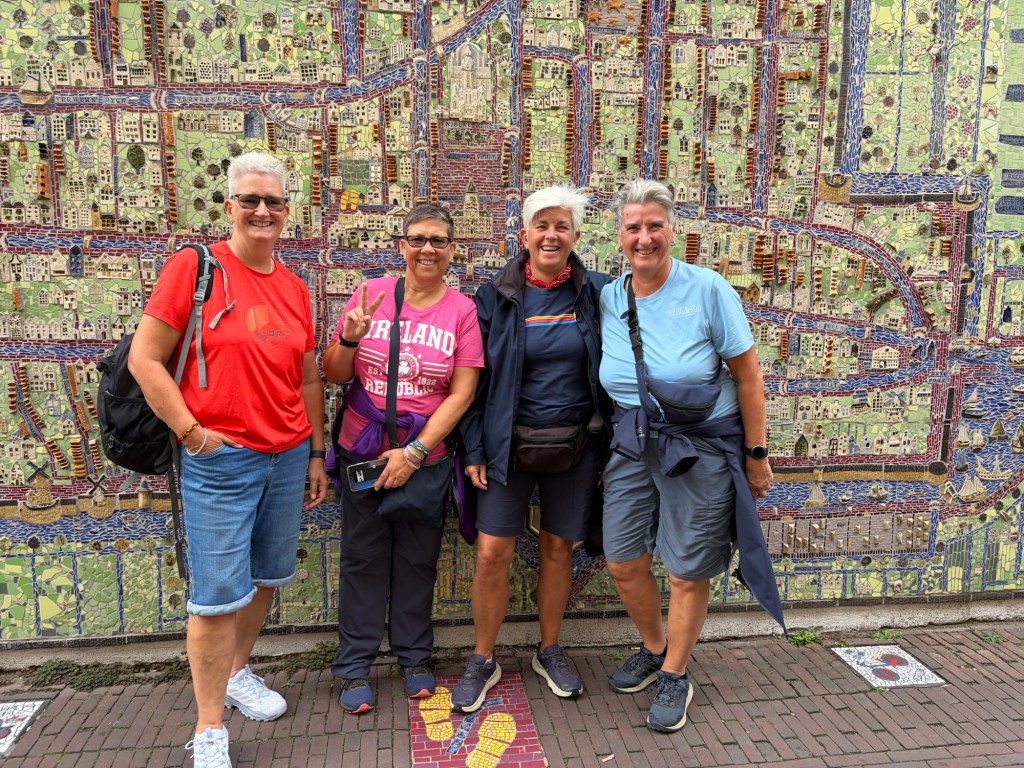
Dora with our friends Adria Twin.

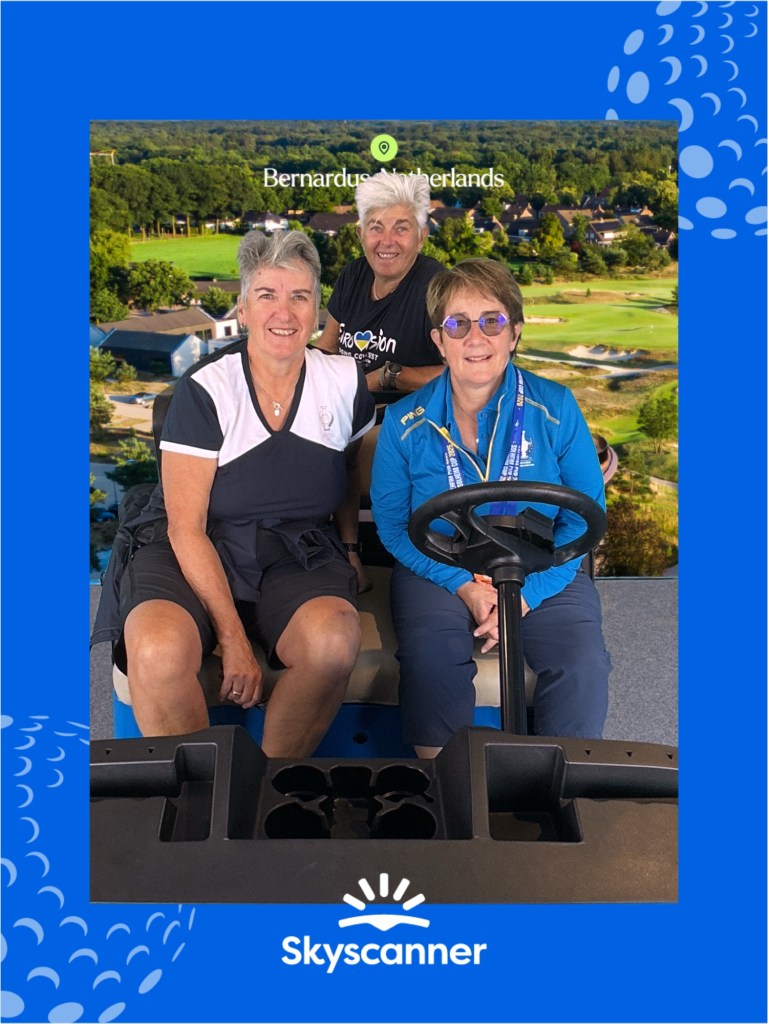
It became full over the week with many campervans and motor homes, mainly for the golf as it was only a ten minute cycle ride through the woods to the cycle park at Bernardus Golf Club. The organisers were running shuttle buses to and from various locations, including Den Bosch, so we jumped on one on Weds afternoon to see the city. Torrential rain was also forecast so it seemed a good idea as it was only a practice day for the players.
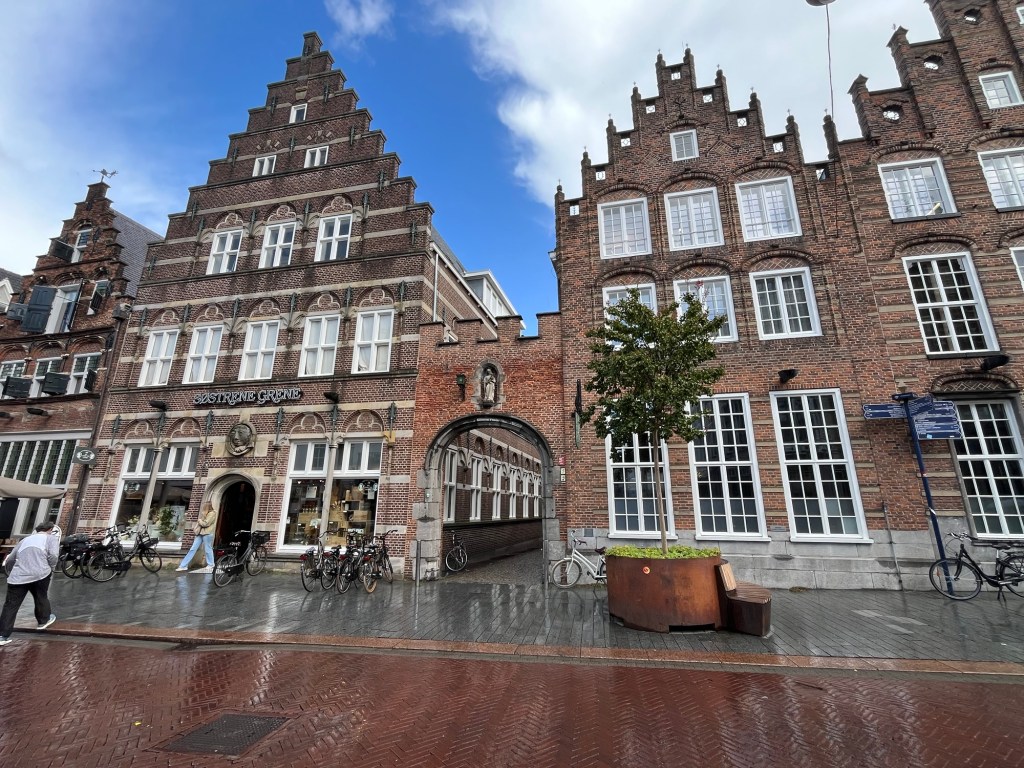
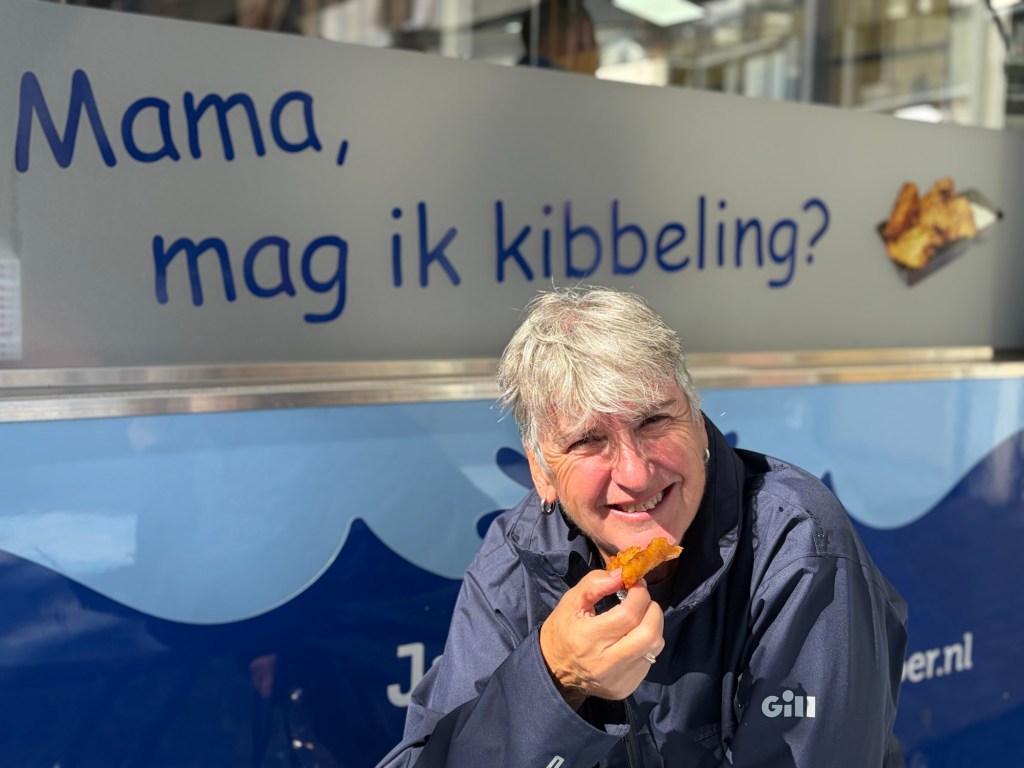
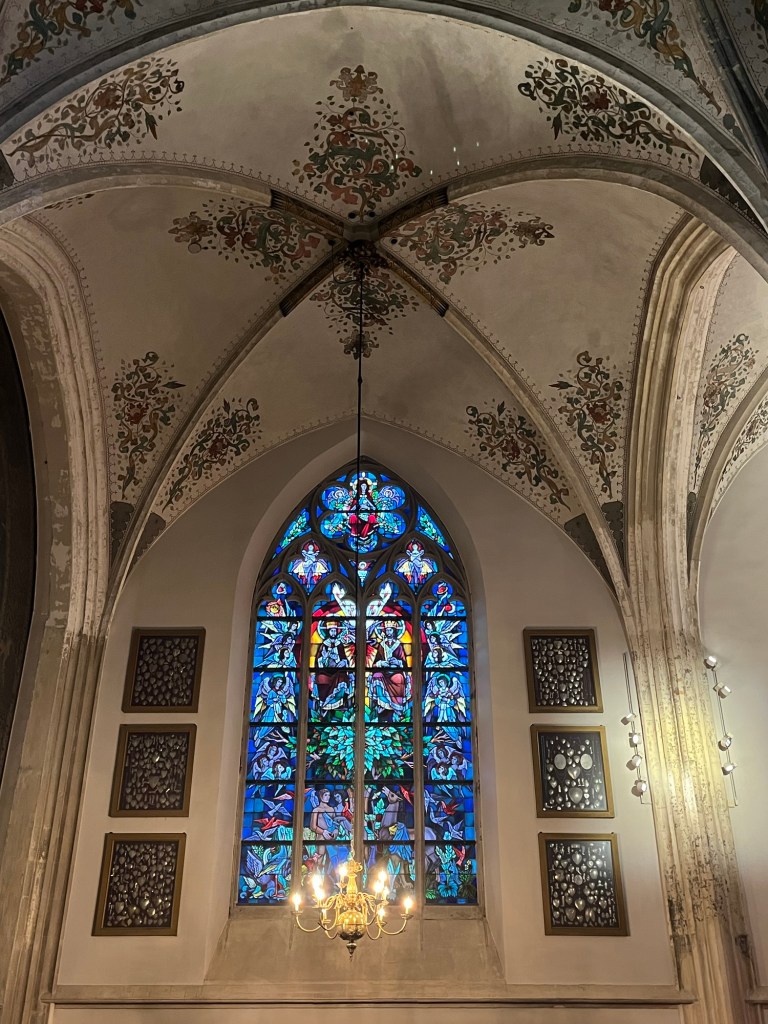
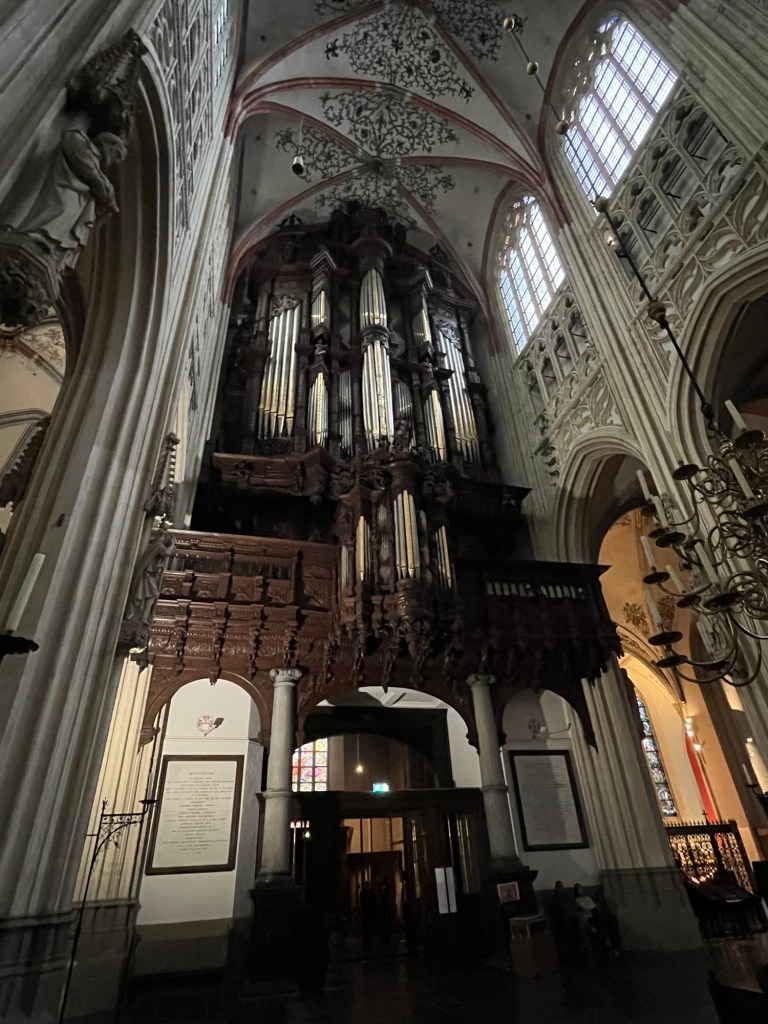
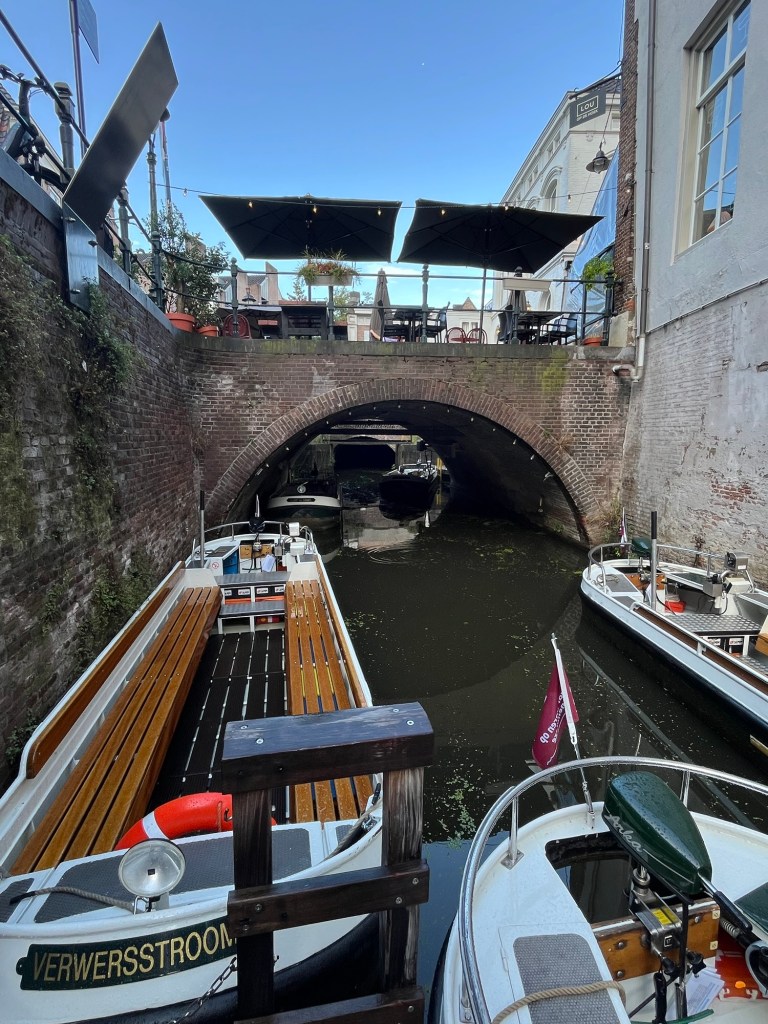
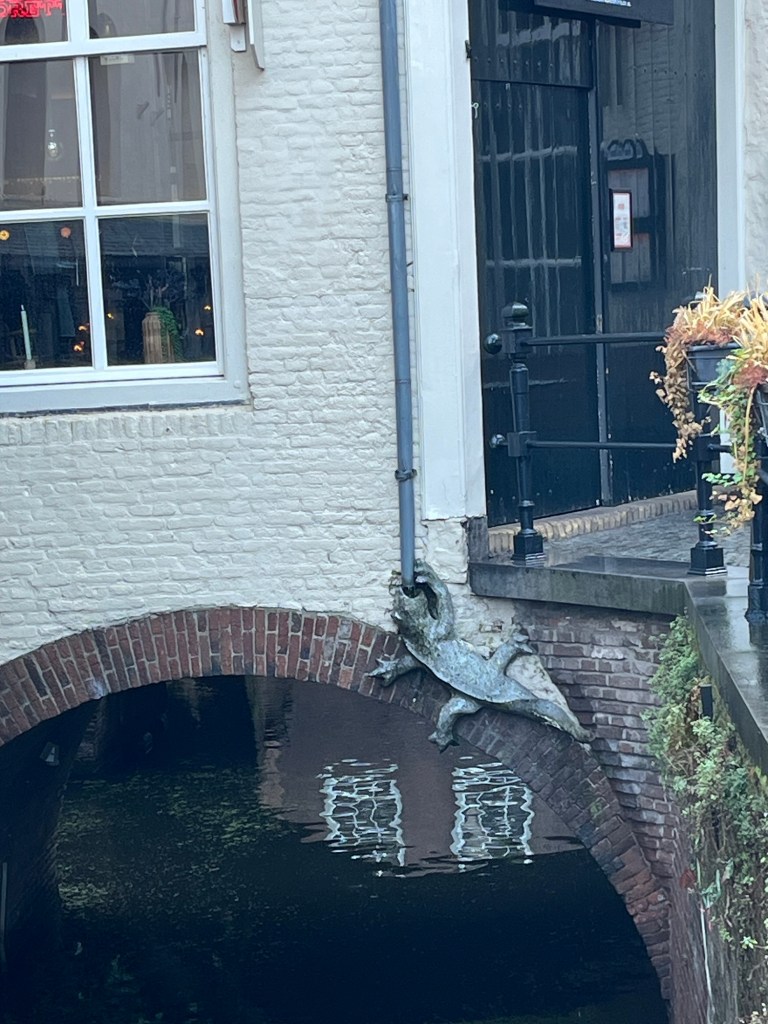
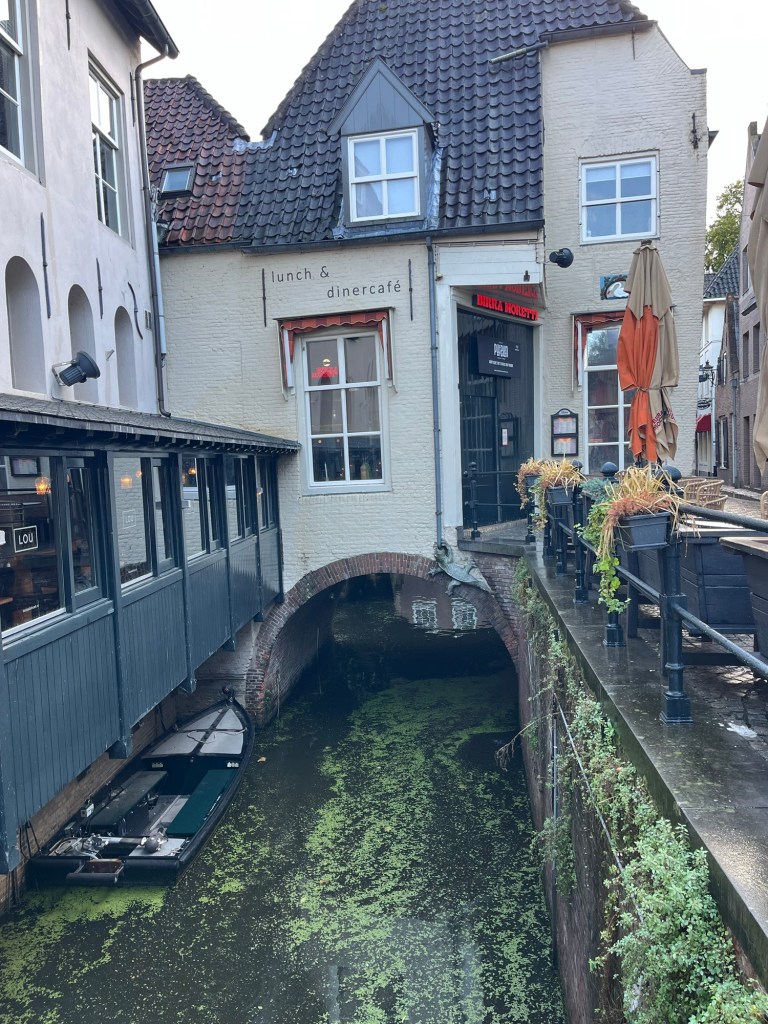
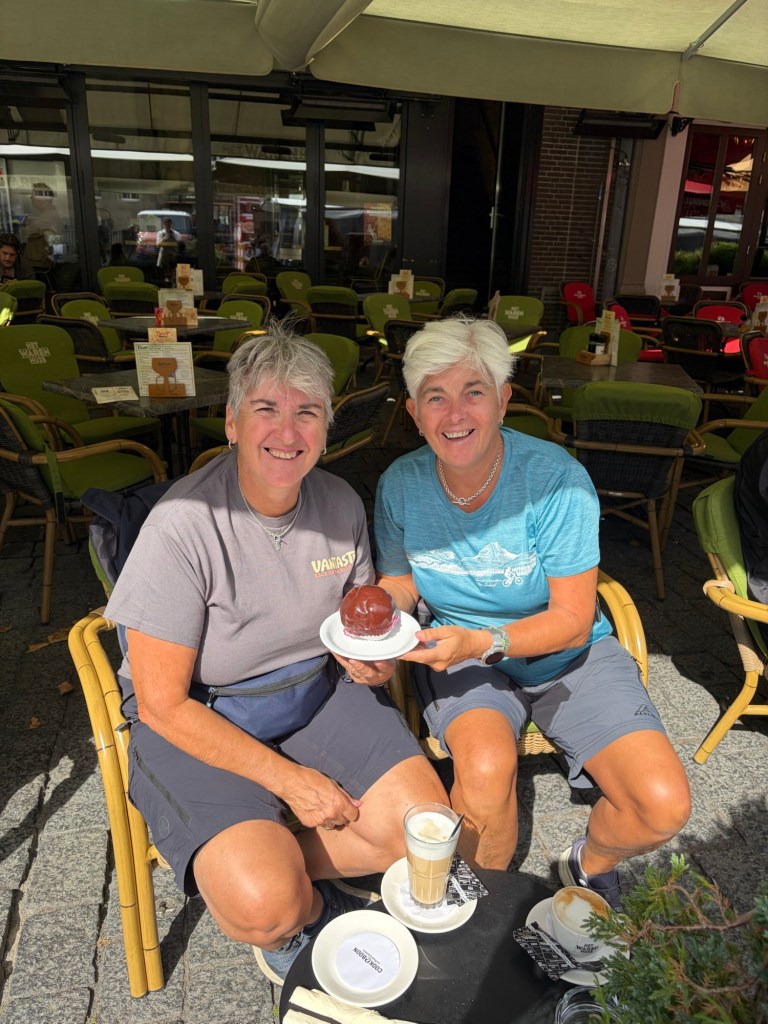
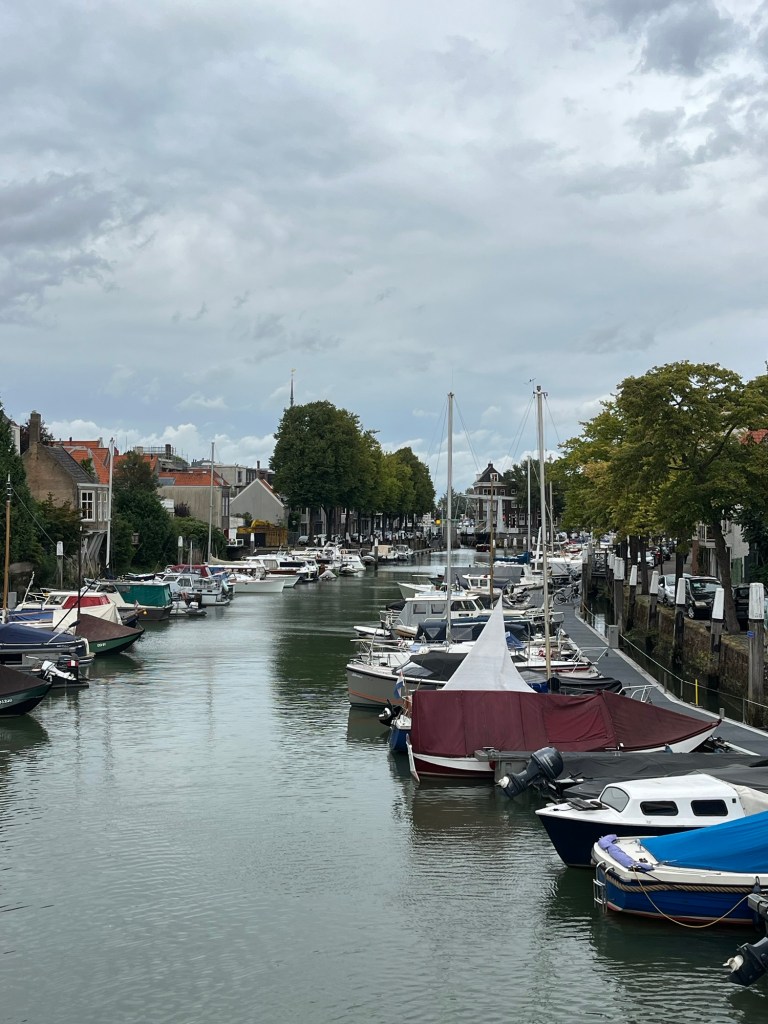
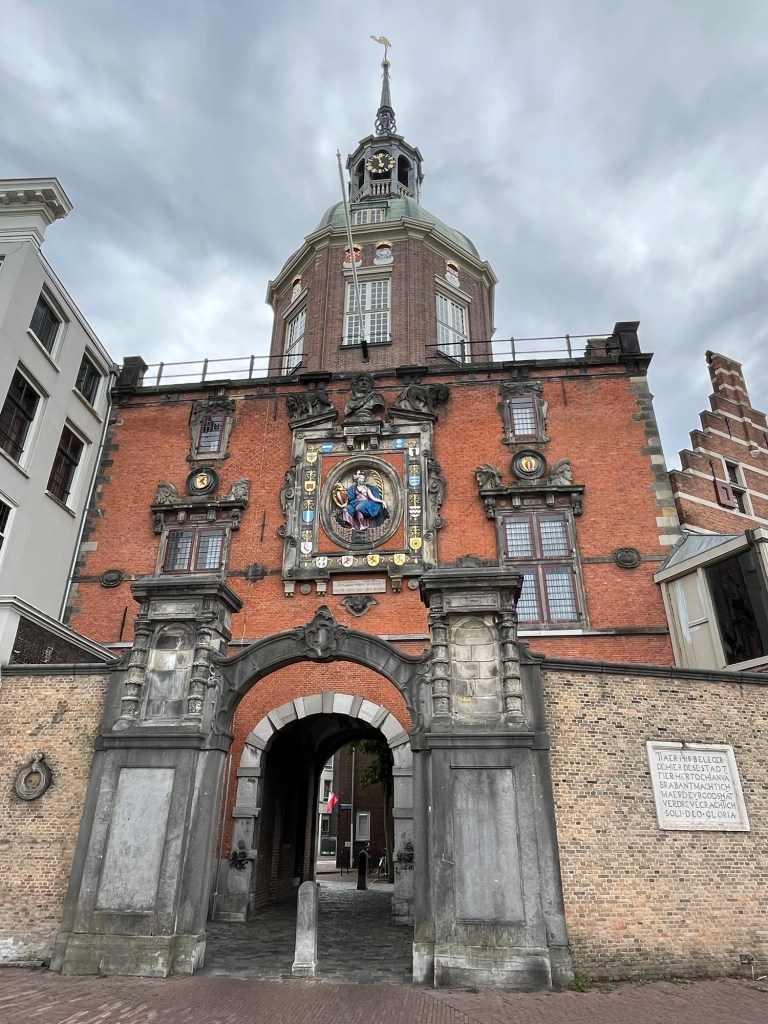
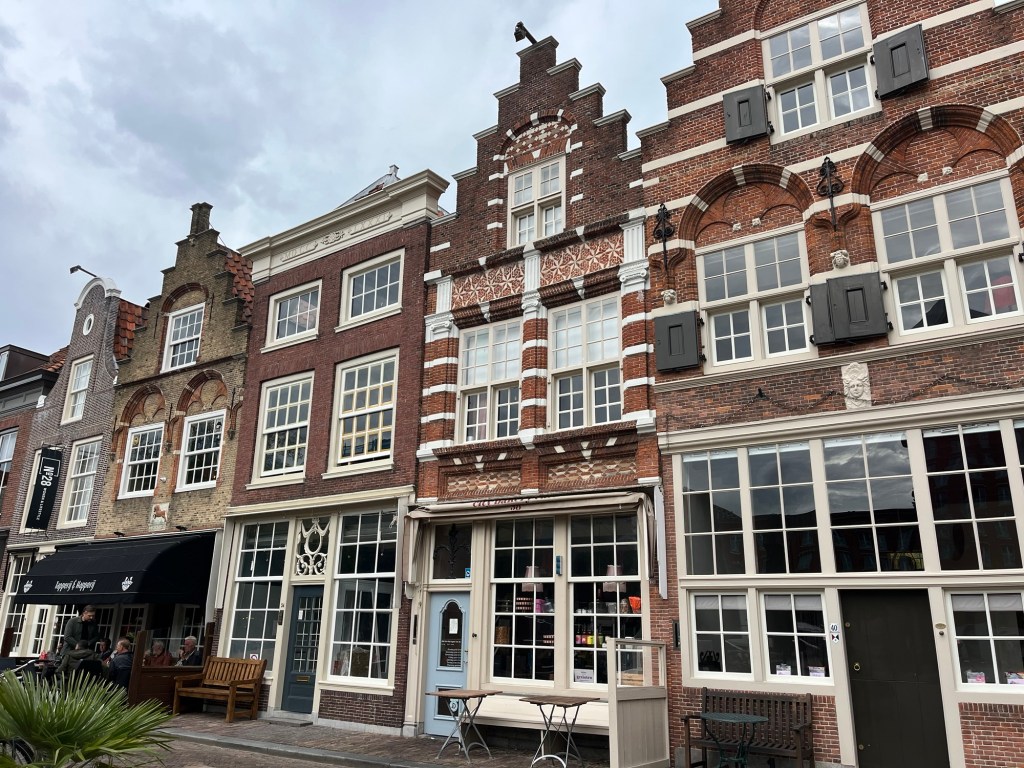
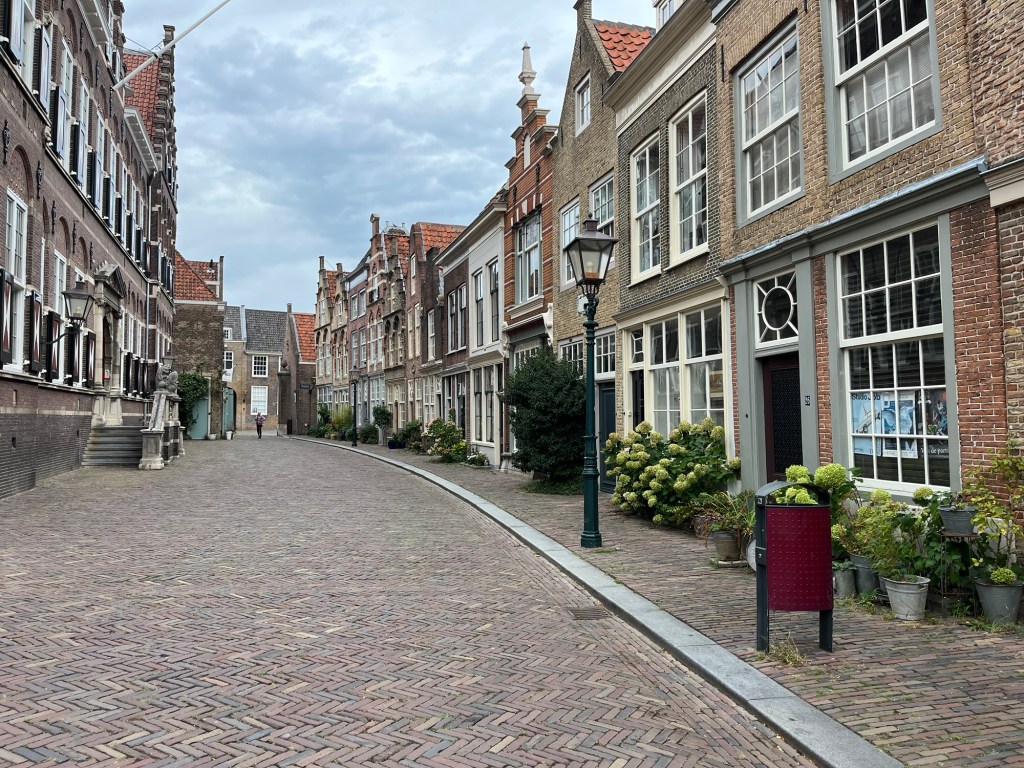
Den Bosch has a wonderful old quarter, Uilenburg, dating back to the 12th and 13th centuries and, unusually for The Netherlands, many of the canals went through tunnels rather than just having bridges over them. The twice weekly market was just finishing up when we finally arrived so we were able to enjoy a Dutch staple, kibberling. This is a freshly made fried fish in bite sized chunks that you have with either mayonnaise or rémoulade. Delicious and not expensive. As the heavens opened, we thought it appropriate to pop into the Sint Jan’s cathedral for shelter, which has one of the largest organ walls in Europe. After all this culture we had to stop and have a Bossche Bol that was a huge profiterole.

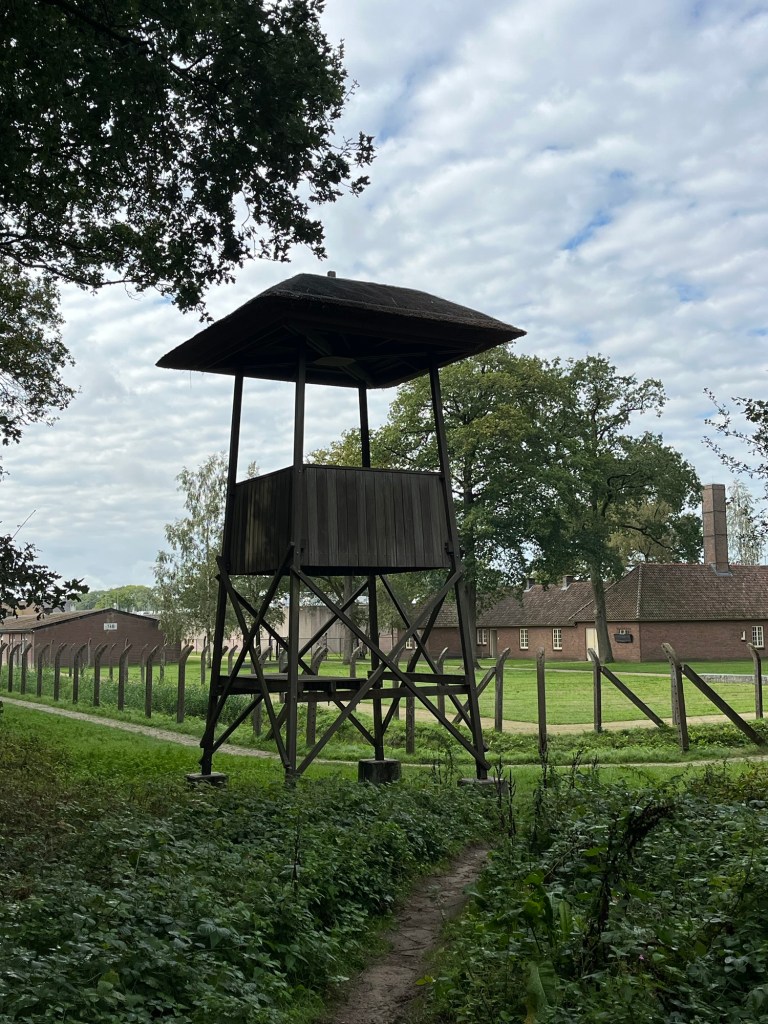
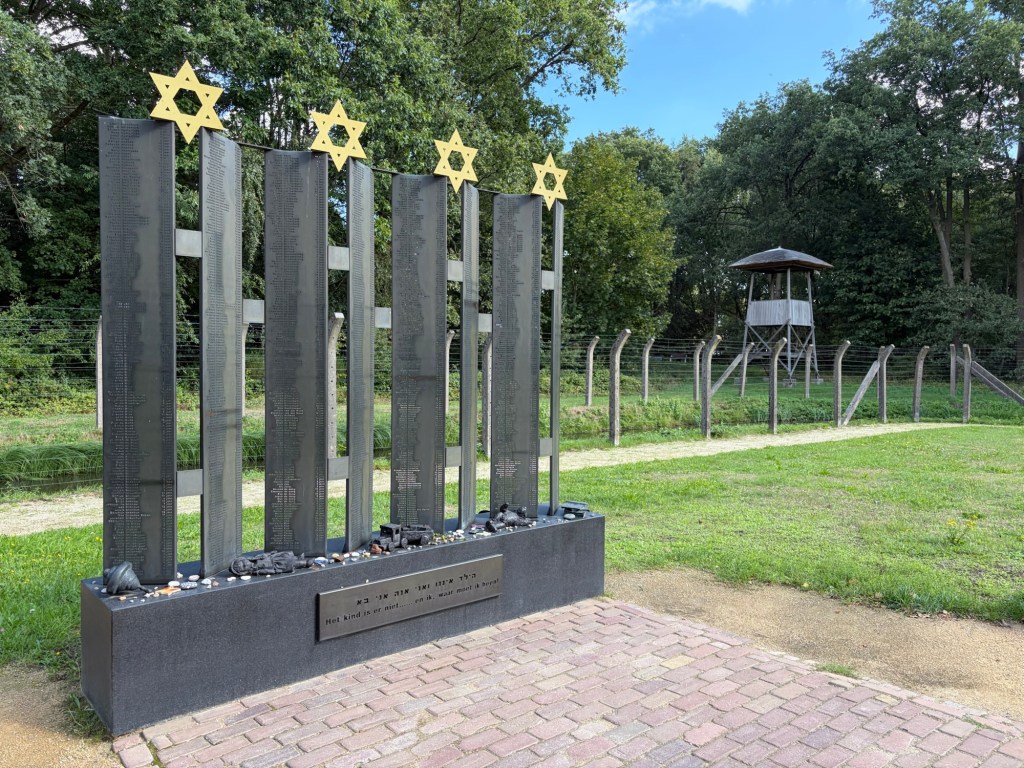
The woods in the nearby town of Vught was the setting for a concentration camp during WWII. Whilst it wasn’t an extermination camp, many people died or were executed there or were moved onto other camps in Poland or Germany. A well thought through exhibition highlighting that there never is just black and white in war.
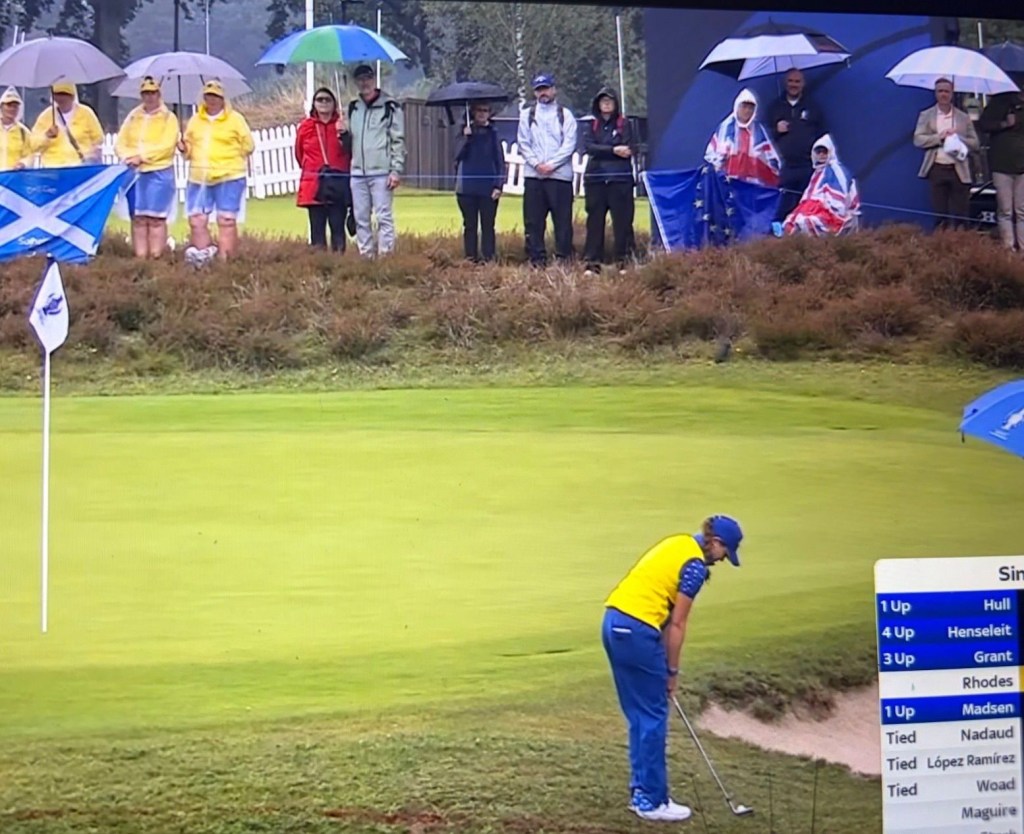
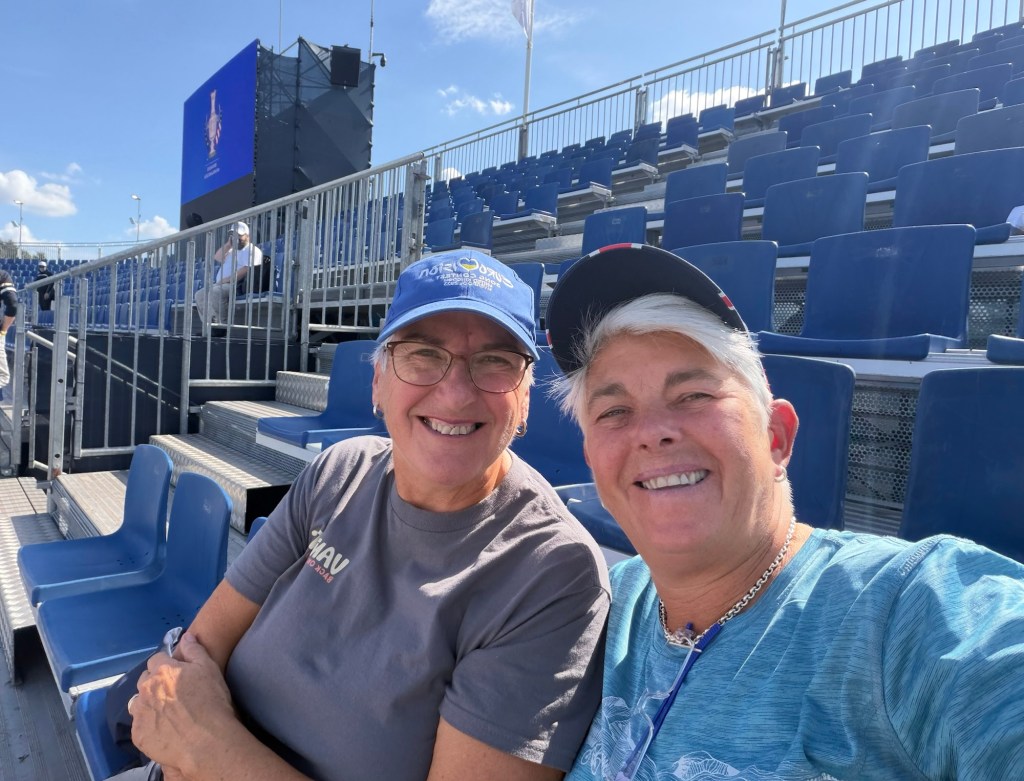
Back to the golf course to pick up our bikes and then back to the van. The theme of torrential downpours continued for the rest of our time there but the golf did not disappoint. World class golfers playing for each other was nail biting stuff. All square after days one and two with 12 singles matches on the Sunday to decide who will take home the trophy. Europe prevailed 15-13 and the place roared with each hole won let alone when we won a match. Great stuff.
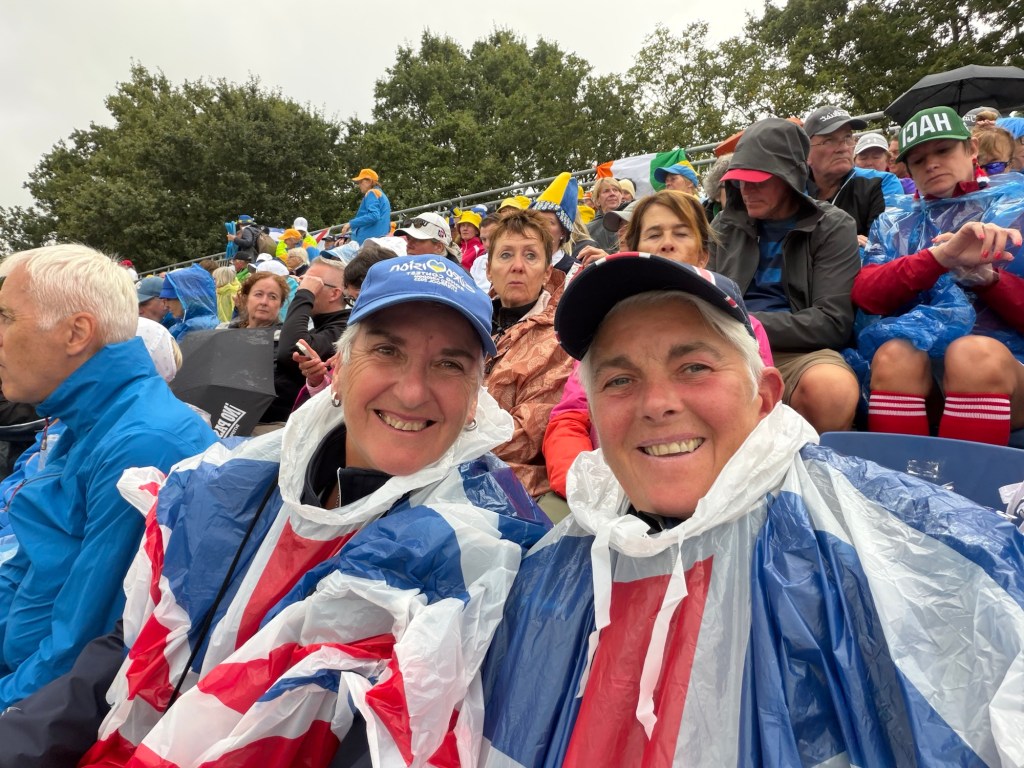
It was really torrential
The winning team!

Miles since last blog: 67

Miles this trip: 440
Arnhem

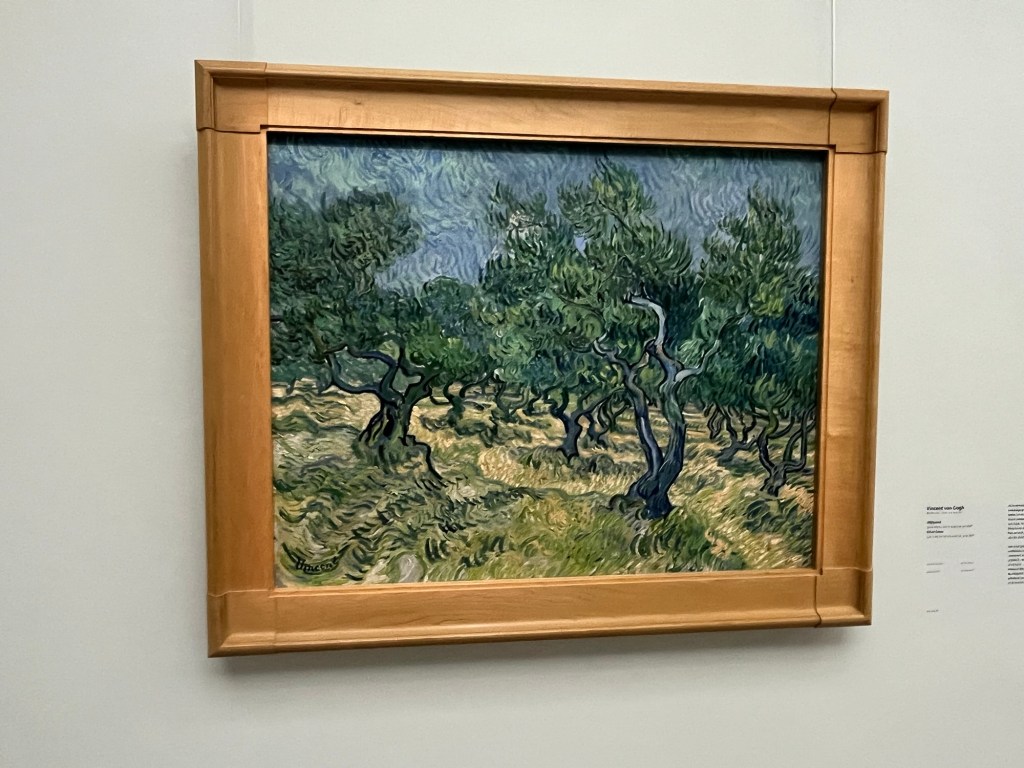
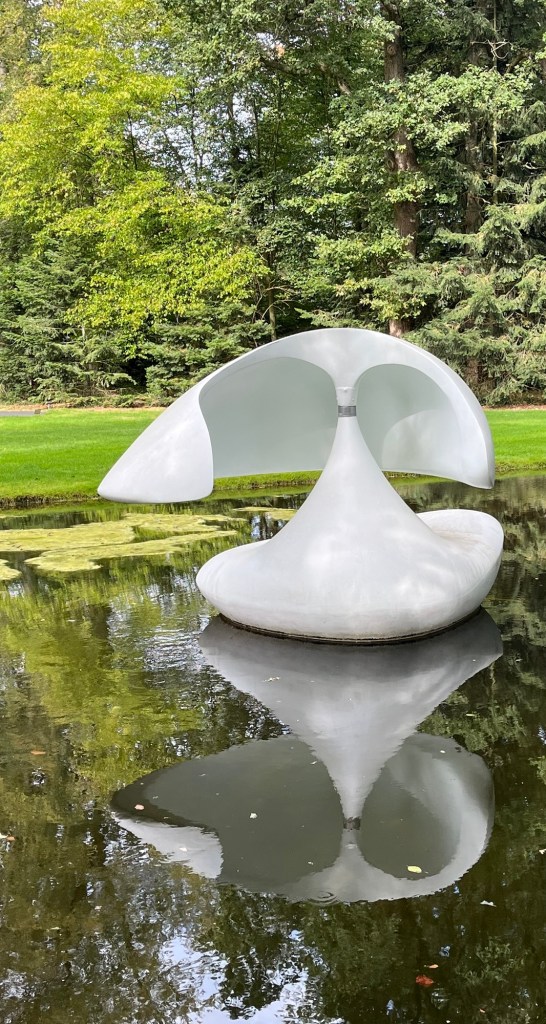
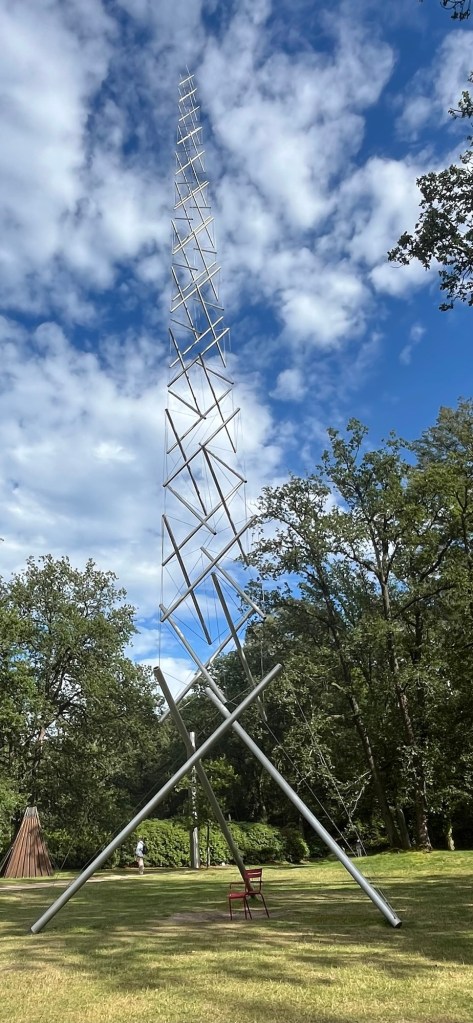
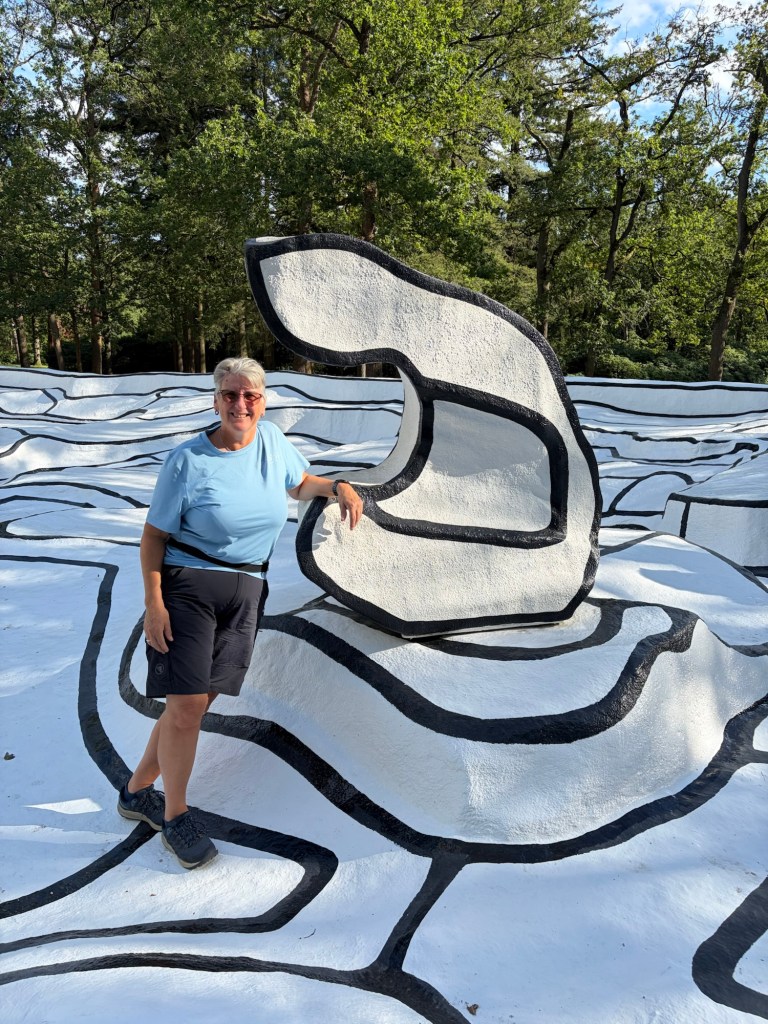
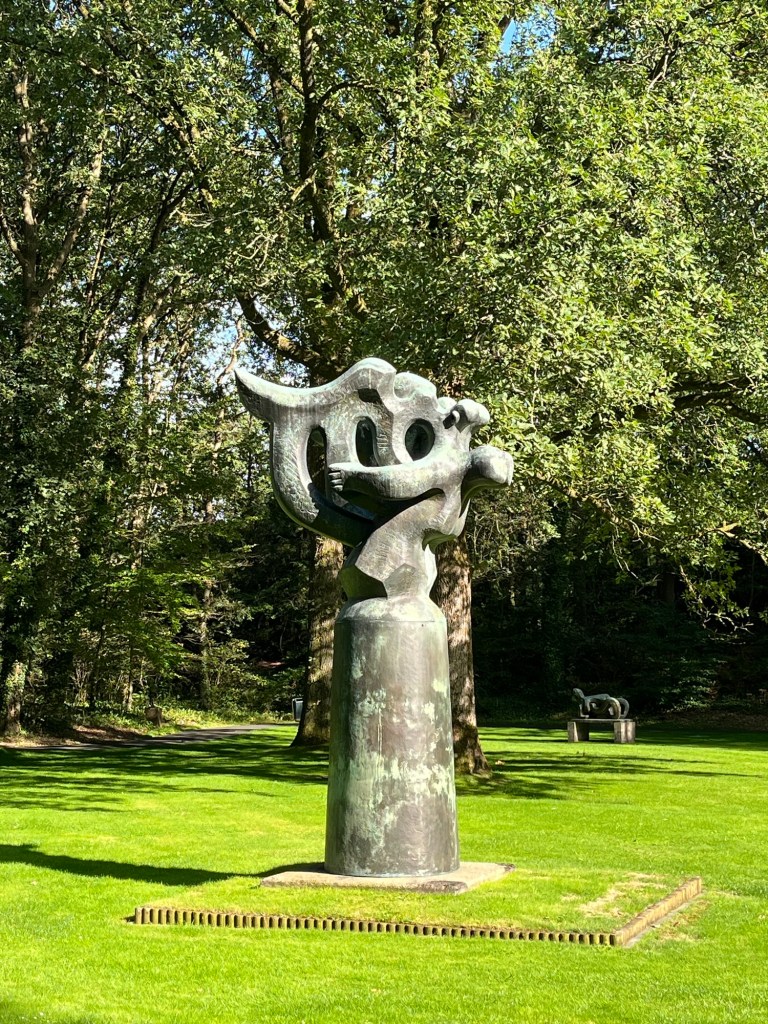
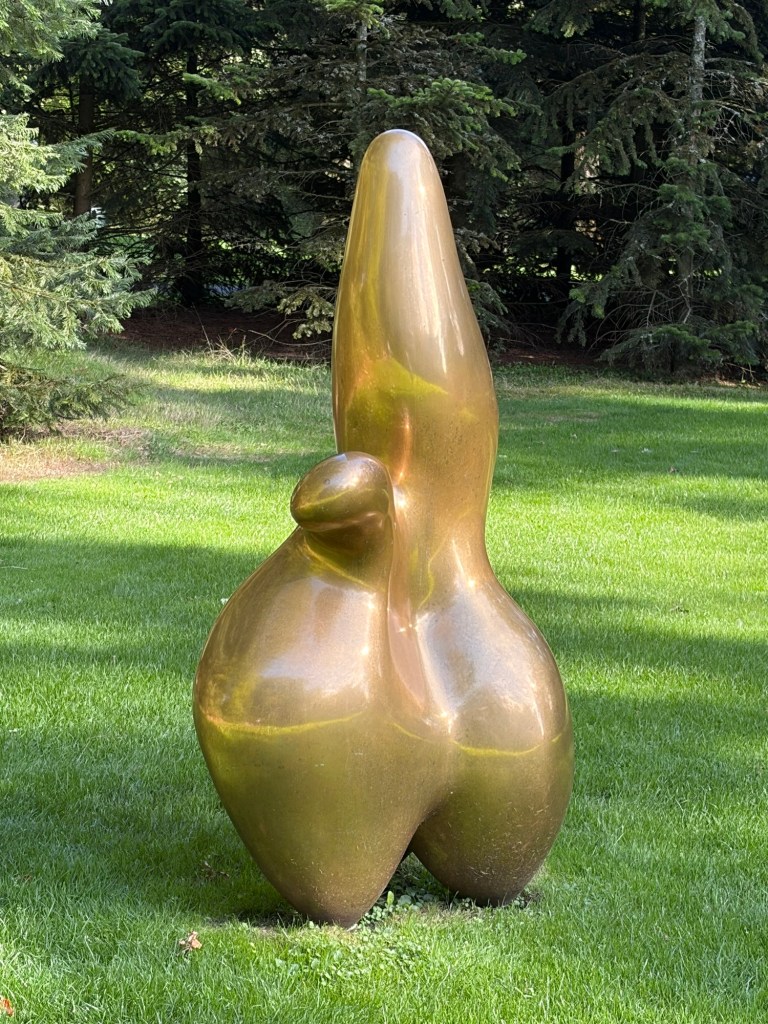
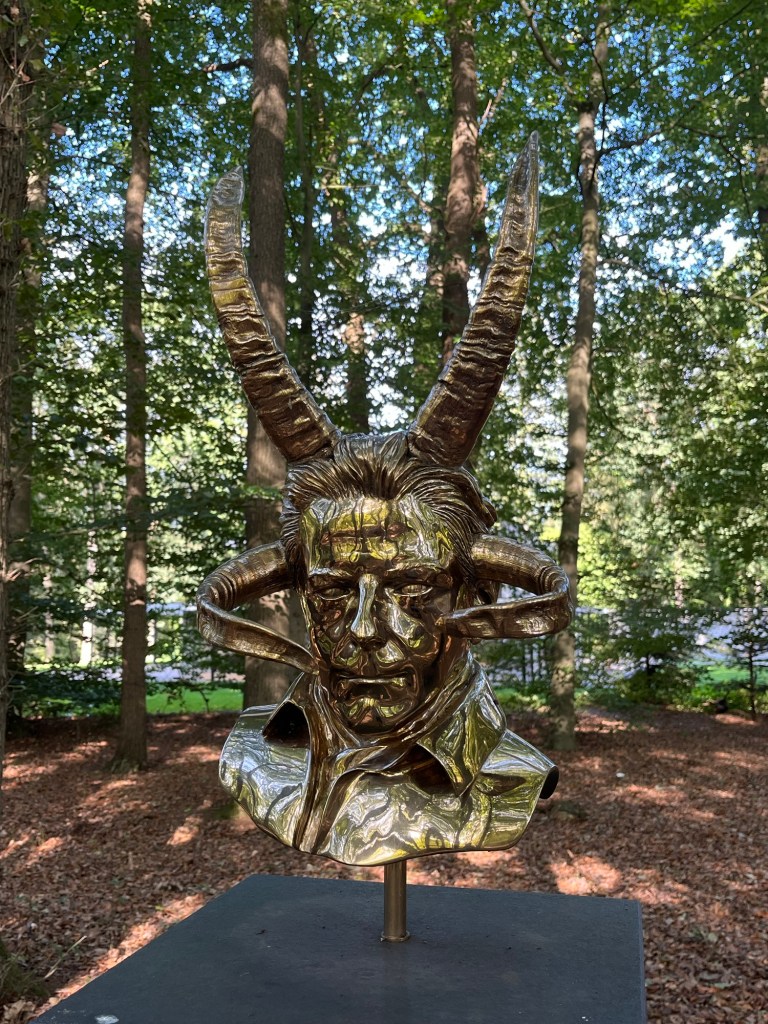
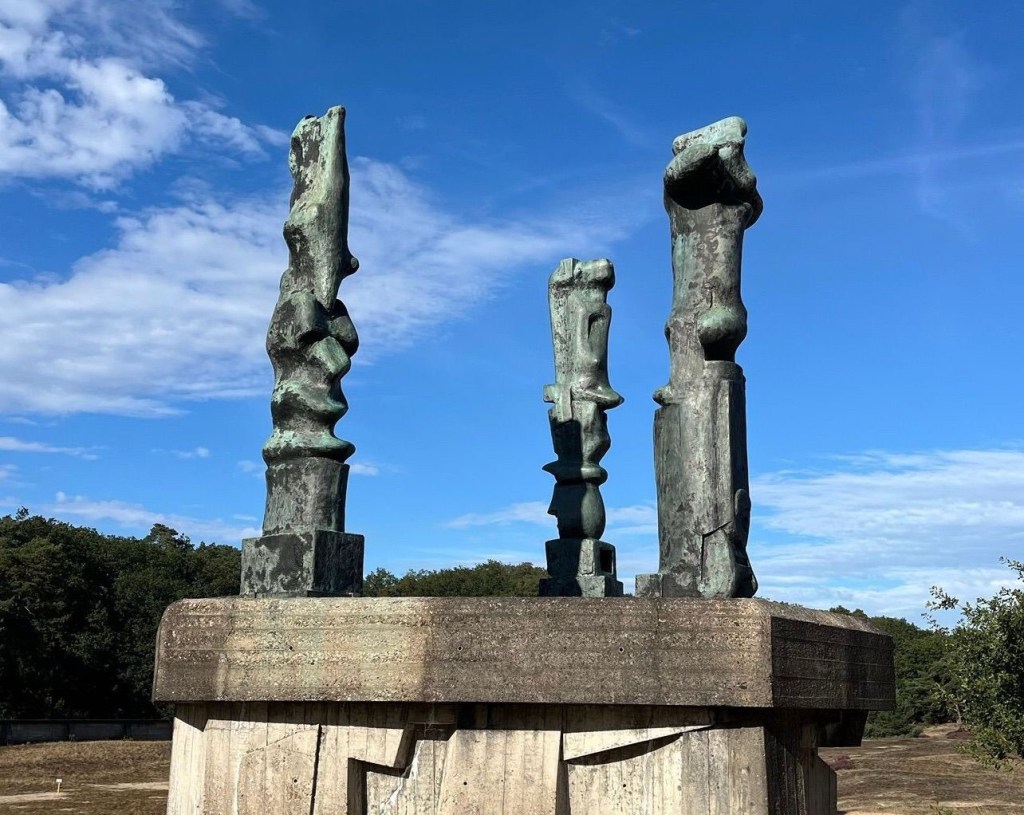
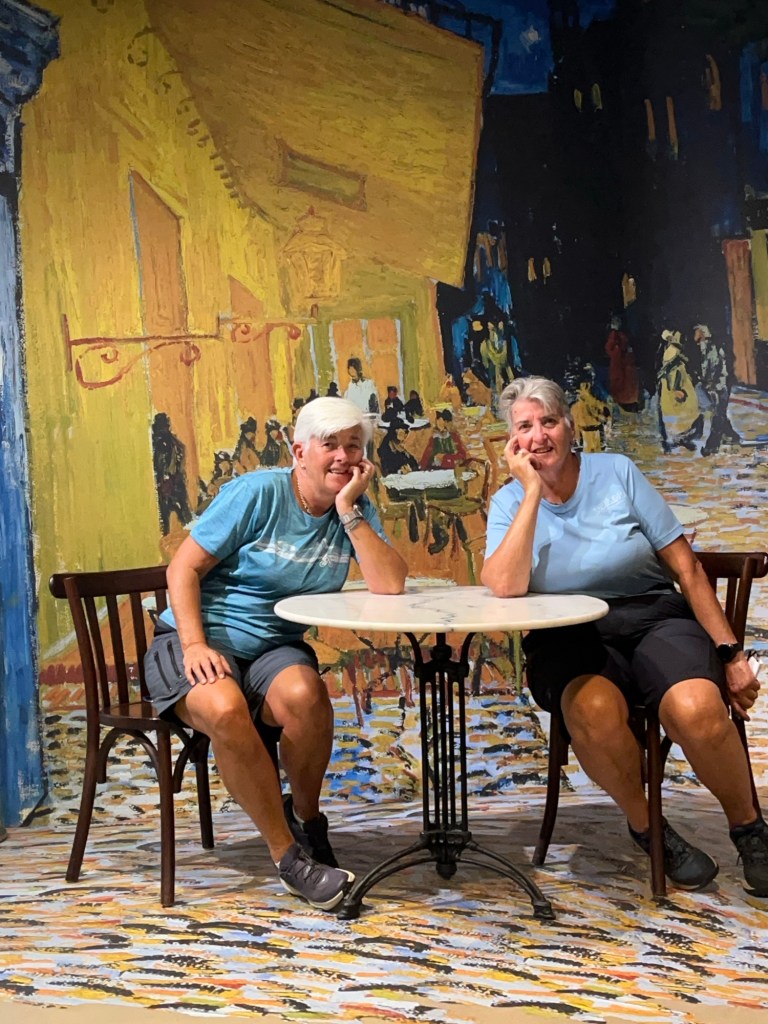
We left Giethoorn around midday on Sunday, September 6 after a delightful wander around the town, even getting a chance to do some food shopping. Shopping in The Netherlands is a bit tricky as not many supermarkets have large car parks and many Dutch seem to do theirs by bike! Anyway, we travelled for around 100 minutes to the small town of Otterlo in the Hoge Veluwe National Park. We found a site called Camping de Bosrand (P4N#452240) that was a tiny site with just 20 places but we managed to book one night with them. It was perfect for us as we could then cycle to the National Park to visit the Kroller-Muller Museum. It holds the largest collection of Van Gogh in the world with over 90 paintings and drawings. It also had a wonderful sculpture garden. We managed to do the whole thing before it closed at 17.00. Back to the van for pre dinner drinks and a meal.
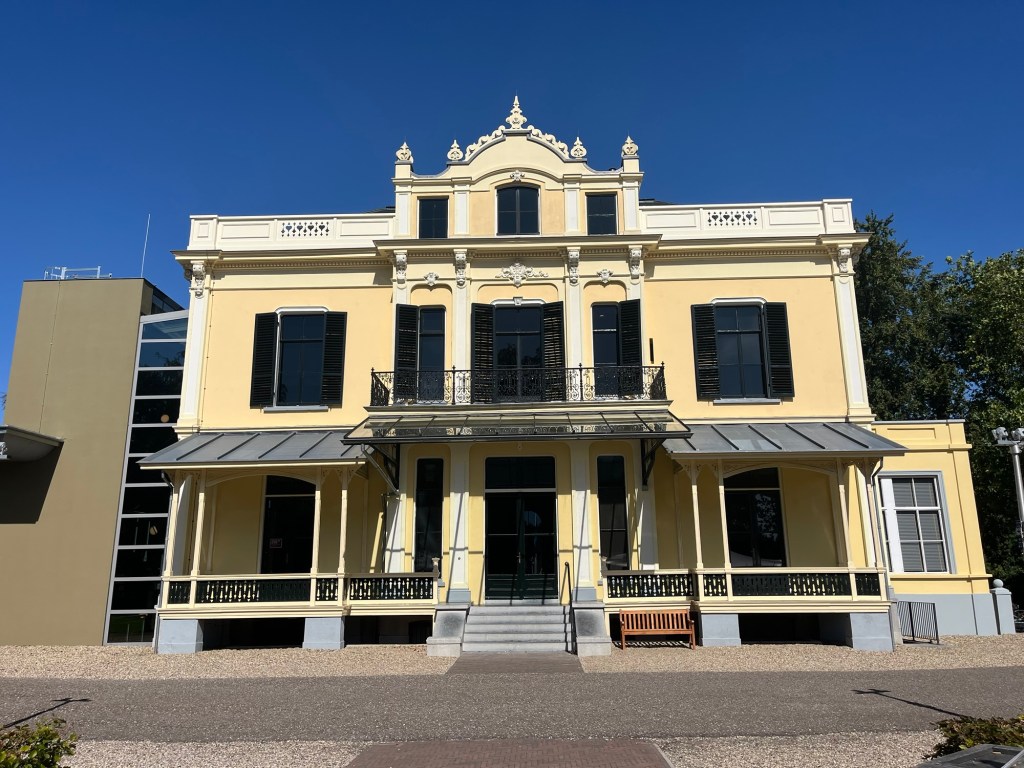
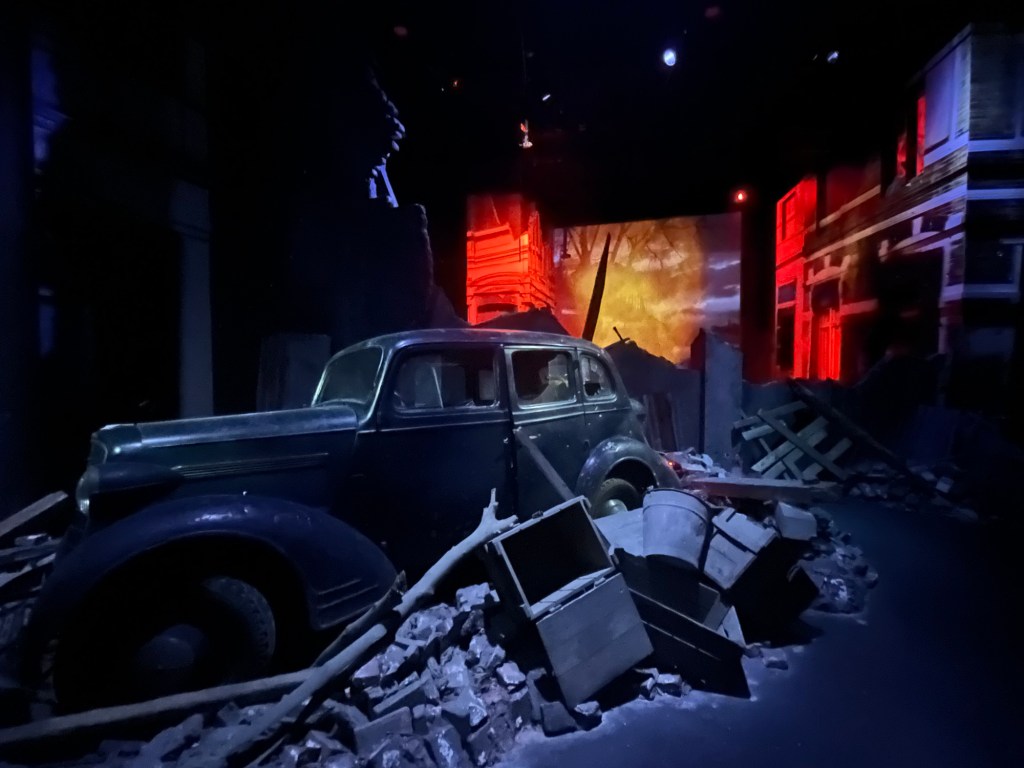
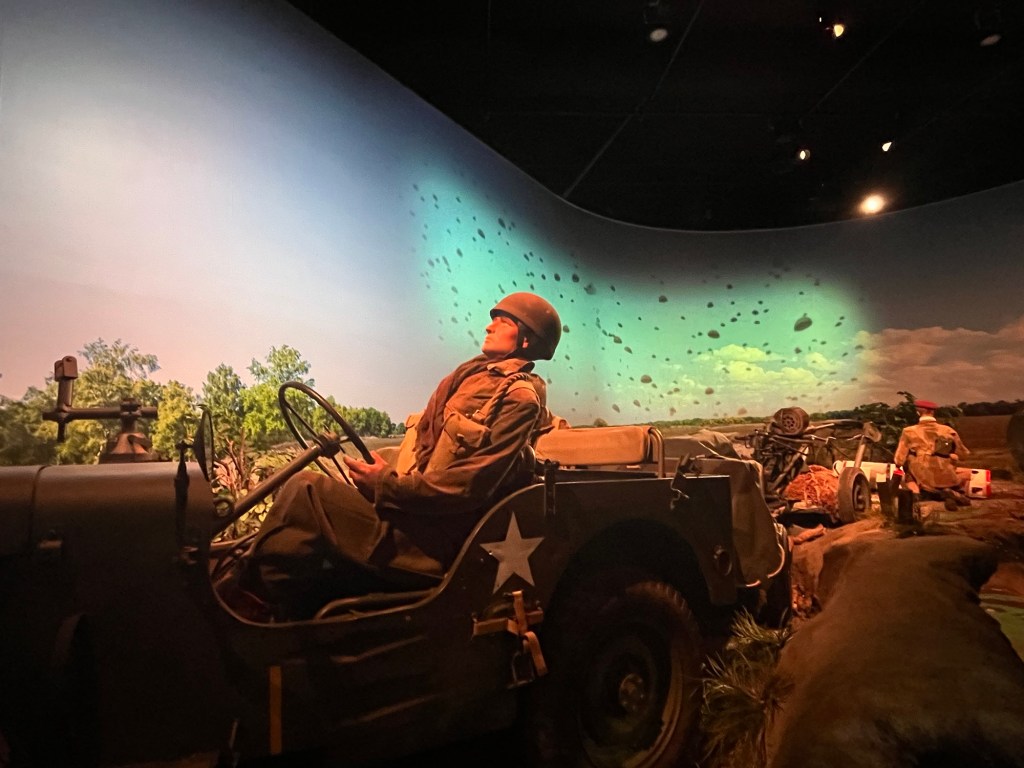
The next morning, we had to move on so we opted to drive the few miles to Oosterbeek where there was a museum on the Battle of Arnhem in WWII. Many of you will be familiar with the film, A Bridge Too Far, which was all about Operation Market Garden. This was an airborne drop involving 30,000 men behind enemy lines in September 1944 after D Day. General Montgomery thought it would shorten the war. Instead, it was a disaster with 17,000 killed or wounded and 6,500 taken prisoner. The museum at Oosterbeek was in Hartenstein House, the same house that became the Allied HQ during this operation and it was a fascinating insight into the battle. The immersive experience in the basement was particularly impressive. We also had visited the War Cemetery just outside the town before visiting the museum.

We then moved onto our campsite for the night just outside of Arnhem, Camping Warnsborn (P4N#142580). It was another small campsite and again close to the National Park but at the southern end so it was another site in the woods.

Camping Warnsborn

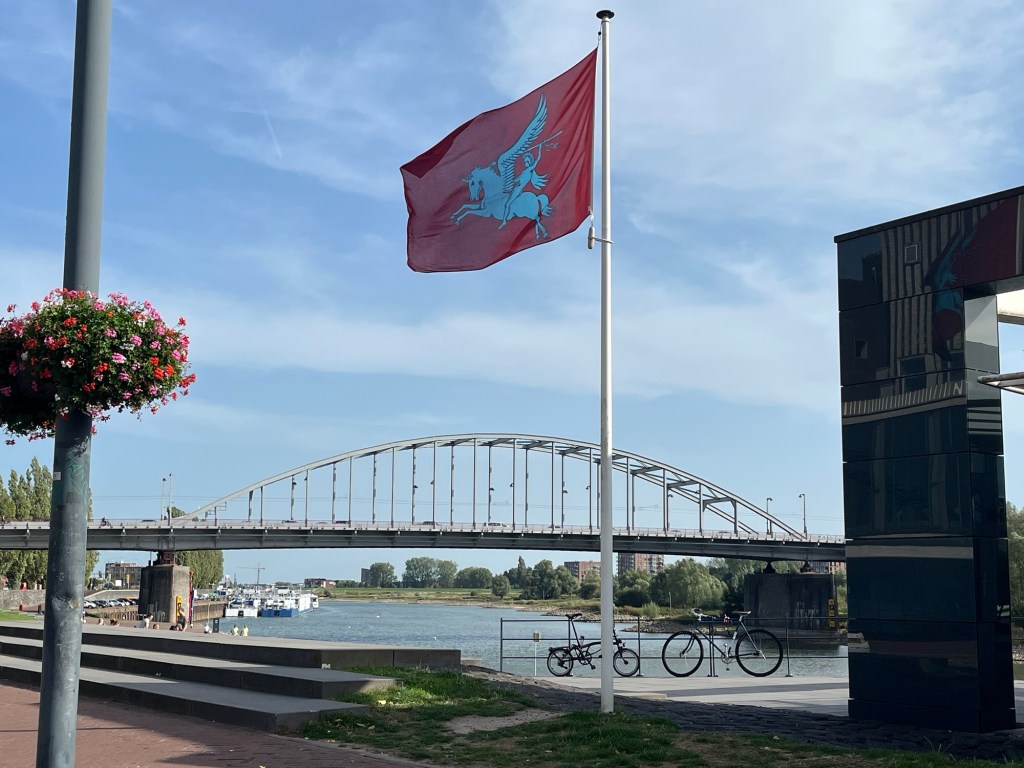
Once settled we cycled into Arnhem itself to see the John Frost Bridge (of A Bridge Too Far fame).

The John Frost Bridge

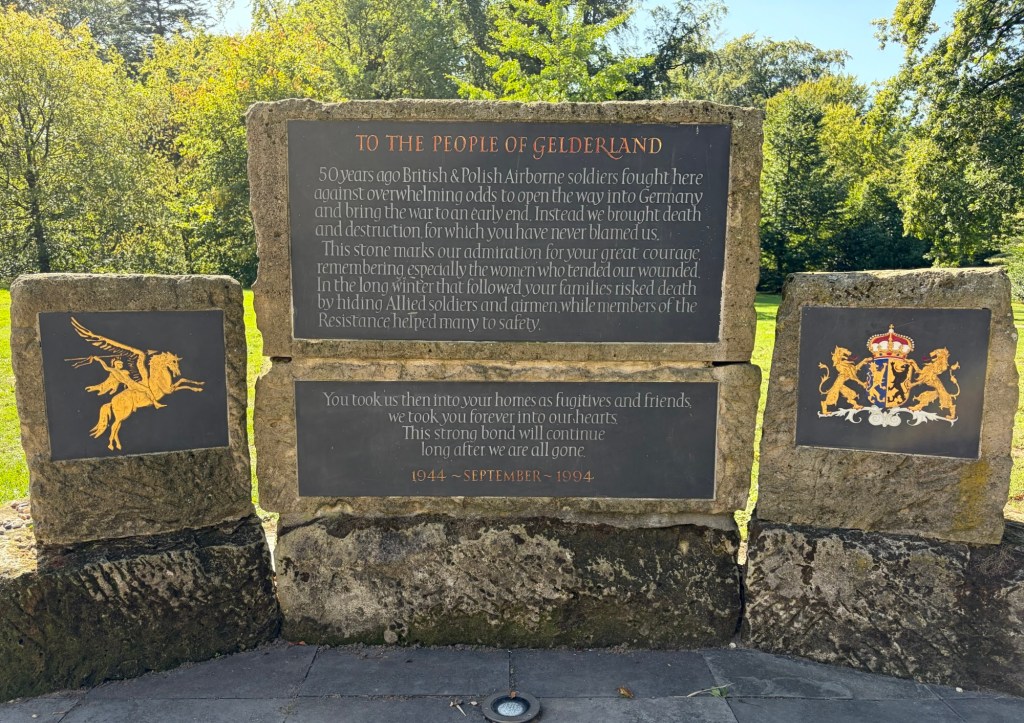
All over town, the flag of the 101st Airborne Division was being flown in commemoration of the battle. Considering Arnhem was pretty much razed to the ground by the Germans during and after the battle, the local people didn’t seem to hold a grudge against us.

A poignant reminder

Back to the van again for beers in the sun before dinner on board.

Miles since last blog: 80

Miles this trip: 373

Oudewater and Geithoorn

As the motorways are toll free in The Netherlands, we made good use of them to drive towards our final destination of the day, Giethoorn. Before that, though, we stopped at Oudewater, about an hour north of the Biesbosch.

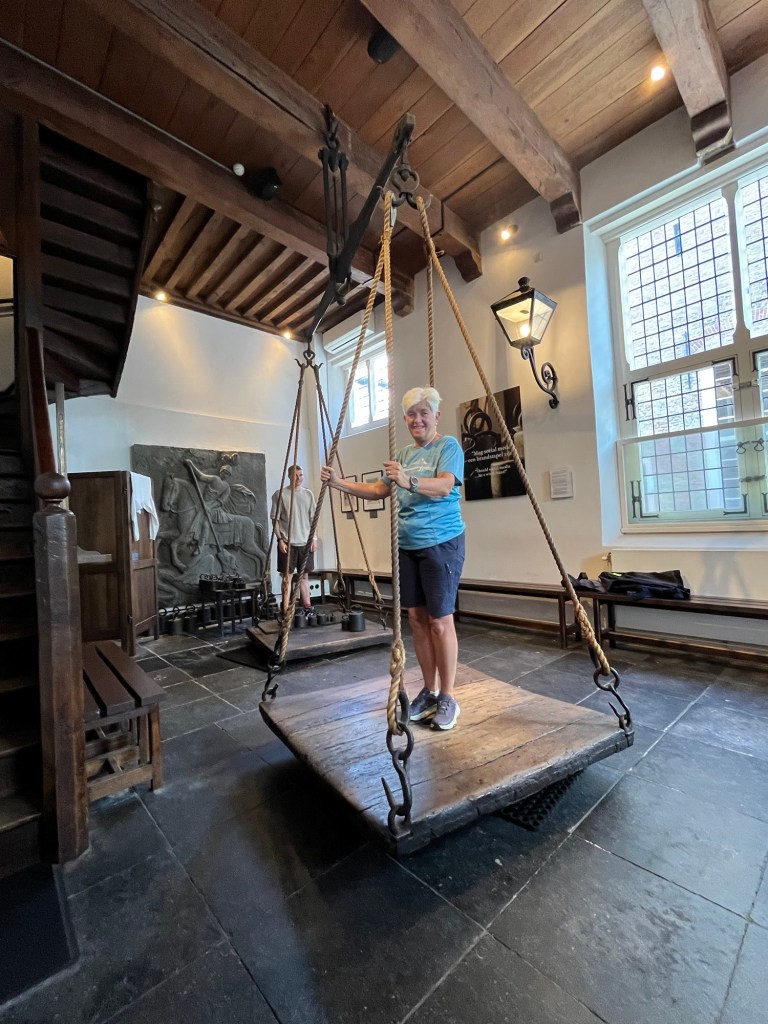
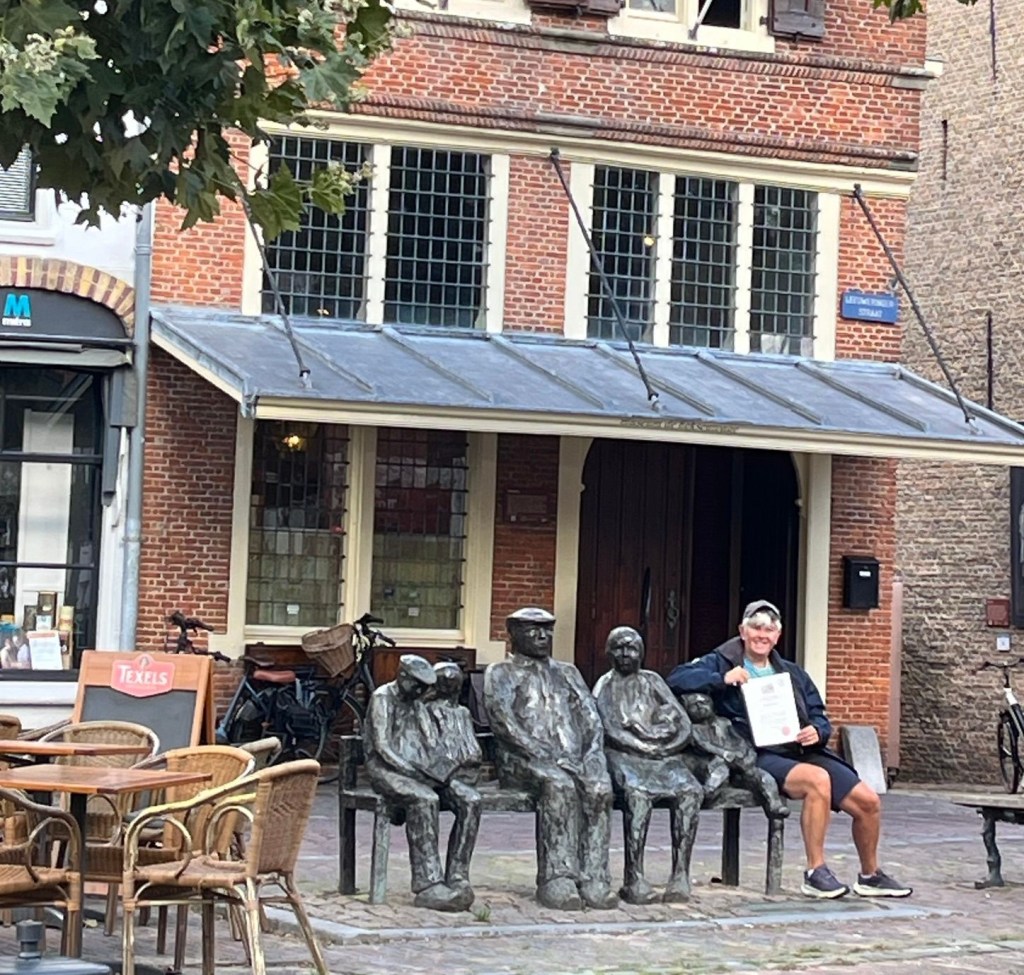
Oudewater became famous in the 16th century for weighing people who had been accused of being witches. It is thought that over one million women were killed as a result of the witch hunts across Europe during this time. It was a time when petty grievances and superstition ran rife. Many women were tortured, drowned or burnt alive due to the fact that it was extremely hard to prove their innocence. However, one test was about how much they weighed as witches were thought to be very light in order to fly around on broomsticks. So, women accused of witchcraft could be weighed. The town weighing house was generally used as this was where goods were normally weighed. Many of the weigh masters were bribed to ensure the women only weighed a few pounds. This happened when Emperor Charles V was passing by and he ordered the woman to be reweighed at Oudewater as he knew the weighing there was reliable. The woman survived and was given a certificate stating her weight which was then proof of her not being a witch. After that, the town drew thousands of women who for a small fee could be weighed. So, of course, Liz demanded to be weighed and got a certificate to prove that she wasn’t a witch.

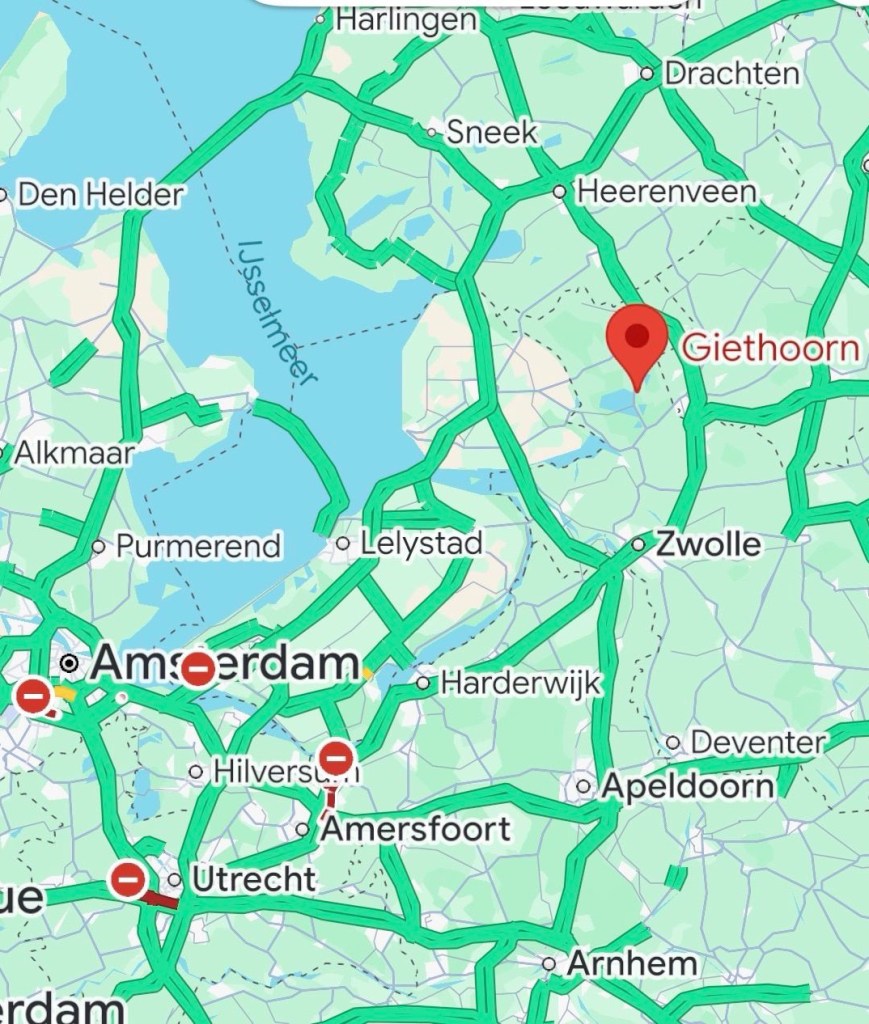
We then continued north for another 90 minutes to reach Giethoorn and found the lovely, quirky campsite Haamstede (P4N#32120) about a 20 minute walk from the centre.

Camping Haamstede

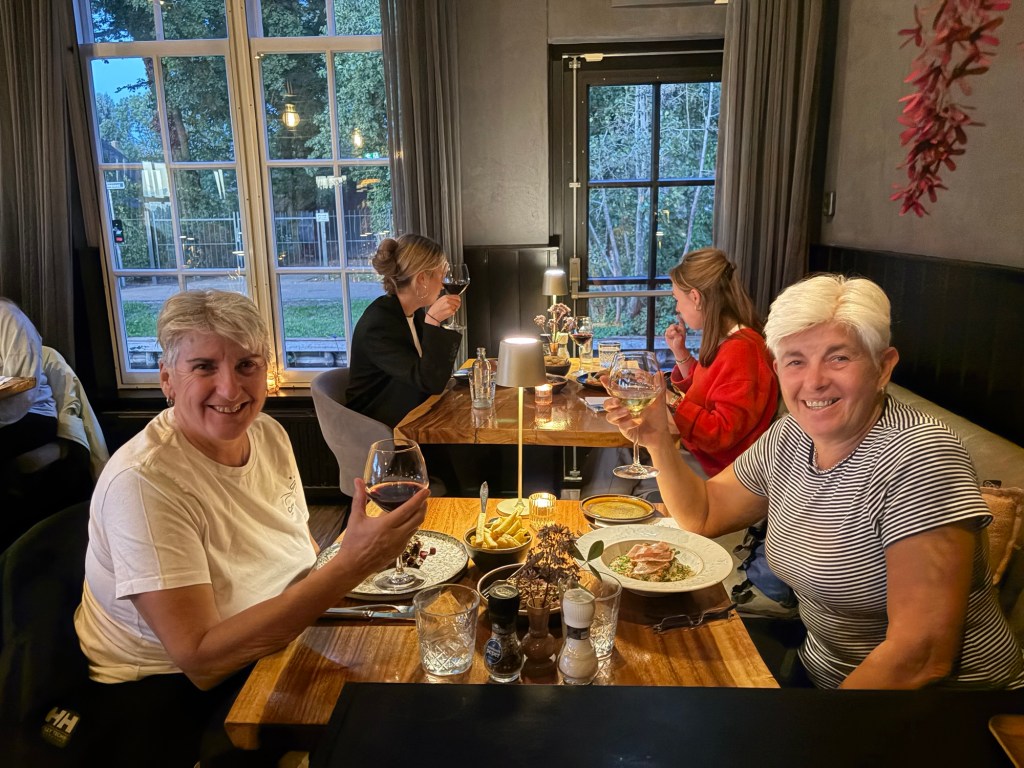
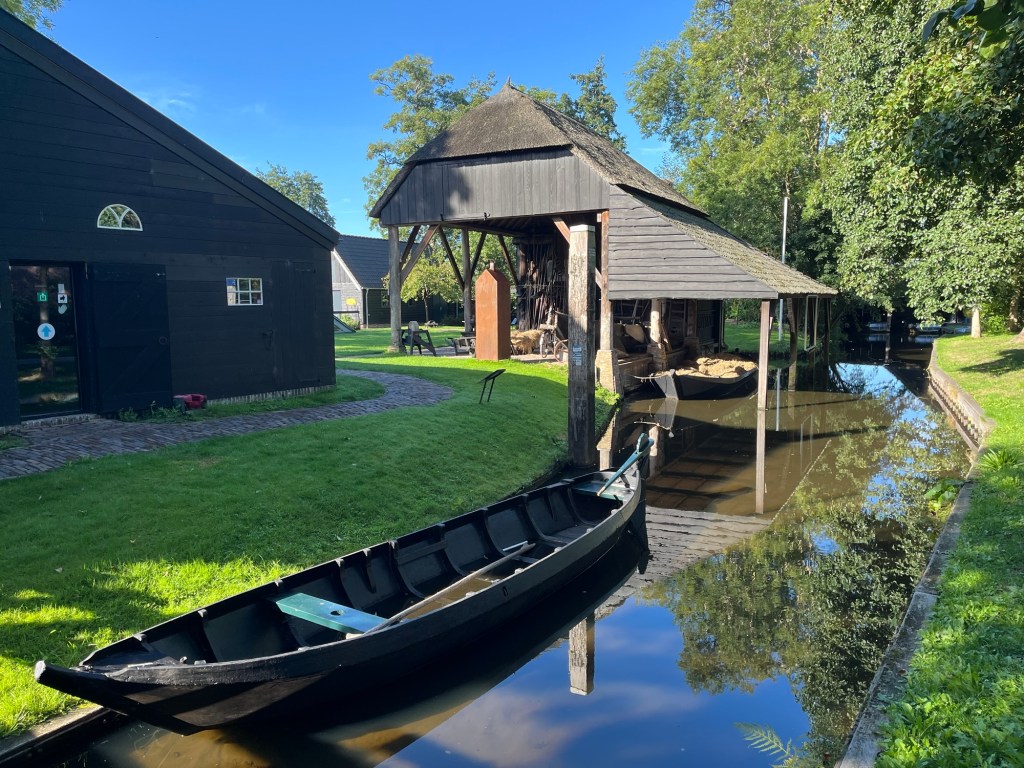
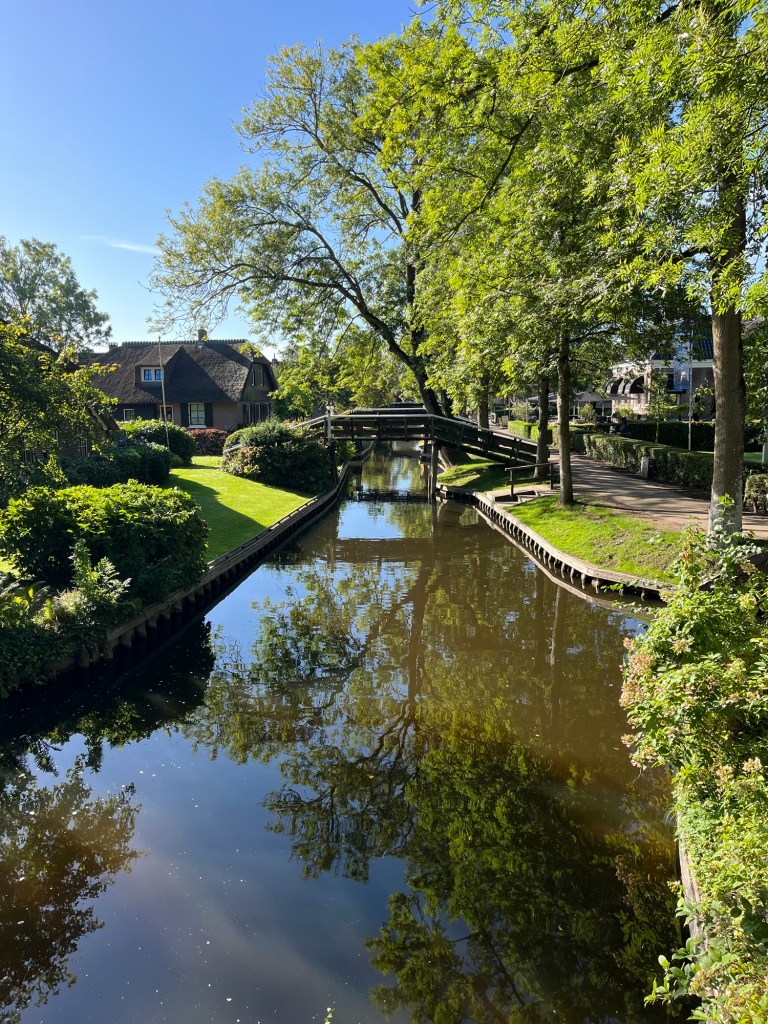
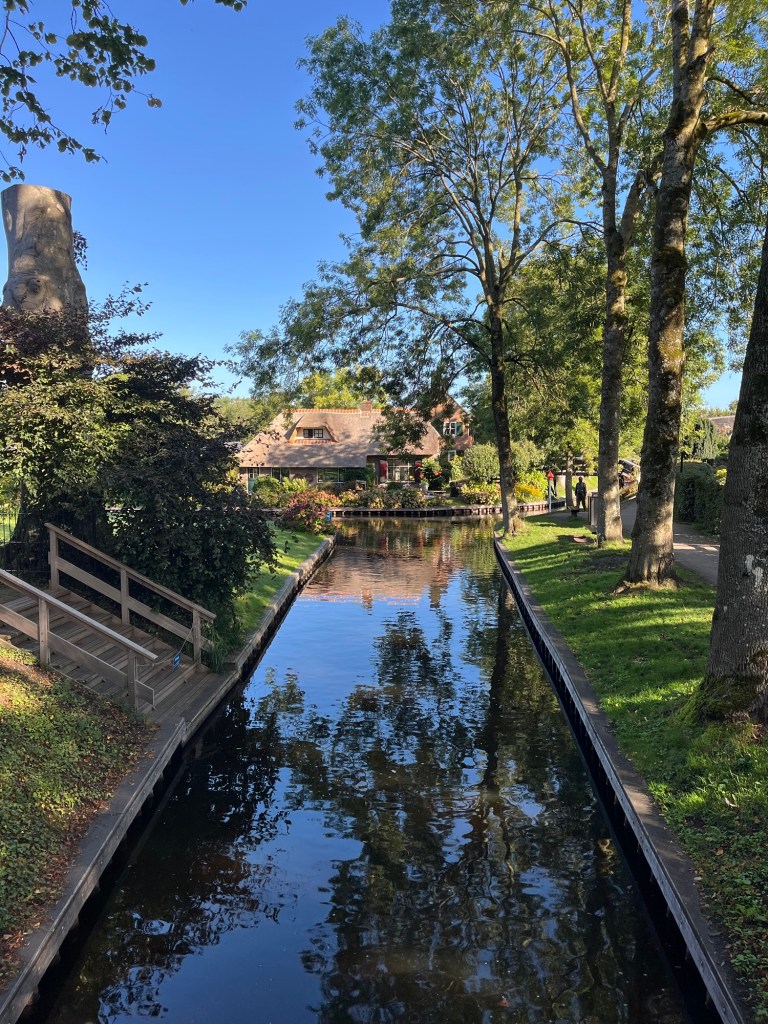
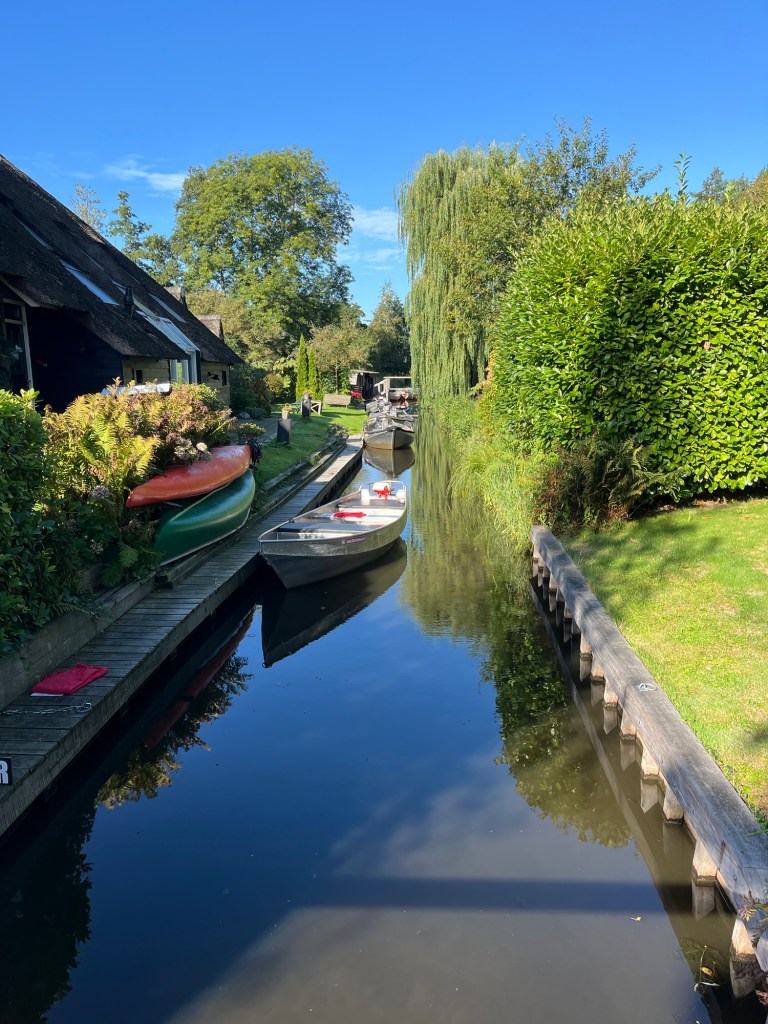
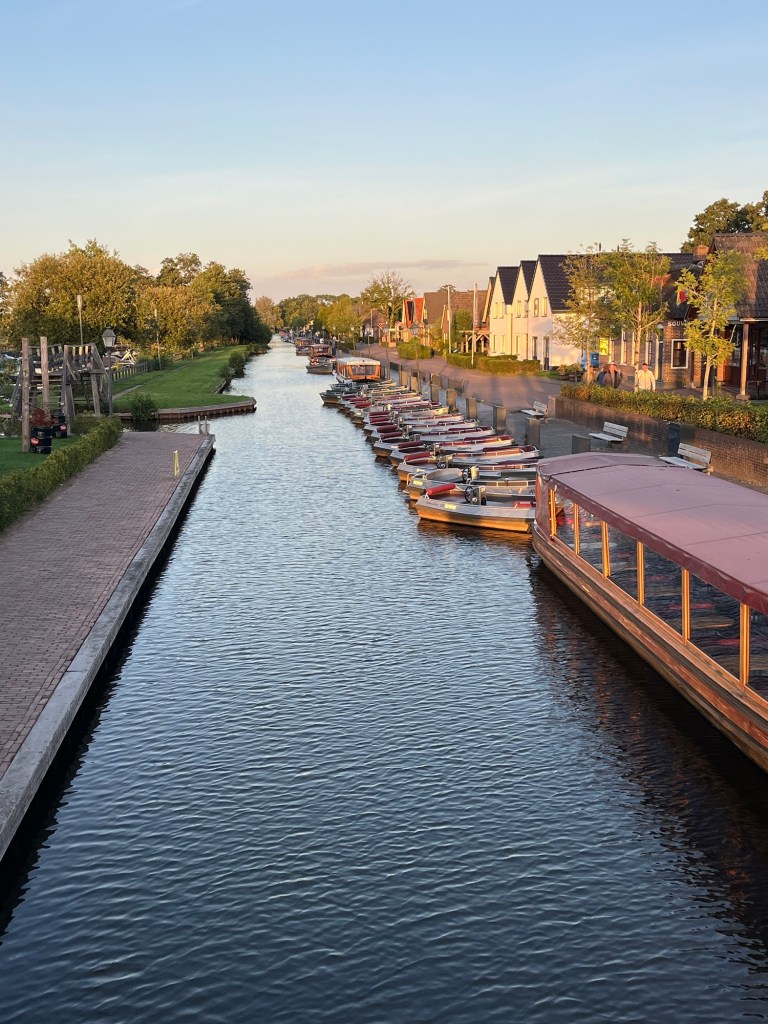
We arrived around 19.00 so we had a quick G&T before heading out to find our restaurant, L’Achterhuus, in the centre of the village of Giethoorn. Giethoorn means goat horn as they found hundreds of horns when they drained the area in the 13th century. They believed that the remains were from the St Elizabeth Day flood of 1170. It now is a delightfully pretty village with no cars that felt to us like a cross between Cambridge, Marlow, Cotswolds and Norfolk Broads with criss crossing canals flanked by quaint thatched cottages on the banks and hump backed bridges. Due to the large number of tourists, there are also hundreds of small electric boats to hire to meander around the village for an hour or two. Dinner was gorgeous with Liz having guinea fowl and Jo had boneless ribs, washed down with a glass of wine. A walk around a deserted village afterwards made for a very pleasant evening.

The next morning, Sunday September 6, we took advantage of the coaches not having arrived yet to walk around the village in daylight. It really was very pretty, helped by the lovely weather no doubt.

Miles this blog: 123

Miles this trip: 293

Windmills and wetlands

We left our campsite near Delft around 10.00 on Friday, September 4. Not sure how it took us two hours to get ready with showers, filling up with water, emptying the grey and black waste. The campsite had a wonderful machine to empty and clean the toilet cassette where you popped the cassette in and it did it all behind a closed shutter then popped out all clean with bio toilet solution already in it. Wonderful!

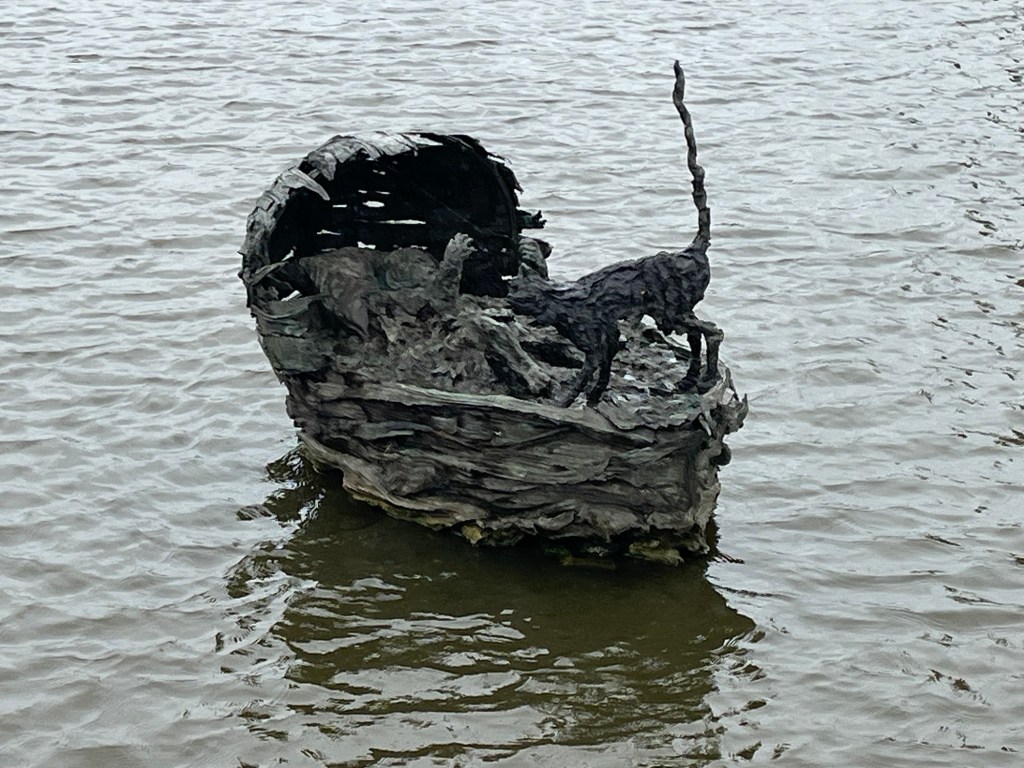
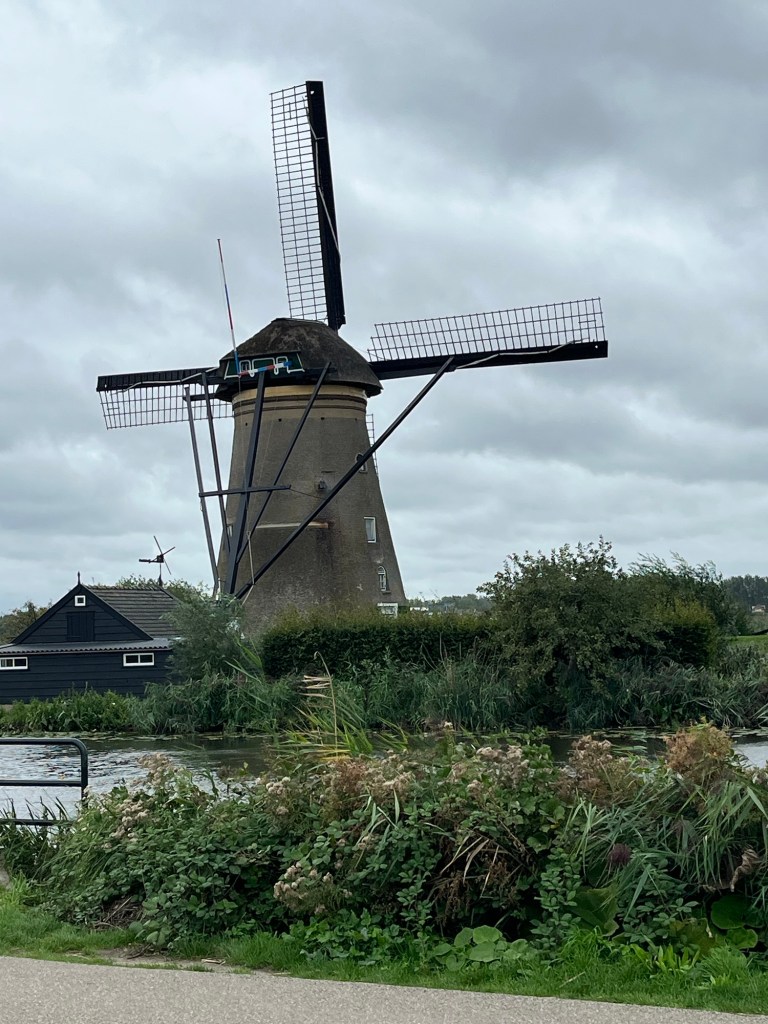
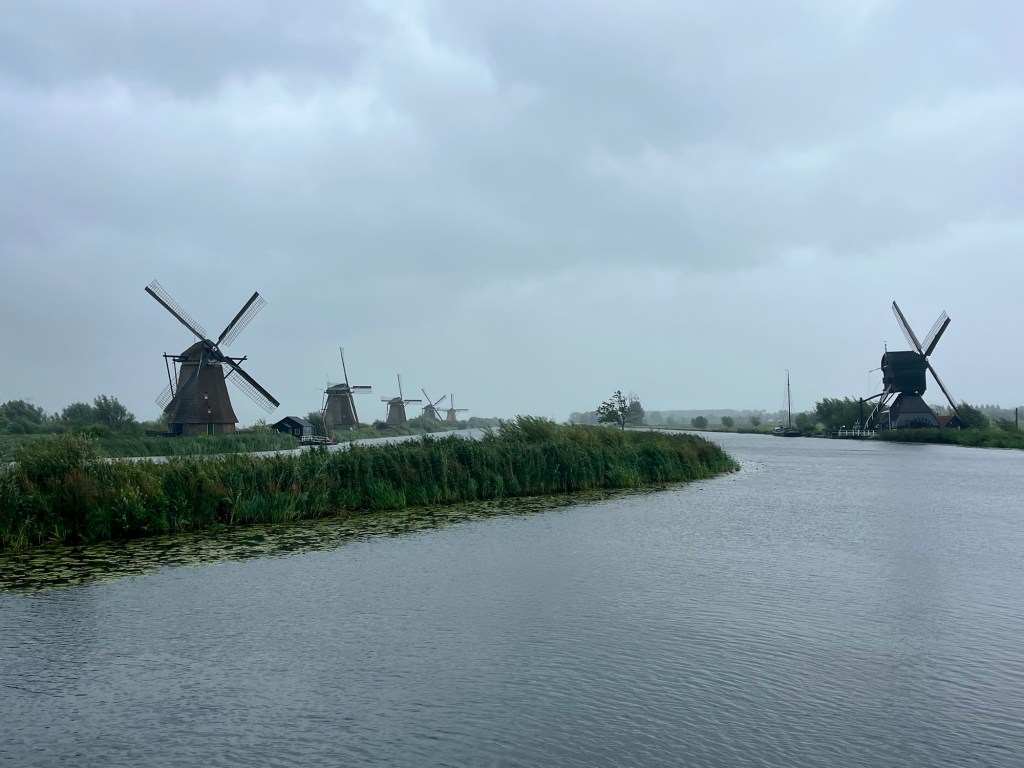
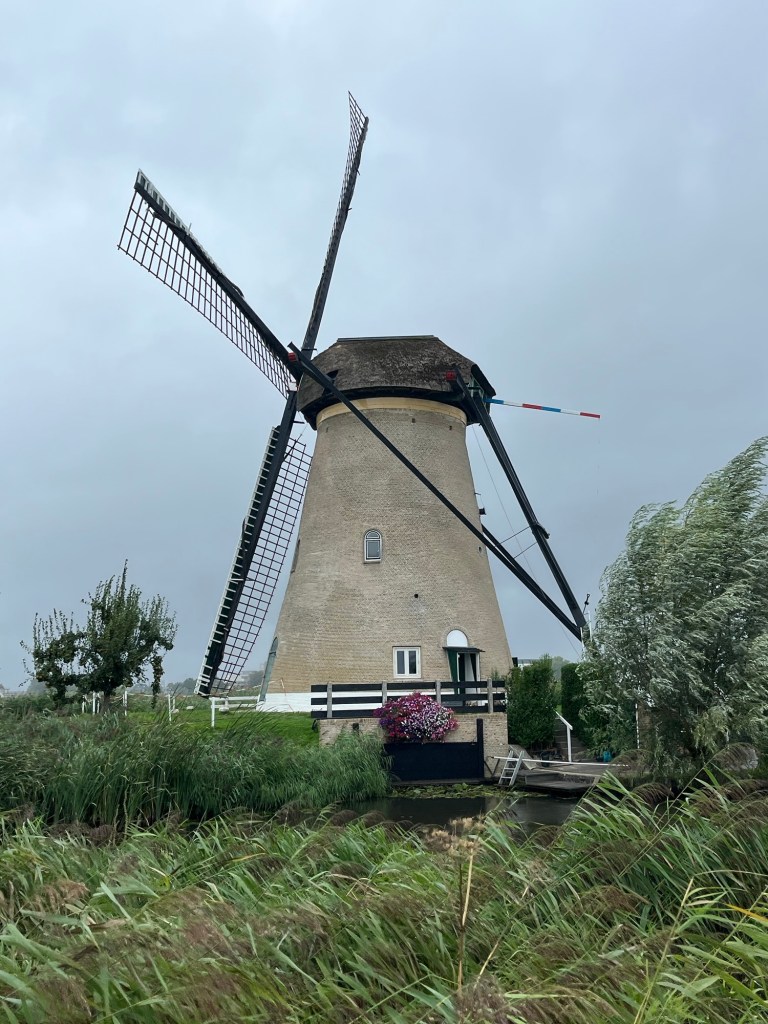
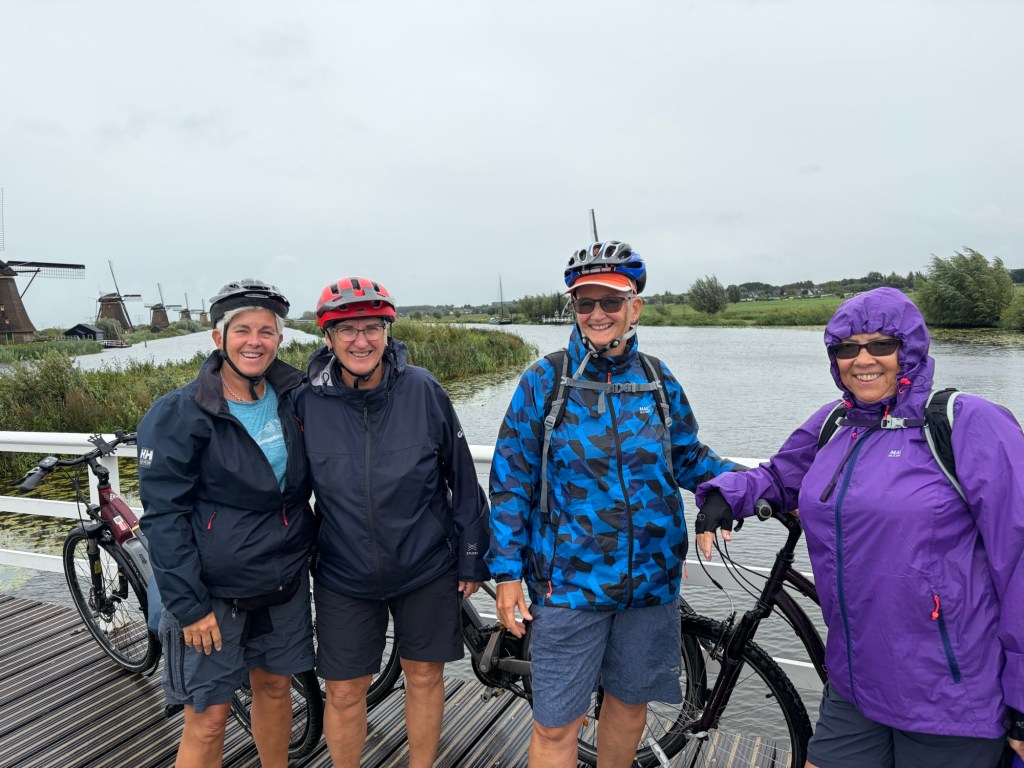
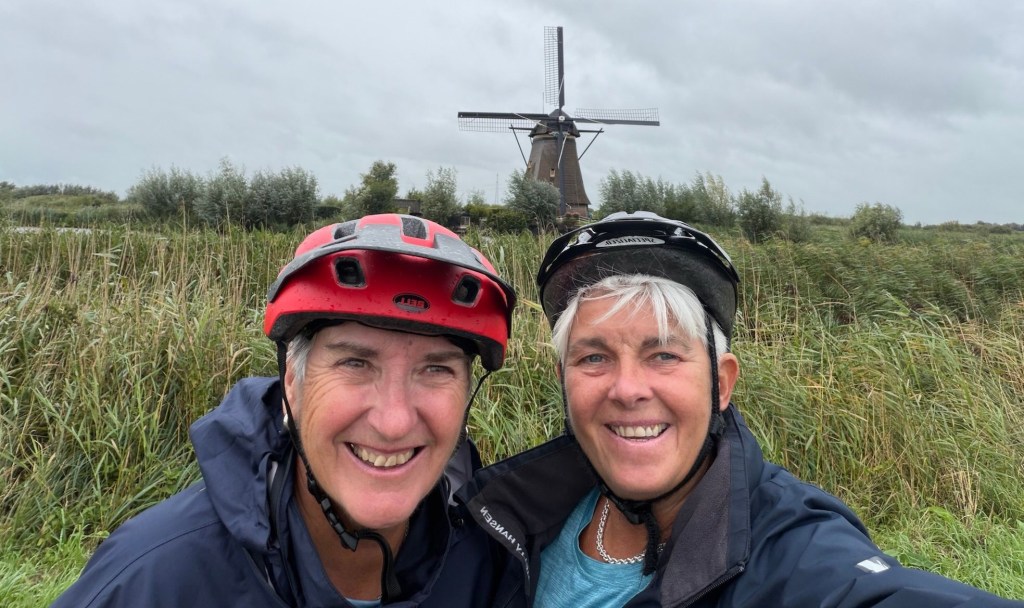
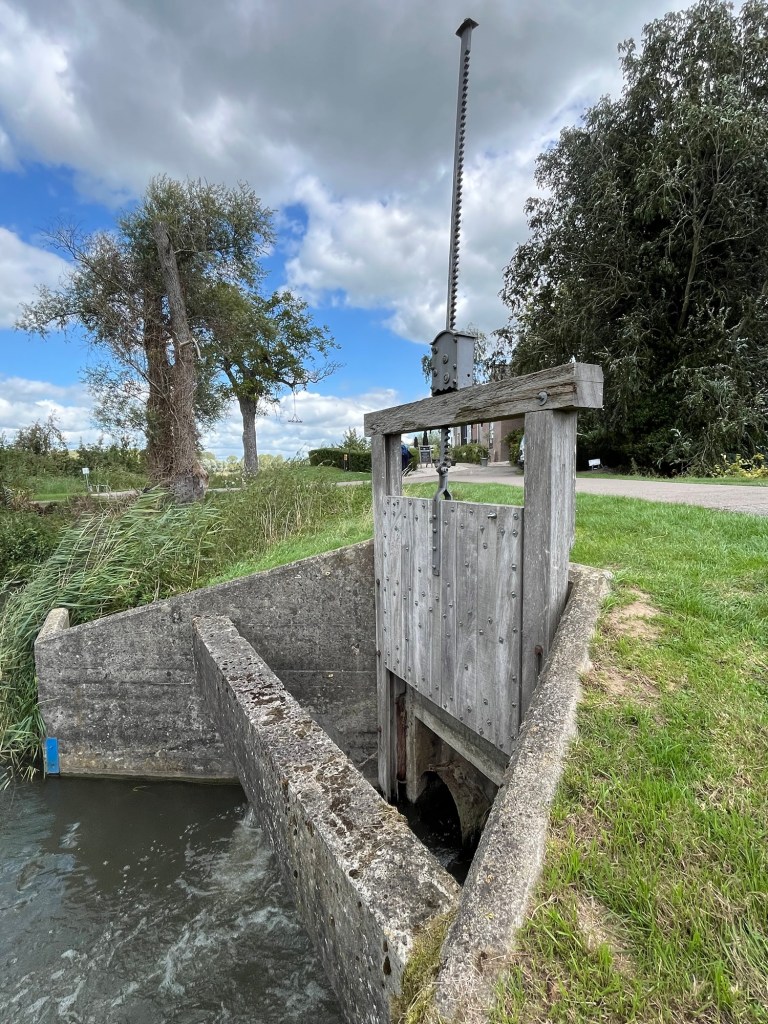
We drove about half an hour to the windmills of Kinderdijk. The car park was about a 30 minute walk from the windmills so we got the bikes out and cycled there in storm force winds. Still, it was easier than walking. The windmills are a series of 19 windmills which were used to keep the area from flooding. Before the great St Elizabeth Day’s Flood of 1170 there were only dykes to keep the river and rainwater at bay. When the flood broke those defences and hundreds lost their lives, they realised they needed a method of drawing the water out, as the land was well below sea level. The first windmill was built in the 17th century and the others around 1740. The name Kinderdijk comes from the legend of a baby girl in a wicker basket being saved from the floods with a cat balancing the basket through the torrential waters.

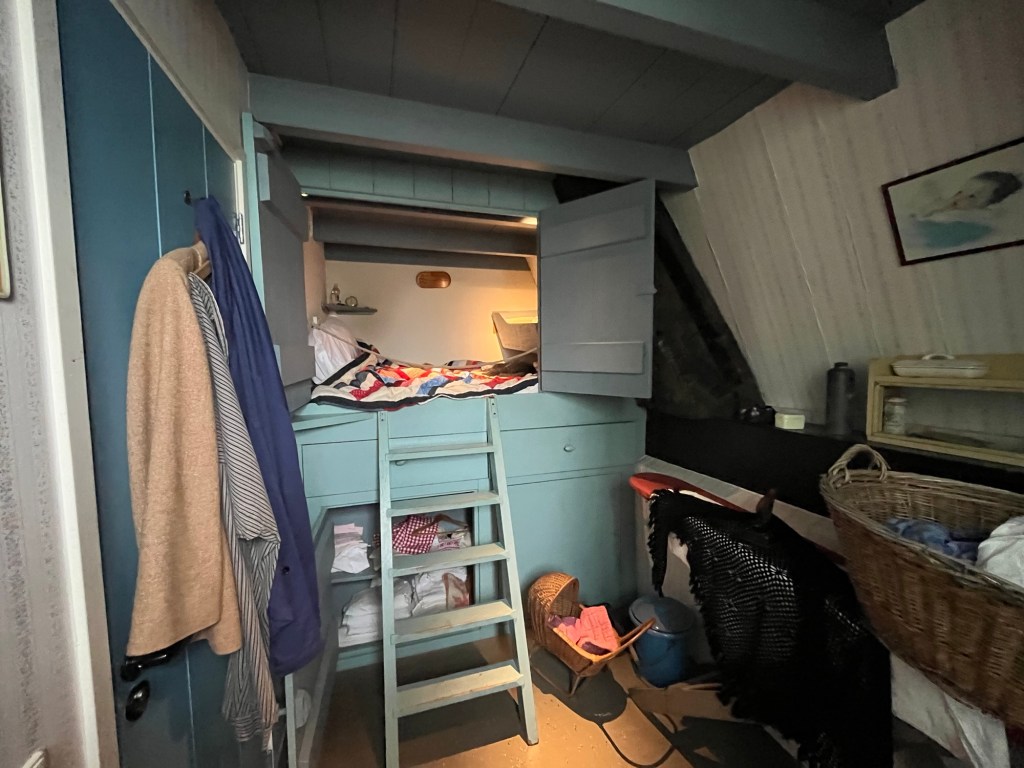
It rained most of the morning so we did all look like drowned rats at times but the windmills were fascinating. All bar three of them are still lived in by millers. To supplement their income, they harvested the reeds as well as the peat.

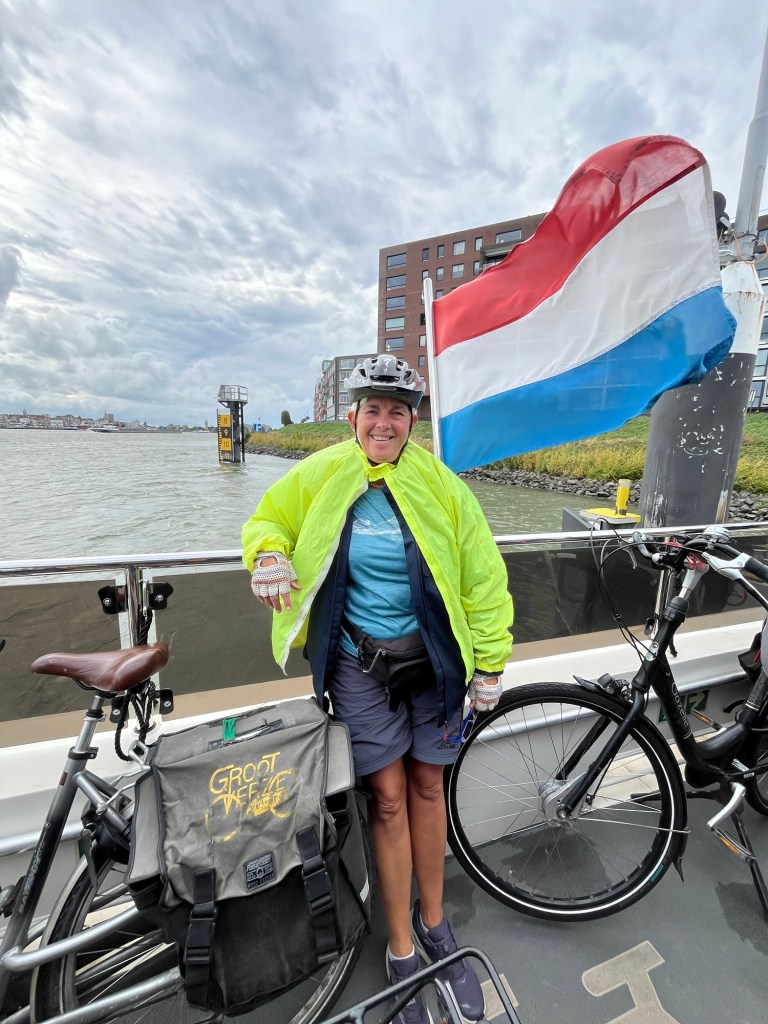
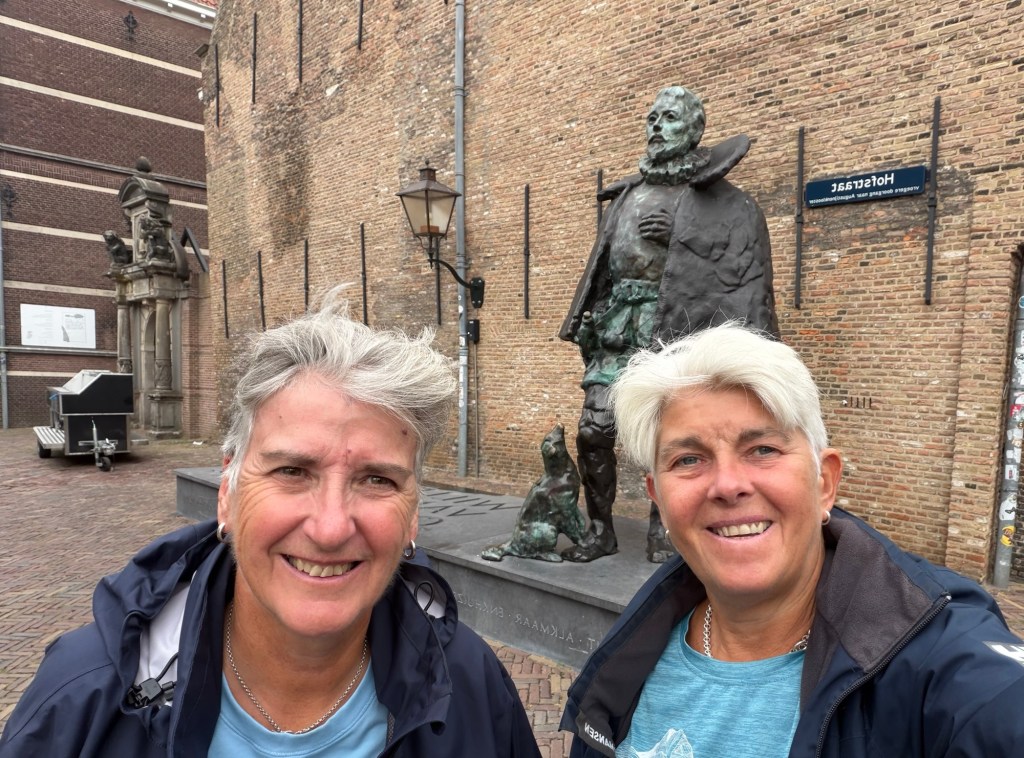
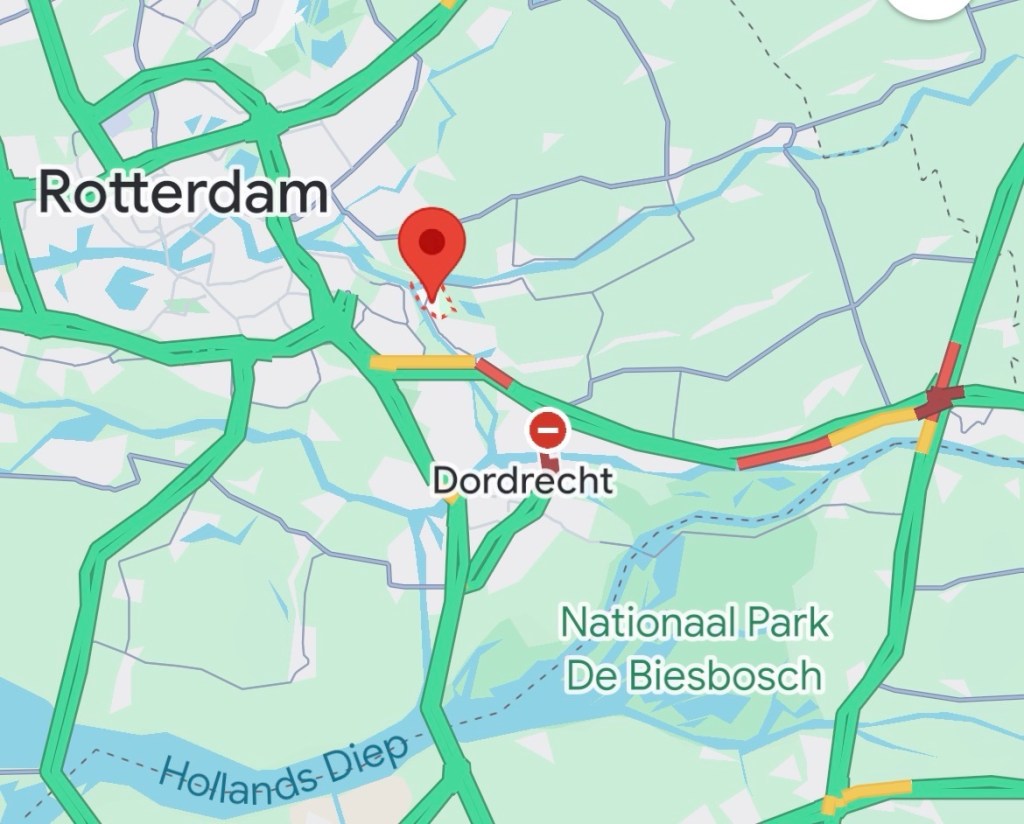
We left the windmills to make our way a few miles towards Dordrecht, the oldest town in the Netherlands. We had found a camperplaats, called Kinderdijk (P4N#385169) where, whilst basic, was perfect for exploring the area. Once sorted, we jumped on our bikes and cycled into Dordrecht about 6 miles away. Part of the journey was by ferry for the princely sum of €4 return and bikes go free! We had a lovely wander around the old part of the town before a quick beer and heading home to supper on board. The statue of William of Orange shows his devoted dog who, according to legend, wasted away after his master’s assassination and was buried with him.

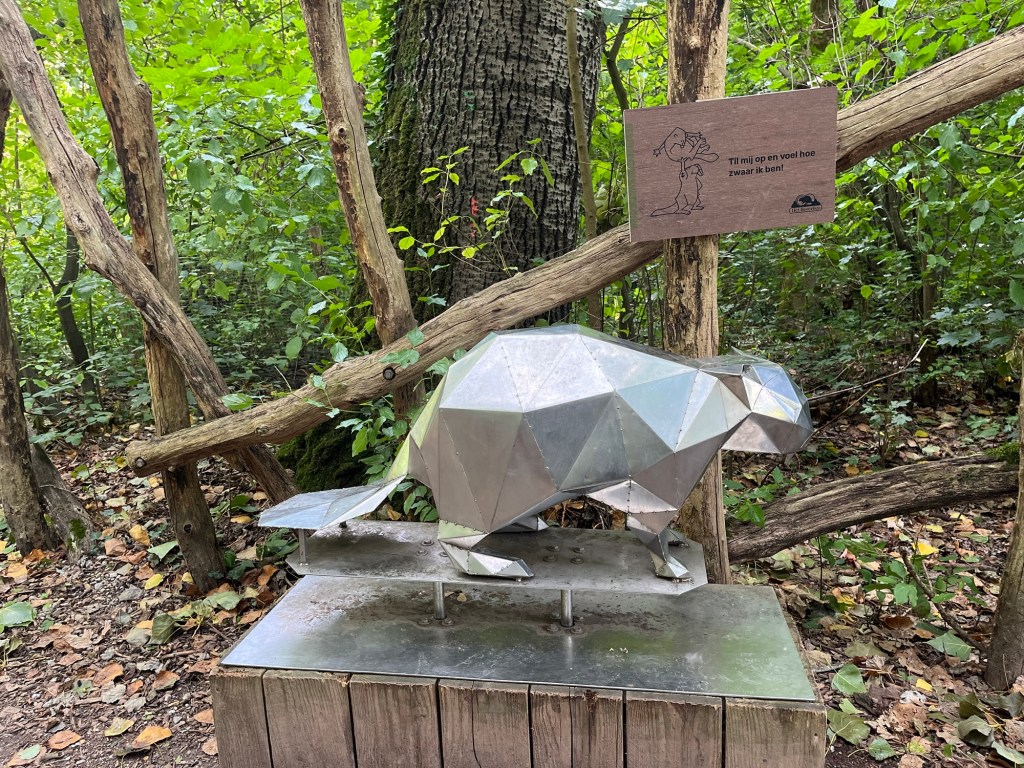
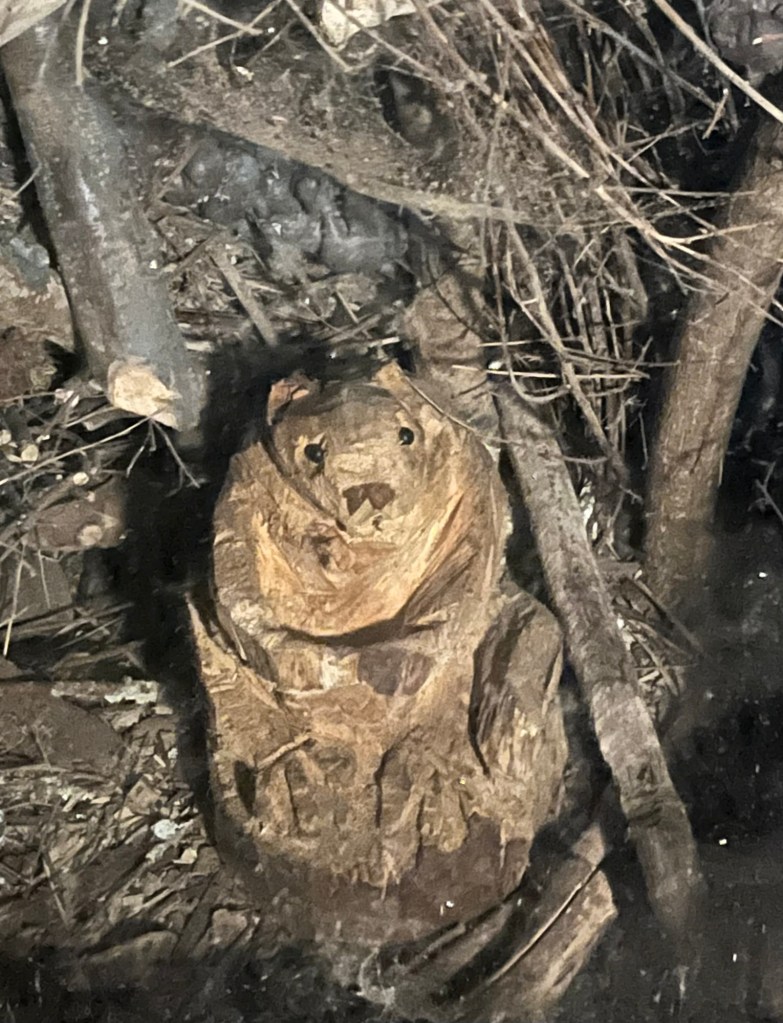
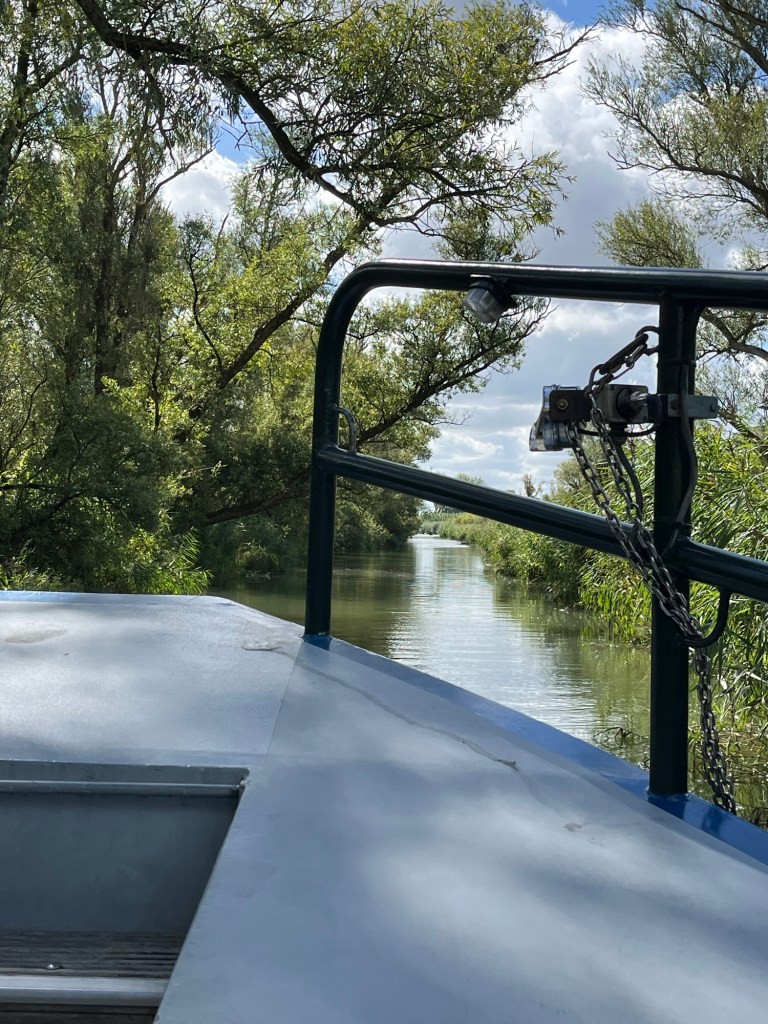
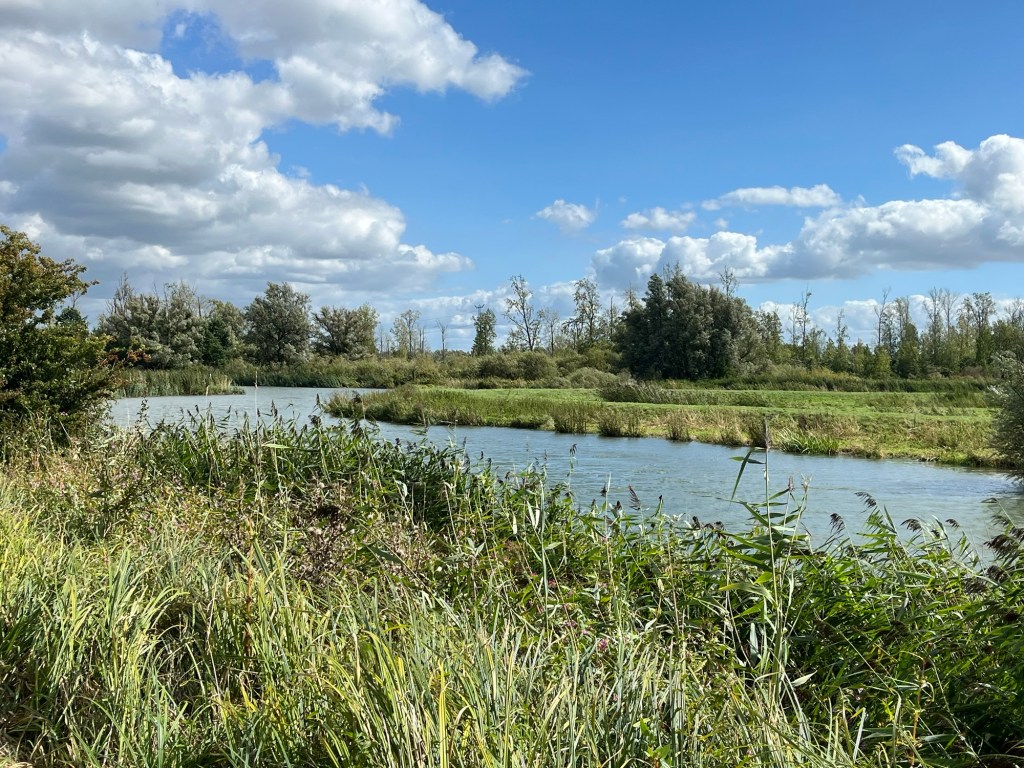
We had booked a river cruise for the Saturday lunchtime at the Biesbosch nature reserve. This is a series of creeks and rivers that make up the wetlands of Biesbosch. The name means forest of reeds as reeds and willow were harvested by hand from there in what must of been back breaking work. The river tour was all in Dutch but luckily Google live translation came to the rescue. Beavers became extinct in the area by the 1900s as they were trapped for their meat and fur. In the 1980s, German beavers from the Ruhr valley were reintroduced and there are now some 500. We didn’t see any on our tour but we did see two sea eagles soaring above us. It was lovely just walking along the paths enjoying the quiet and being with nature.

We departed Biesbosch around 14.45 to drive north to continue our adventures but that’s for the next blog!

Campsite at Kinderdijk marked

Miles this trip: 170

Miles this blog: 54

Delft

We finally managed to leave home around 16.30 on Tuesday, September 1st. We weren’t sure we would even make it away with various family medical emergencies in the previous couple of weeks. However, we did. We drove across to Harwich and parked up at the ferry terminal for the 09.00 crossing the next day. Stena Line kindly allow you to stay overnight by the check in so that you are virtually in the queue when it opens at 07.00. We are travelling with our friends, Maria and Jane, in their Adria Twin so it was an easy way to meet up.

The crossing itself was uneventful but long as it takes 7 hours. The entry into The Netherlands was easy enough as we had already submitted our biometric data back in June when we visited Spain. They just checked our passports and we were on our way. Our first stop was a lovely campsite just outside Delft which we had booked the day before. Camping de Drie Morgen (P4N#196346) was just a few kilometres outside of the town so a perfect spot to explore from.

Camping de Drie Morgen

It seems that in The Netherlands you can’t really wild camp. You can only stopover where they explicitly say it is allowed. Consequently, I think that we will be on recognised sites and aires for our two weeks here. It’s not that much of a hardship although you don’t tend to get the same views you can find wild camping. However, what they have invested in is zillions of bike paths. Everywhere. So far, we have only had to be on a road, a minor one at that, for about 5 minutes. Wonderful and the traffic stops for cyclists at roadabouts and most junctions.

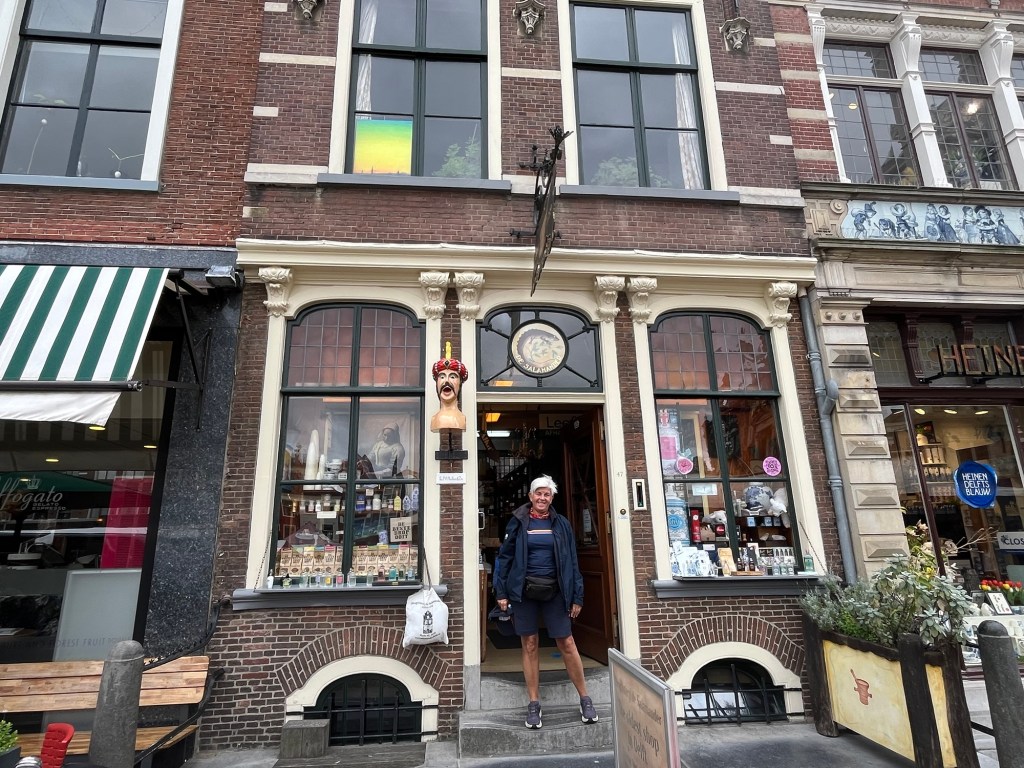
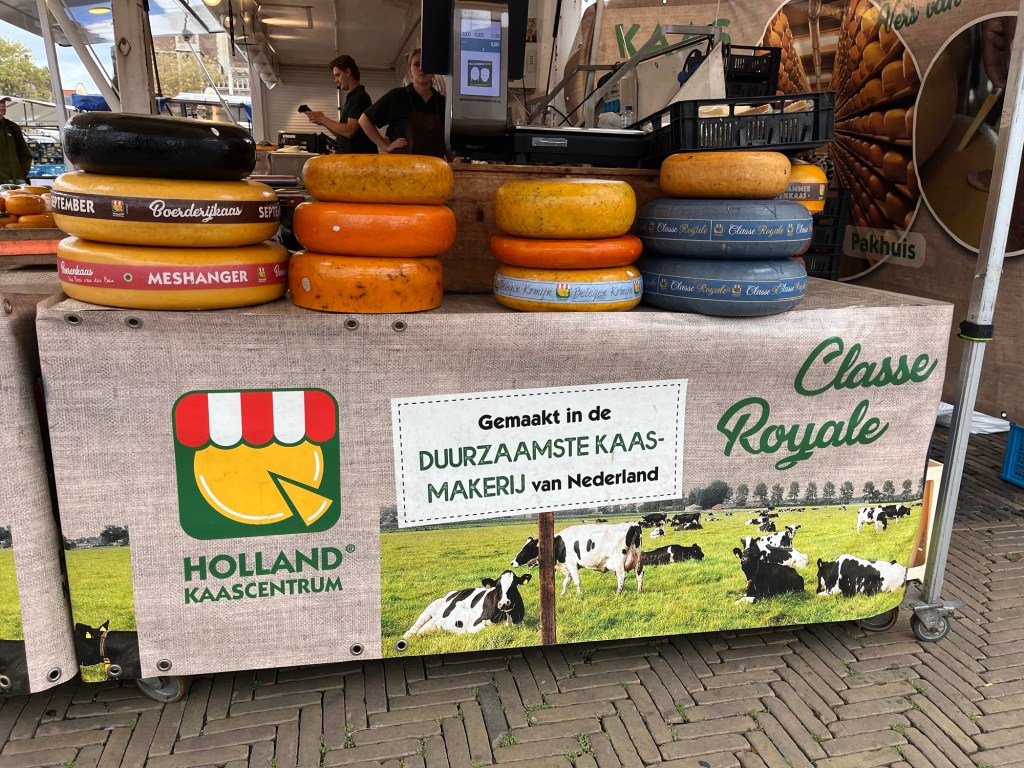
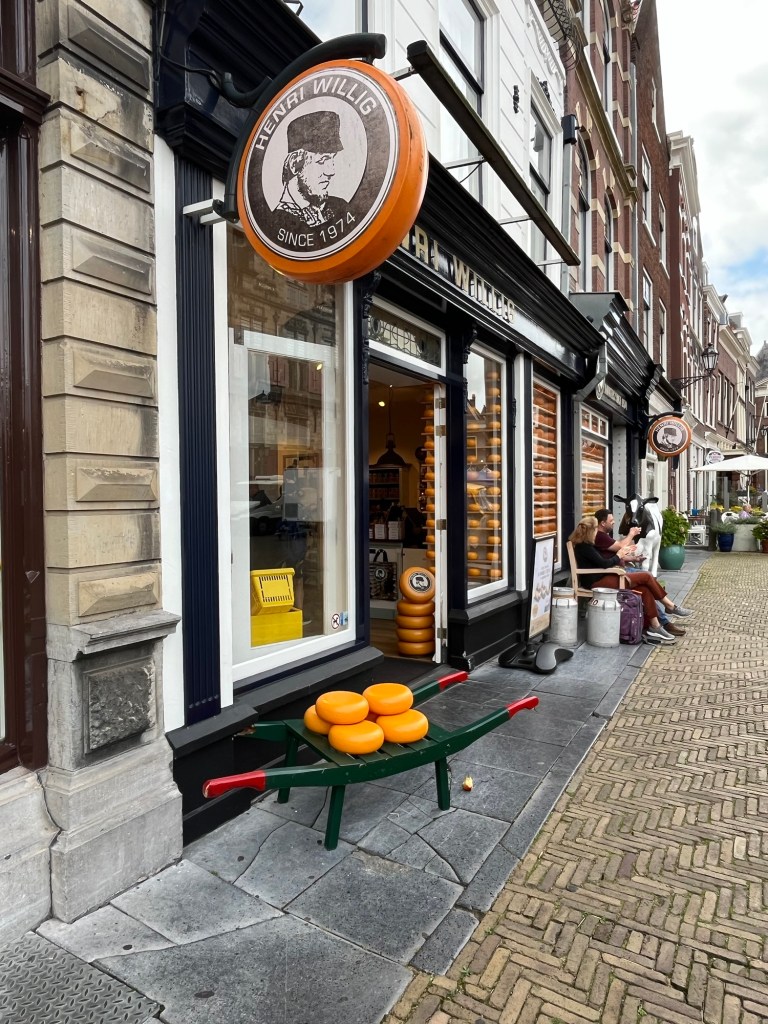
Anyway, back to Delft. It would have been a 30 minute cycle into Delft and the weather had been atrocious overnight and during the morning. We had booked a walking tour for 13.00 so we all chickened out and caught an Uber taxi into town late morning. There was a lovely market in the main square so we stocked up on fresh vegetables, a cooked chicken and, of course, cheese! We even found the oldest shop in Delft (1782) which is a chemist and it sold salted liquorice by the kilo!

De Salamander chemist

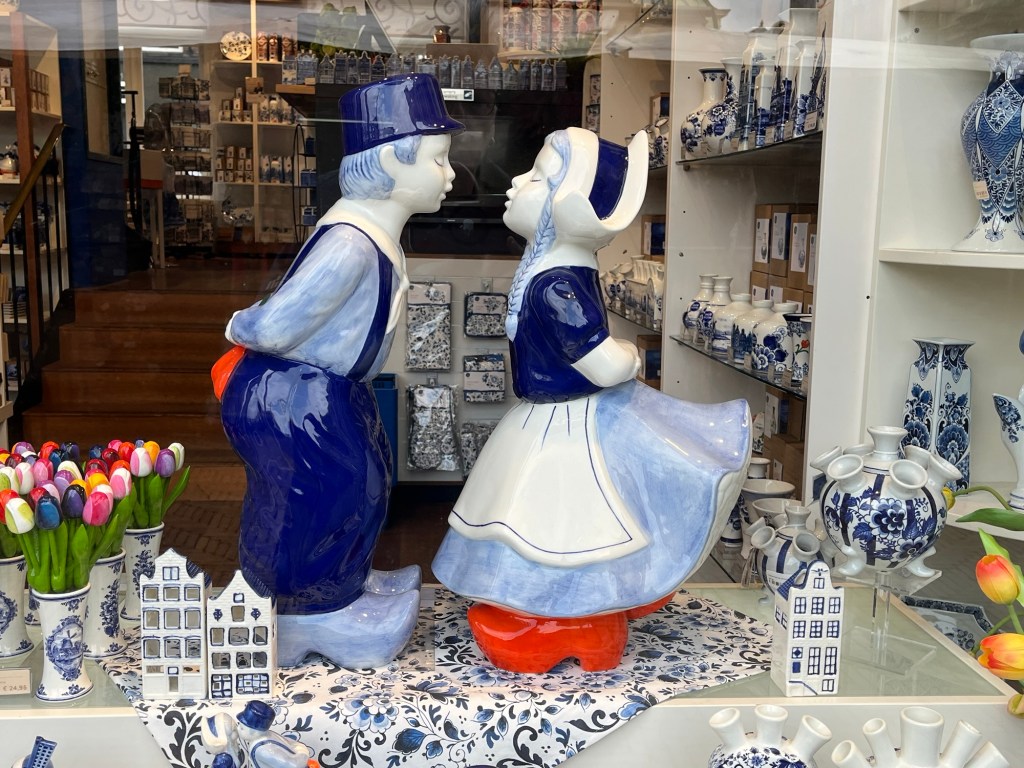
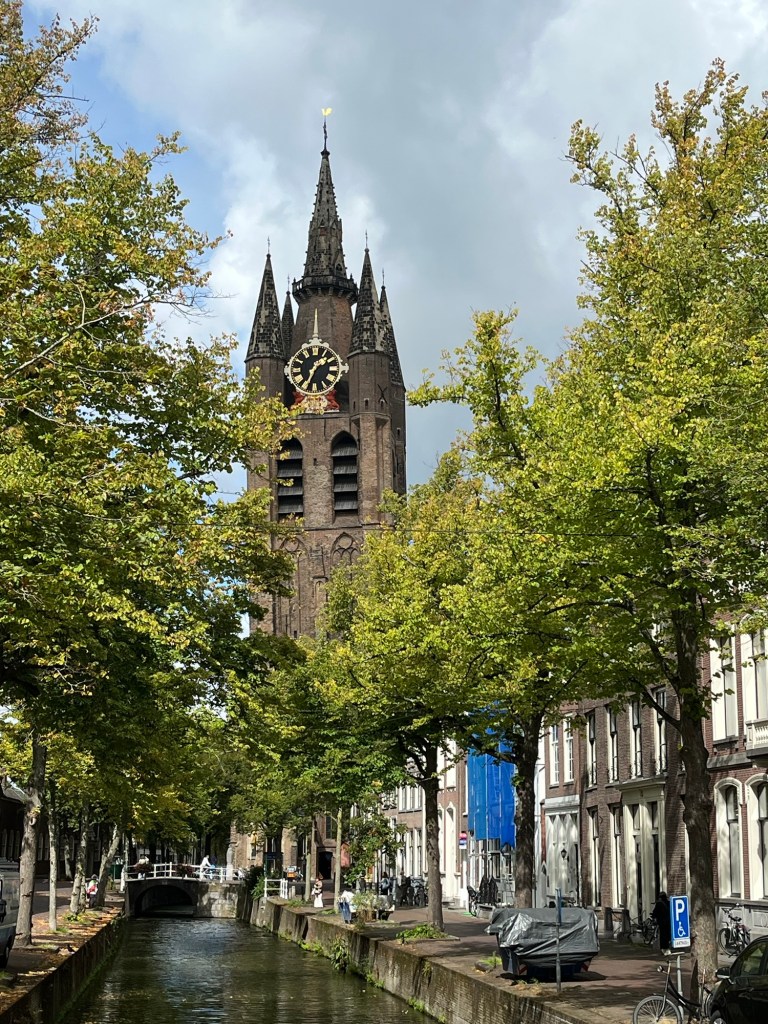
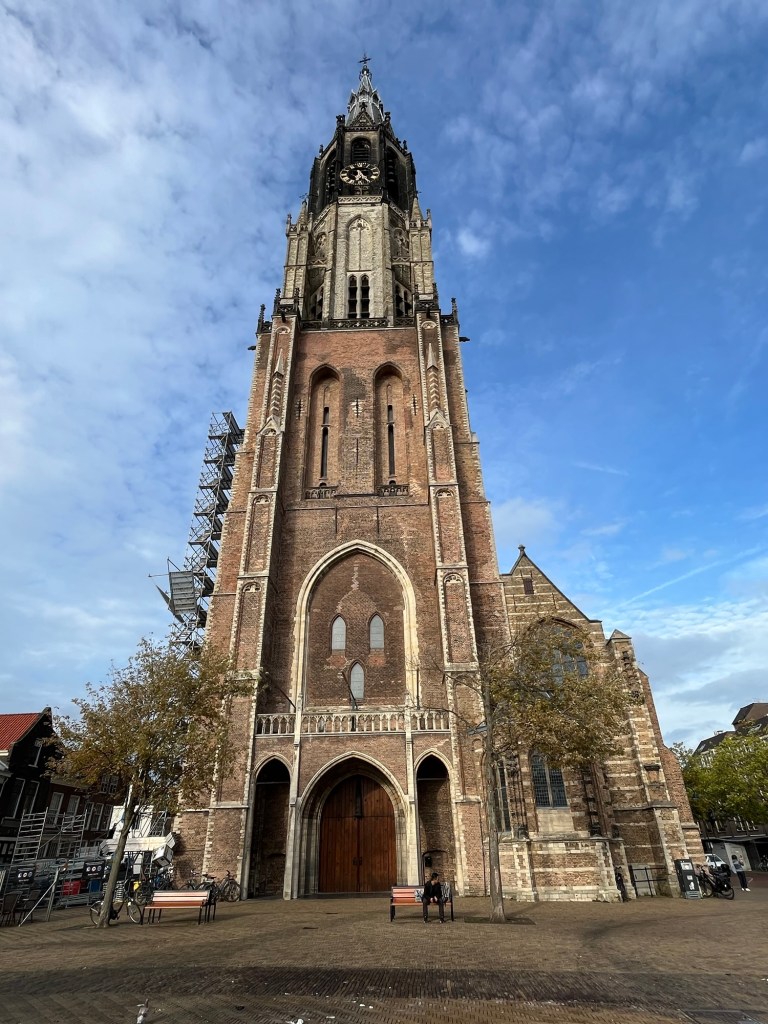
The walking tour by a lovely woman called Astrid was highly informative covering both the famous ceramics as well as the murder of William of Orange (father of the nation) in 1584 during the 80 years war with Spain to gain their independence. The town has two churches, the new one built in 1381, with imposing spires although the Oude Kerk is definitely at a jaunty angle. Delft is also famous as the birthplace of Johannes Vermeer but sadly the painting of the Girl with the Pearl Earring is on loan at the moment.

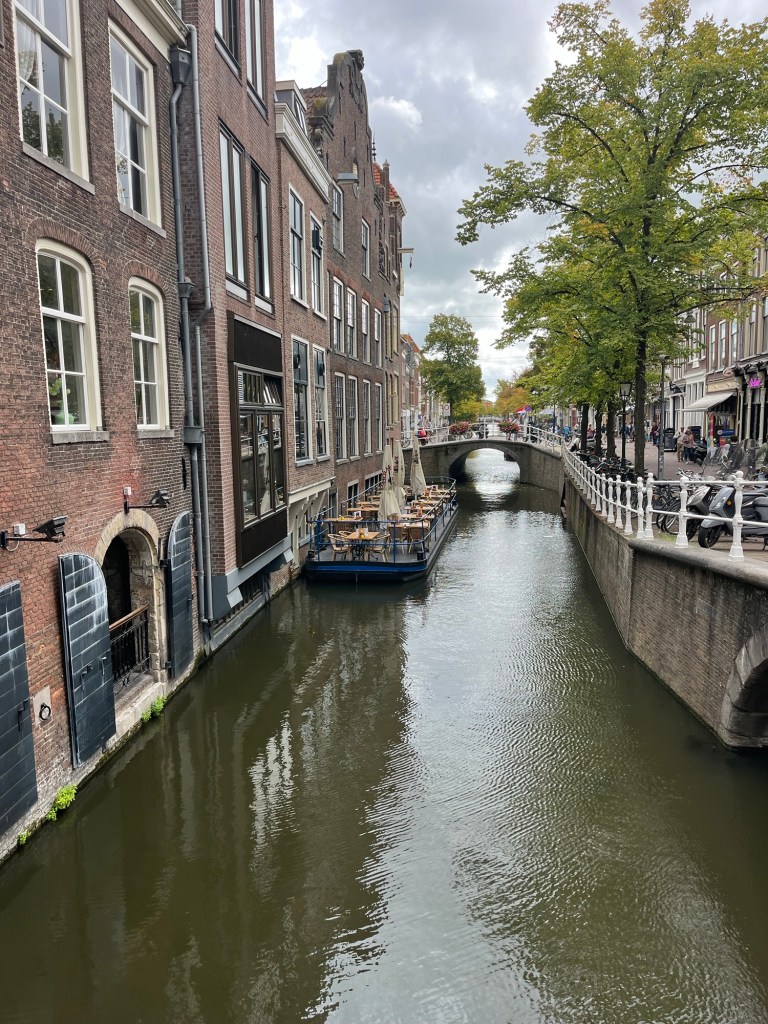
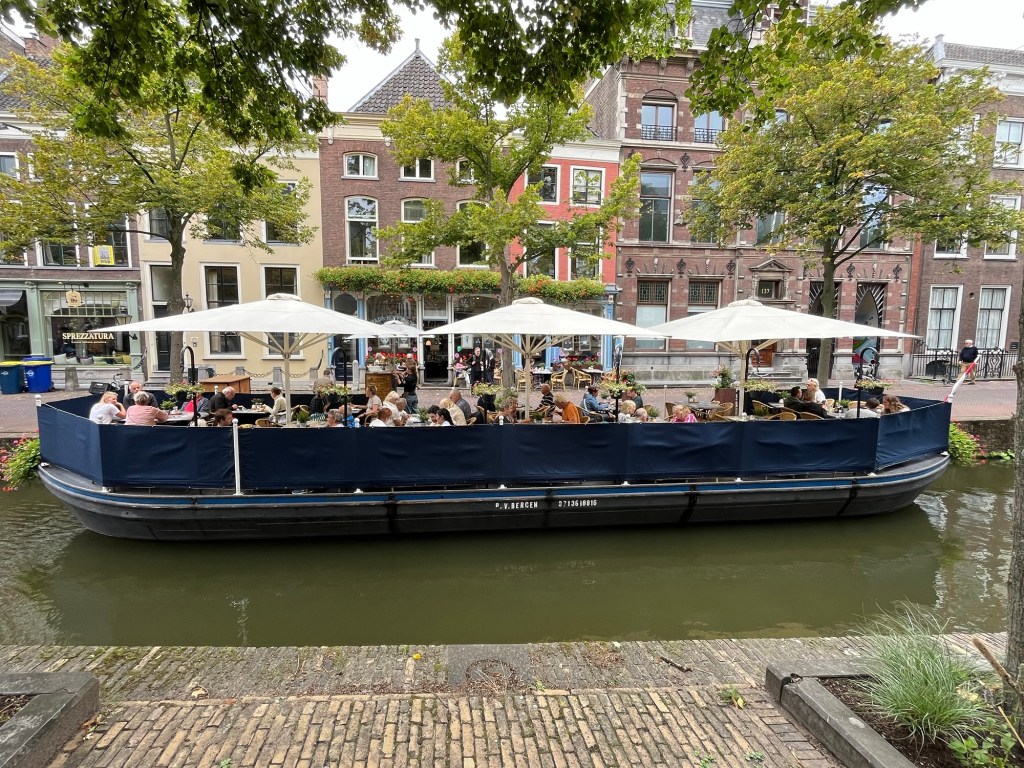
After the tour we needed a beer or two at the local microbrewery, naturally, before having an early dinner at a canal-side restaurant. Apparently, there were over 200 breweries in the 16th and 17th centuries when the water was unfit to drink. Back to the vans and a relatively early night as we wanted an early start in the morning.

Miles this trip: 116