Dali Triangle

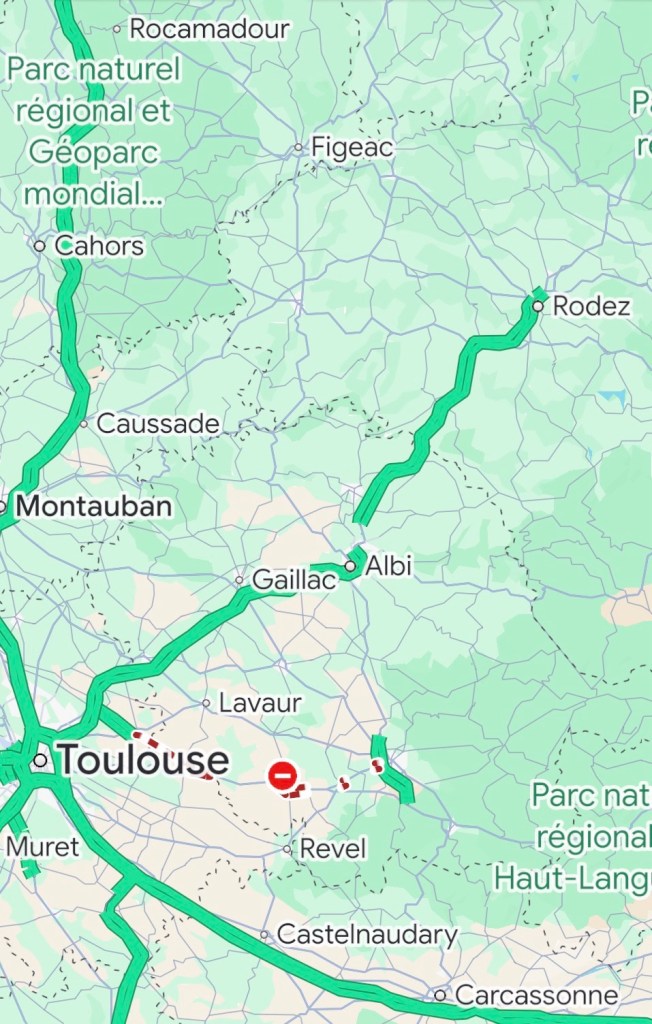
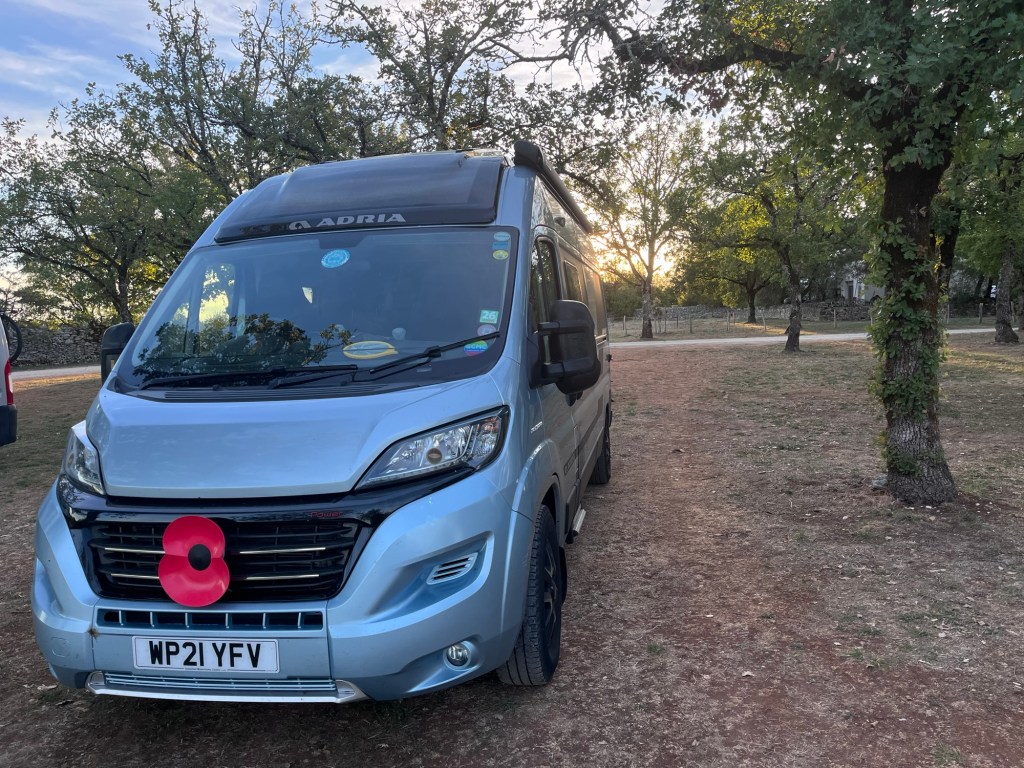
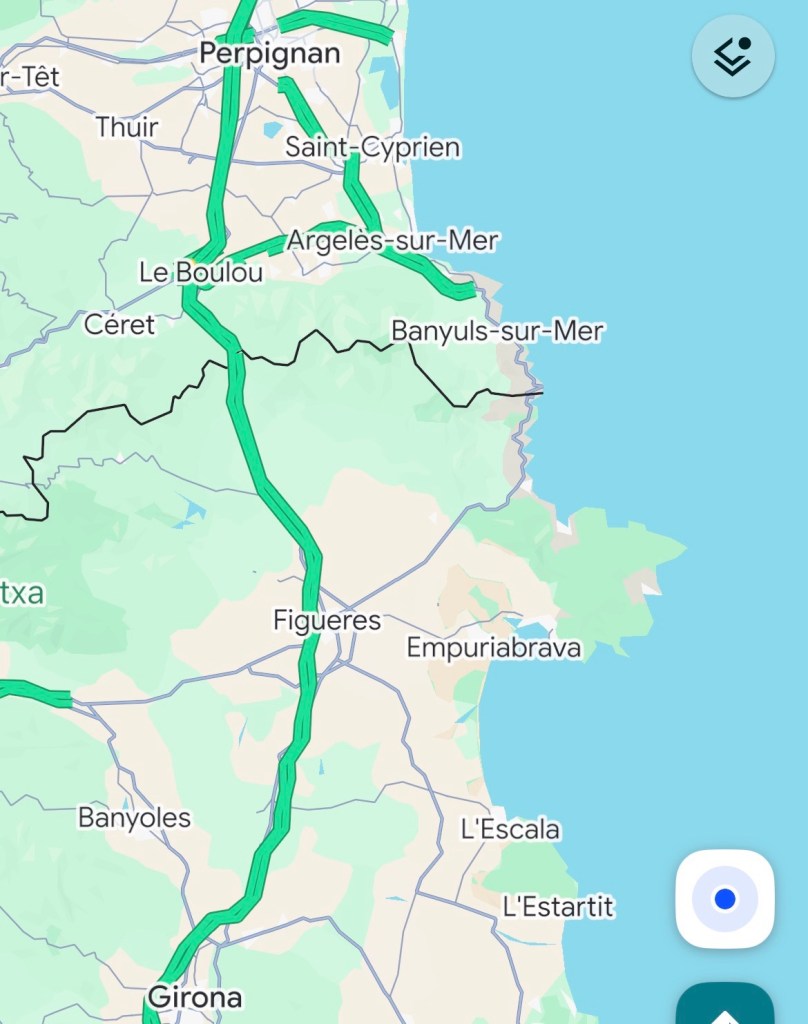
We left our aire in Carcassonne on Friday, September 25 at 10.30 to drive the 120 miles to our next stop near Figueres in Spain. This should have been a simple enough task even though it would take three hours as we object to paying the French tolls. The campsite we were heading for was set in an olive grove with 9,000 organic chickens. They shut for lunch between 14.30 and 16.00 so leaving ourselves four hours should have been plenty of time.

We needed to do a shop and the only decent supermarkets we found were hyper markets that took ten minutes to find the entrance in the shopping centre let alone find our way around the store. Next, we wanted to get more diesel but in France it is astronomically expensive at around €2.40 per litre. However, we had found one provider, Total Energies, who had capped the price at €2.25 so we were on the hunt to find one that still had some fuel left. We found one near Lezignan but the queues were long. We decided it shouldn’t take too much time as there were several pumps. What we hadn’t reckoned on was the fact that everyone had to prepay for fuel before filling up and then go and get their receipt before driving off. It took the best part of 30 minutes! To add insult to injury, we found more Total garages en route with no queue and that fuel in Spain was much cheaper anyway! To be fair, we needed some fuel to get there but certainly not a full tank. Consequently, we didn’t arrive until 14.45 but our friends, Sue and Sheila had already checked us in.
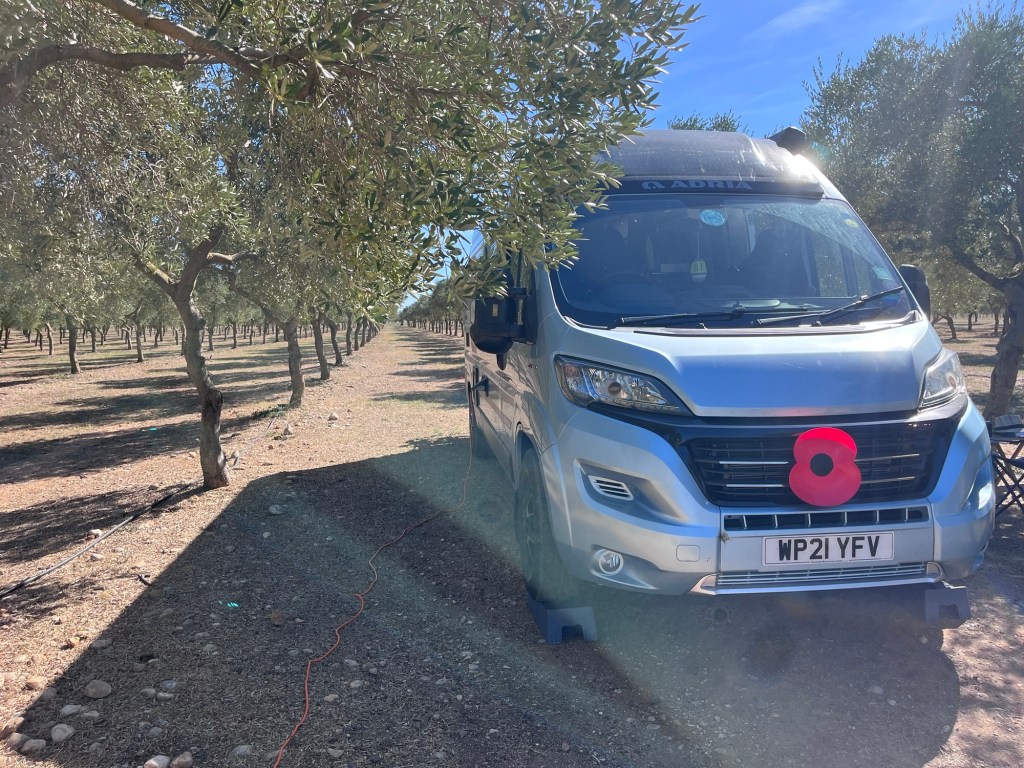
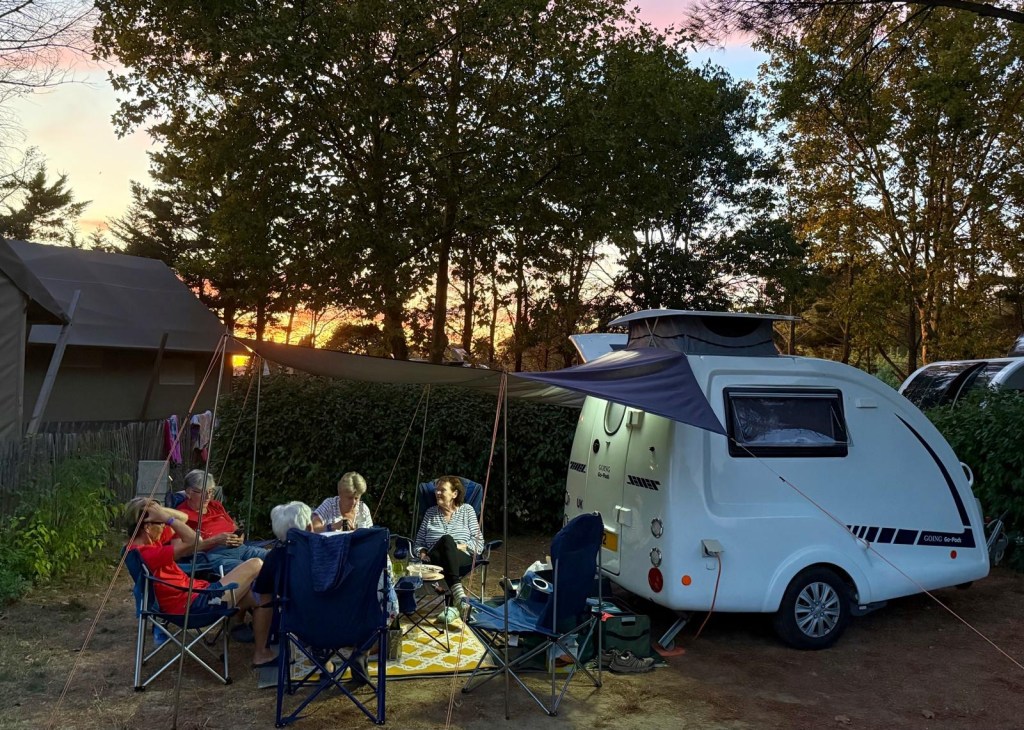
The campsite was delightful, nestled amongst the olive groves with only the farm animal noises. We spent a very lazy afternoon in hammocks chilling and watching the world go by before a pasta and pesto dinner al fresco.
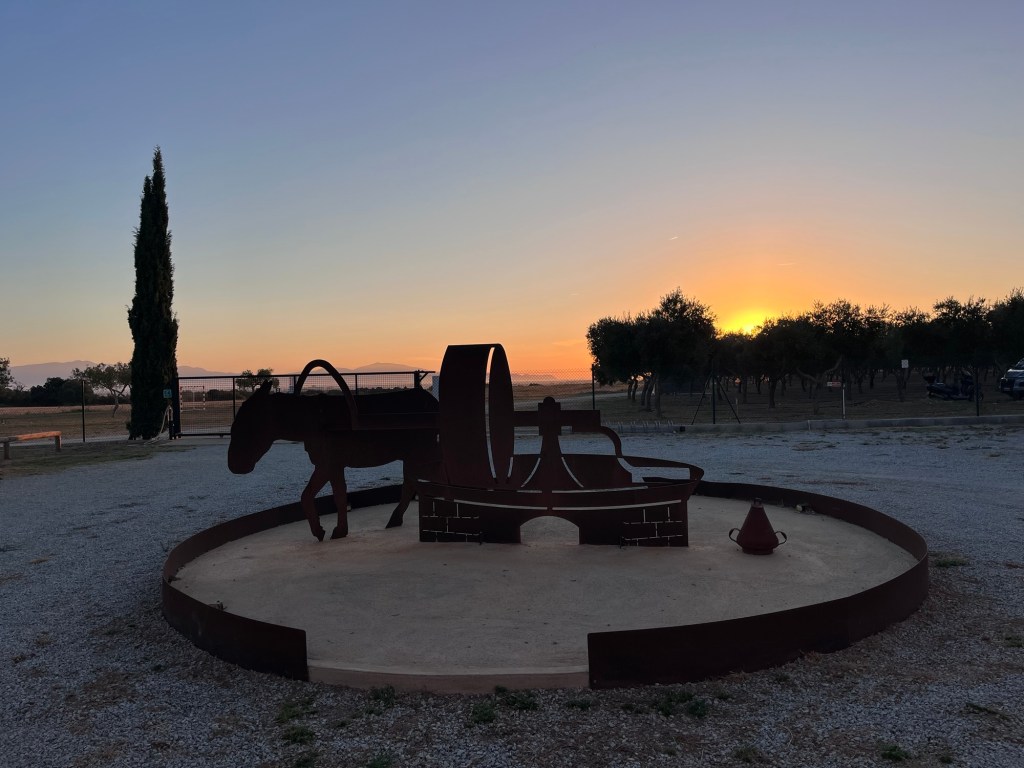
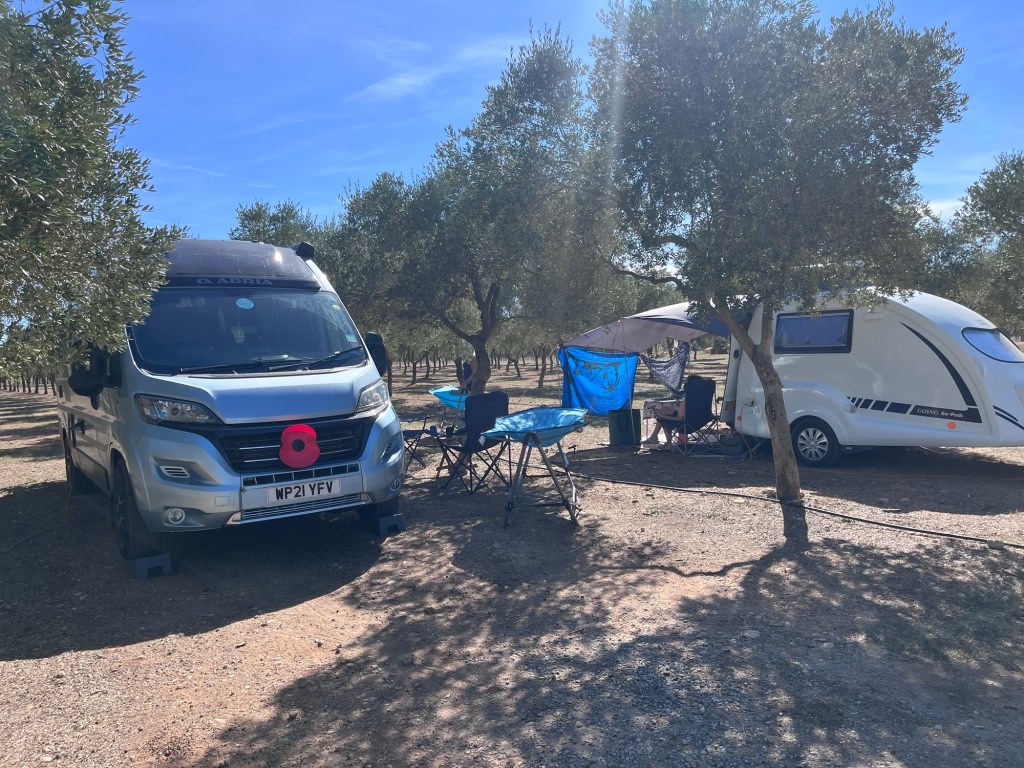
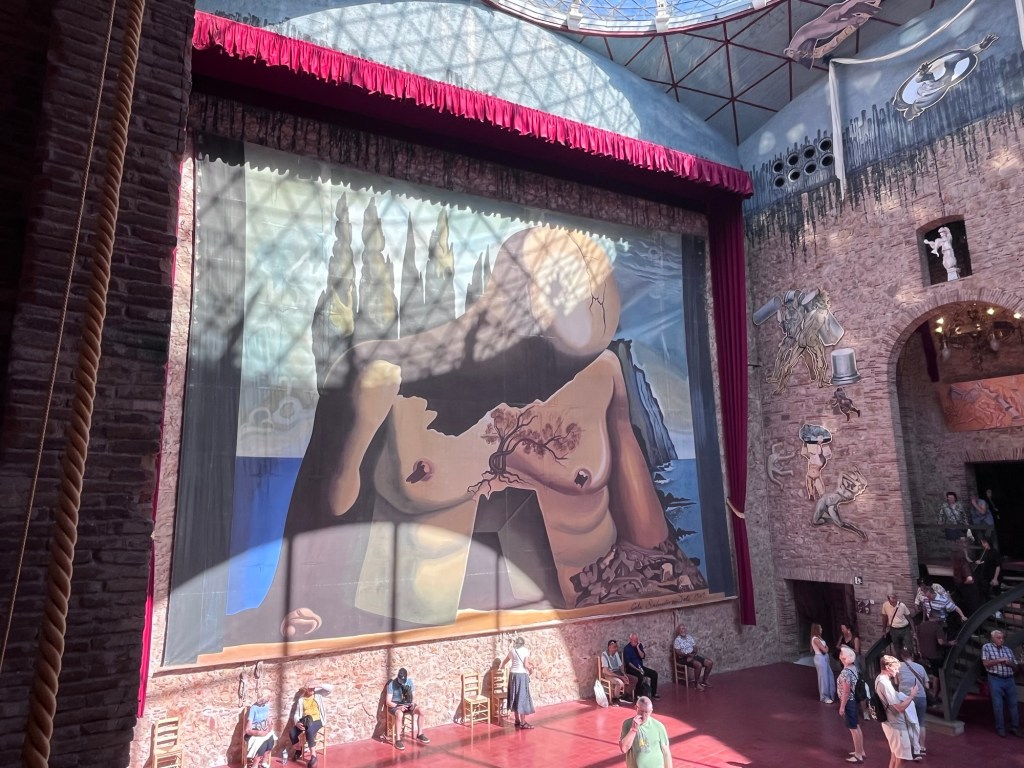
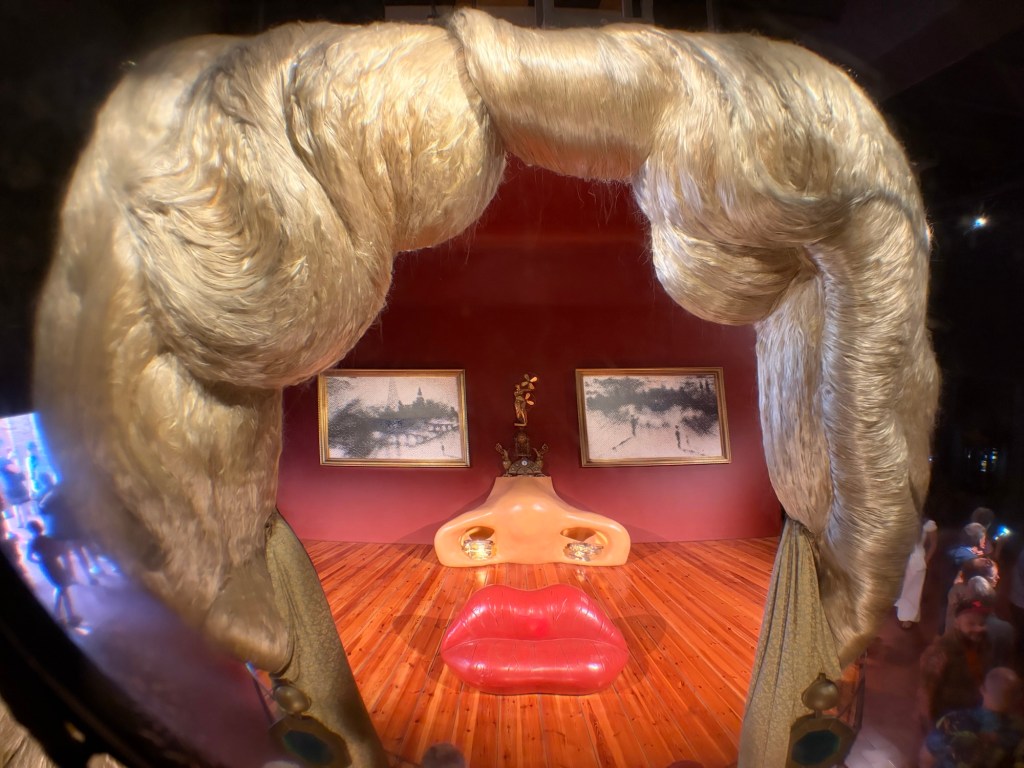
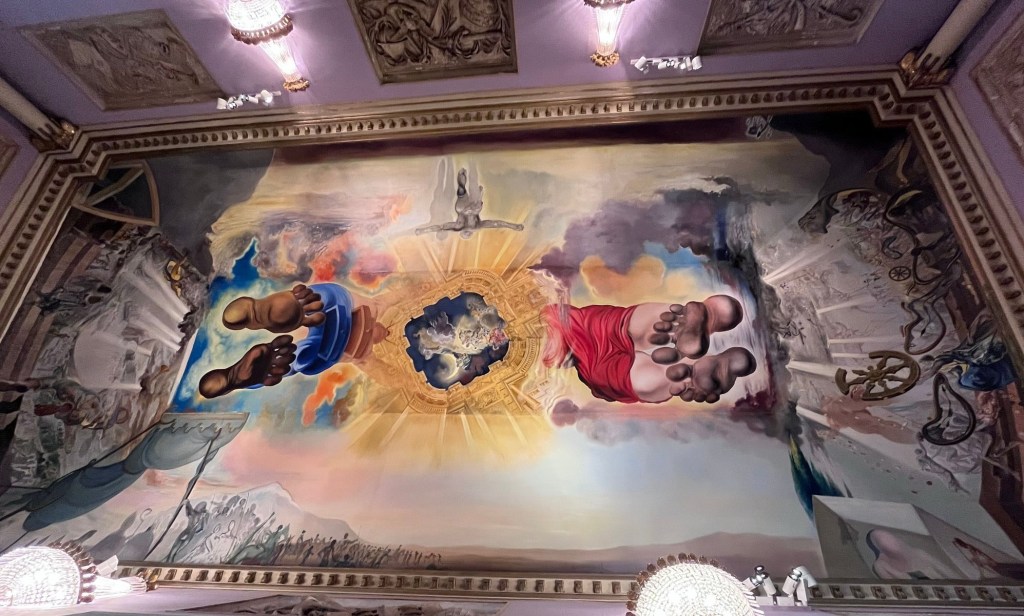
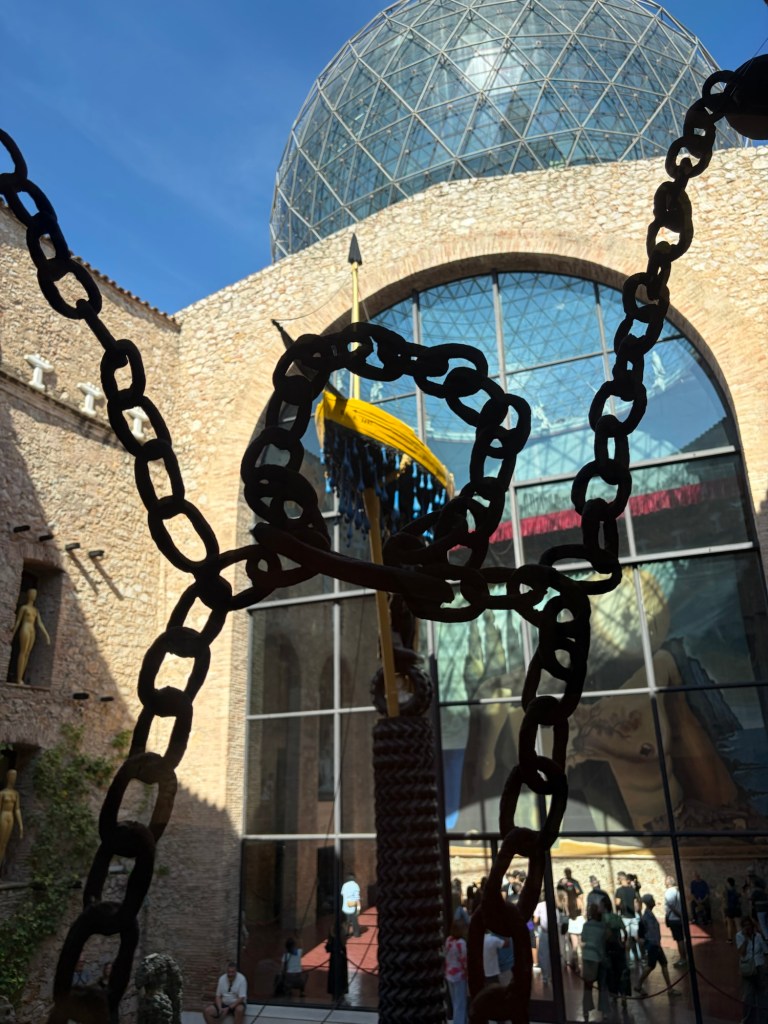
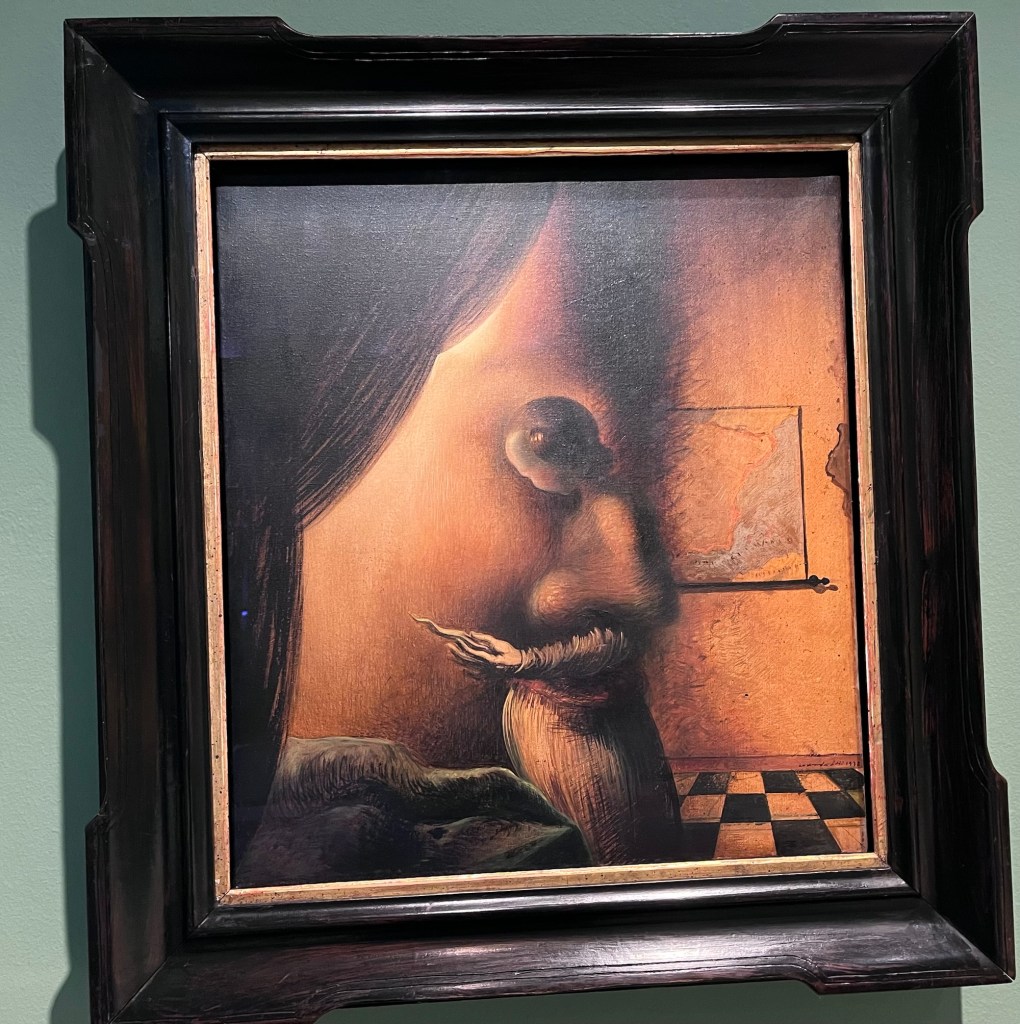
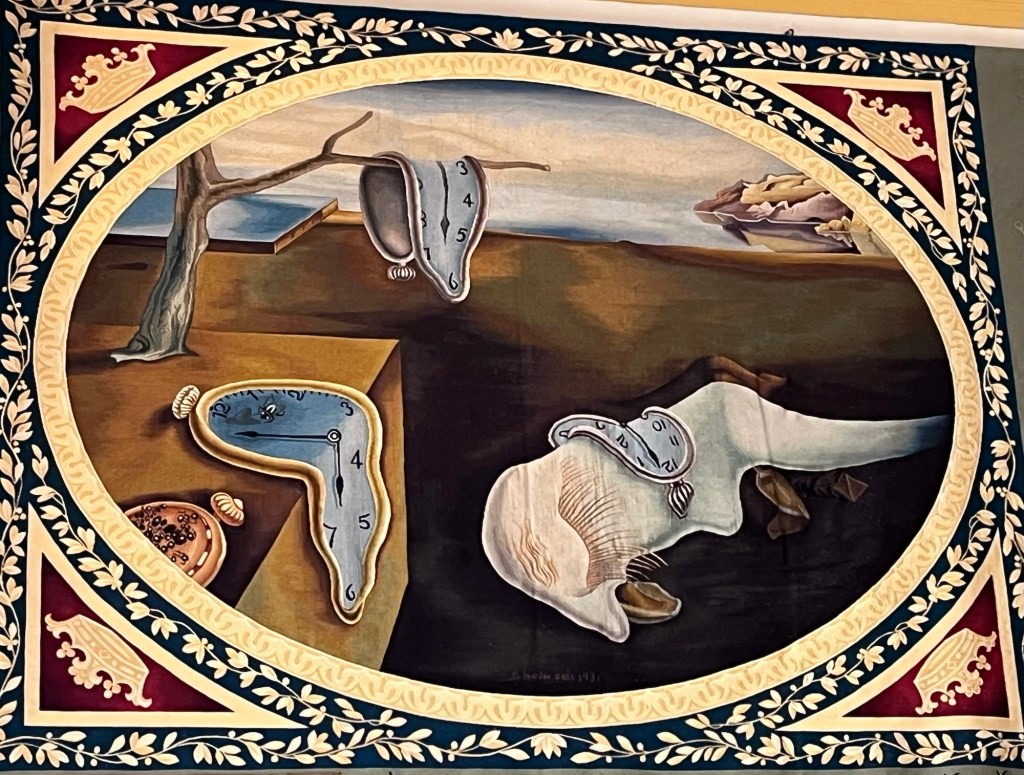
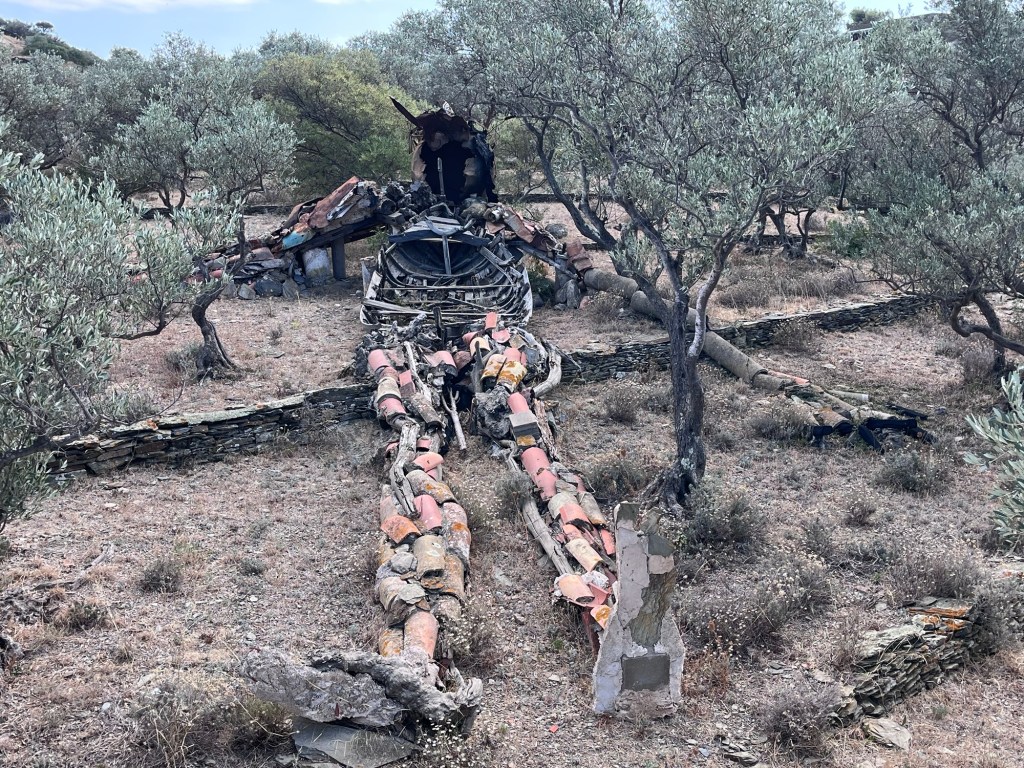
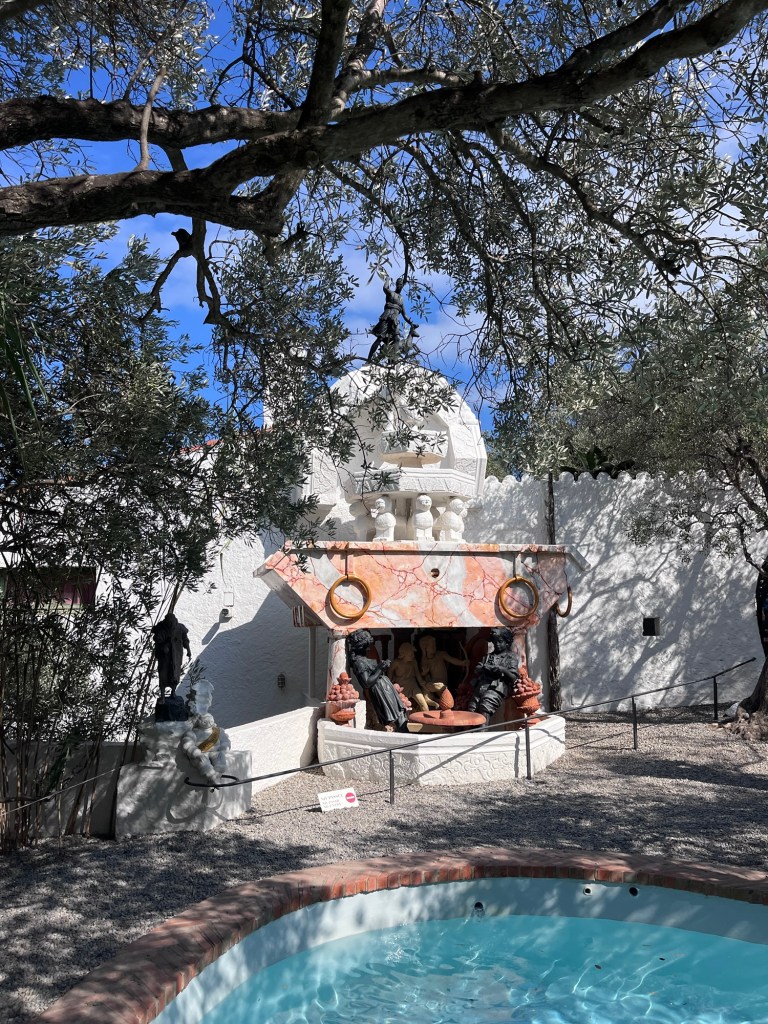
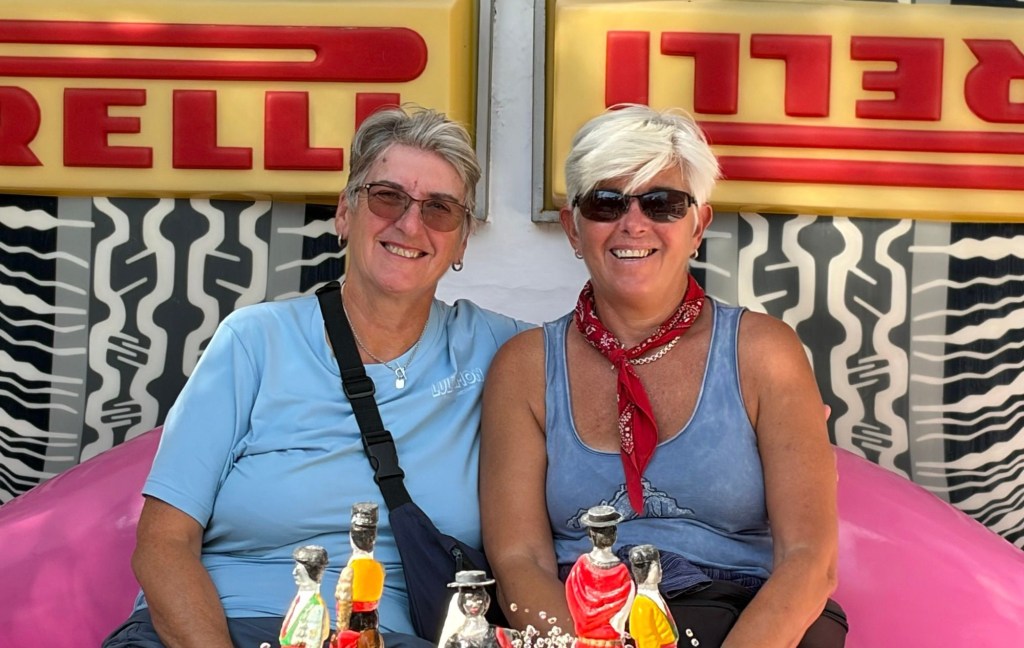
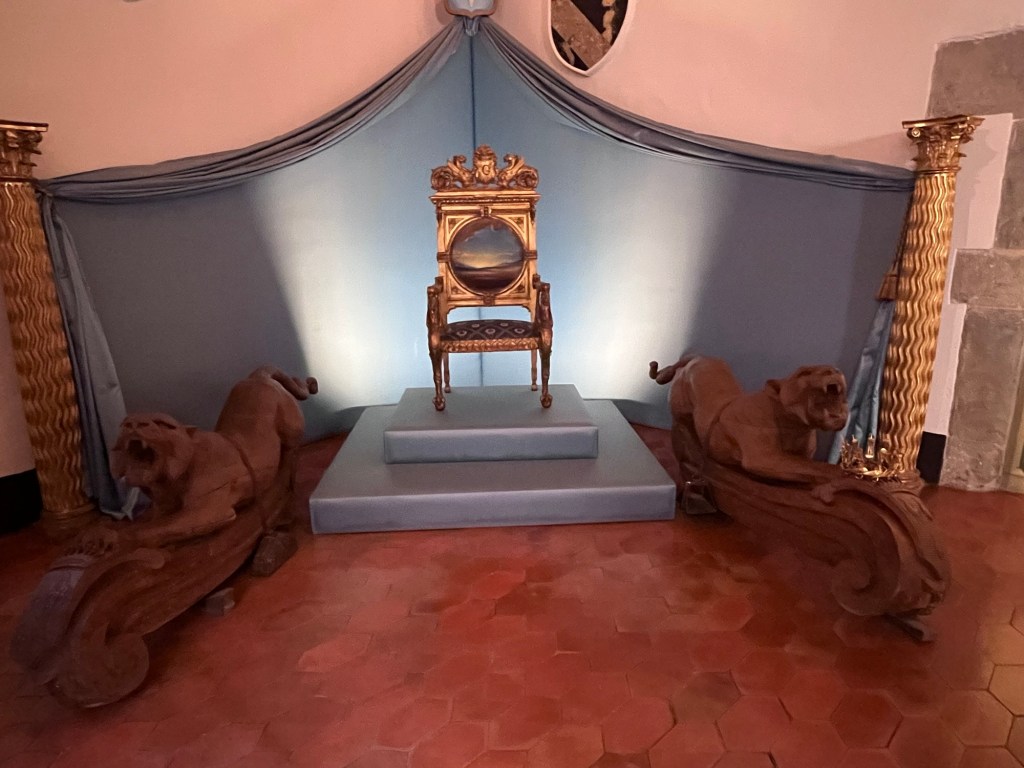
The reason we had chosen Agricola Siurana (P4N#385095) was the fact that a) it was an olive farm and b) only 20 minutes from Figueres and the Dali Theatre Museum. So, Saturday morning we left the campsite around 10.00 to get to the museum on plenty of time for our timed entry. As Sheila and Sue have a Go Pod (think very small caravan) we were able to have the luxury of being in a car! The museum was interesting and confusing at the same time. There wasn’t much in the way of information unless you’d prebooked a guide so it was fairly chaotic.
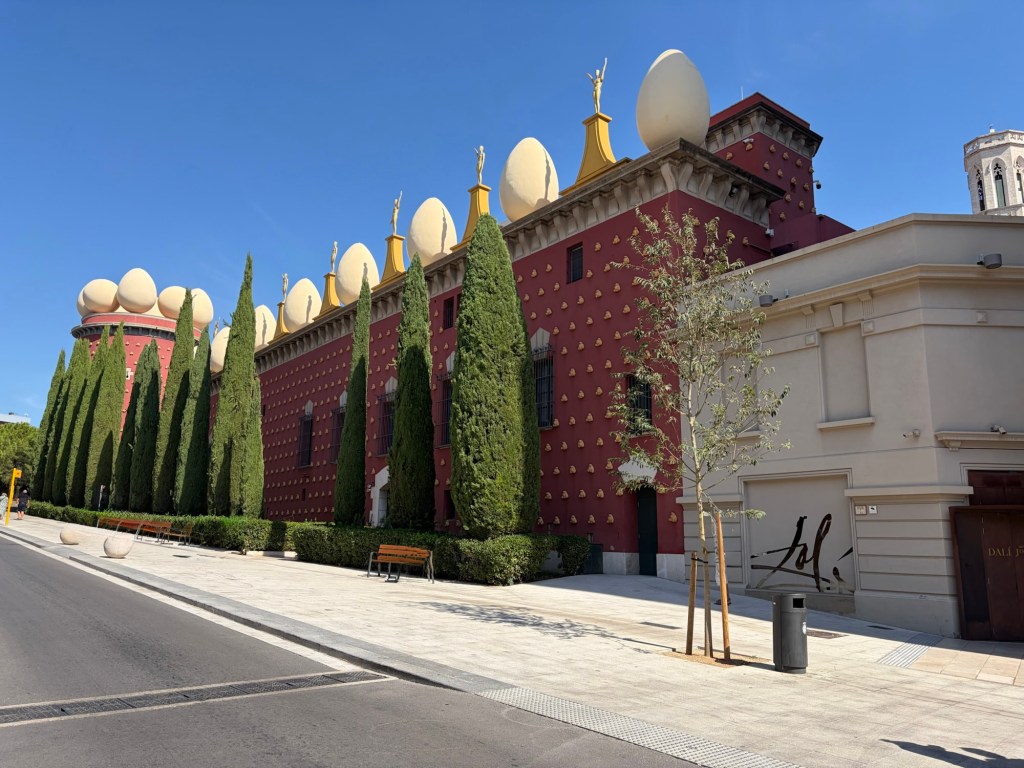
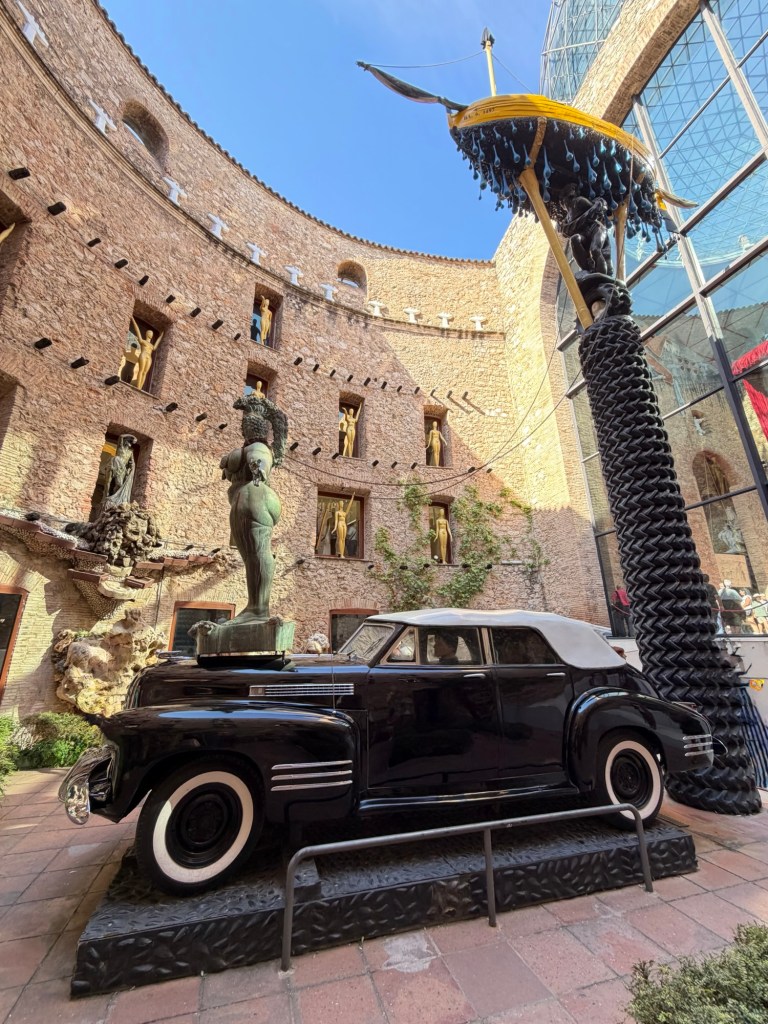
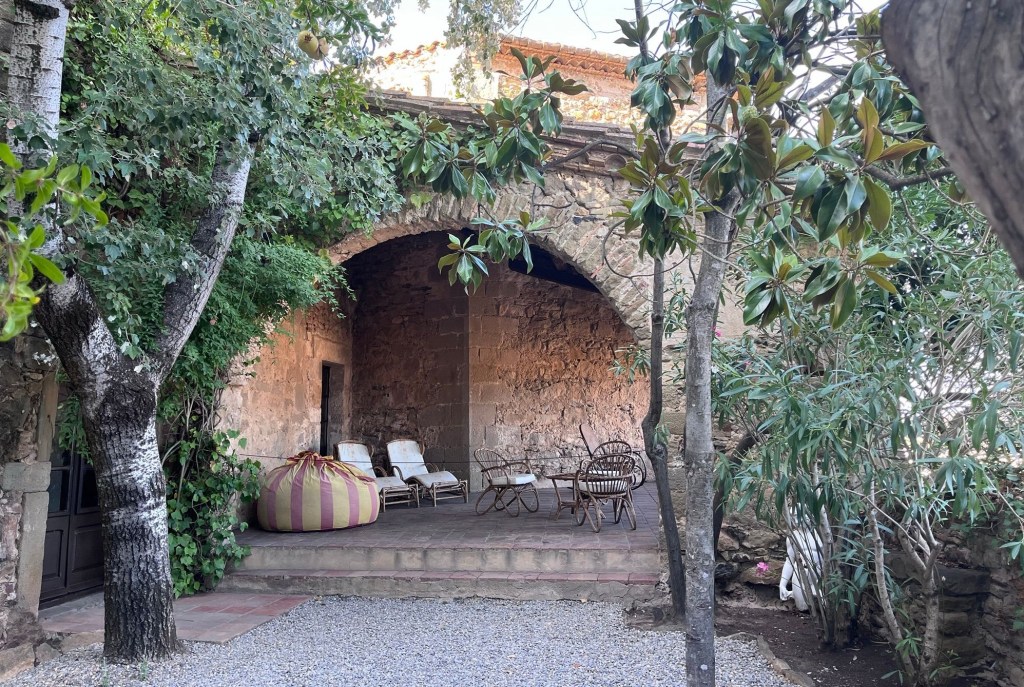
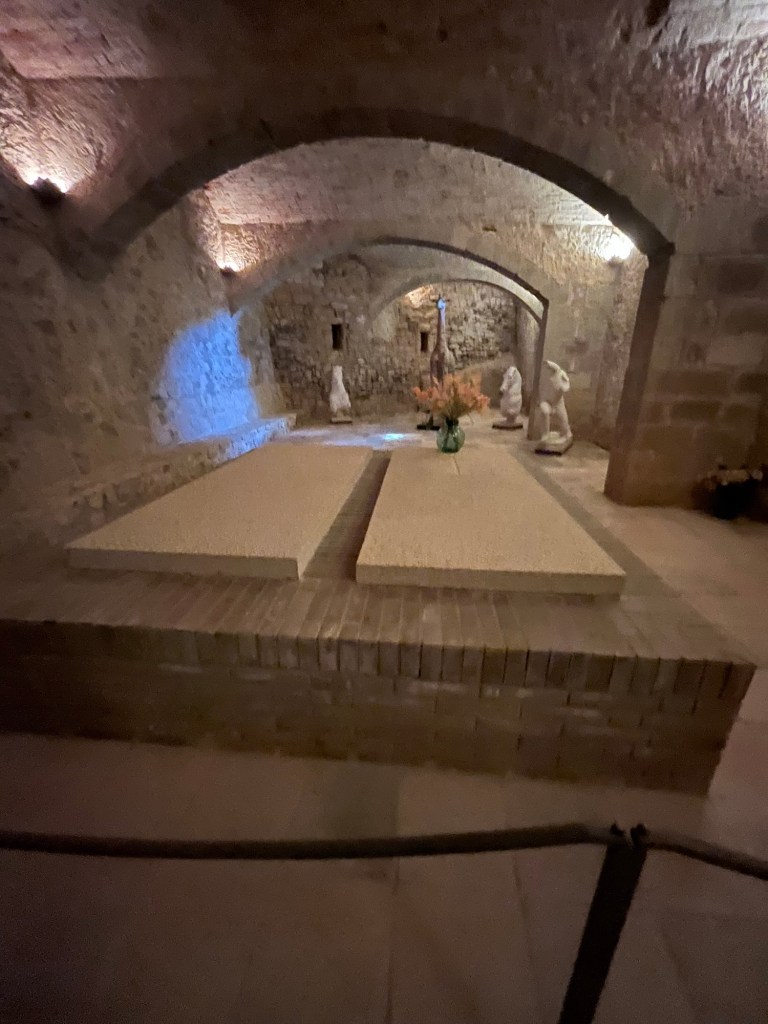
After that we meandered the streets and went in search of his birthplace, a house about ten minutes walk away. This was much quieter and gave a real insight into the man himself. It was a very immersive experience with doors opening and closing automatically to guide you through. Back to the campsite for a spot of lunch before making our way to Gala’s Castle in Pubol. Gala, Dali’s wife, was a talented writer herself but also an astute businesswoman who understood celebrity, marketing and PR. She ran his career and also had a huge input into his many projects from film sets to advertisements. Fascinating. A lovely BBQ to end the day.
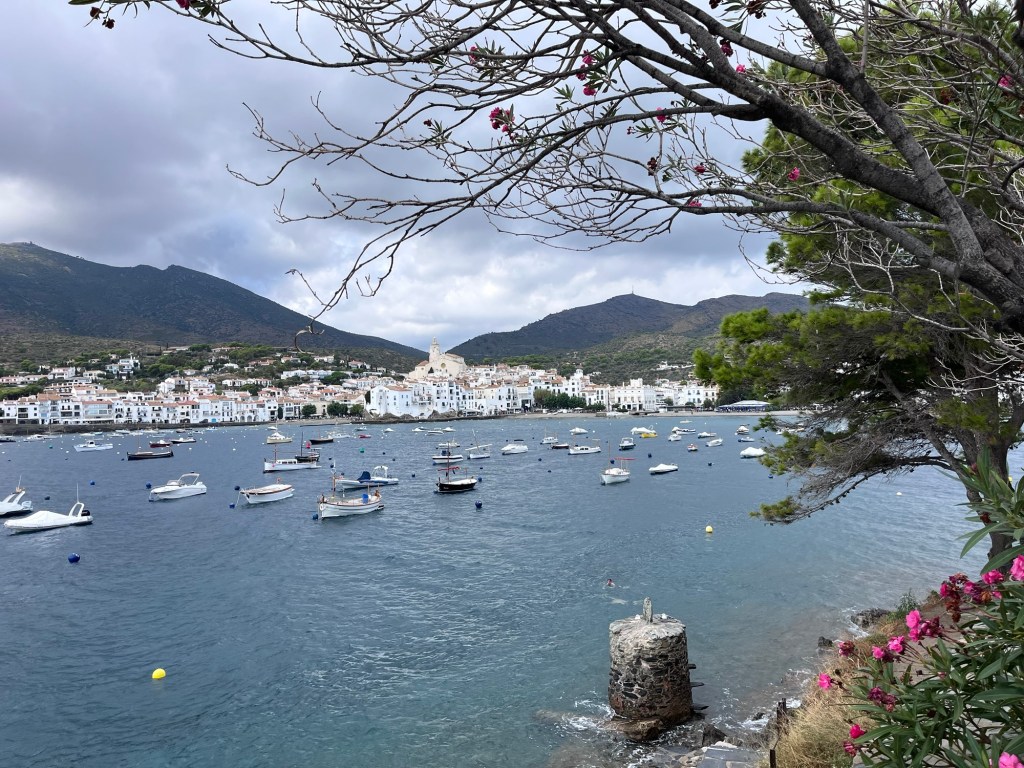
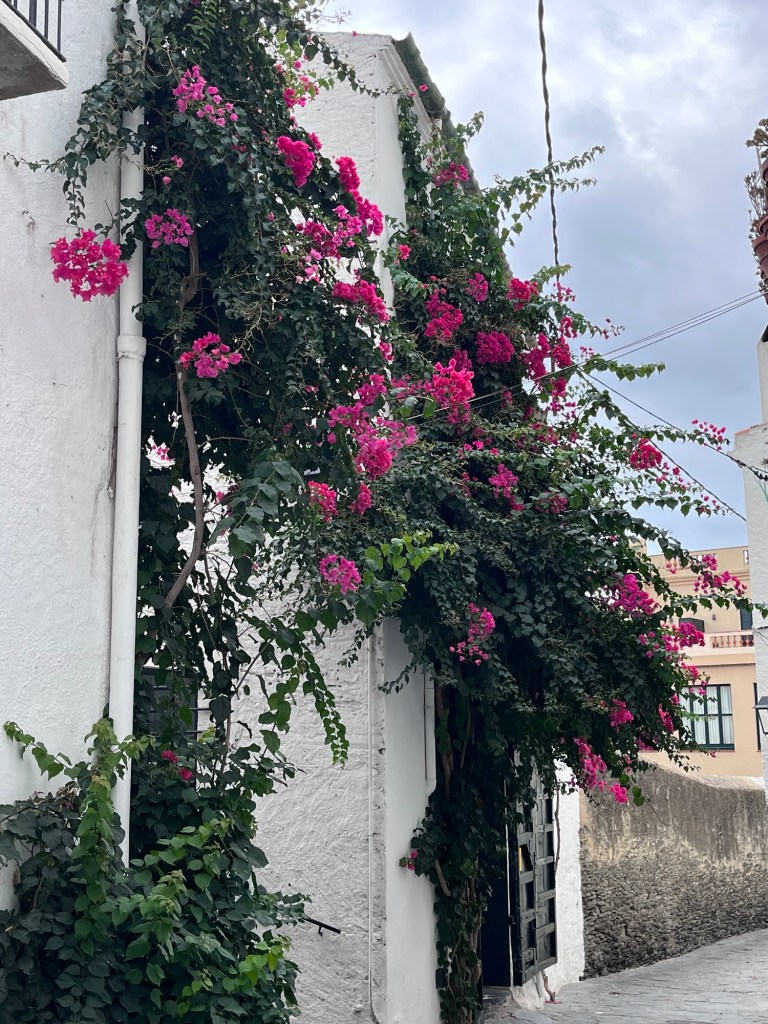
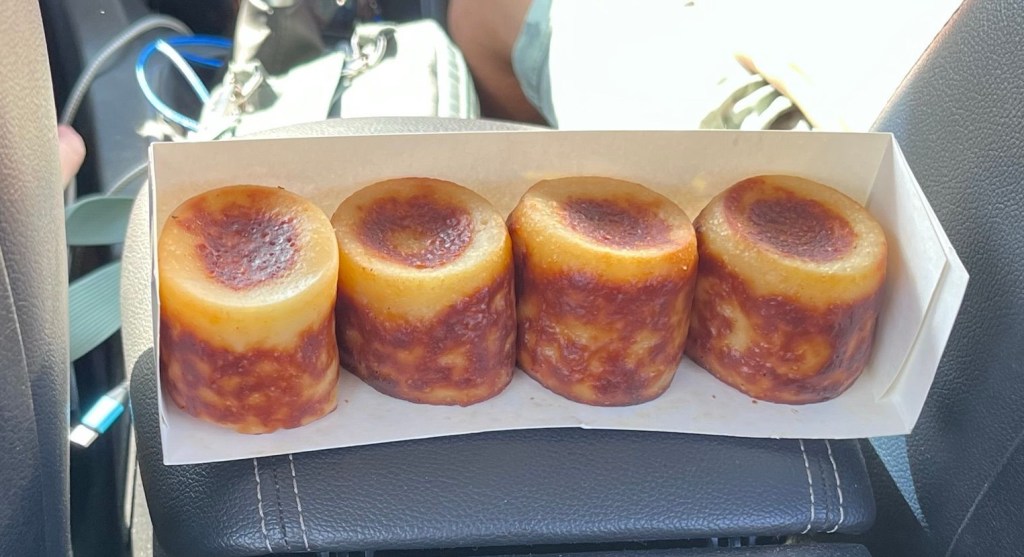
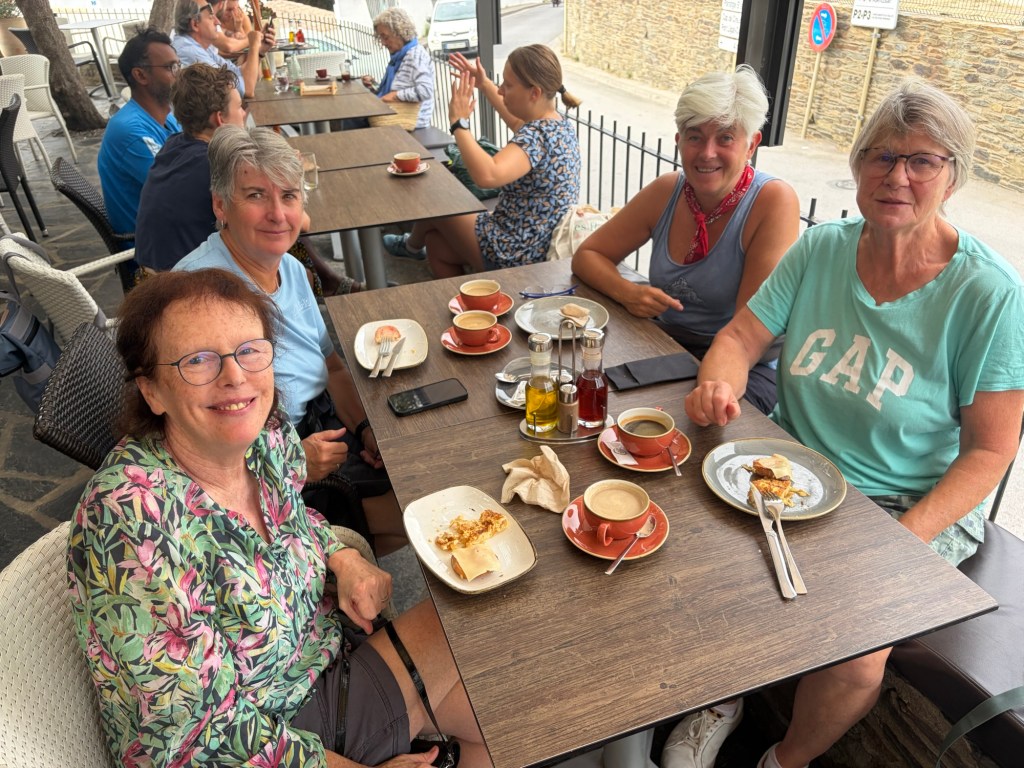
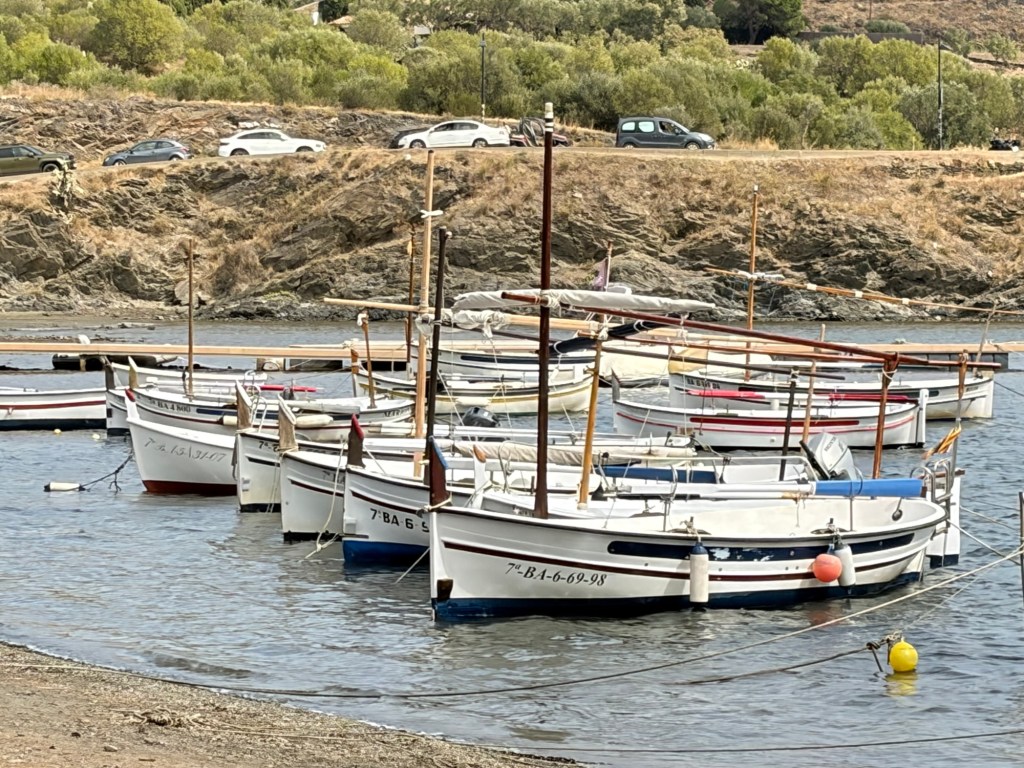
The following day we drove to the town of Cadaques on the peninsula. About an hour away though only 50km but over mountain passes and windy roads. Cadaques itself was a lovely place and we spent several hours wandering around it after a lovely brunch at a local cafe. Whilst there, we came across a local delicacy called Millasson, which is a Spanish version of Pastel de Nata.
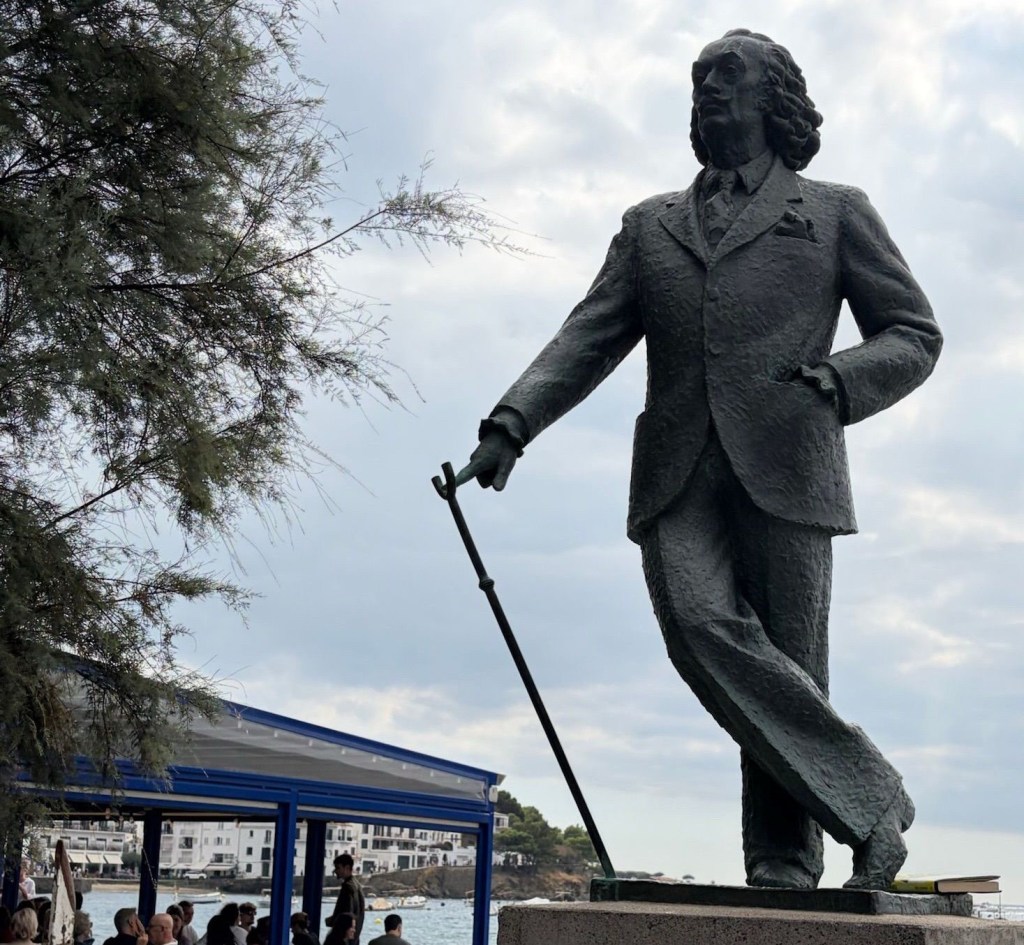
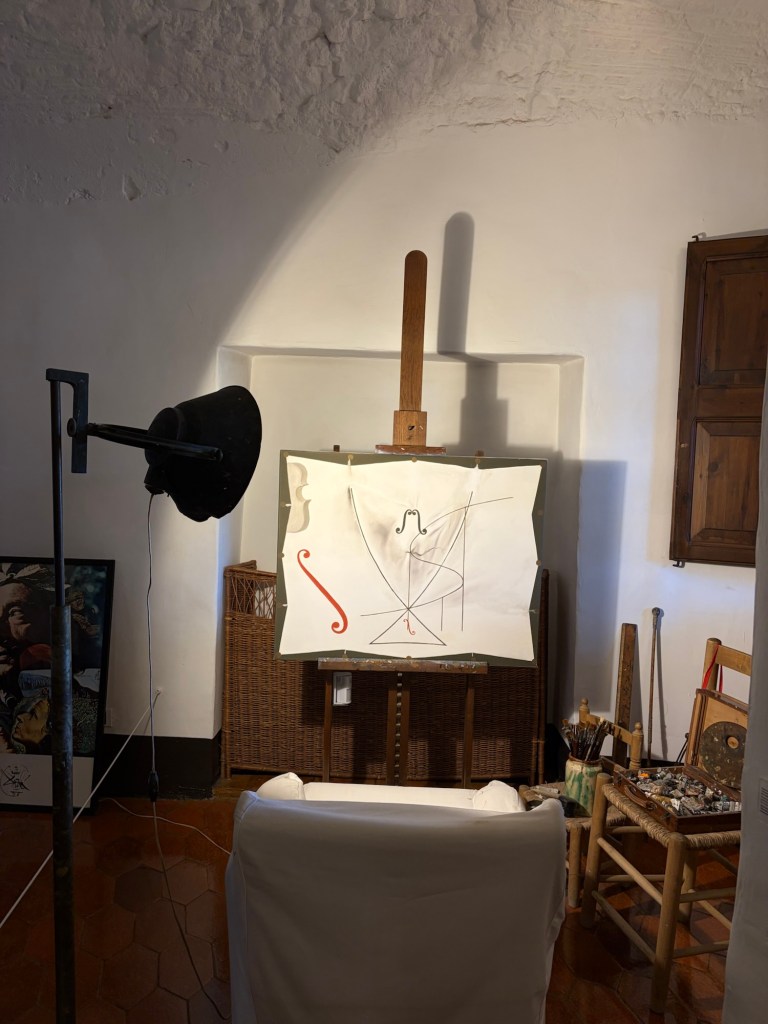
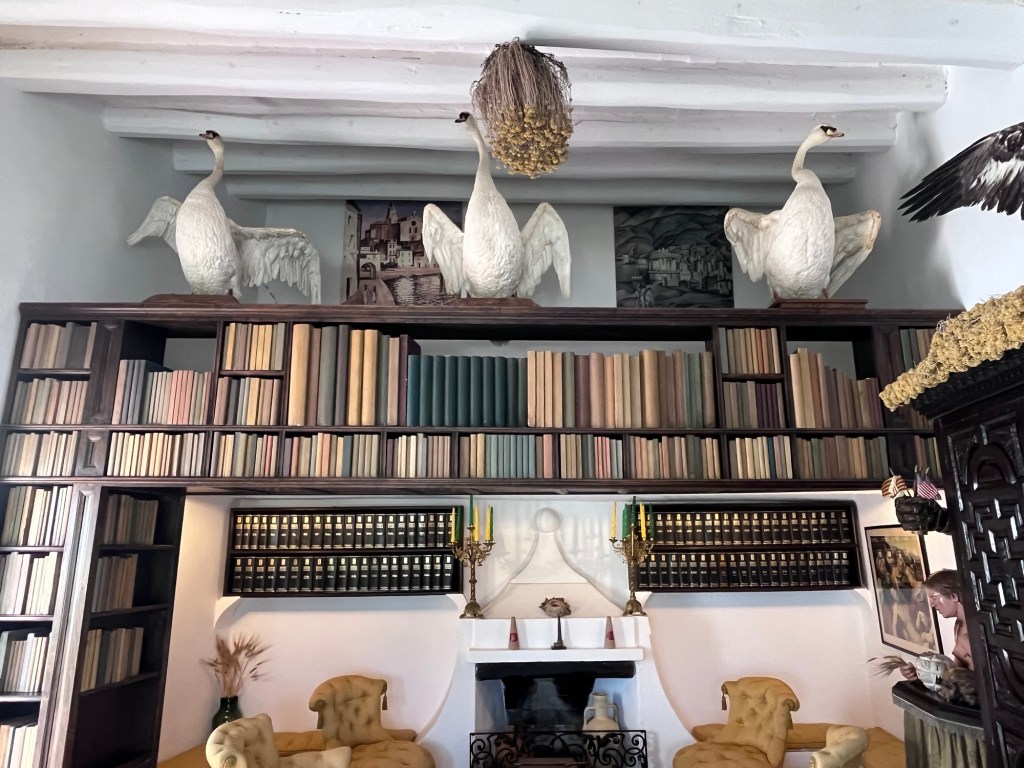
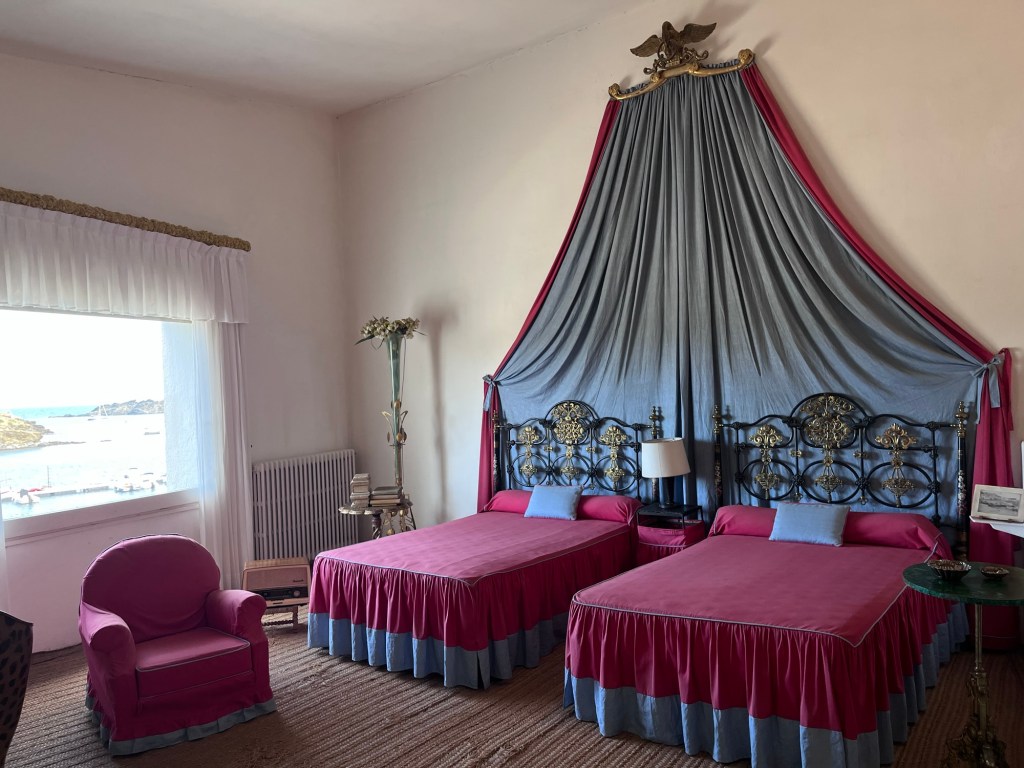
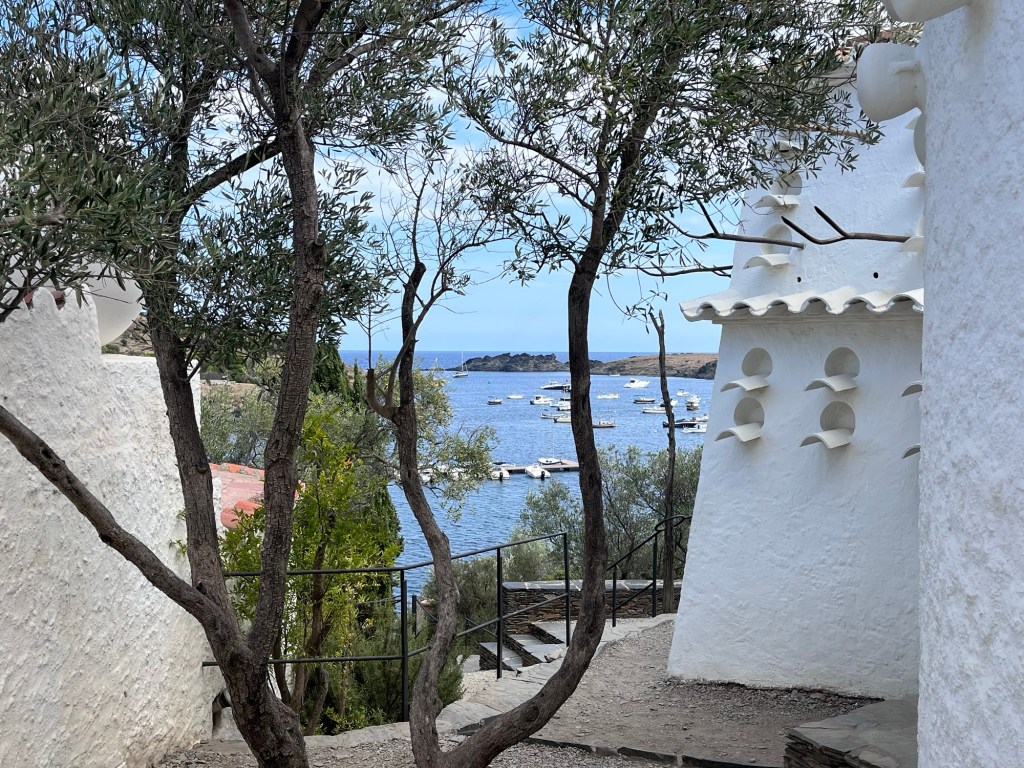
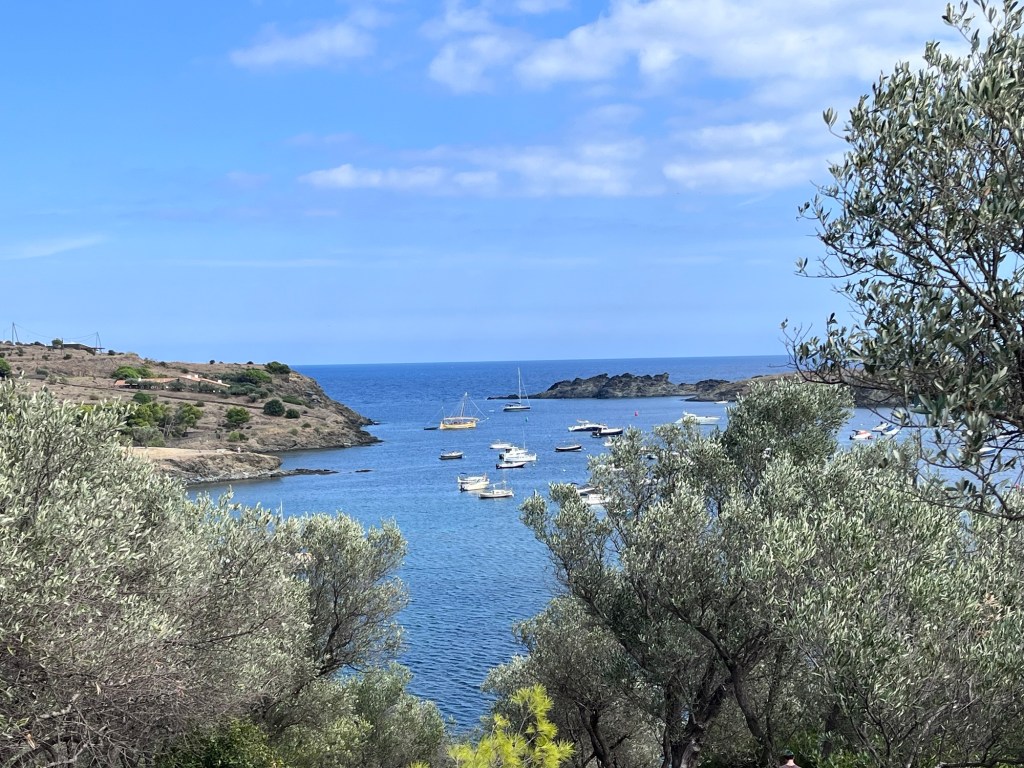
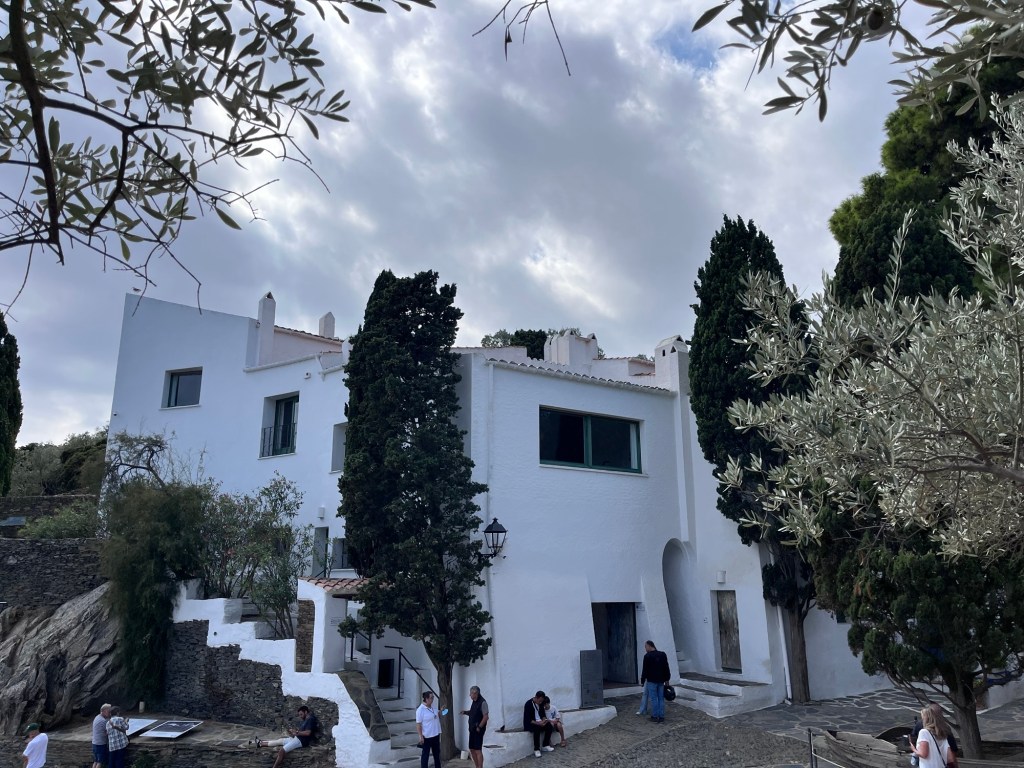
Portlligat, a short walk from Cadaques. was where Dali had his home for many years. They converted fishermen’s cottages overlooking the bay there. A truly gorgeous setting. Dali had a mirror angled over the bay so that he could see the sunrise from his bed and claimed to be the first Spaniard to see it as Portlligat is on the eastern tip of NE Spain.
Back to the campsite for another lovely BBQ.

Miles since last blog: 120

Miles this trip: 1,608
Rocamadour to Carcassonne

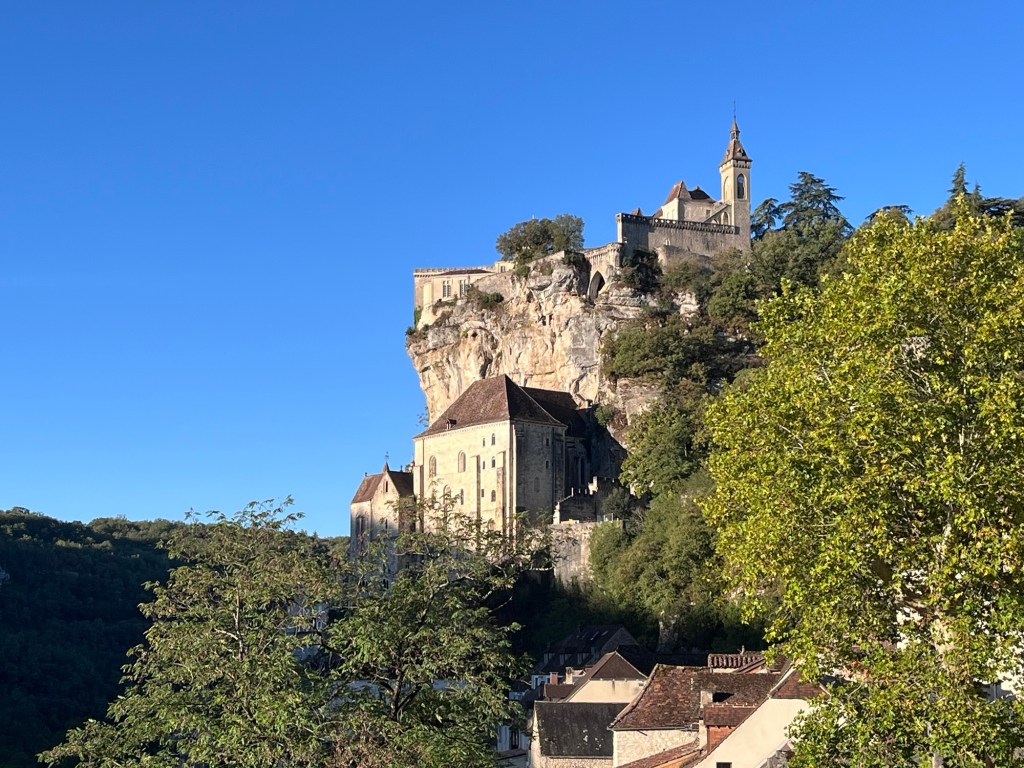
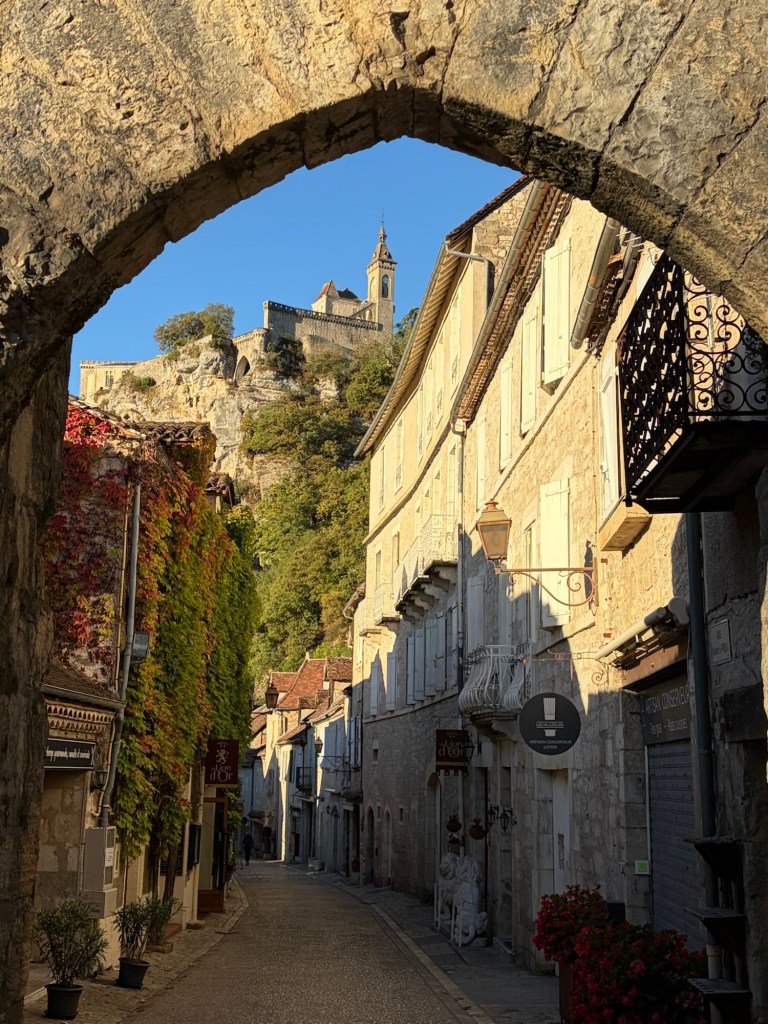
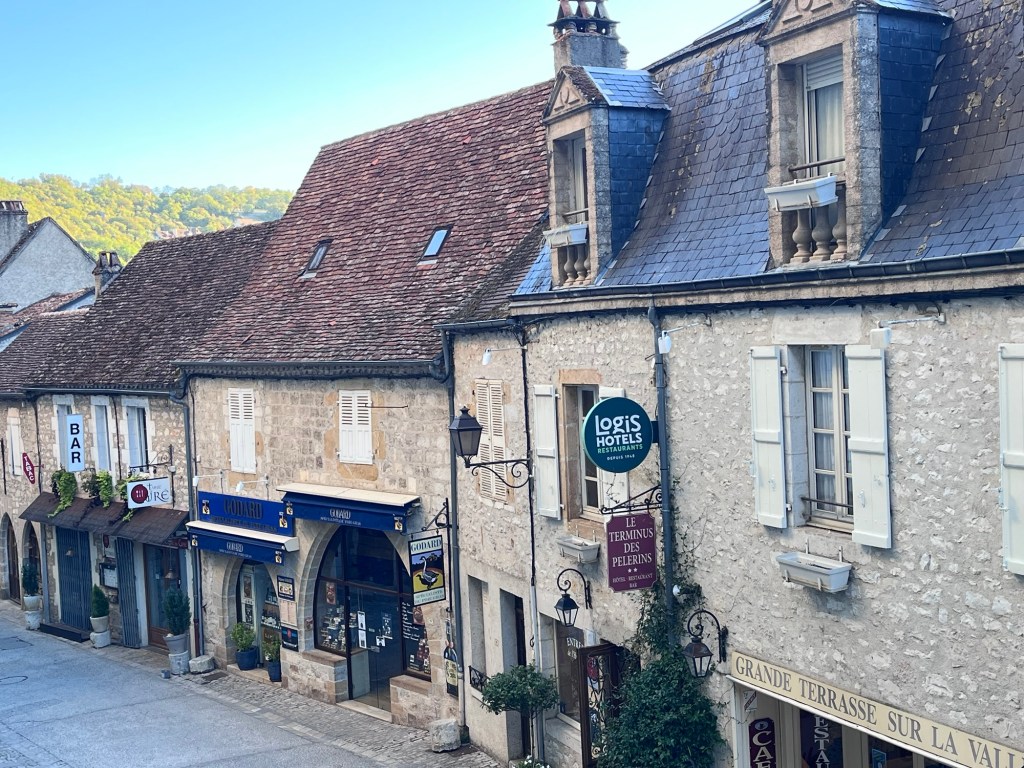
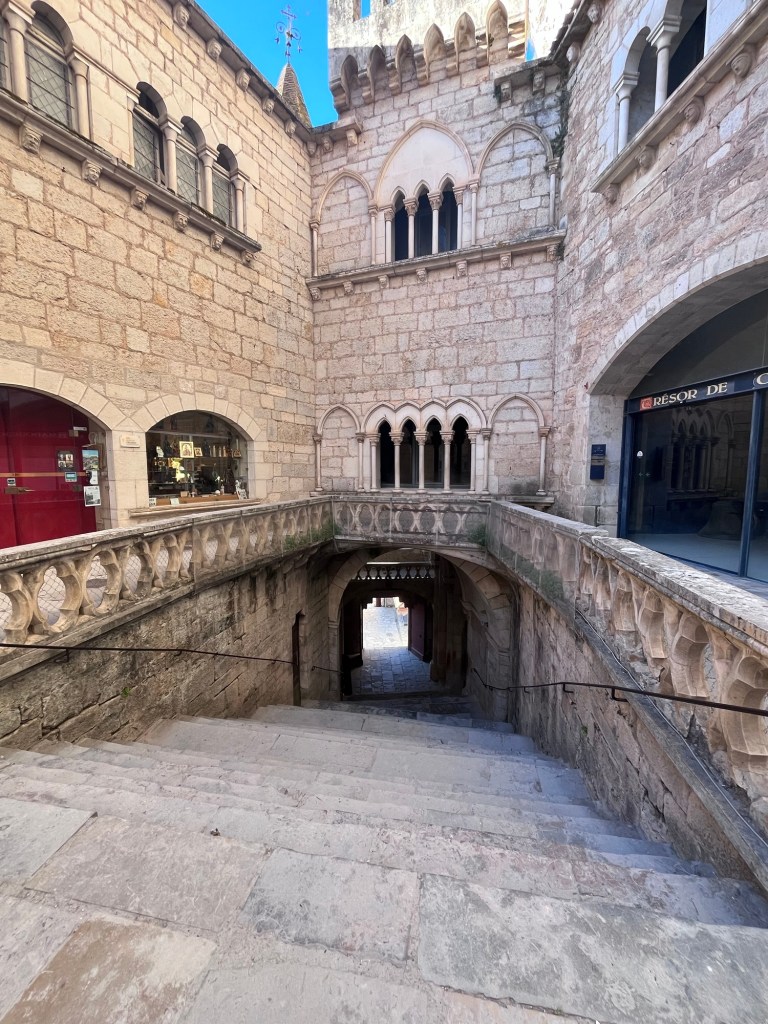
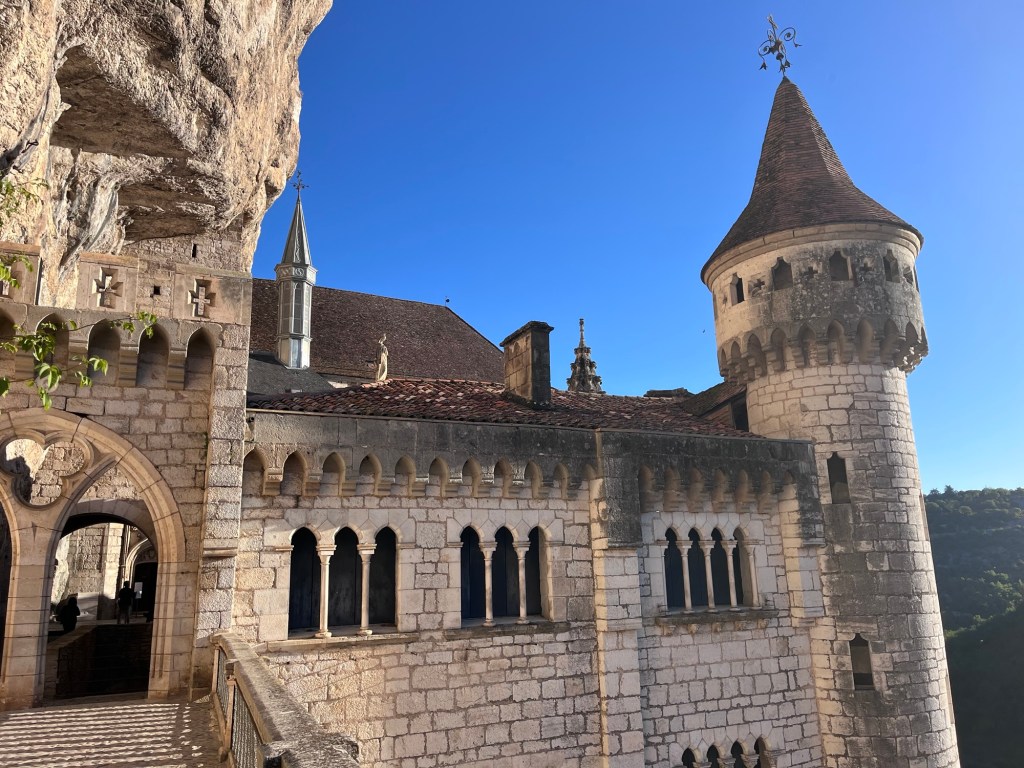
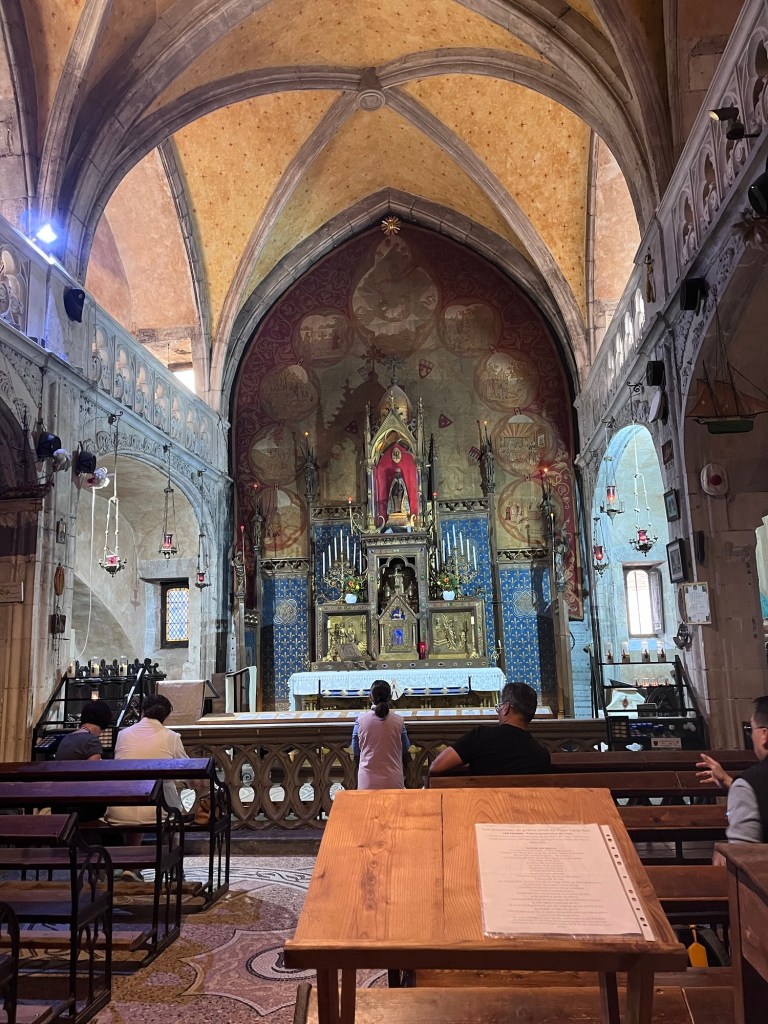
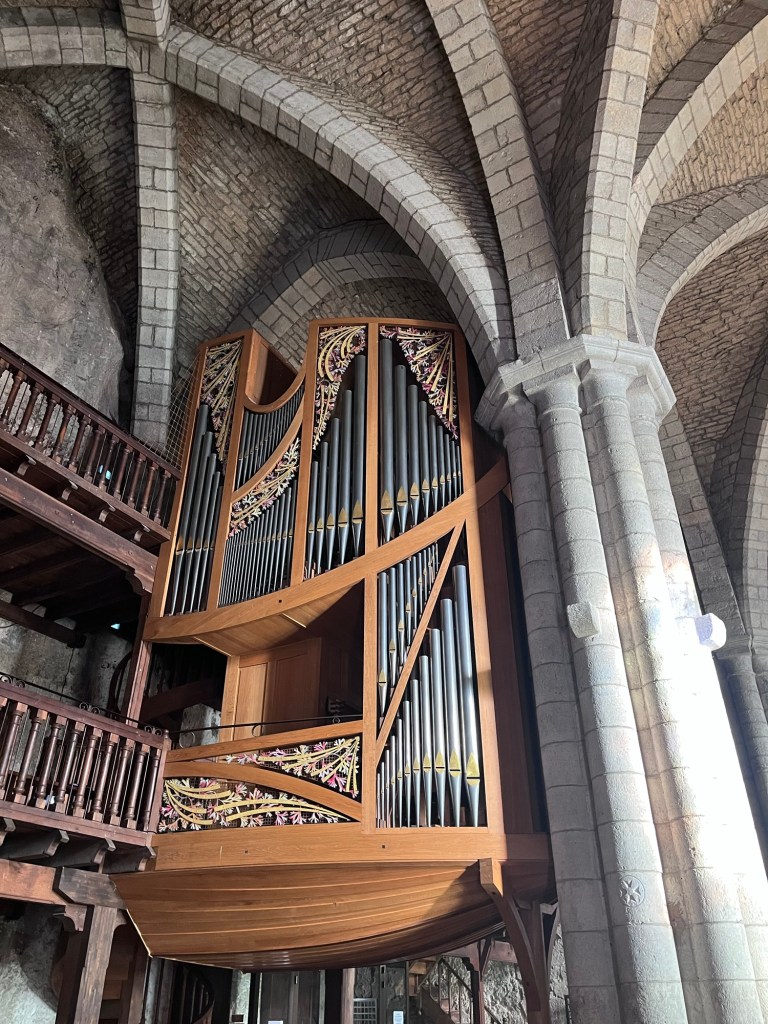
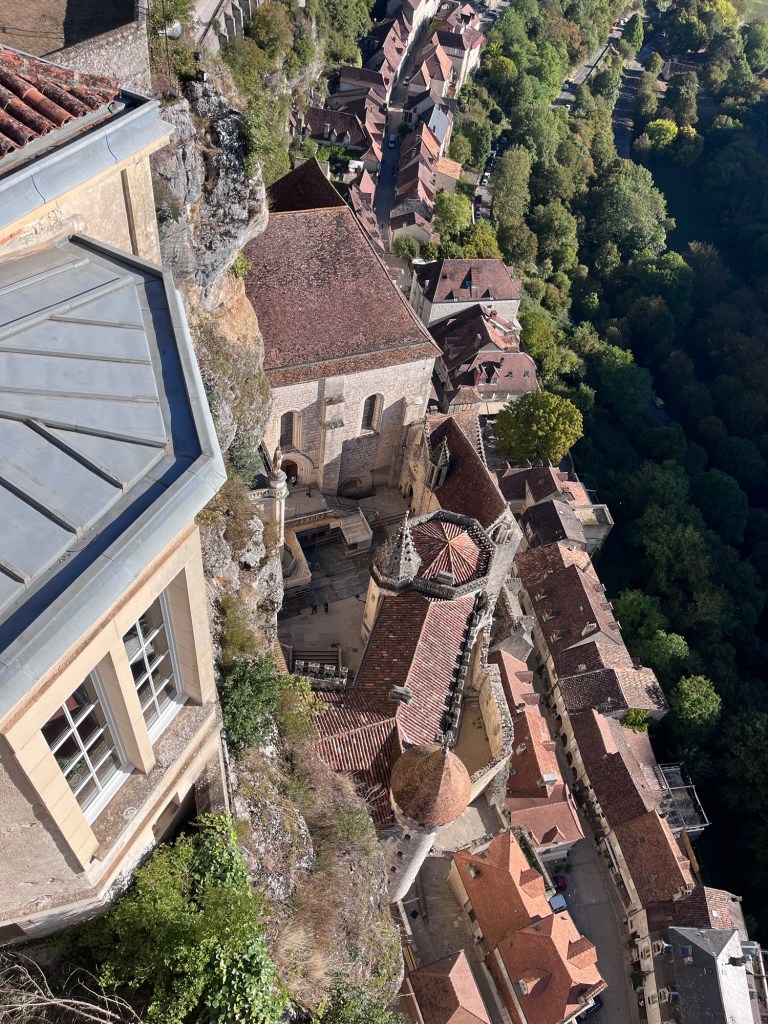
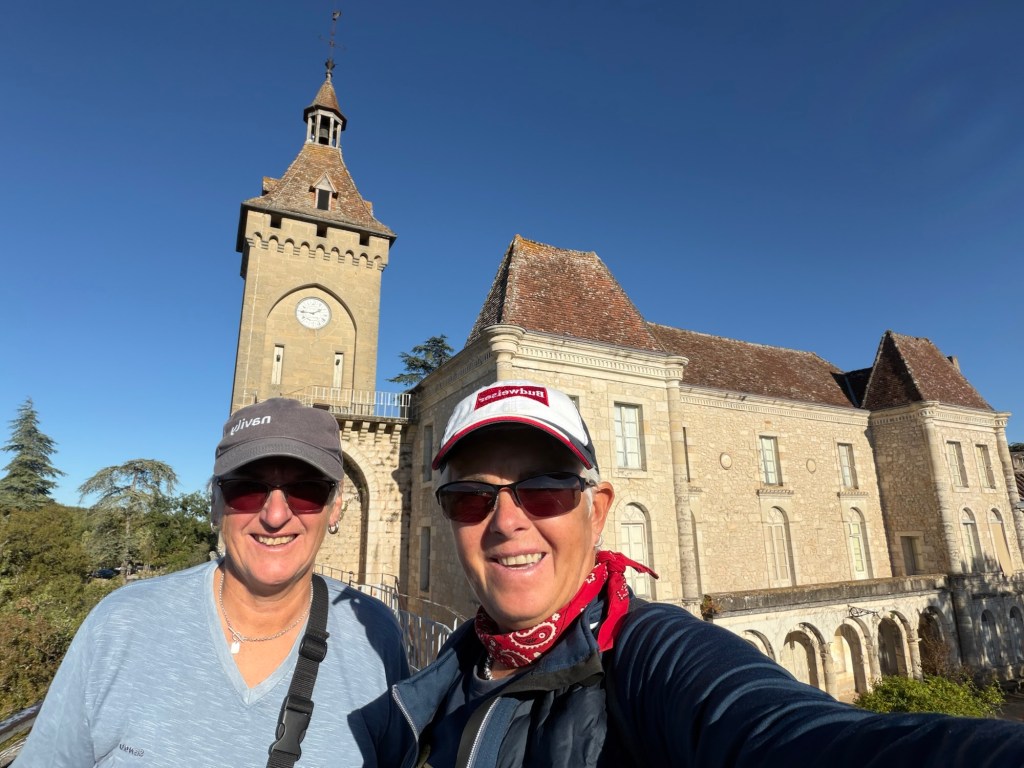
We wanted to catch the early morning sun on Rocamadour so we got up early (before 0700) on Tuesday, September 22 and we were rewarded with not only the sun but also we avoided the masses of tourists that flock there every day. After climbing a lot of steps, we visited the various chapels and the main Sanctuary. Apparently, pilgrims will often climb the 200 odd steps on their knees. It was hard enough upright! The fact that the place is cut out of the rock face is pretty impressive and so long ago in the 11th century.

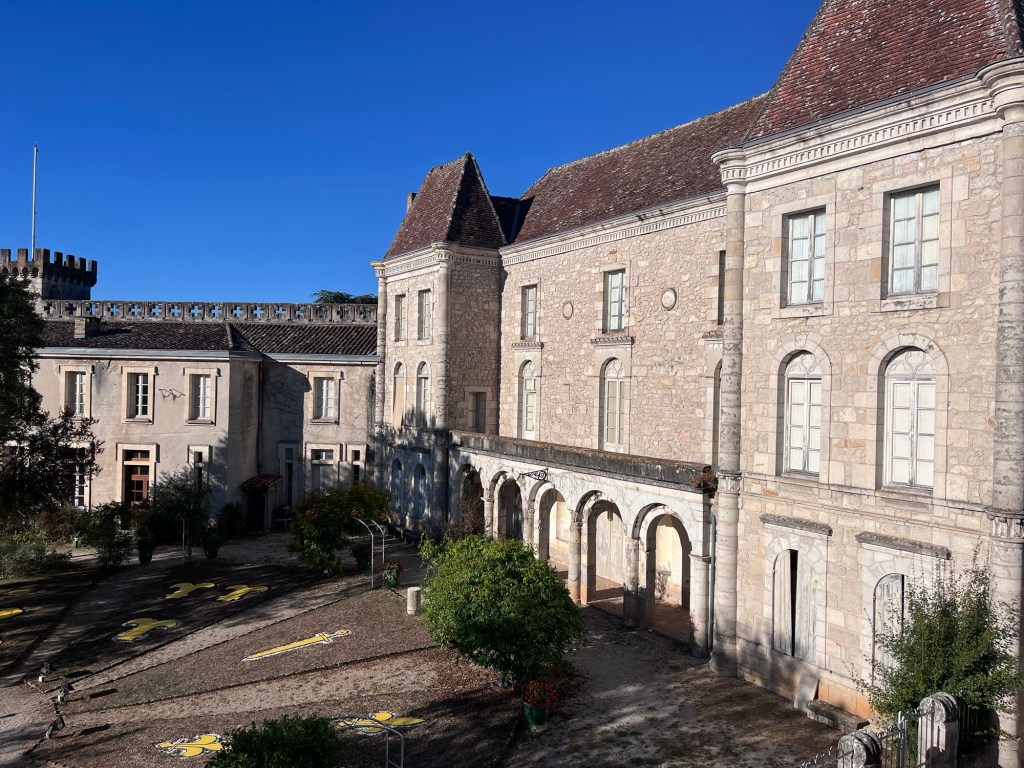
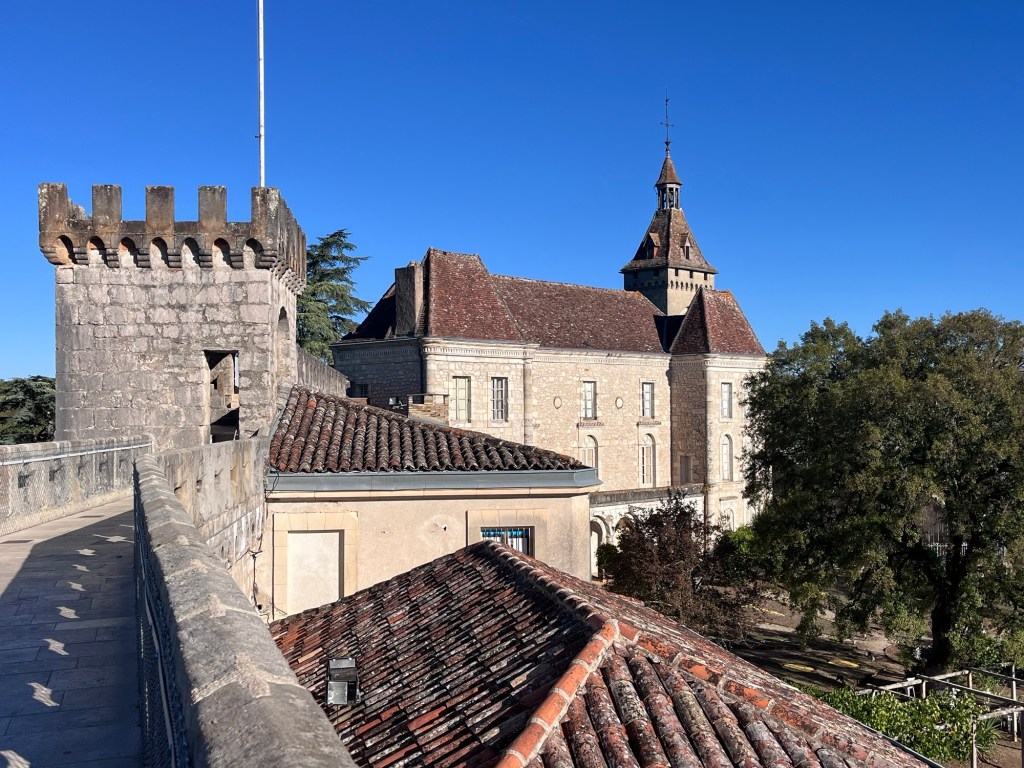
We then caught the funicular up to the chateau that imperiously overlooks the church and the town to walk around its ramparts. It also made an easier walk back to the van along the top of the gorge.

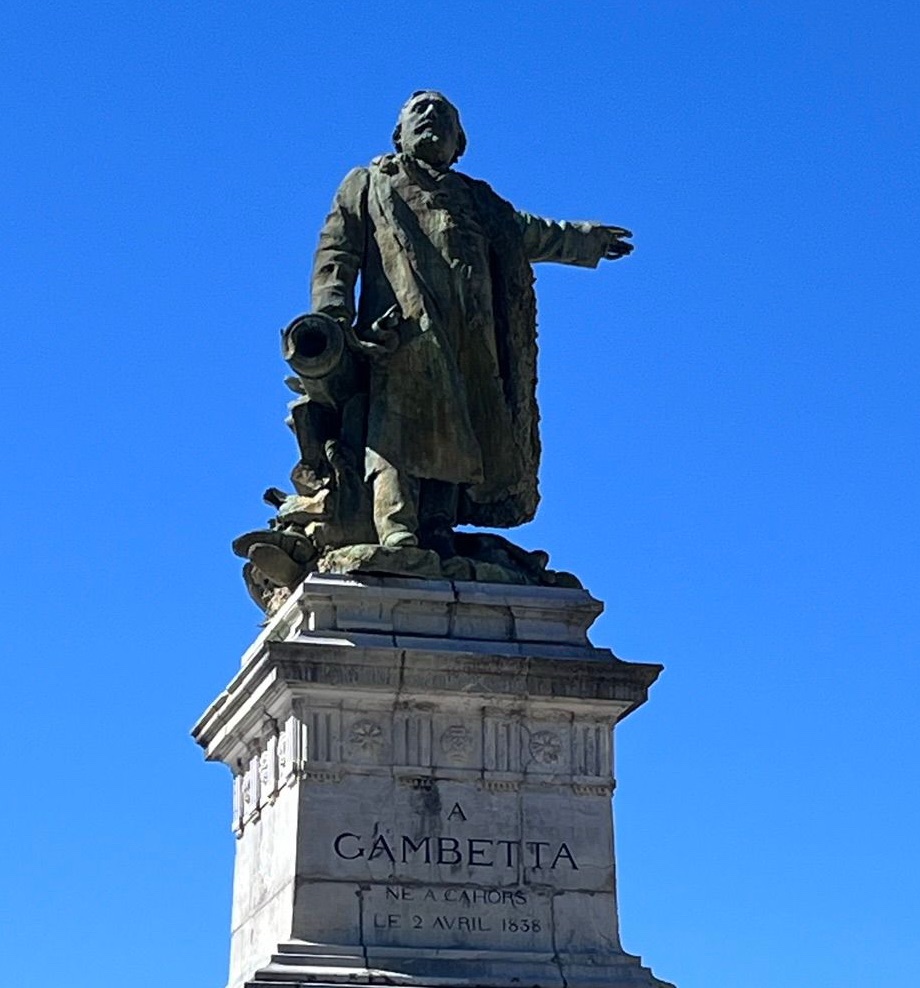
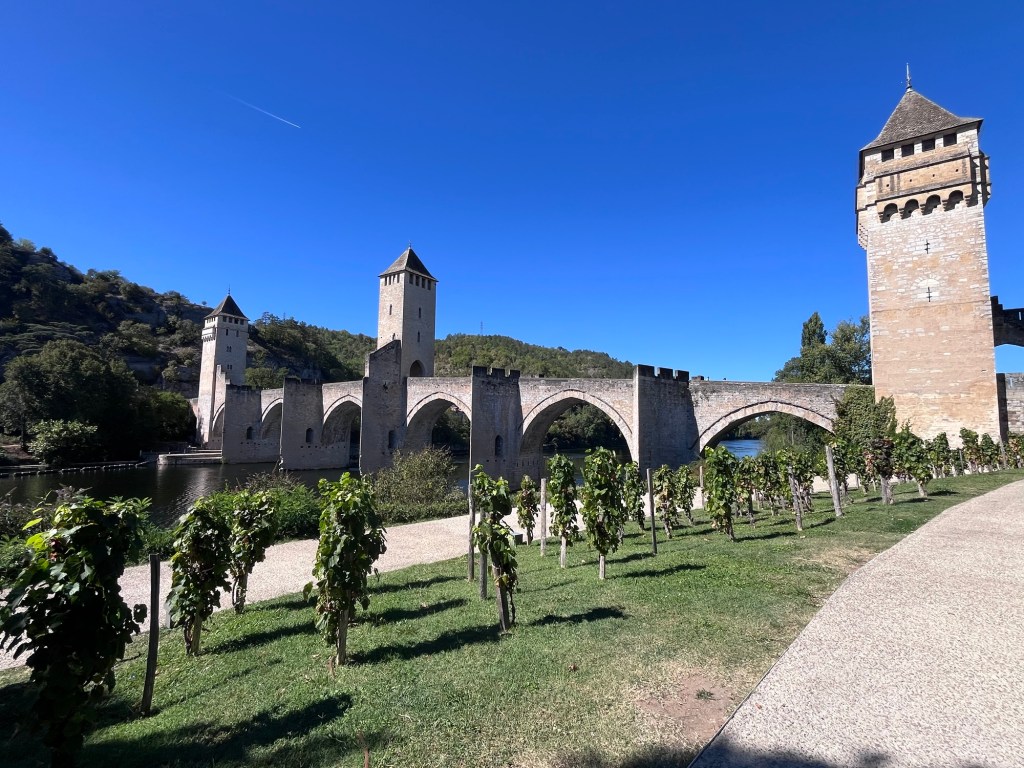
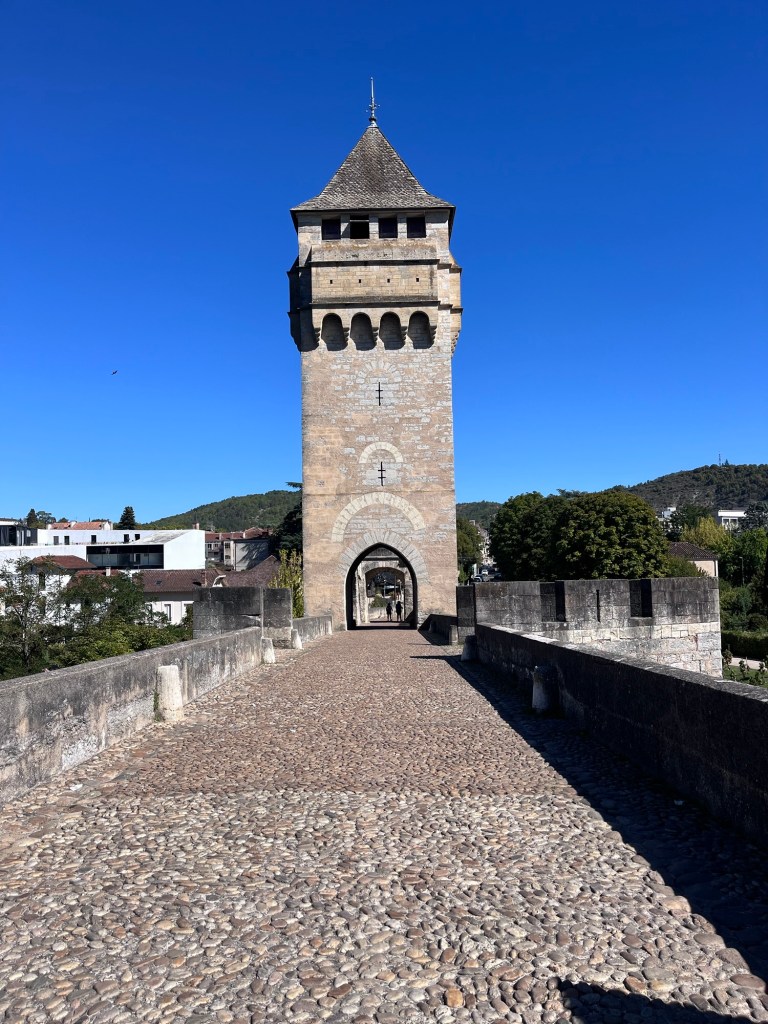
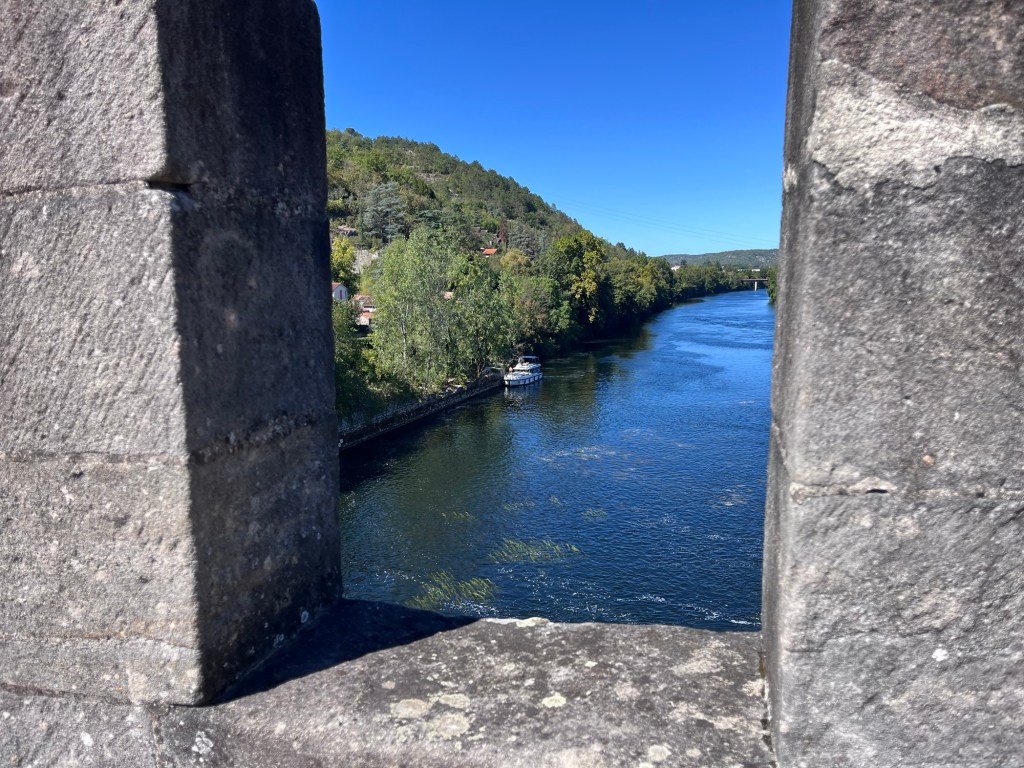
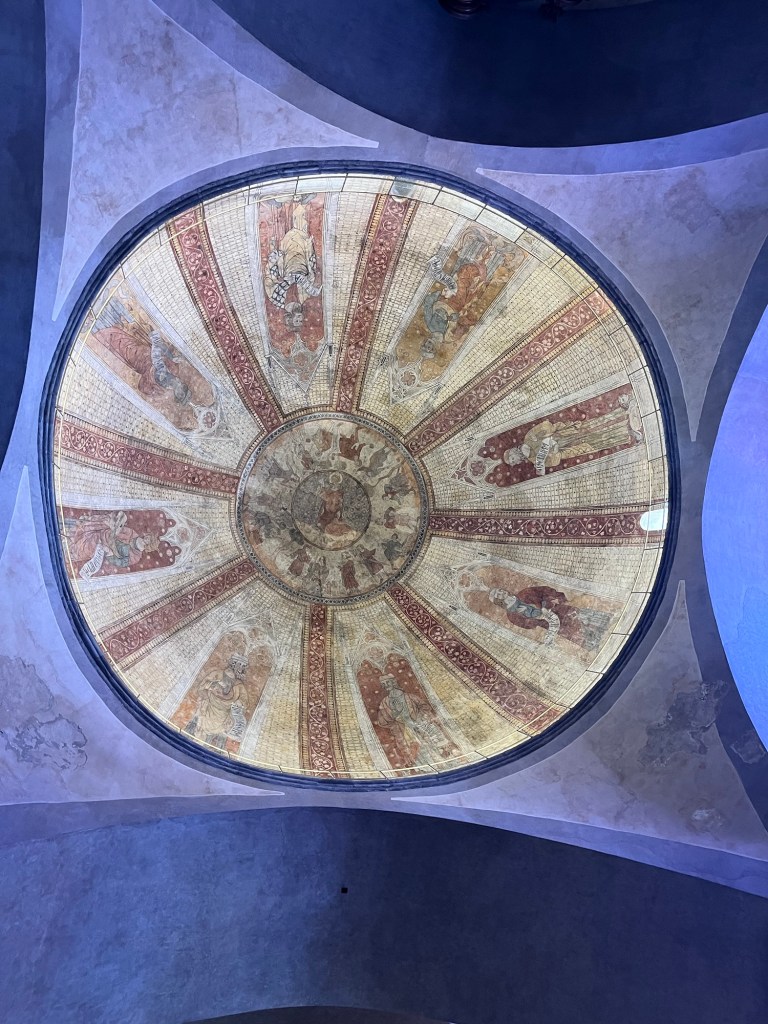
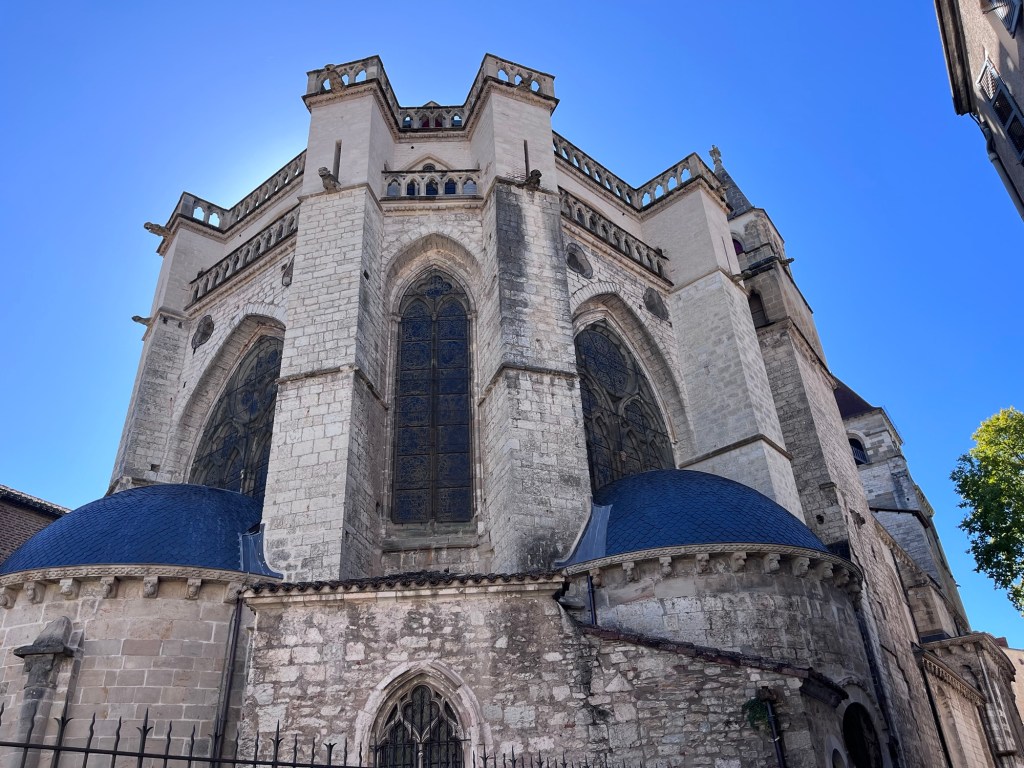
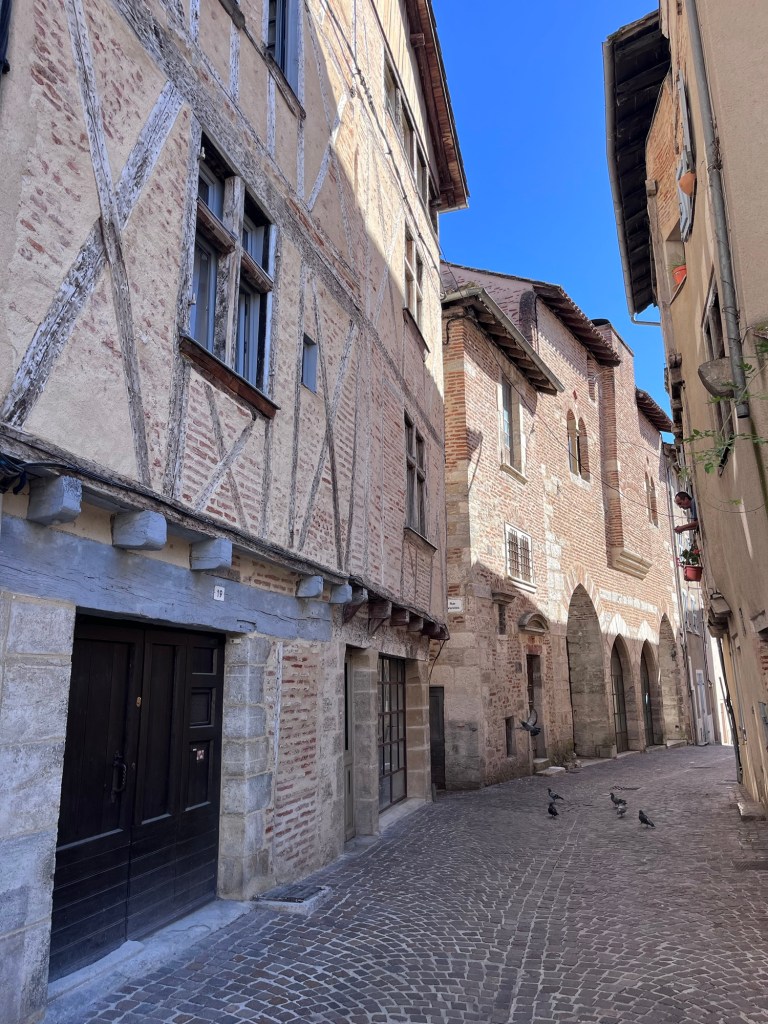
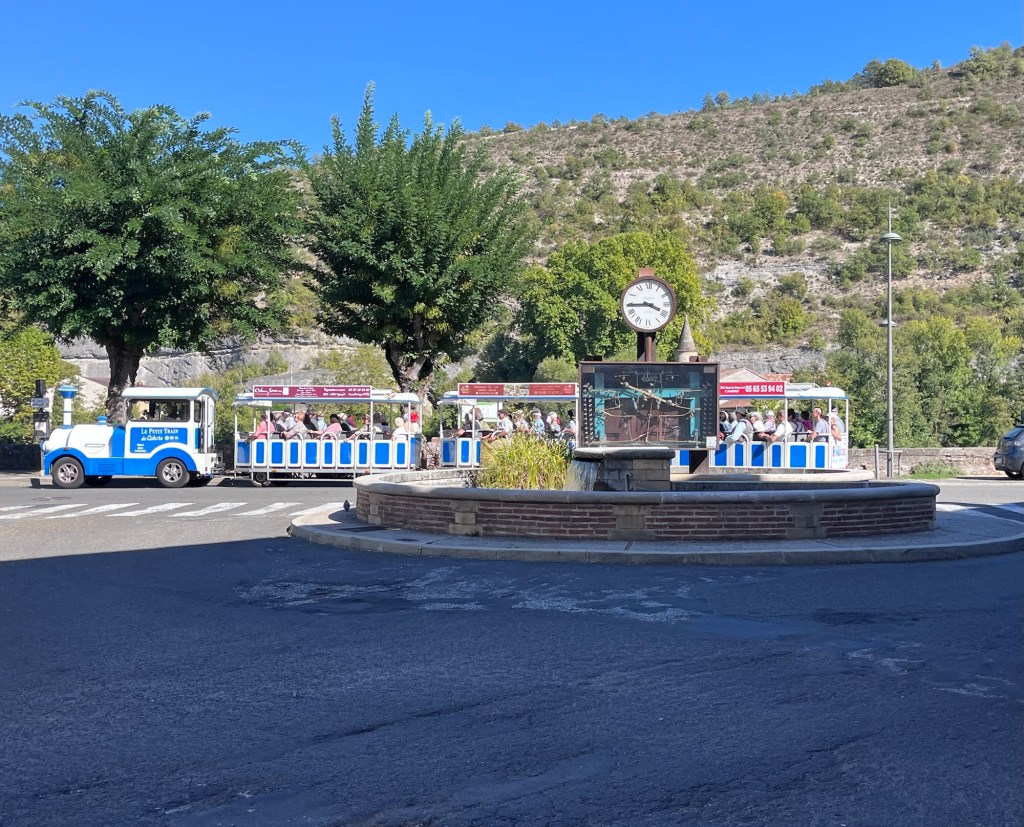
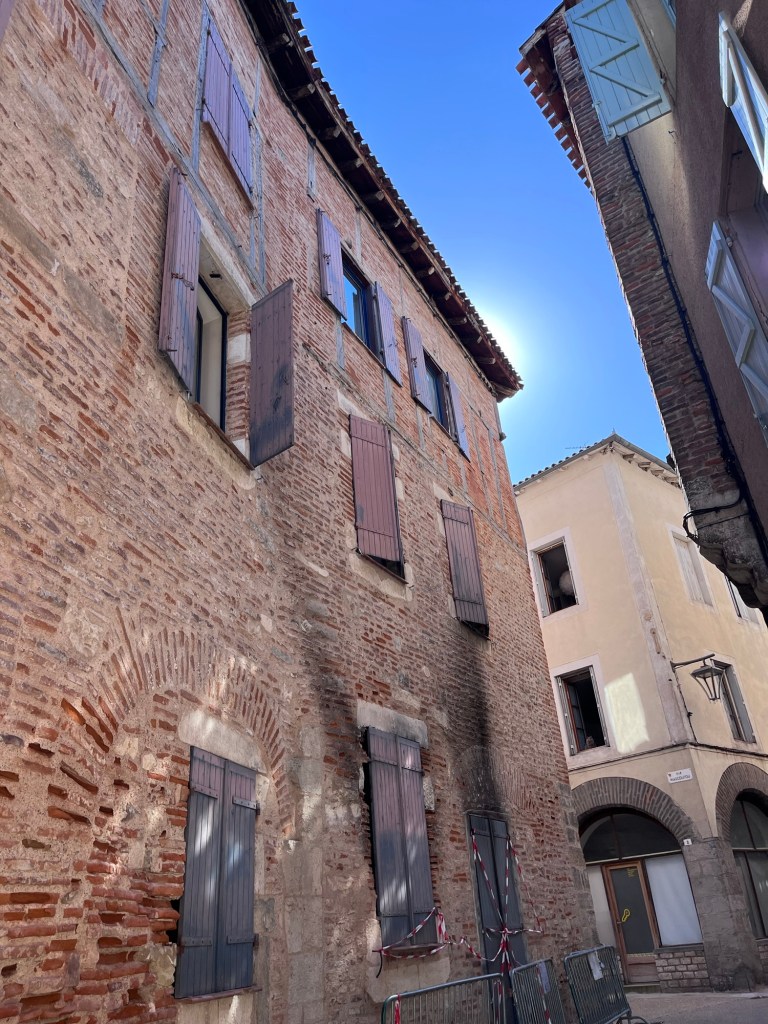
We left around midday to drive to Cahors, the home of the Malbec grape and another medieval walled city. We parked up in a large car park just south of the old town with about twenty other vans (P4N#549143). It was not a pretty park up but it was near the centre and free! We walked to the Pont Valentre, one of the most famous of old bridges in France, as well as through the old town. Unusually, the cathedral has two domes, one plain and one painted with frescoes. There we purchased a couple of bottles of Malbec wine from a local producer. Leon Gambetta, founding Father of the 3rd French Republic, was born in the city.

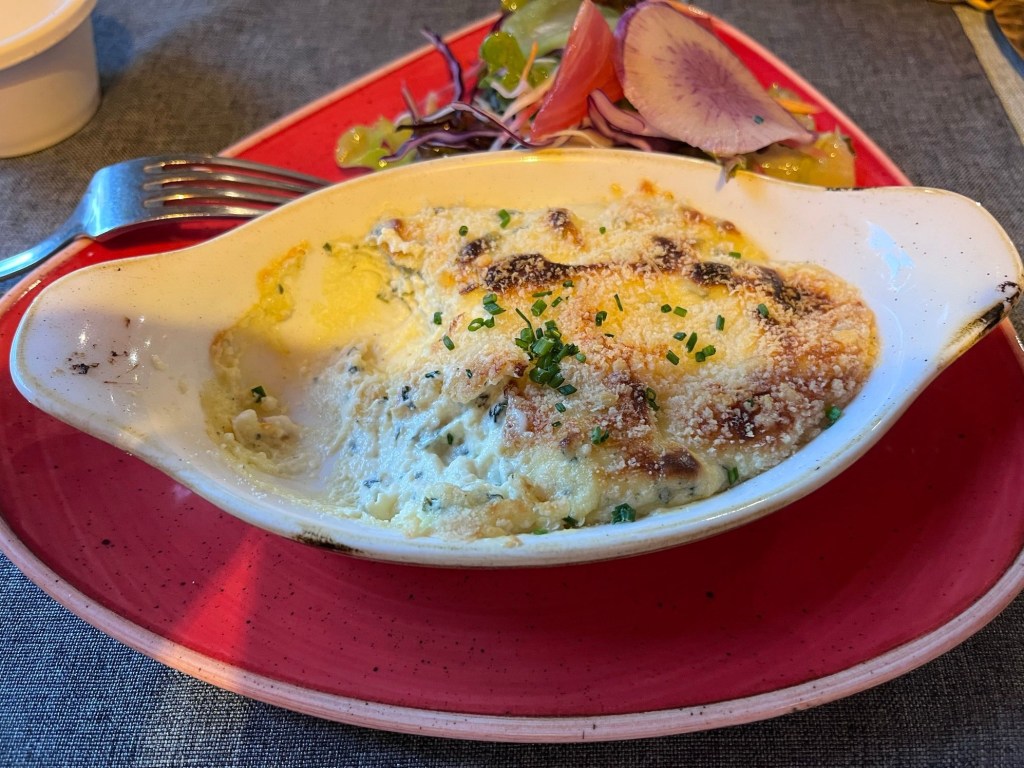
Back to the van for a much needed shower before going back into town for a gorgeous meal at La Petit Auberge, which included a Parmesan crème brûlée starter.

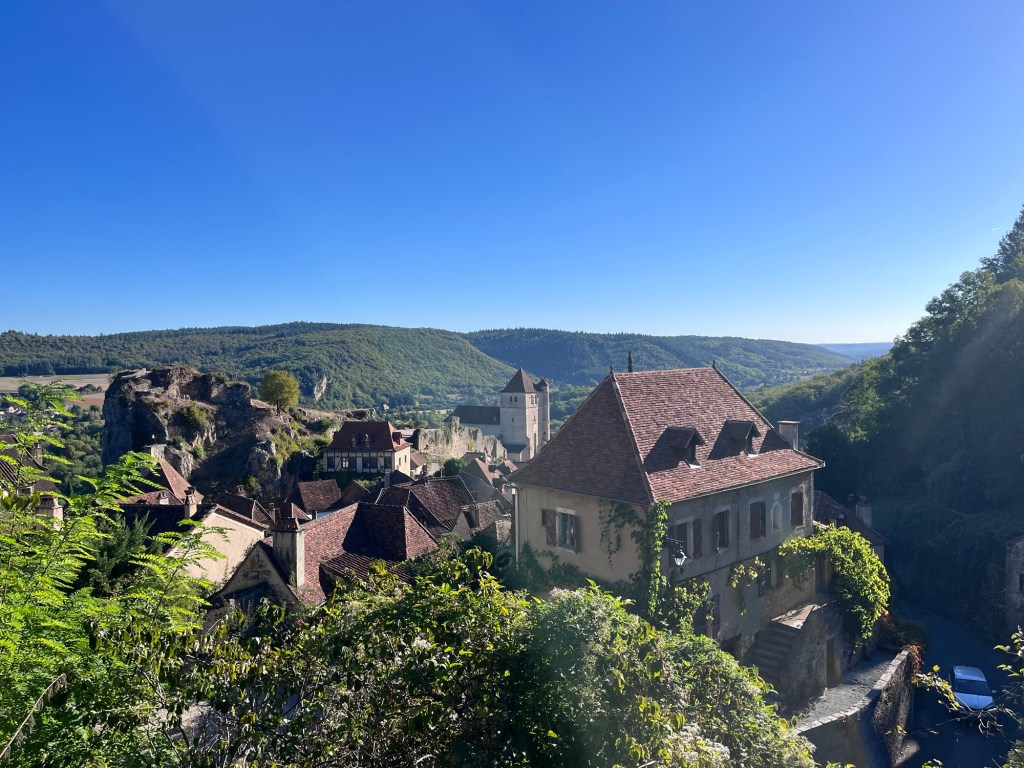
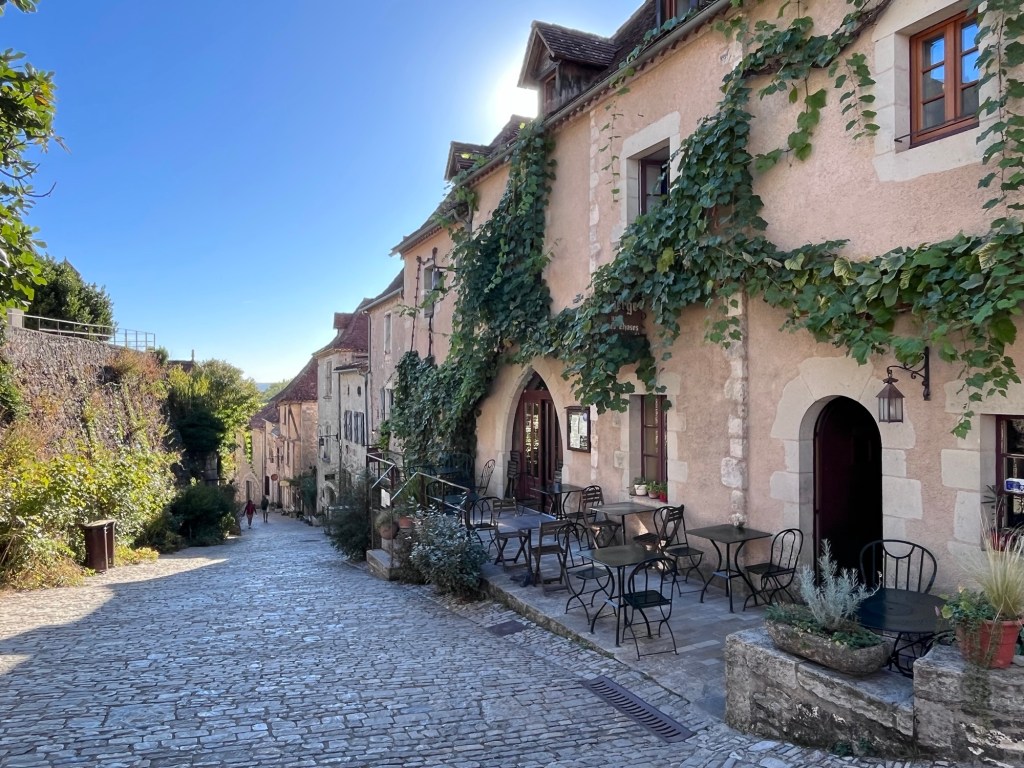
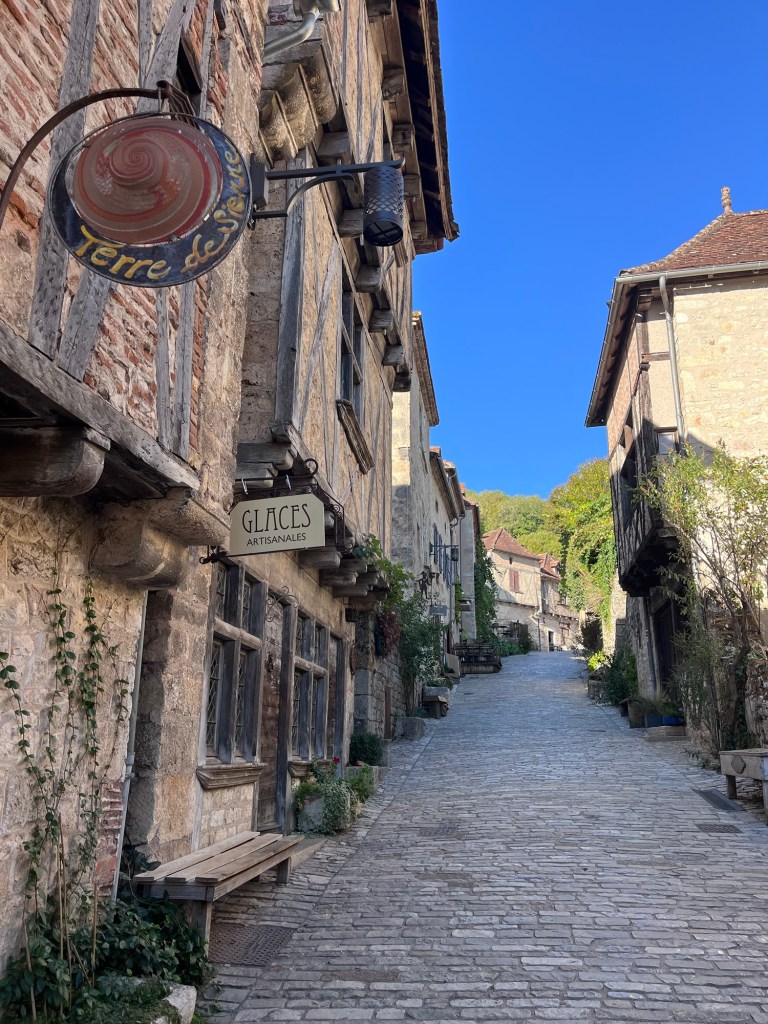
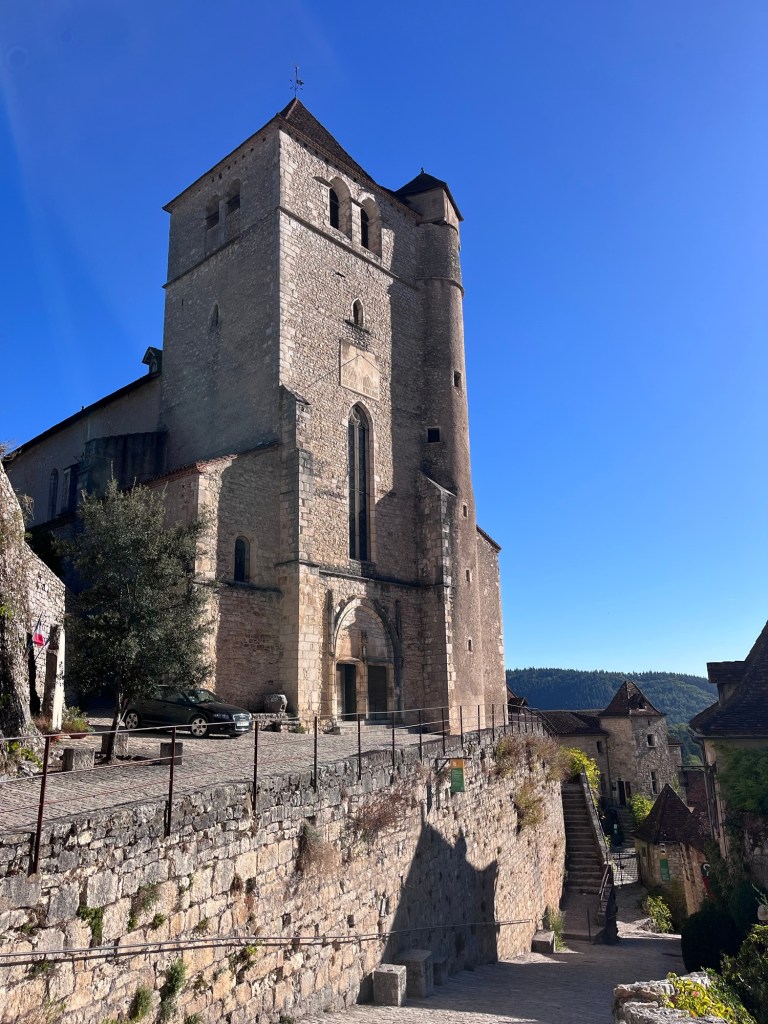
The next morning we left early, again (!), as we wanted to use the nearby dump station and make our way to Carcassonne to meet up with friends. On the way we stopped at Saint Cirque Lapopie, voted the most preferred village in France. We arrived before the maddening crowds again so we’re feeling very pleased with ourselves and it was indeed a gorgeous village.

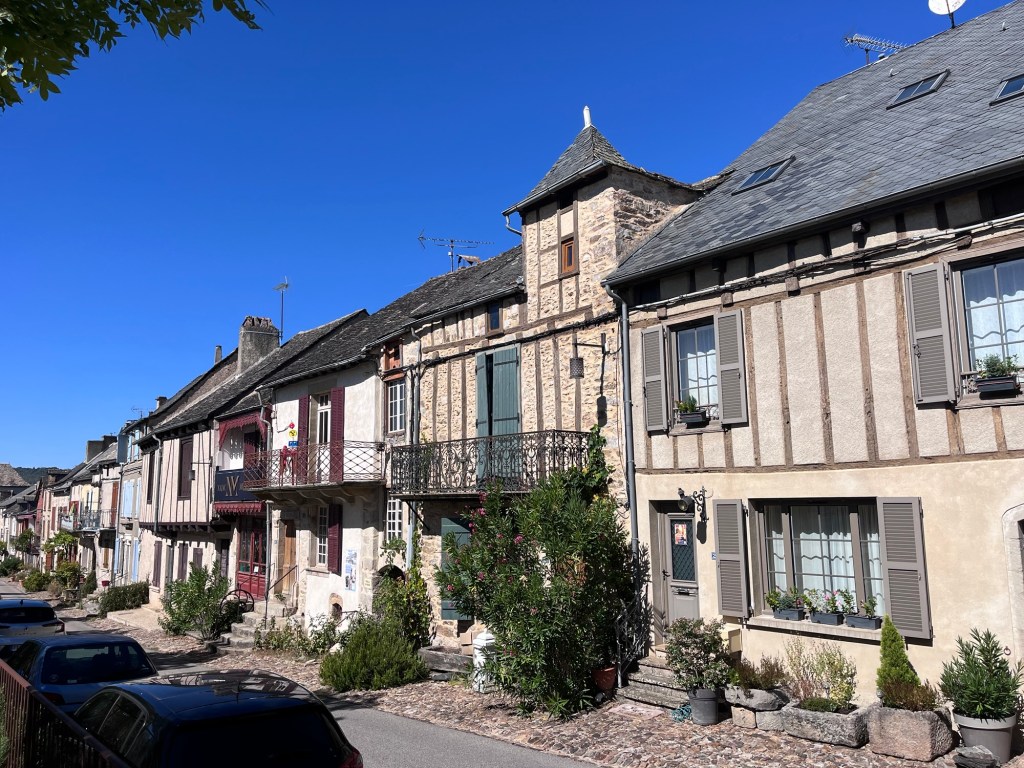
We drove onto another of the Beaux Villages, Najac, as well as Cordes-sur-Ciel. Both lovely.

Najac

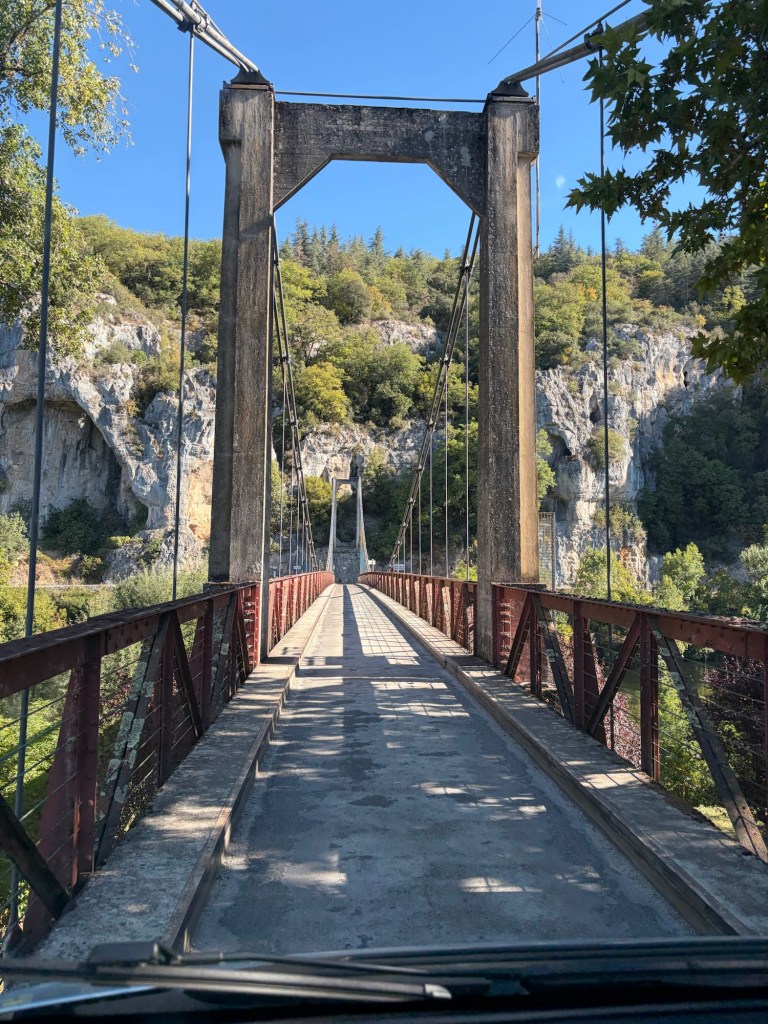
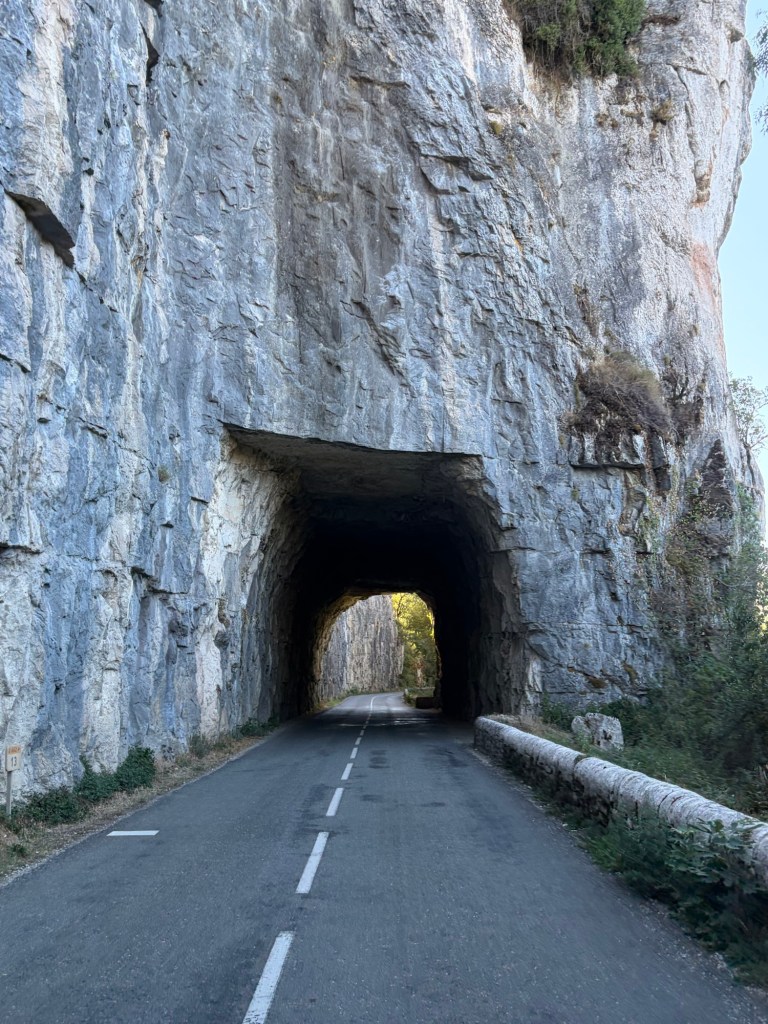
However, on our way to Najac, Liz wanted to drive along the side of a gorge that she had heard about. This involved going down narrow roads with rock overhangs on one side and sheer drops on the other. Not for the faint hearted! It finished with a bridge crossing that was 2.2m wide. Dora is 2.05m excluding wing mirrors.

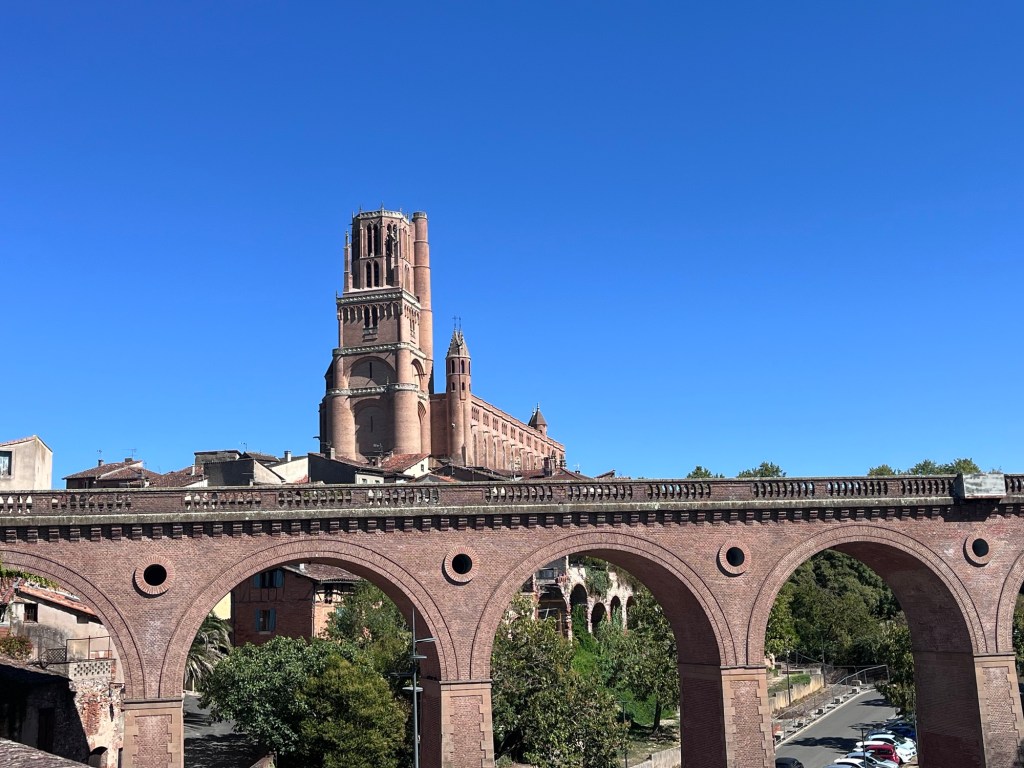
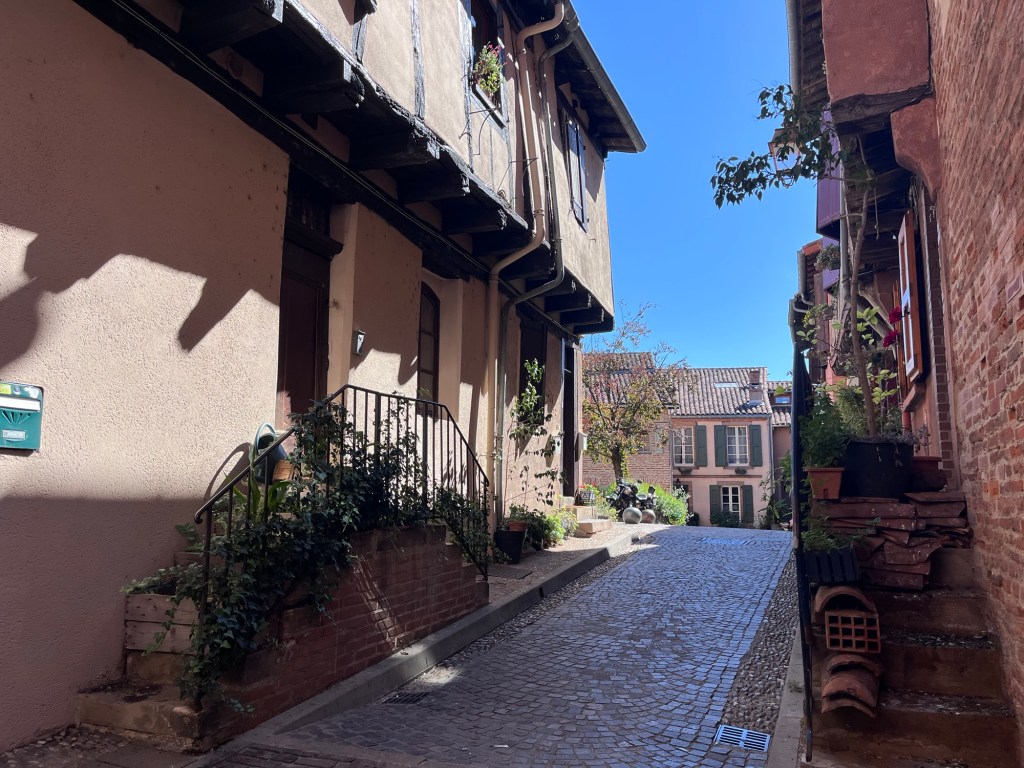
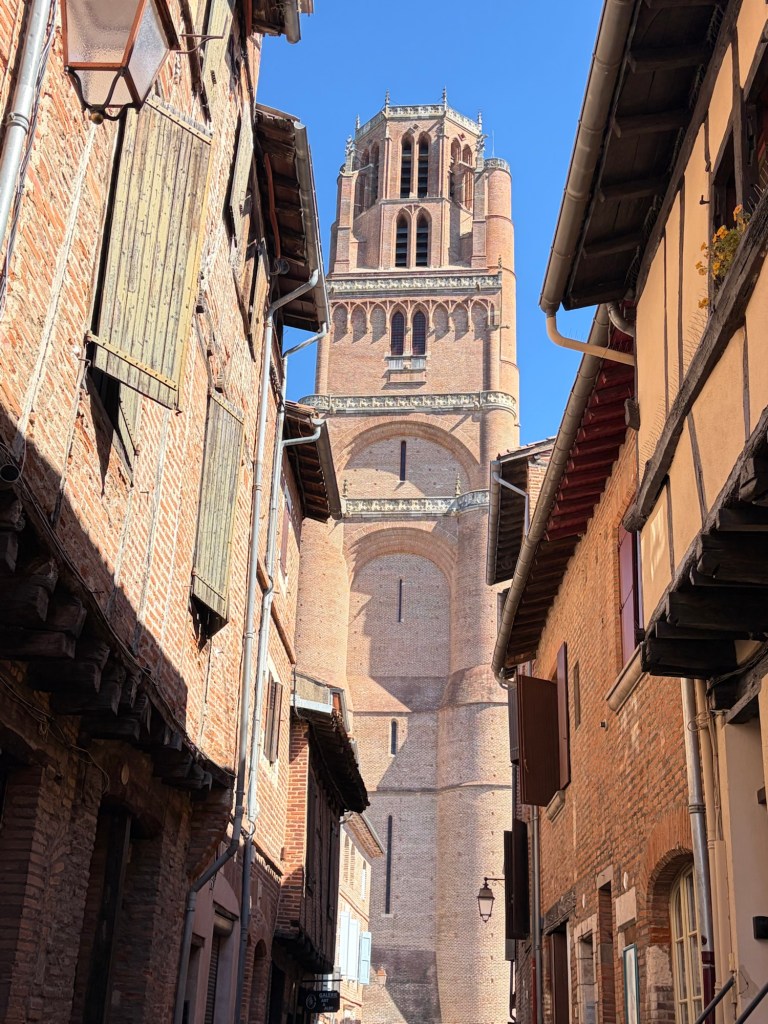
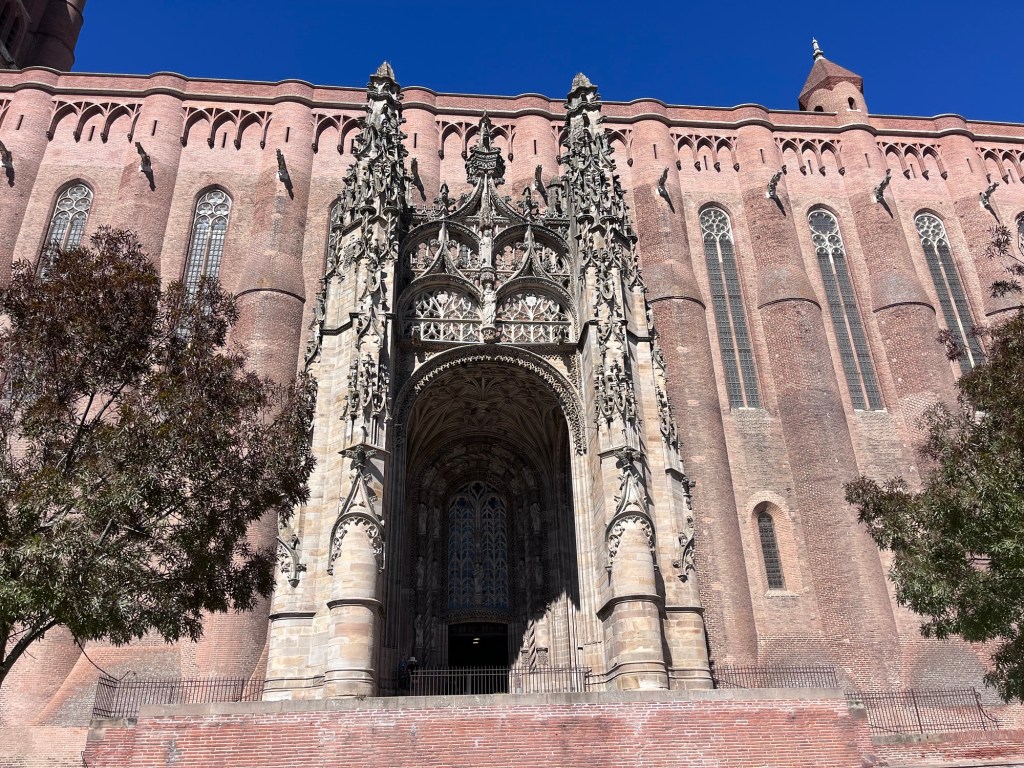
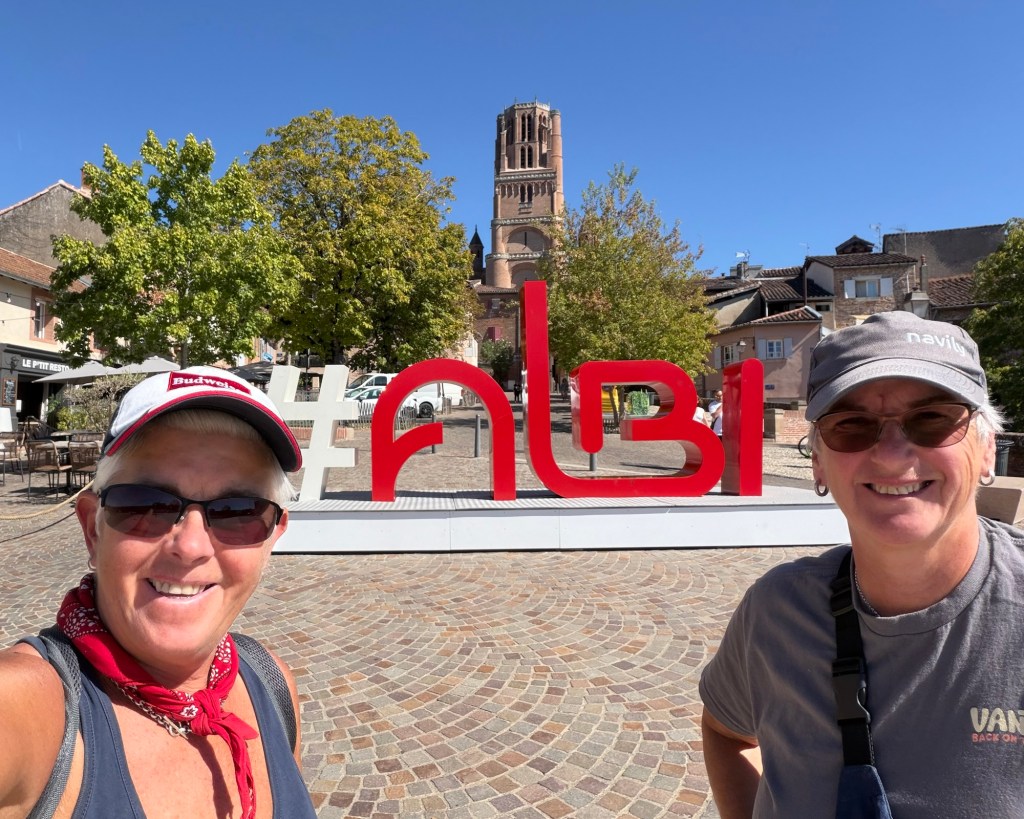
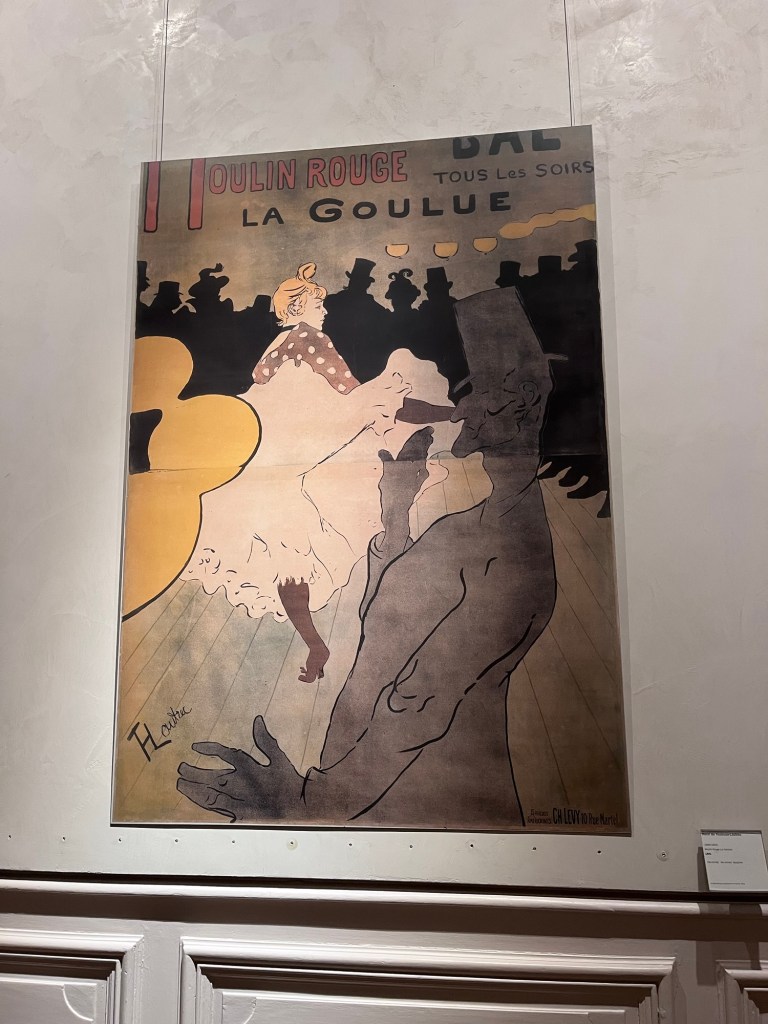
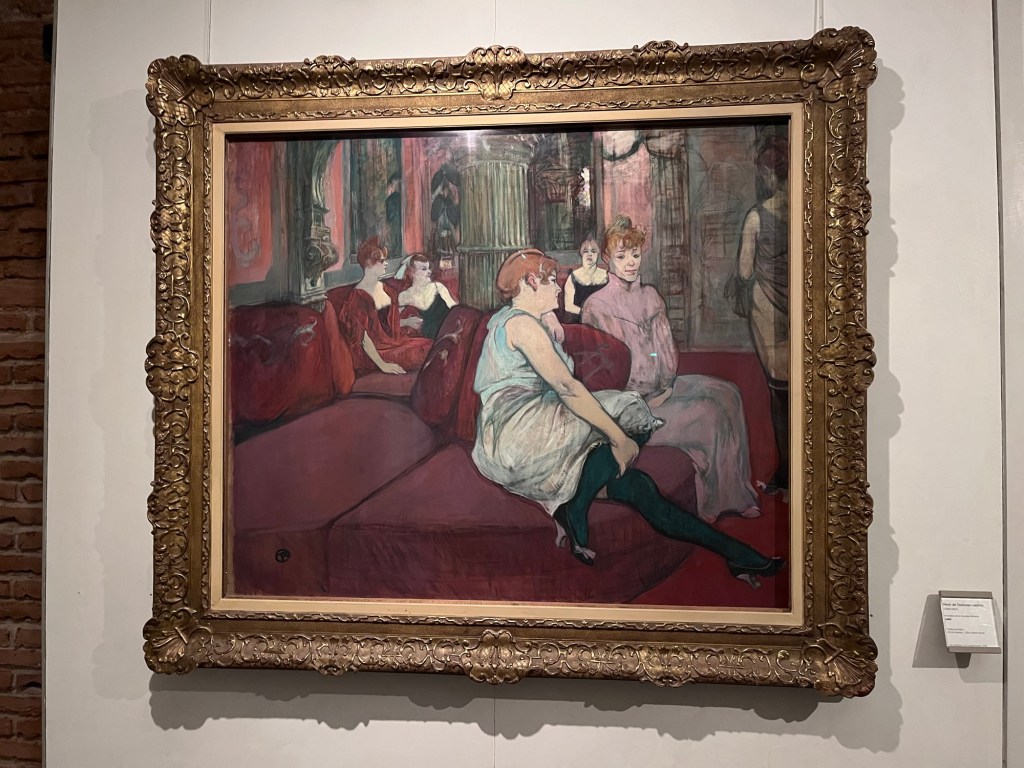
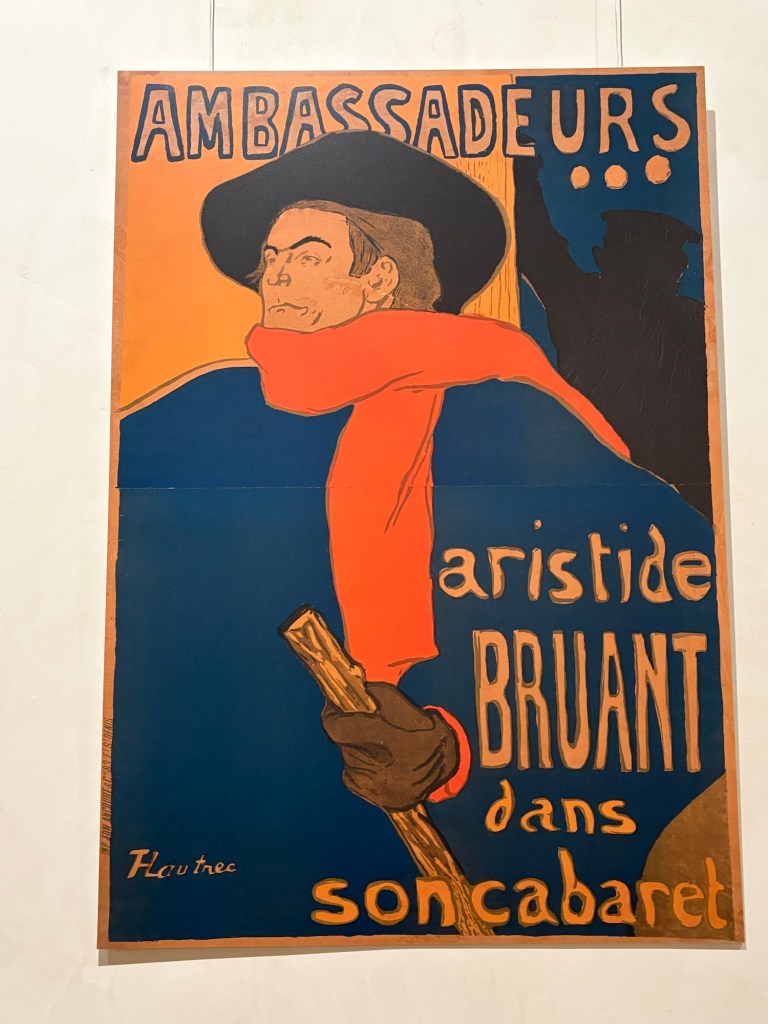
There was a large Toulouse-Lautrec exhibition in a town called Albi that was on the way to Carcassonne and we managed to park quite close to the old centre under a covered market. It was free parking when there wasn’t a market on and it was in the shade, which was great as it was 33°! Albi was a delightful surprise with the biggest brick cathedral in the world at over 70m tall and the exhibition was in the old bishopric palace next door. Toulouse-Lautrec was born in the town and so they had managed to acquire or been donated many paintings and drawings.

After a pleasant couple of hours there we drove onto Carcassonne where we got one of the last remaining places at the camping car aire by the campsite our friends were in (P4N#36930). We didn’t need electricity or facilities so the aire at half the price was perfect for us. We had a lovely evening catching up with our friends.

Photo courtesy of Sheila

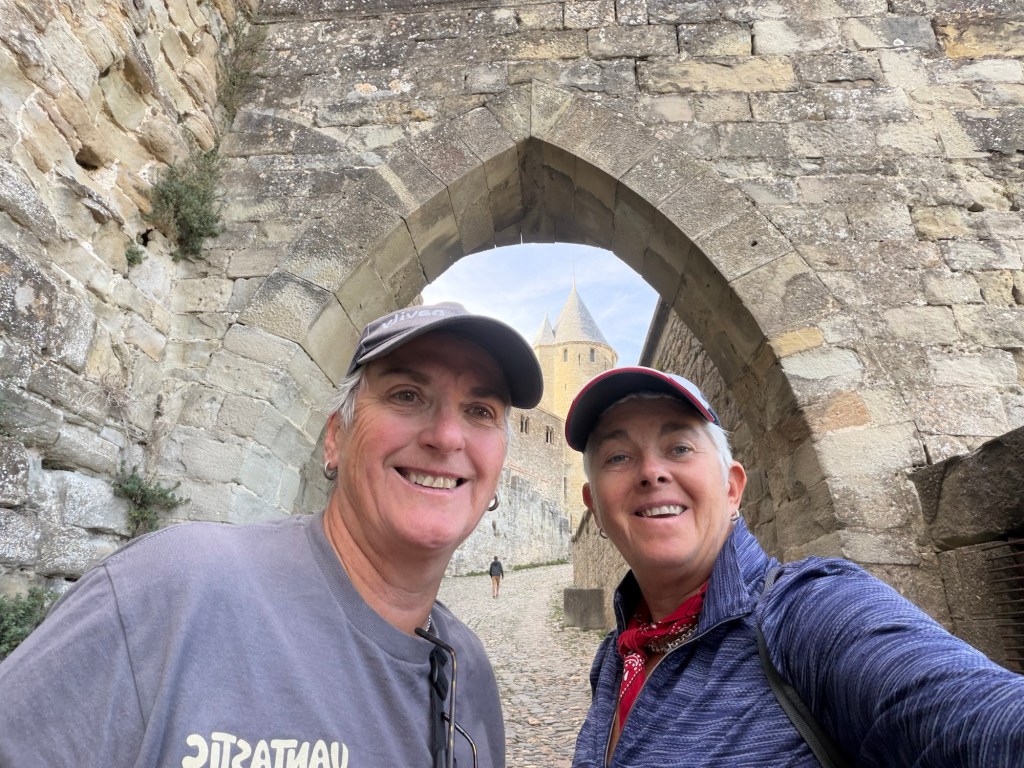
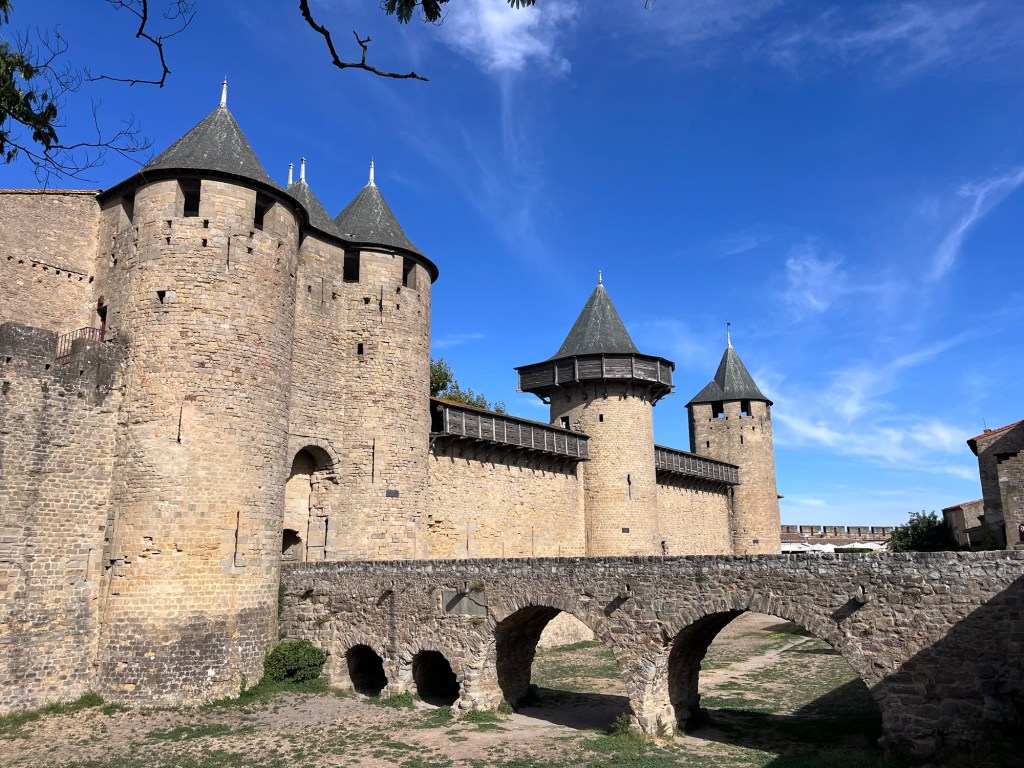
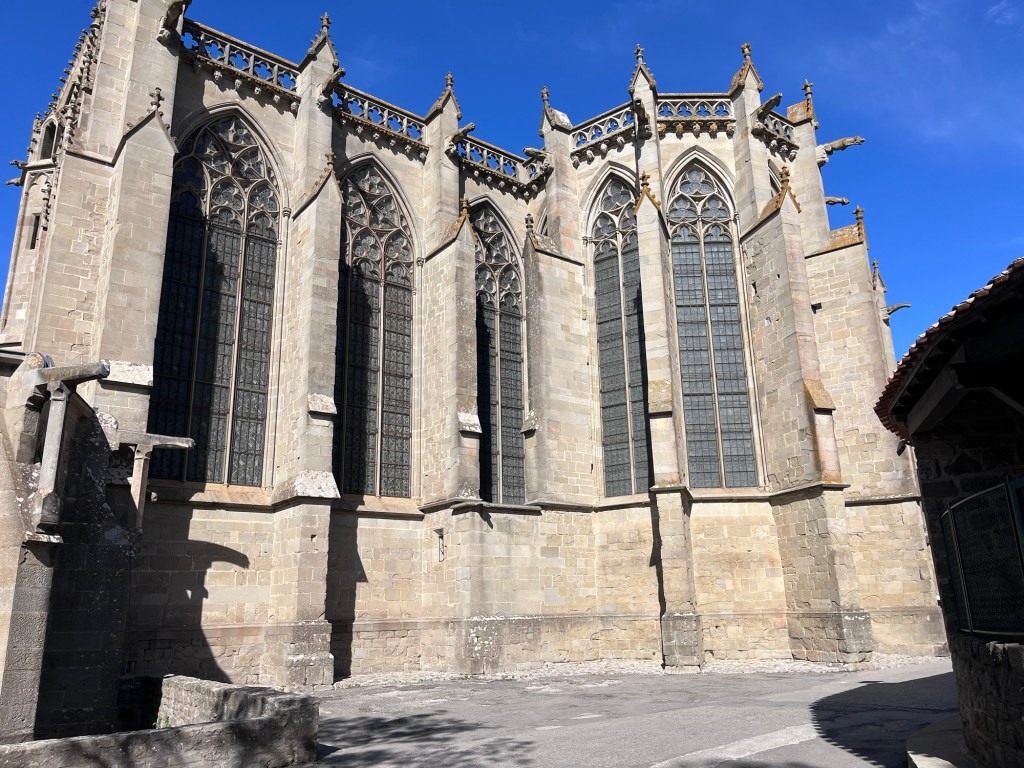
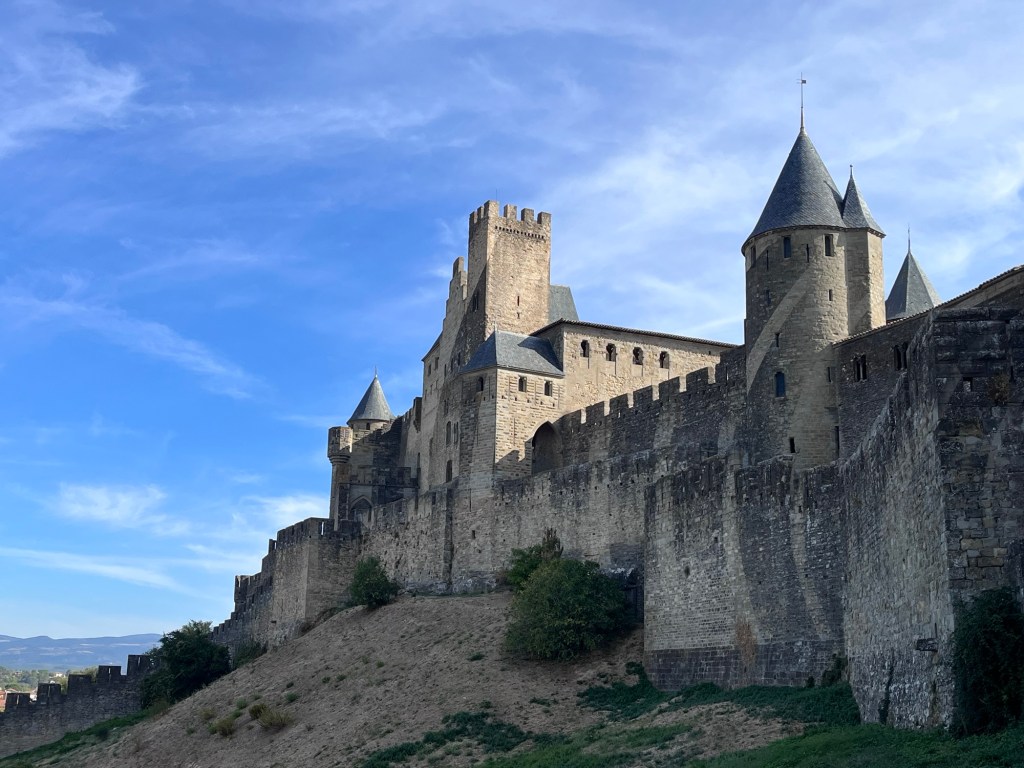
The following morning, we made the mistake of not getting into the old town until after 10.30 and the hordes had truly arrived. The old town was a pleasant 20 minute walk from the campsite along the river and has been inhabited for over 2,500 years. It has 52 towers and 3km of ramparts but after spending a couple of hours there we had had enough of the crowds so we hightailed it back to Dora for lunch.

In the afternoon, we decided we wanted to cycle over the Pont Vieux, built in the 14th century, to the Canal du Midi. The canal was one of the options we had considered when we wanted to take our previous boat, Nimrod, down to the Mediterranean. We opted to sail around the coast and across the Bay of Biscay in the end but wanted to see it for ourselves. It was all a bit underwhelming despite having been built in the 17th century to link the Atlantic and the Mediterranean. Back to the van for pizza with our friends.

Miles since last blog: 202

Total miles this trip 1,488
Auxerre to Sancerre and beyond

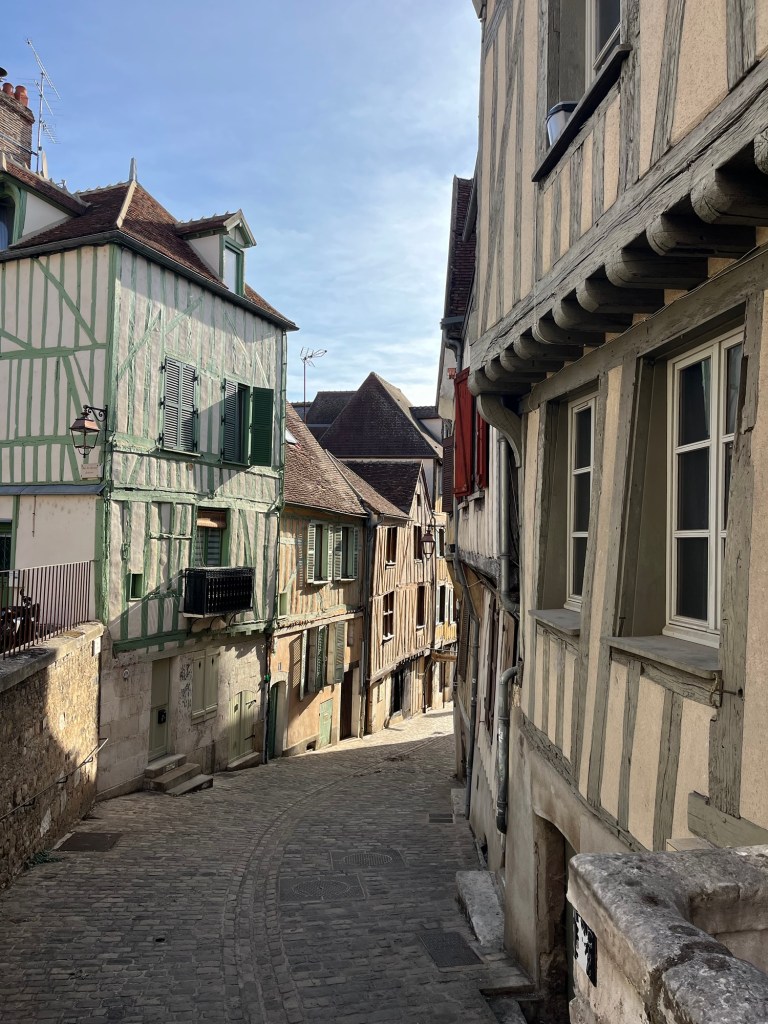
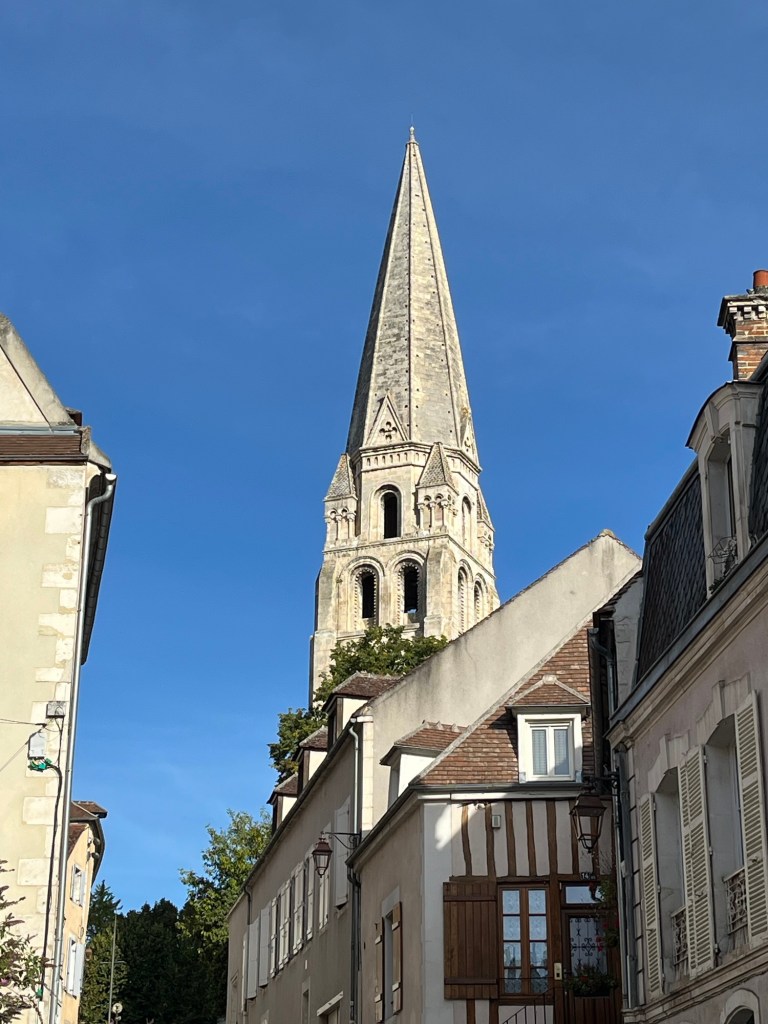
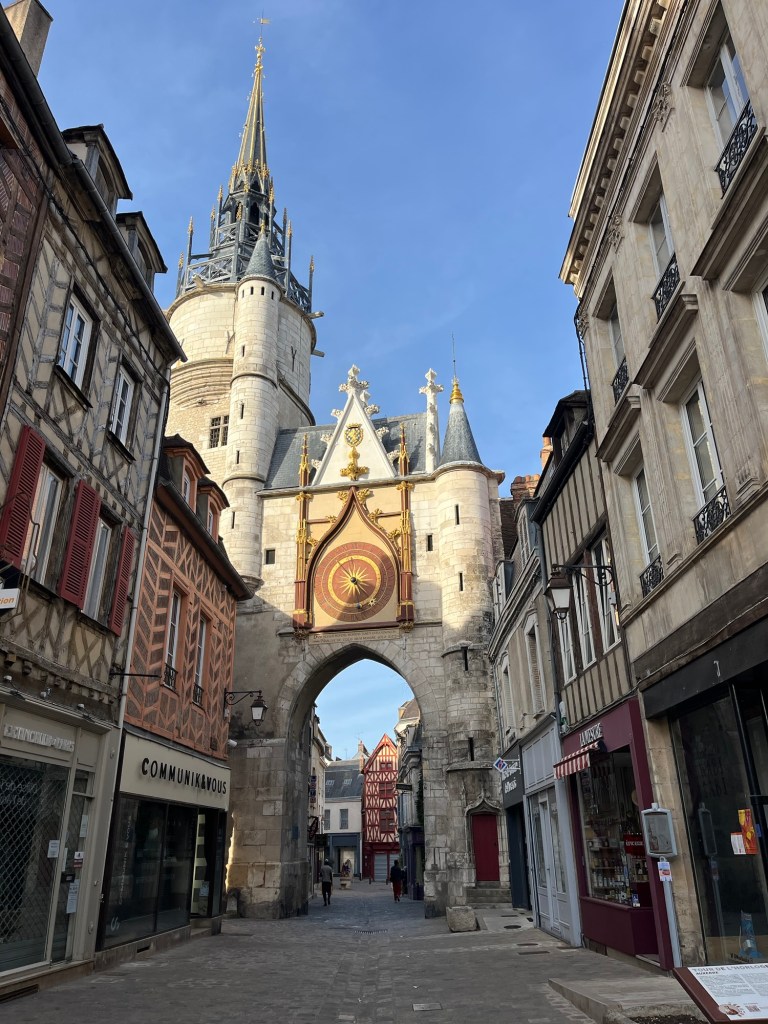
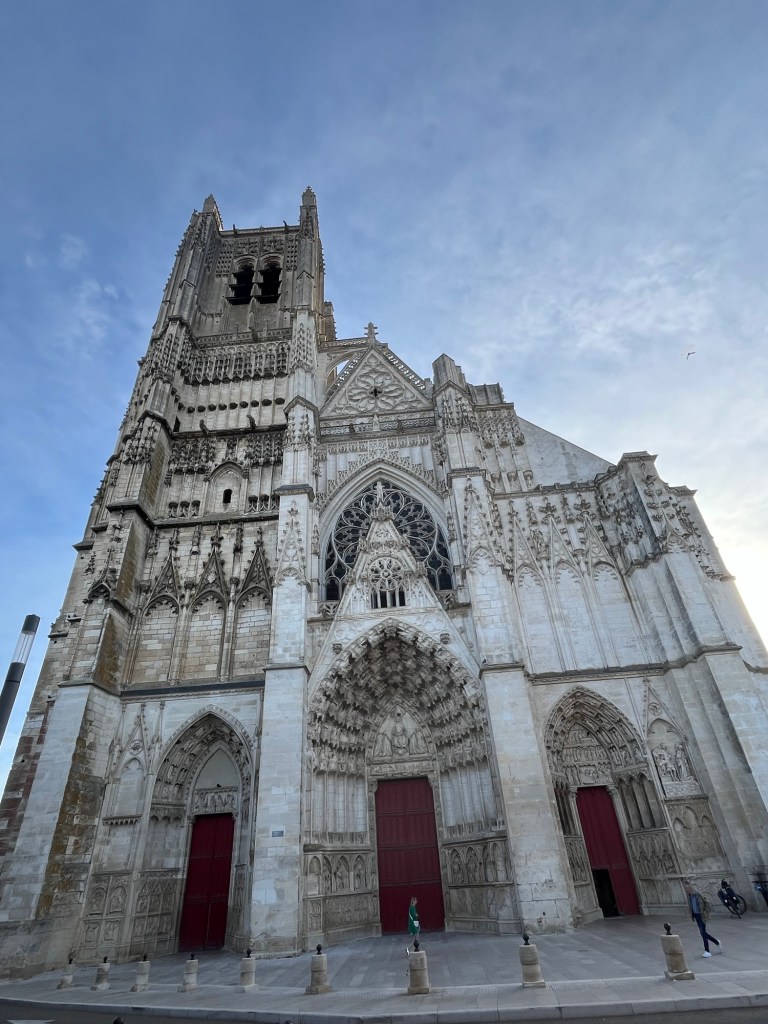
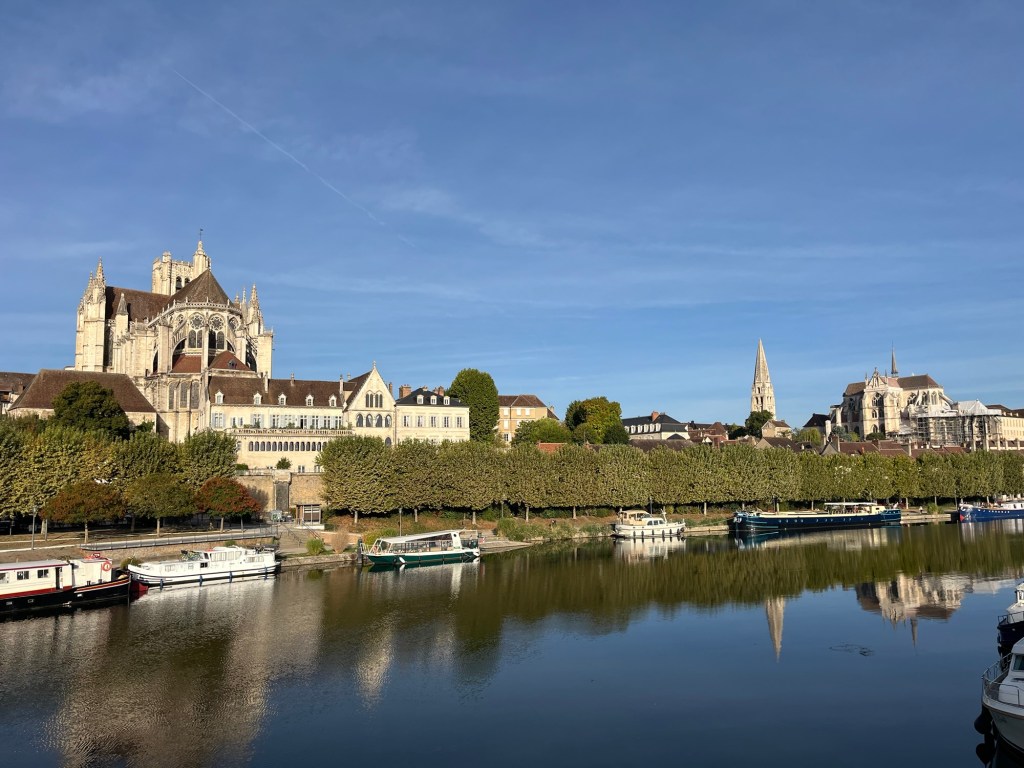
Having had to get up whilst it was still dark on Sunday morning, September 20, we made excellent time getting to Auxerre. There was even space at the car park we had chosen (P4N#3021) despite the fact that none of the overnighters had yet left! Liz went back to bed for an hour or so before we had breakfast and ventured into town. Auxerre is another medieval town so the car park was on the other side of the River Yonne but with a footbridge nearby. It was a lovely town with a 13th century cathedral, a medieval clock tower and a 5th century abbey. All visited via the old cobbled streets. The town itself dates back to the 1st century and was the capital of the Roman Empire in the 4th century. Delightful place and because it was so early, devoid of people. The whole visit was done and dusted by 10.00.

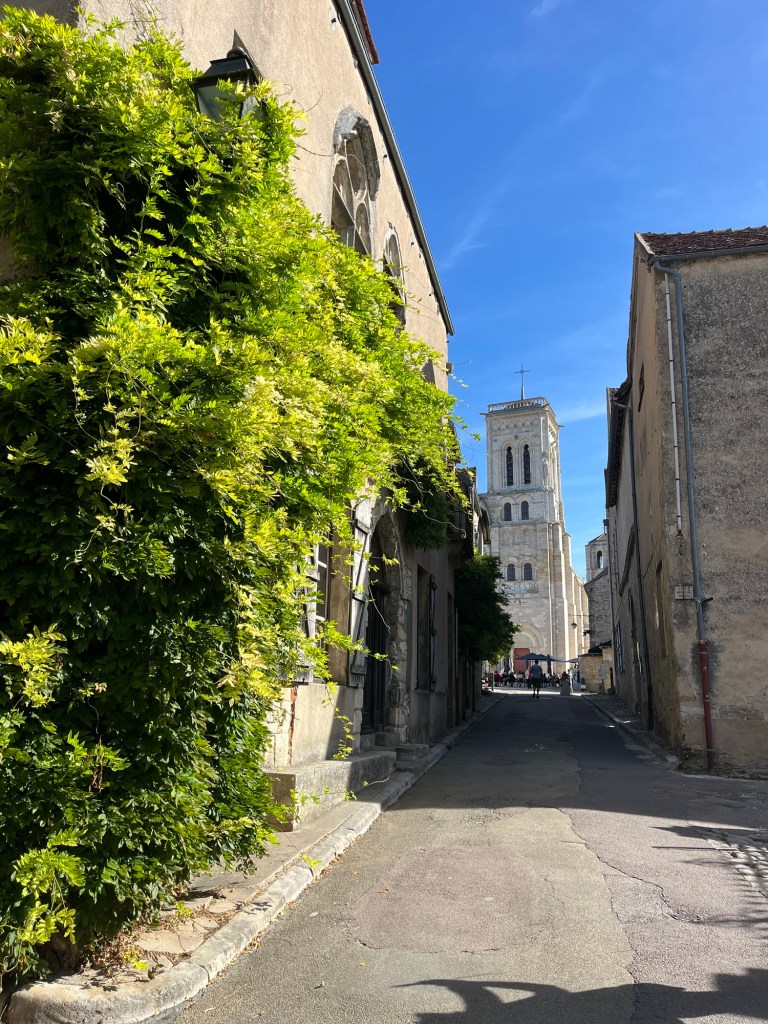
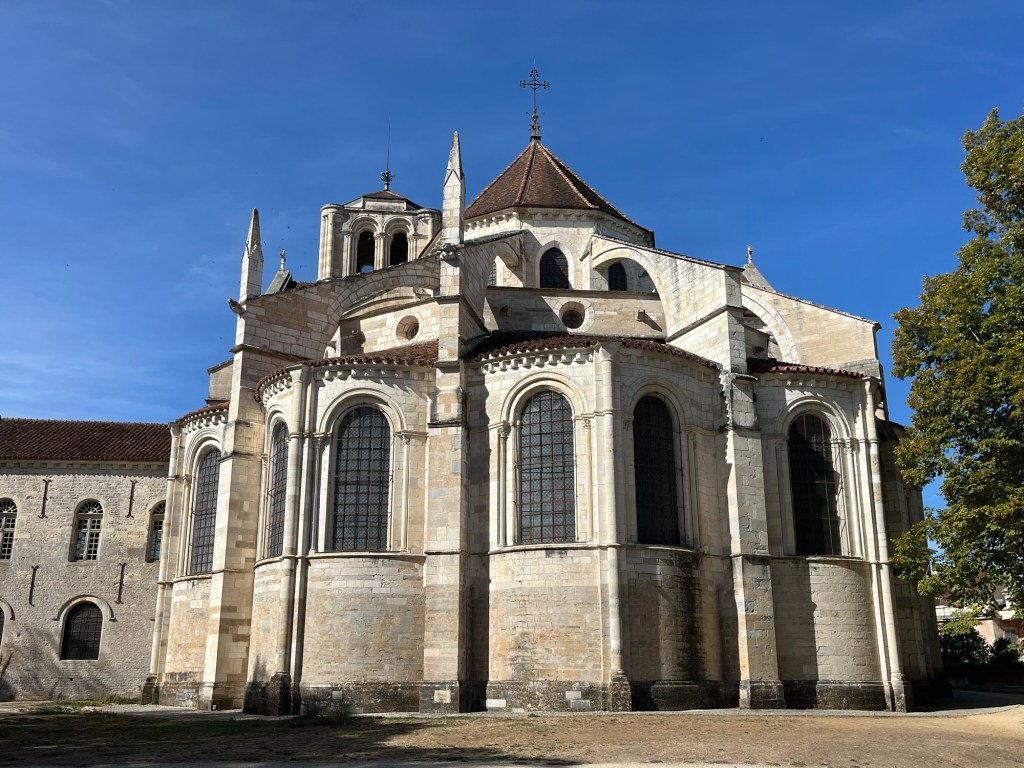
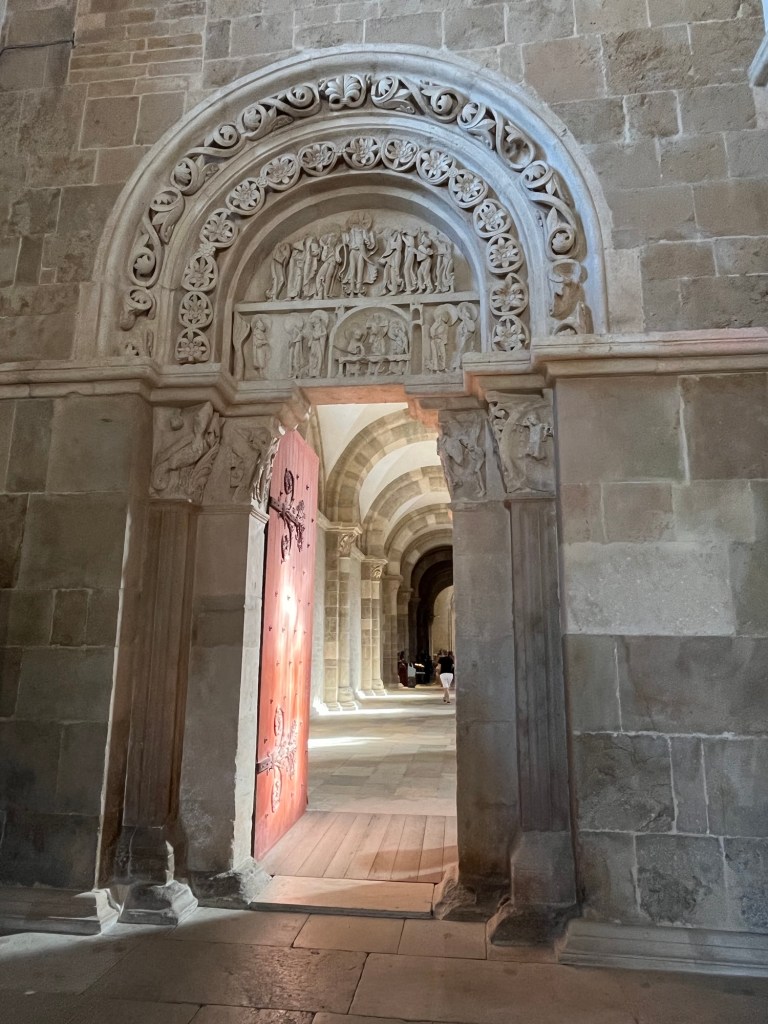
Onto the village of Vezelay, a UNESCO site with a religious context. It wasn’t in our guide book which seems strange given its UNESCO standing. The abbey at Vezelay supposedly holds the relics of Mary Magdalen and as such became a major pilgrimage destination from the 11th century. In fact, it’s the starting point in France for the Camino de Santiago de Compostela. We parked at the bottom of the village and walked up. Why are all churches at the very top of steep hills??!

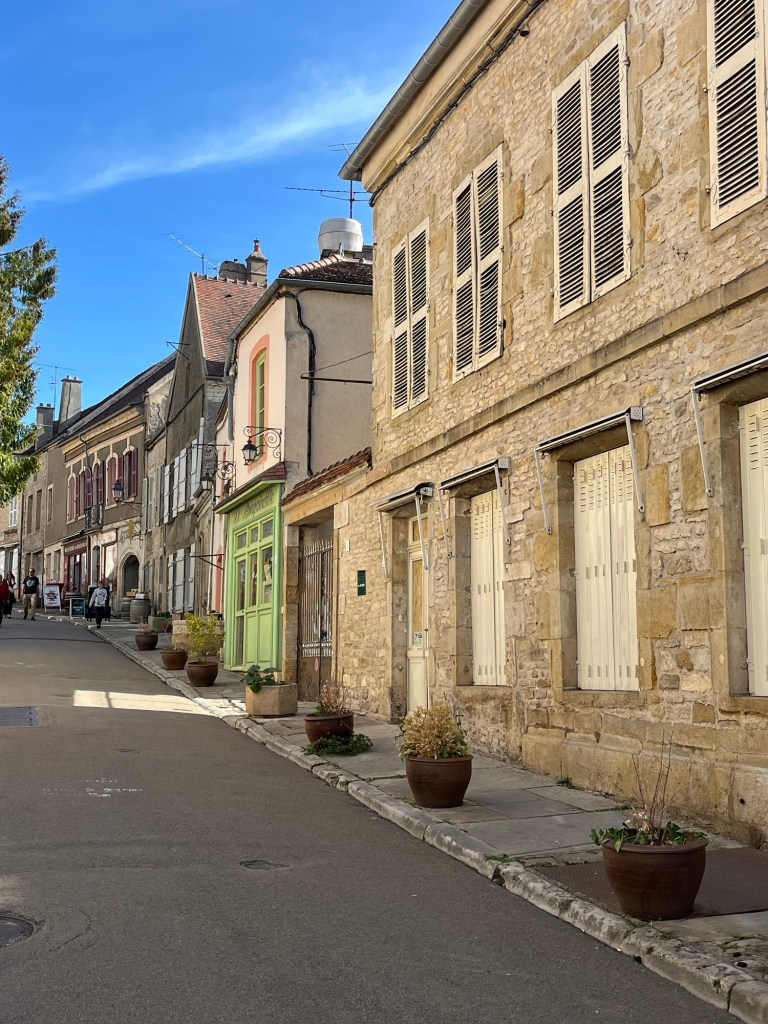
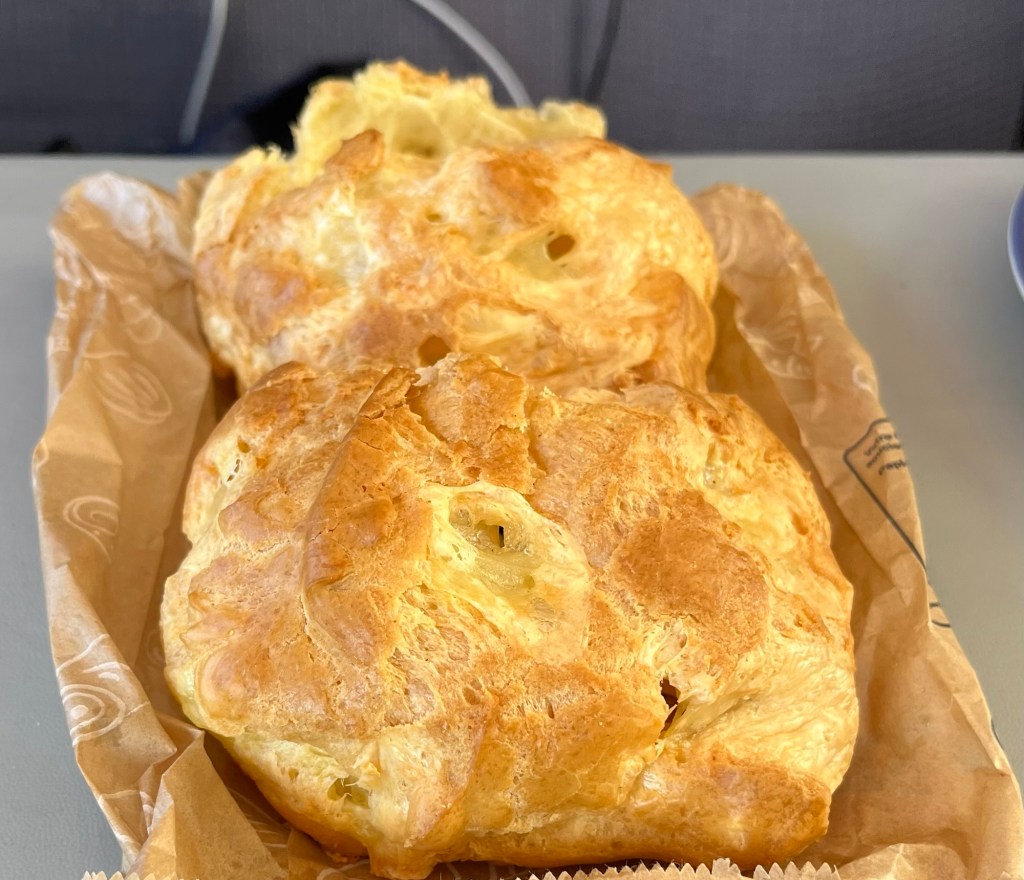
It was actually quite nice wandering the streets after visiting the Abbey although fairly touristy. We succumbed into buying a bottle of the local beer and a cheese brioche thing called Gougère. It was rather delicious.

Gougère

Next stop was Sancerre. We had low expectations as one review had described it as not one of the beau villages en France. We thought it was delightful. Again, it probably helped that it was mid afternoon on a Sunday. We popped into a wine shop and bought a couple of bottles, of course!

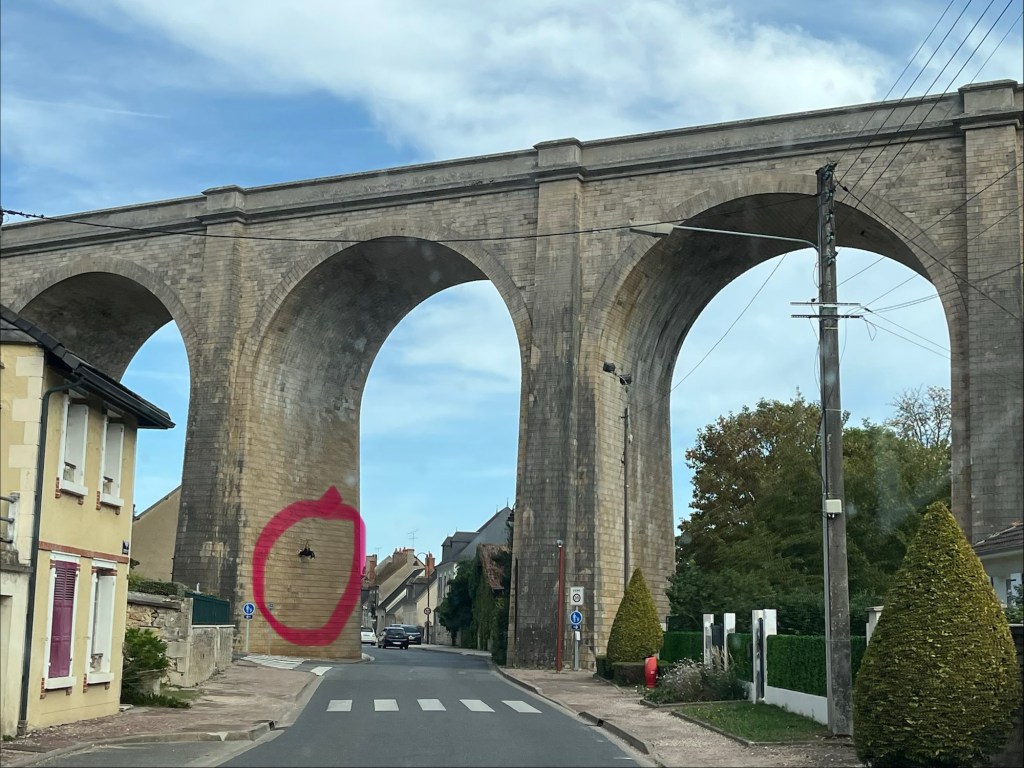
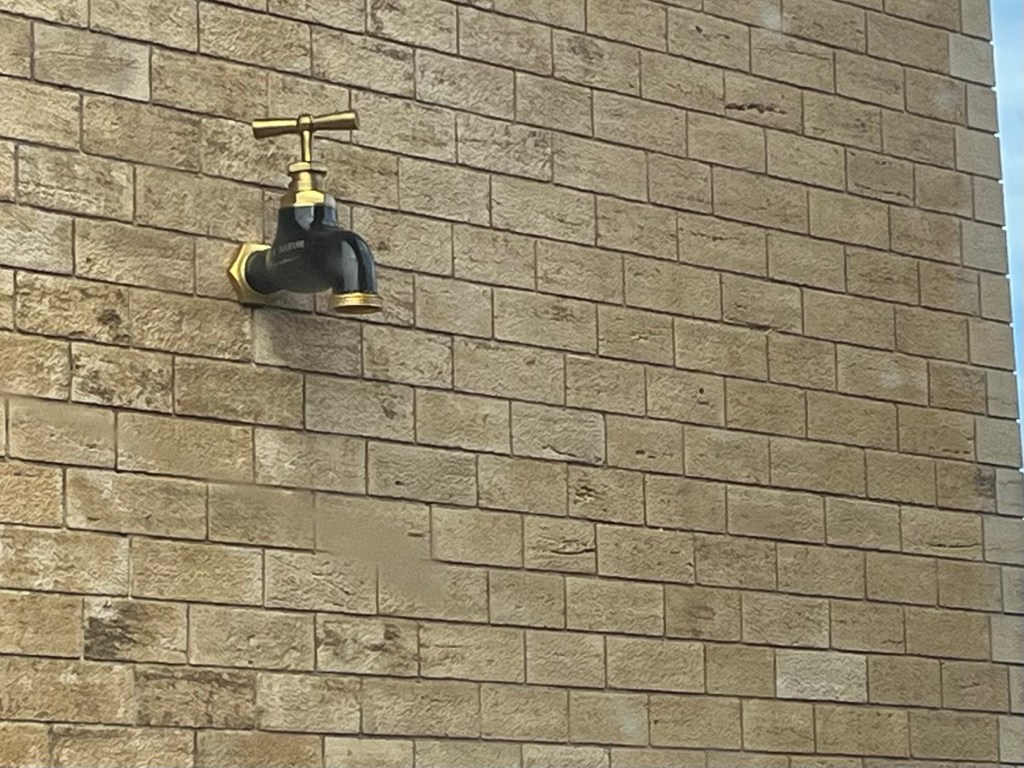
When we were driving out of Sancerre, we noticed a viaduct that had a water tap halfway up the wall. No idea why!

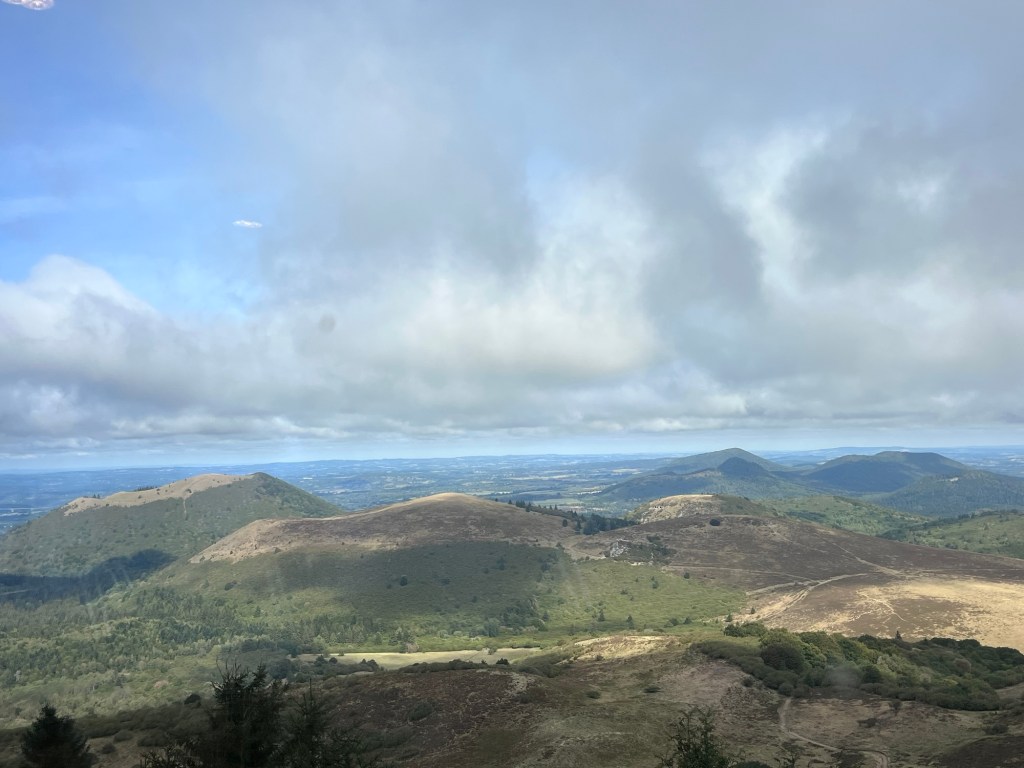
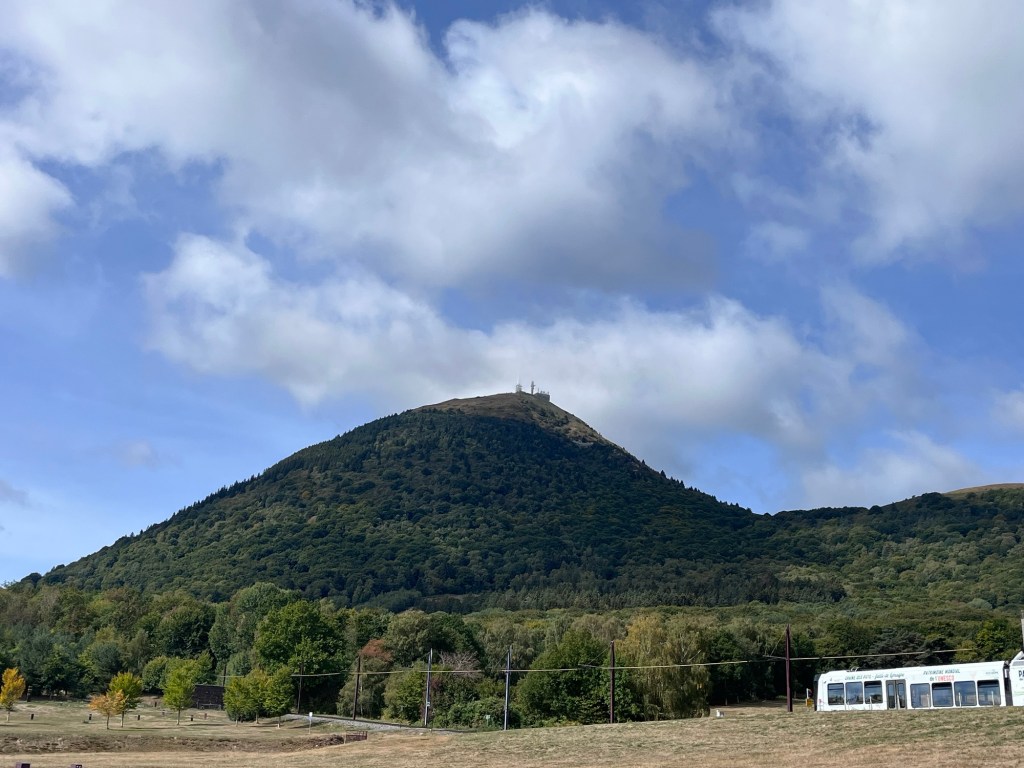
From there we continued heading vaguely south towards the Massif Central. There are a number of extinct volcanoes there that make up the Chaîne de Puys. You can see why the French Resistance squirrelled themselves away so effectively when the Germans took over Vichy France. The woods are vast with lots of trails making it very difficult to follow if you were not a local. Apparently, the Tour de France came up the Puy de Dôme this year. We were very impressed given the gradients! We stayed overnight near the Puy de Dôme at a free park up (P4N#444818) nestled amongst trees. Lovely end to the day.

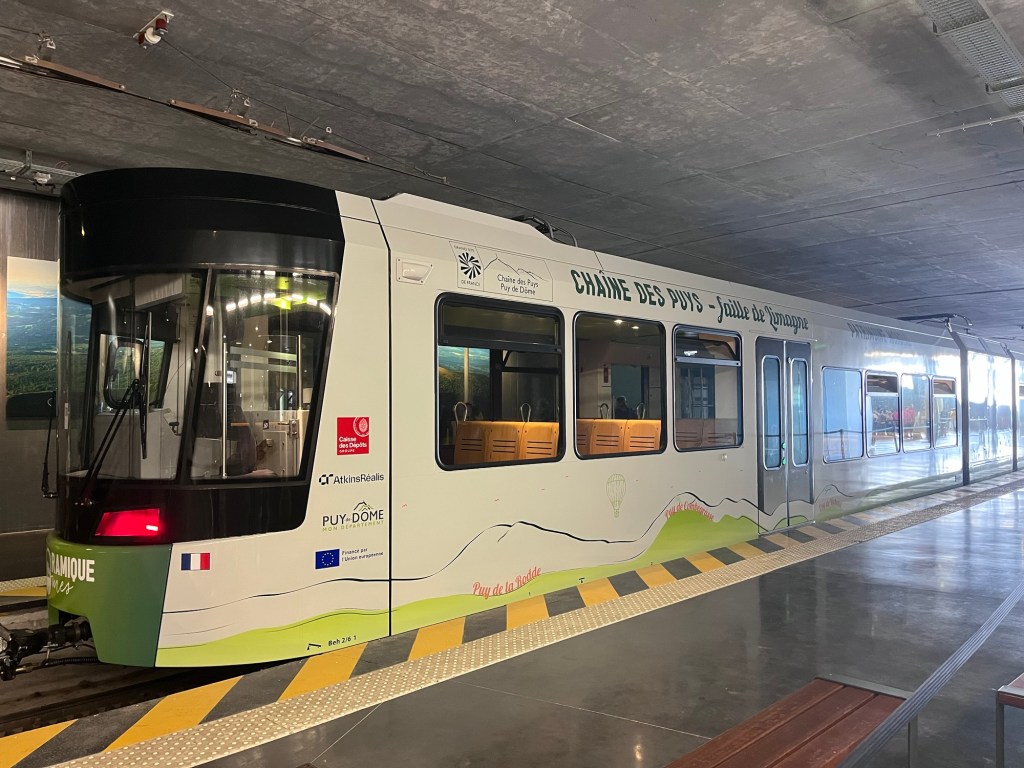
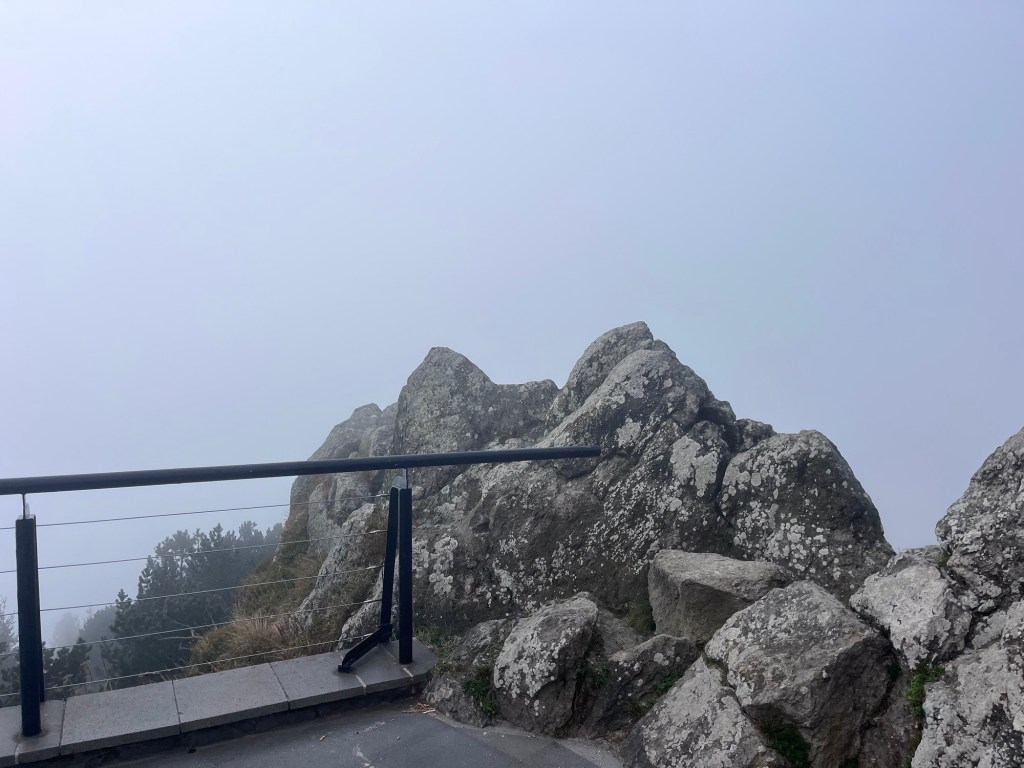
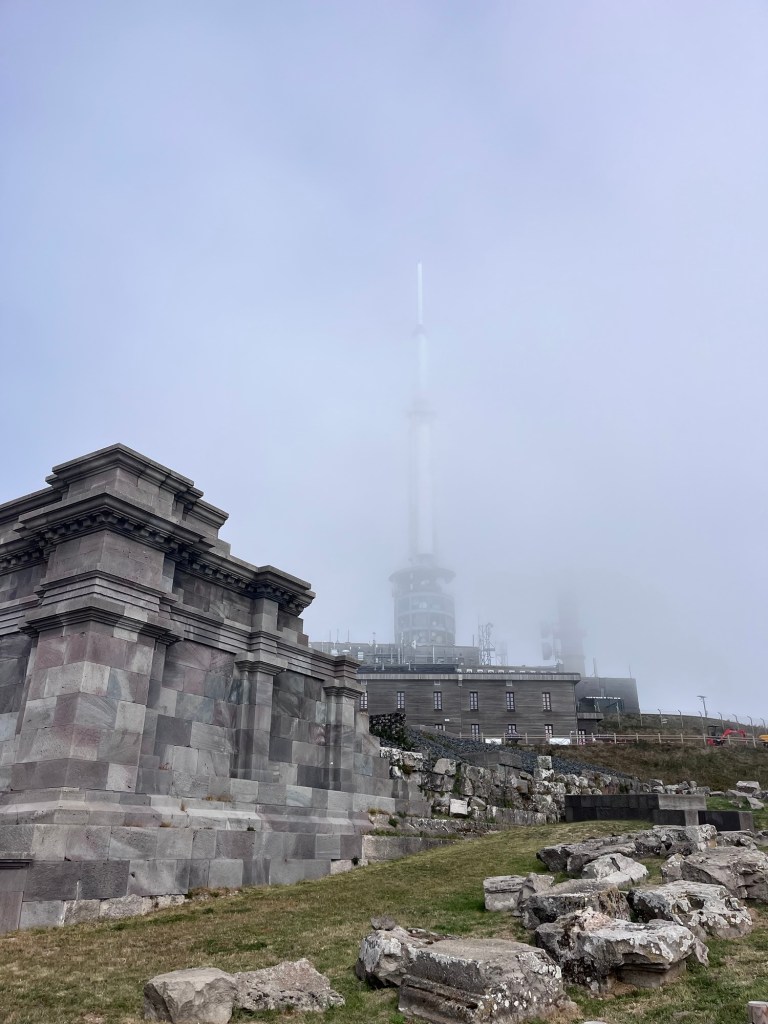
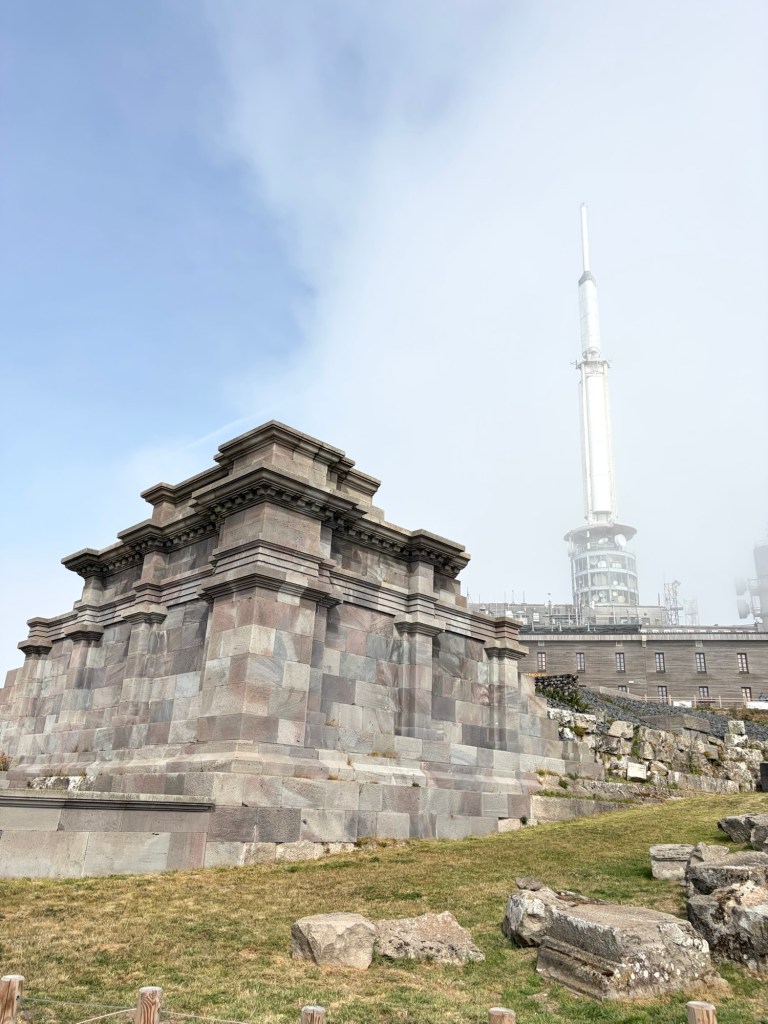
On Monday morning, we drove up to the train station to the Dôme as we didn’t fancy the trek up. We’d bought tickets the night before, not realising that there would be low cloud in the morning so we wouldn’t be able to see a lot from up there! We could have waited but we had lots to do so we caught the train anyway.

It was a lovely journey up and even though there was zero visibility most of the time, it was still fun. There was even a Temple to Mercury up there that was discovered in the 19th century. The museum was very interesting. One of the first longer distance airplane flights landed on its crest in 1911 to claim the prize of 100,000 Francs from the Michelin brothers. They had to take off from Paris and land at Puy de Dôme within 6 hours.

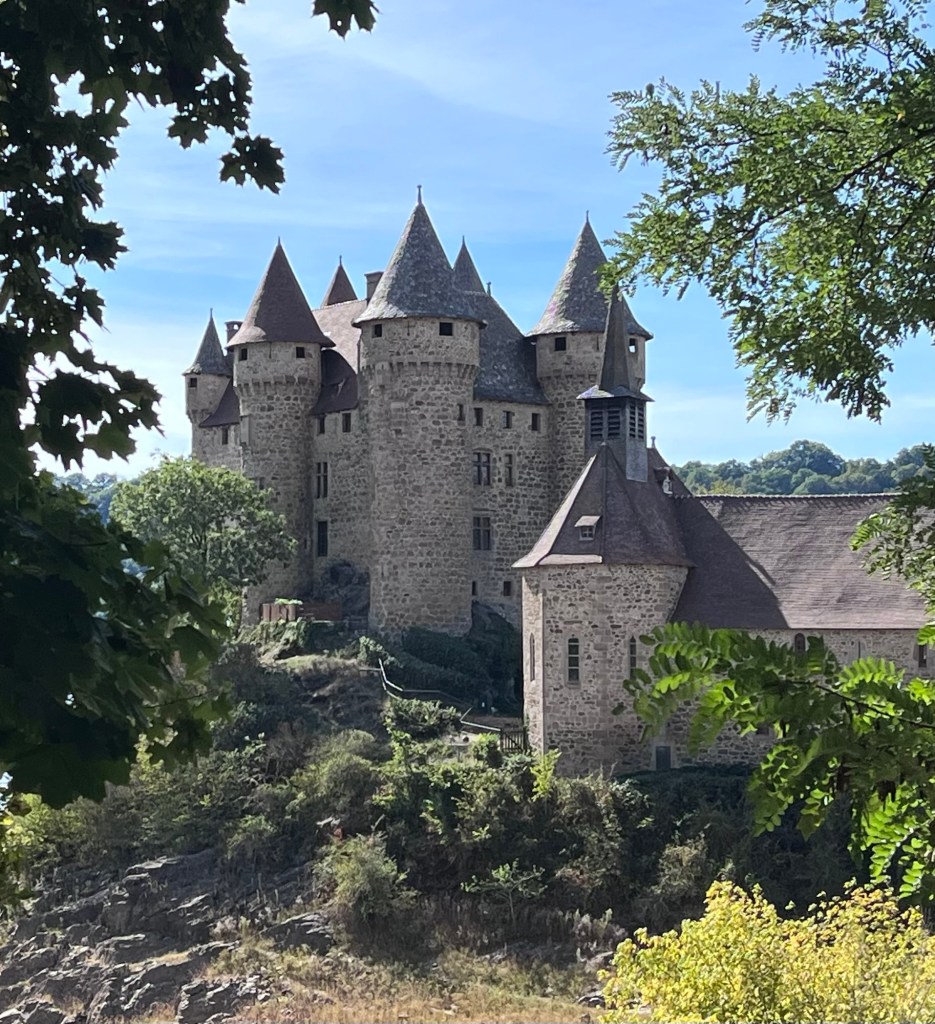
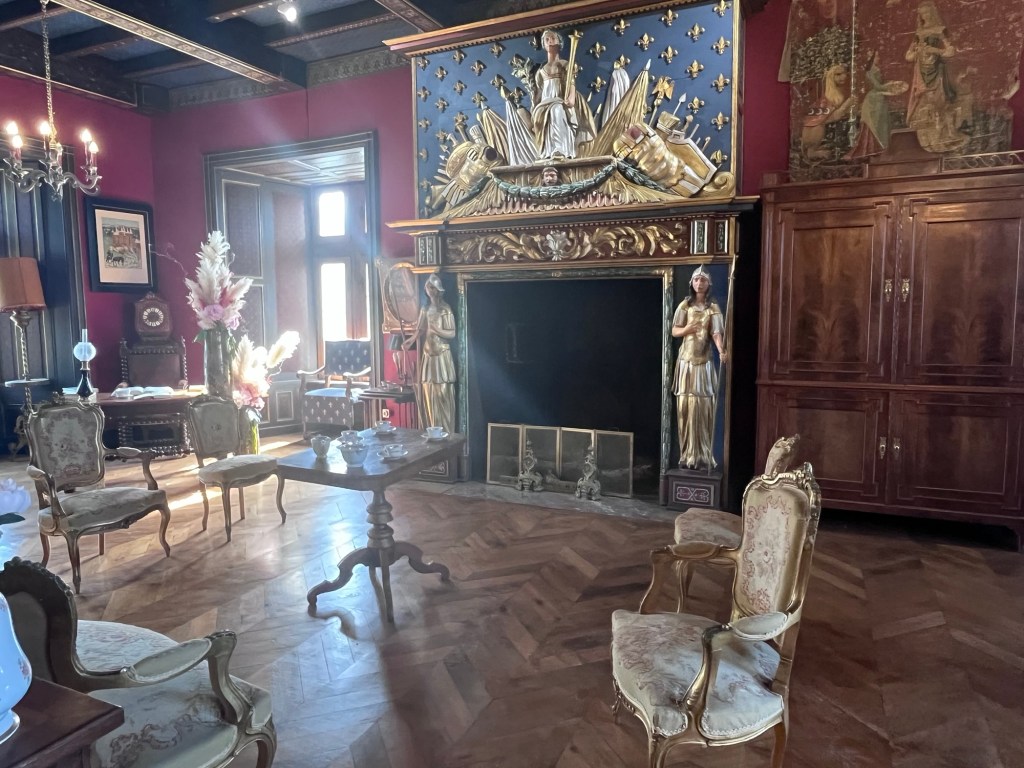
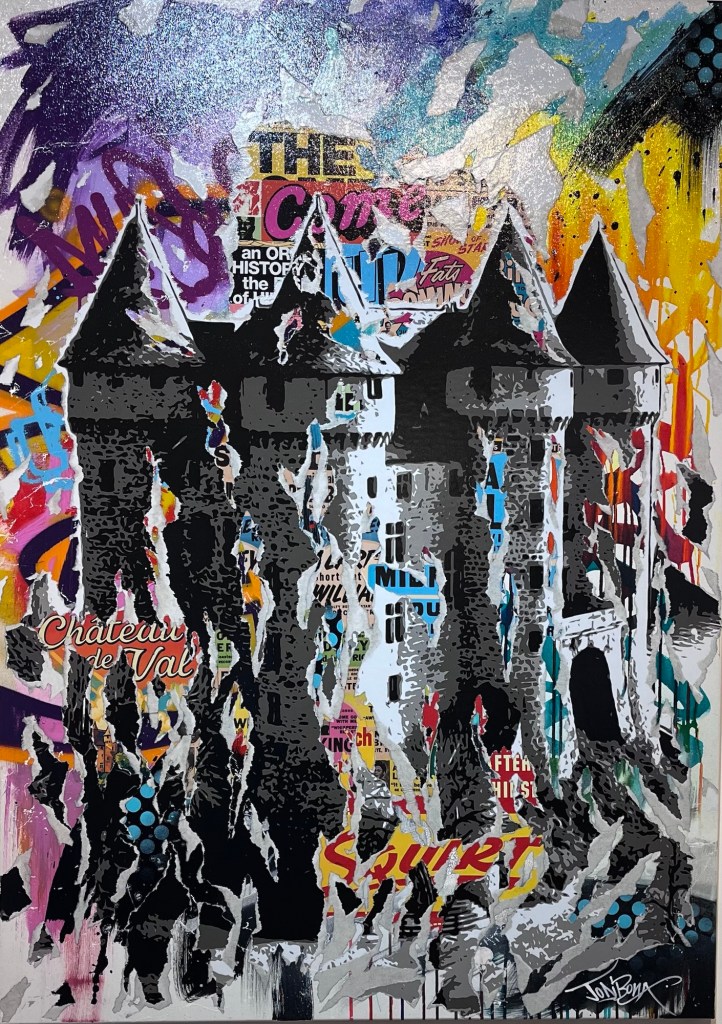
Back down on the midday train before heading onto Chateau de Val. The castle was on the Dordogne River. It sat very majestically on its promontory but was less impressive inside. The best part was the modern art exhibition by Jo Di Bona.

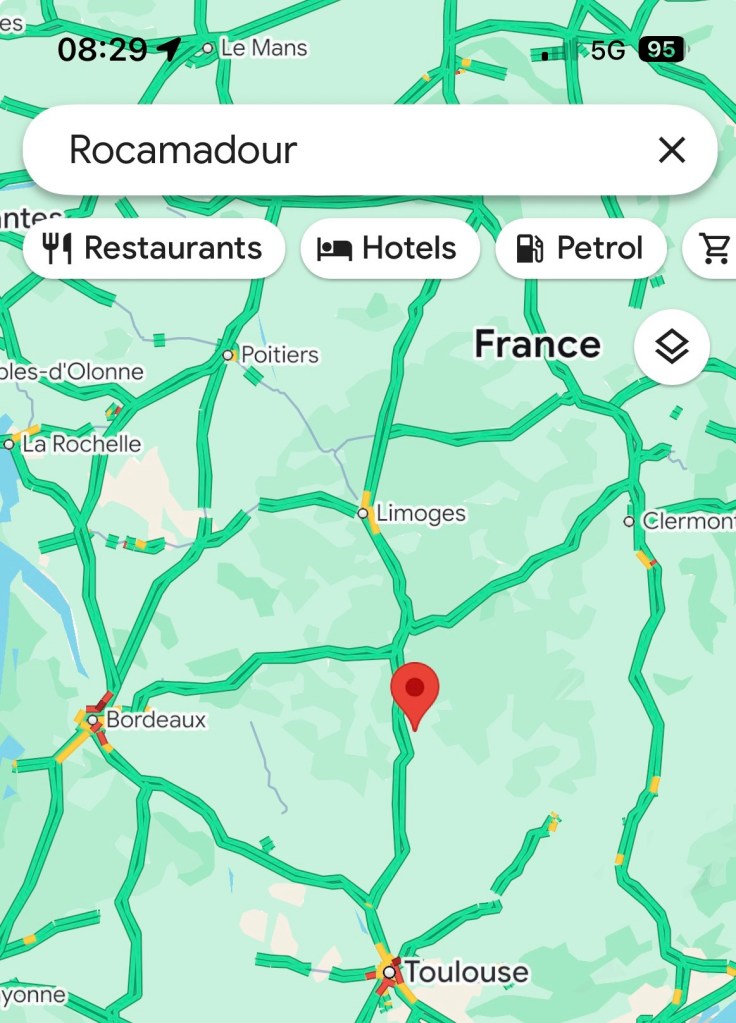
We finally made it to our overnight stop at Rocamadour (P4N#17495) around 19.00 in preparation for an early start in the morning.

Miles since last blog: 411

Miles this trip: 1,286