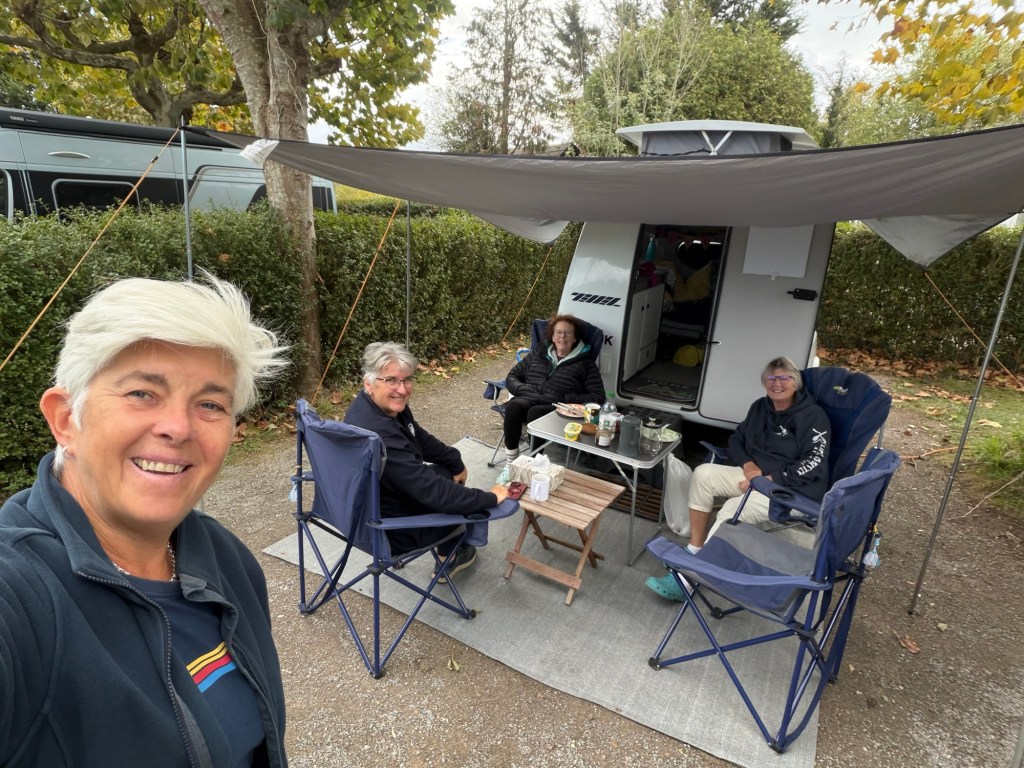
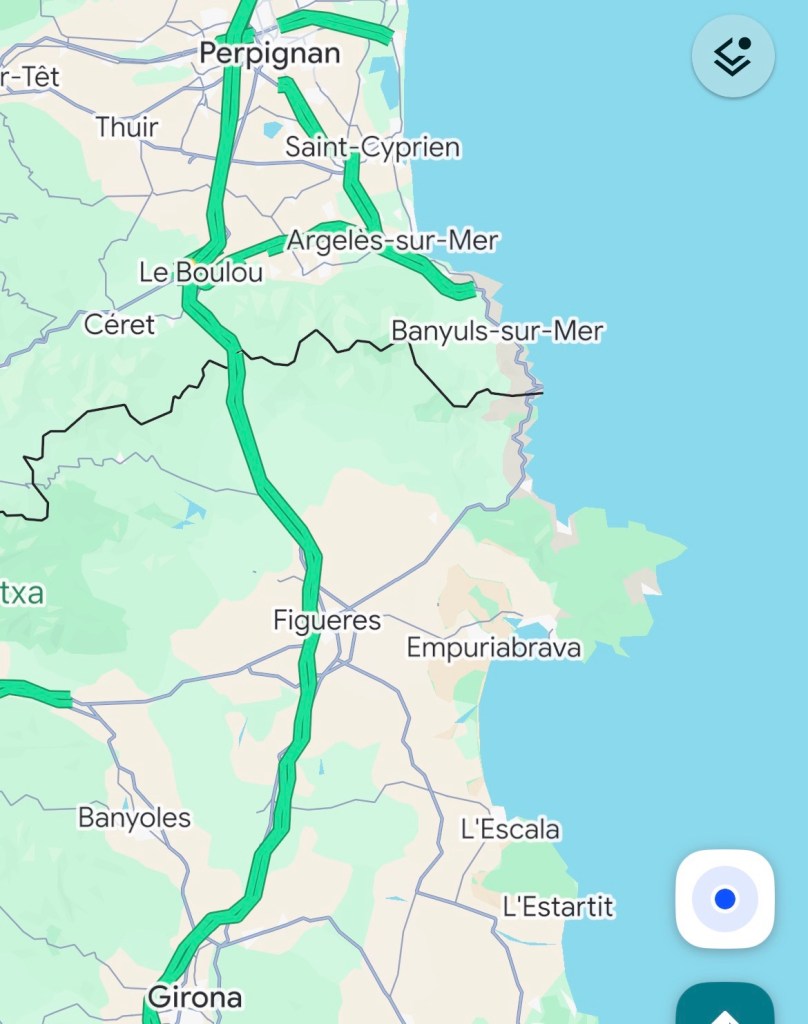
Home (eventually!)

It was clearly time to come home when we woke up to a dull, cloudy sky on Saturday, October 10. We had only an hour’s drive through the mountains from Bermeo to Bilbao. The car park/aire we had stayed in was perfect as it was quiet, had waste disposal so we could empty everything before getting on the ferry and was on hard standing so didn’t need to worry if it rained. The only downside had been that it was yet another app that needed to be downloaded before you could arrive as you have to reserve your space ahead of time. Being Spain, you also have to enter all the relevant information about yourselves as well, assuming you have good enough reception! Whilst in France, we only needed the previously downloaded France Passion and Camping-Car Park although we did download Qipeo as it had been recommended but we didn’t use it in the end. Previously, in Spain we had just used Park4Night but found we needed new apps like PVerde and TripStop as towns have now regulated their park ups more and realise there is money to be recouped for the investment in facilities.

Anyway, back to Saturday morning. Whilst having breakfast, we were entertained by the number of cars who came up to the barrier thinking it was the car park next door. They would then quickly reverse and go down the road to the height restricted entrance. However, two cars in a row managed to slam, at speed, straight back into a lamppost they hadn’t seen behind them. The first car couldn’t believe it as there was much wringing of hands and choice words. The second one was so embarrassed that he drove off despite his rear light hanging off which then fell to the ground.

We left around 10.15 and had a lovely drive through the countryside to the ferry port. We had set our sat nav to “No Toll Roads” at the beginning of the trip and it has meant that we have seen lots of wonderful countryside as well as lovely villages. Generally, it’s added maybe 30-60 minutes on a longish journey but well worth it. We arrived at the port around 2 hours ahead of the sailing time of 13.00 but we literally didn’t drive on until 12.50. We aren’t quite the last but pretty close. However, our friends, Sue and Sheila were one of the first on so they had nabbed seats at the front of the Commodore’s Lounge for us. As it was an overnight crossing, we had booked a cabin and, on their advice, the lounge. It was brilliant as there was plenty of seating, drinks and food all day just like an airport lounge. Given we would have had to buy our own food and drink for the 28 hour crossing, it pretty much paid for itself and was also a very pleasant environment. It also had the added advantage of being an excellent place to spot dolphins which we did on Sunday morning.
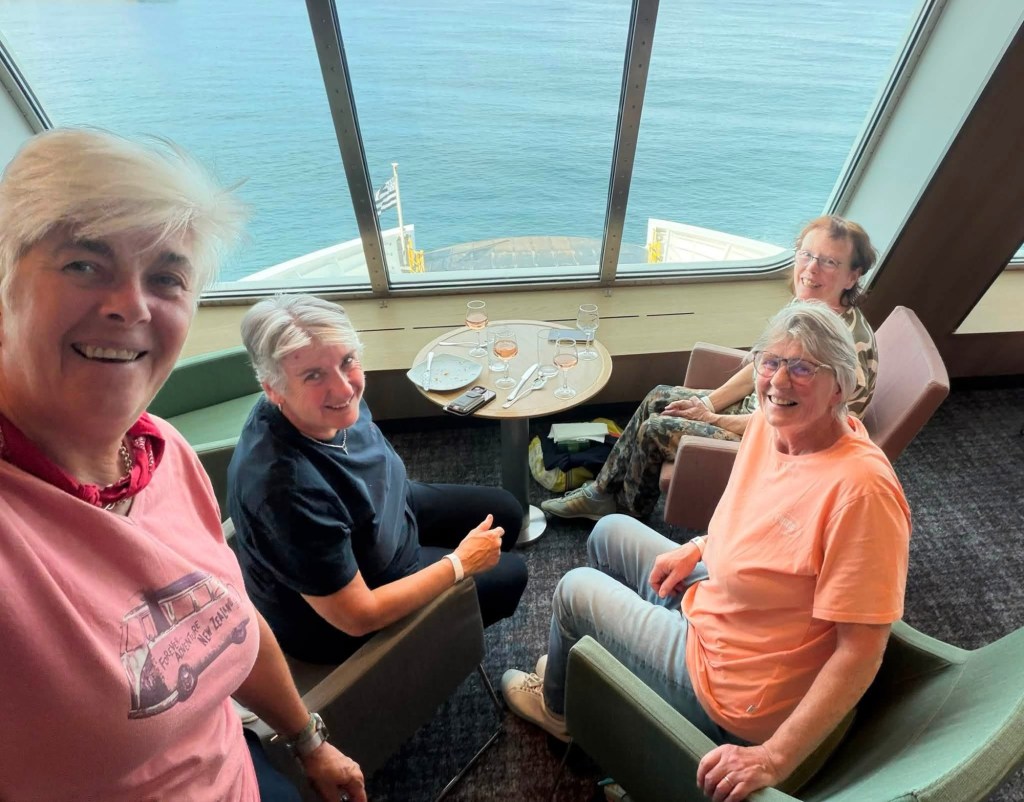
It was probably just as well we had paid for the lounge as our arrival time was delayed by over 6 hours due to engine trouble. We finally arrived at Portsmouth at midnight so got home at 02.30 and to bed at 03.30. Exhausted but happy to be home.

We drove over 2,600 miles, visited 5 different countries excluding the U.K. in just short of 6 weeks. We used over 430 litres of fuel costing us nearly €900 so perhaps it wasn’t the best time to go on a road trip. The Netherlands was the most expensive at €2.46 per litre and Andorra the cheapest at €1.73. We spent 18 nights in proper campsites (11 of those were in Holland where they don’t really offer aires). We ate out 10 times in total over the 41 days. We had a great time visiting places we had not been to before as well as returning to old favourites. Dora will now be put to bed for the winter but, who knows, maybe we will take her out for a cheeky little trip over the coming months.

Miles since last blog: 118

Miles this trip: 2,661

Our road trip courtesy of Travel Boast and Wildertrips.
Basque Spain

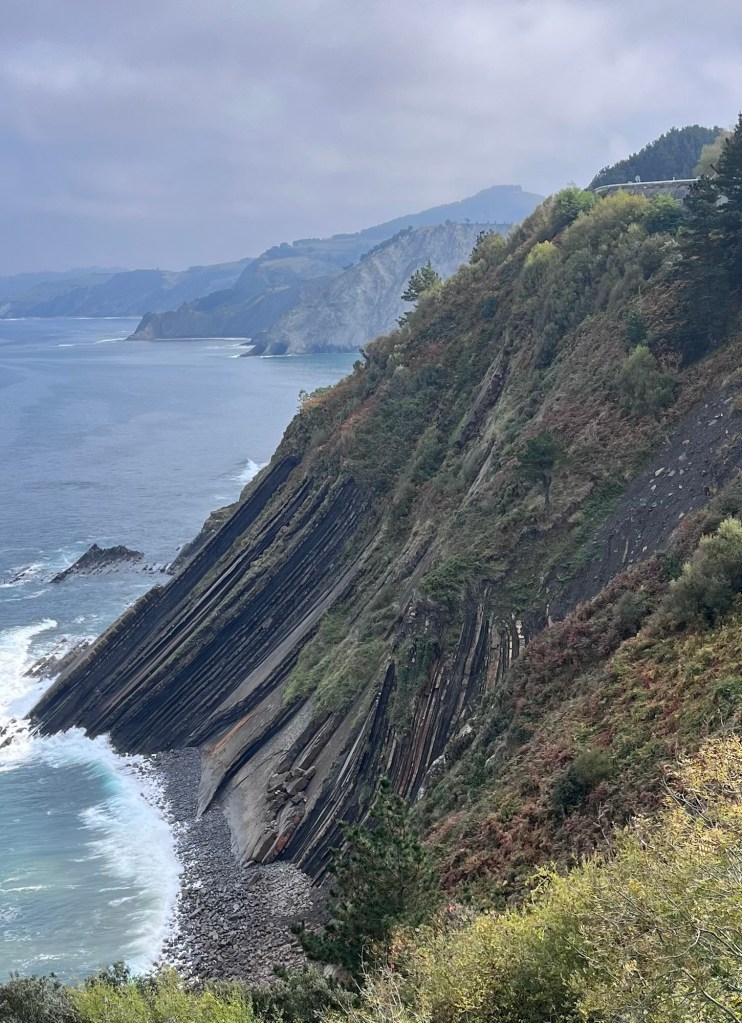
We left our lovely campsite by the sea on Monday, October 5 to make our way into Spain for the final leg of our trip. First stop was Lekeitio via the Flysch Rocks at Zumaia. These rocks look more amazing at low water but sadly, it would be dark!

Zumaia

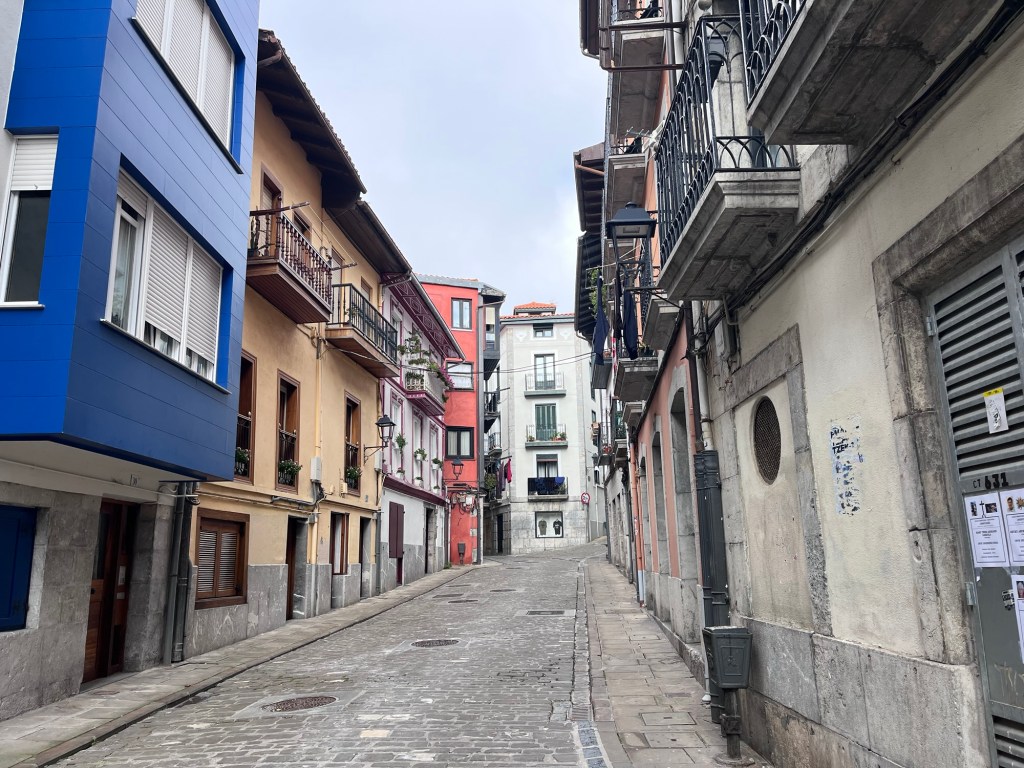
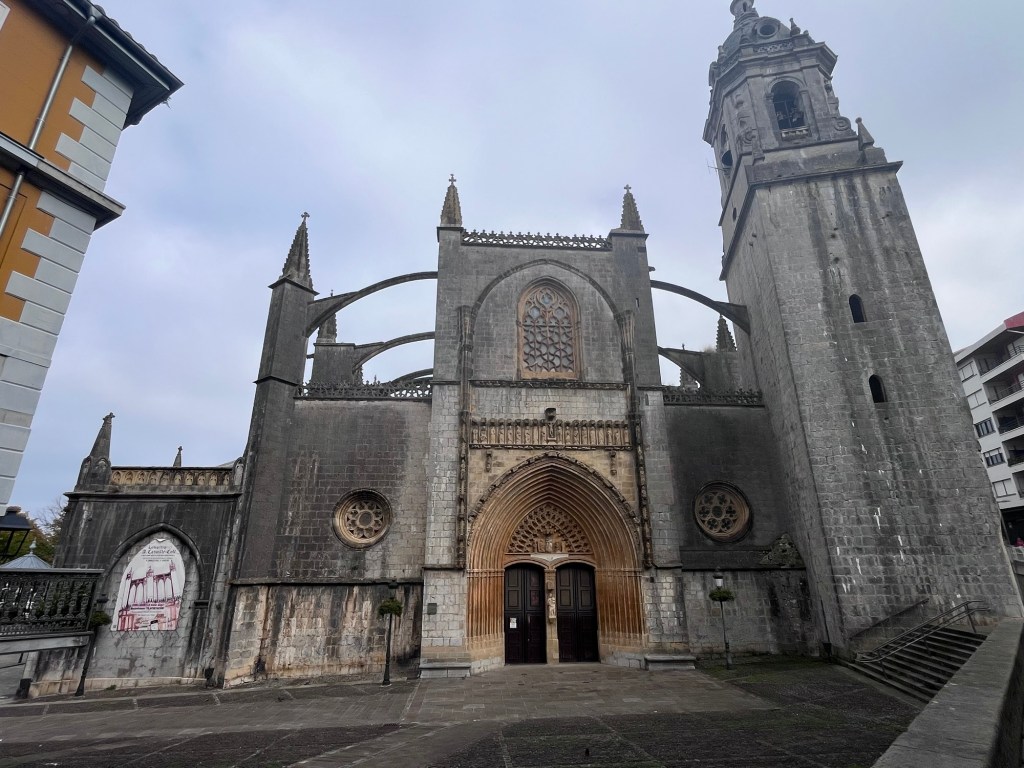
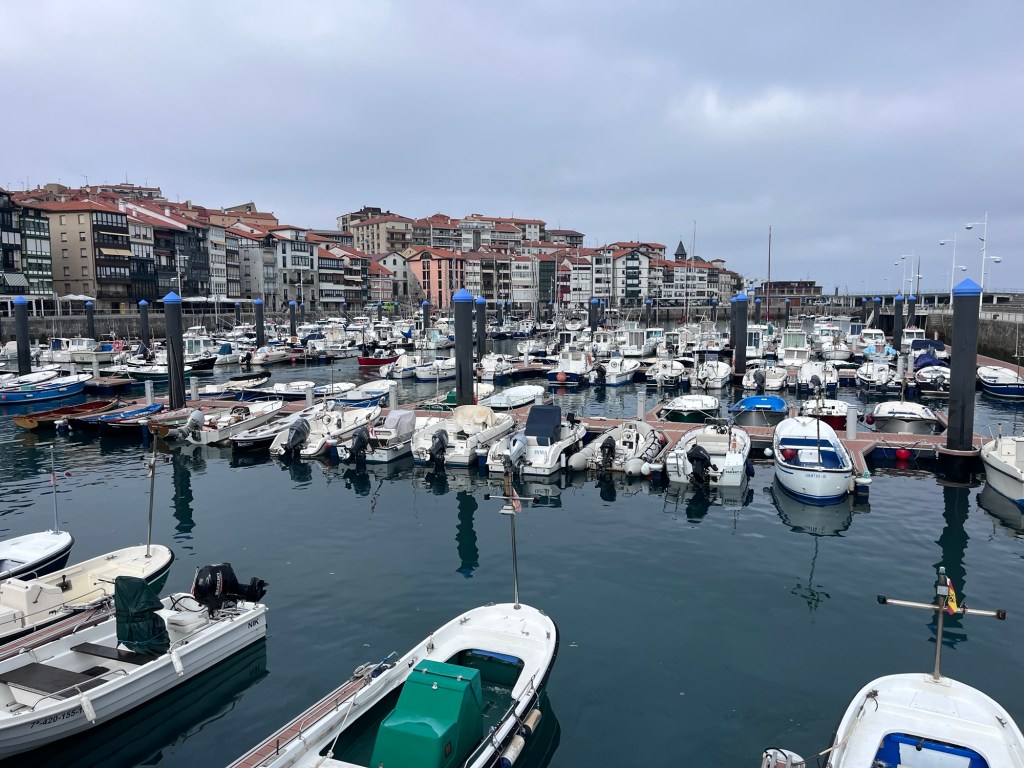
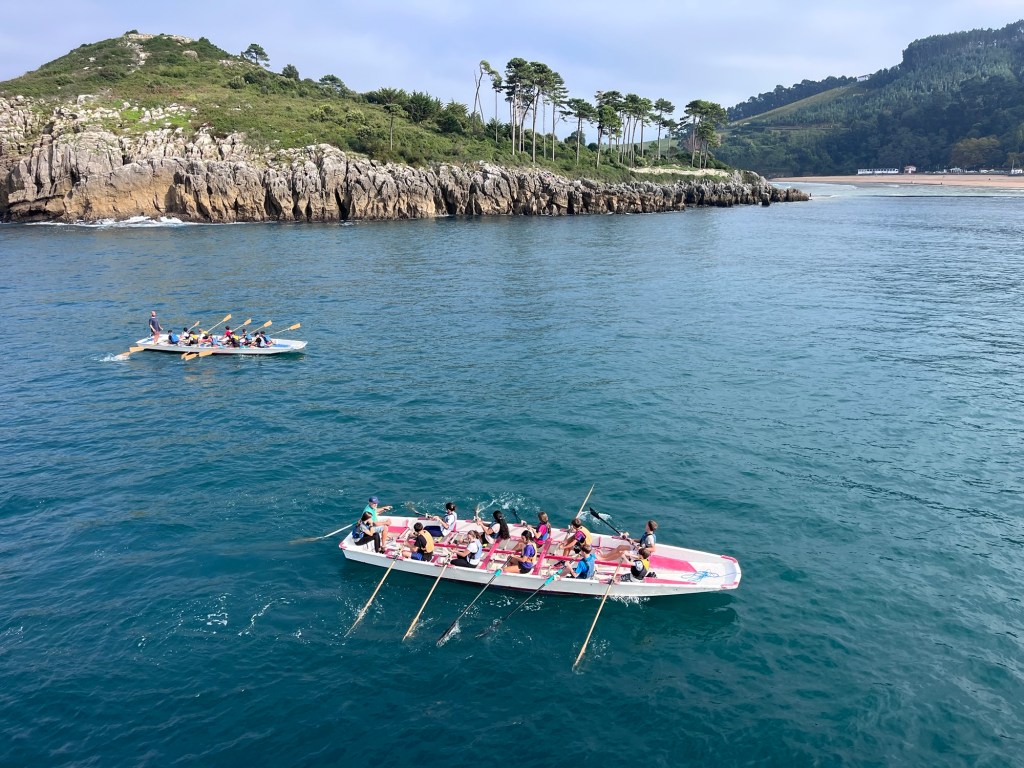
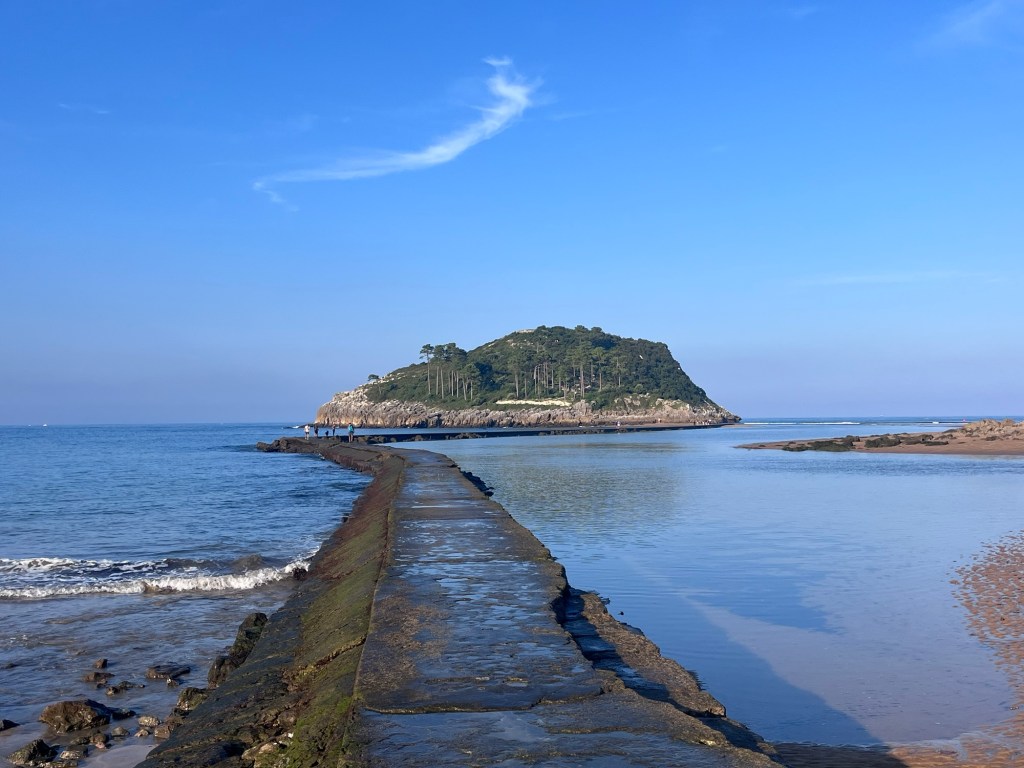
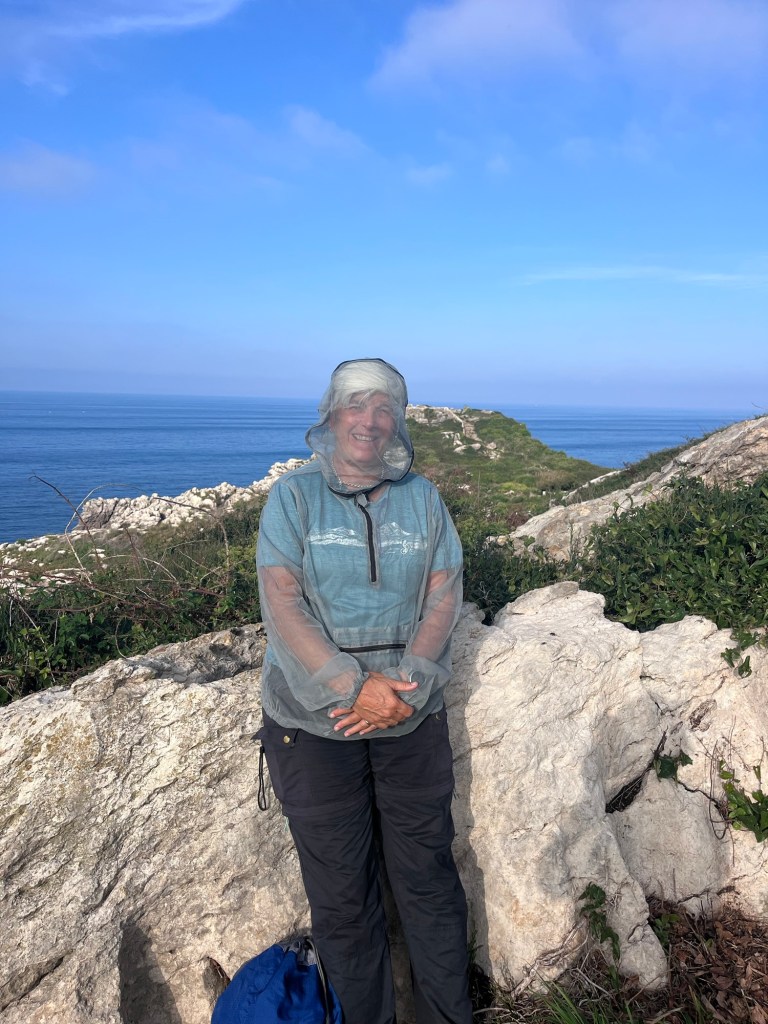
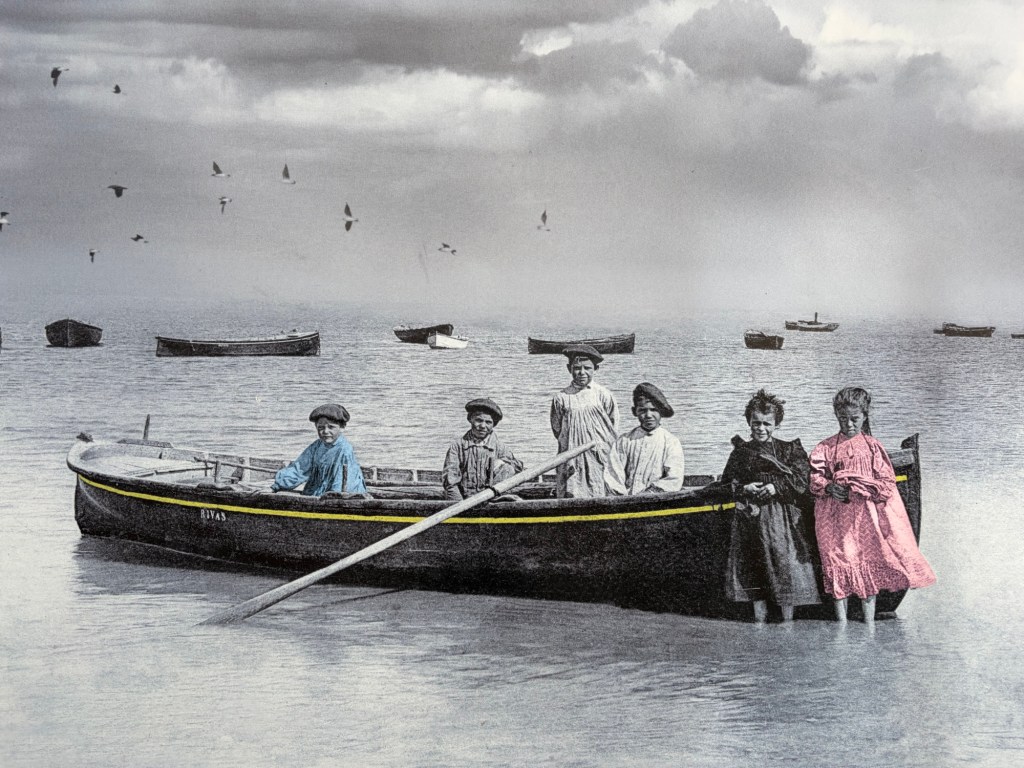
Onto a very convenient and free site in Lekeitio (P4N#12848) which was just outside of the town. The car park has designated motorhome spots as well as discharge points but no electricity. However, with Dora’s solar panels, we really don’t need it that often. The town itself grew on us. It’s been described as a little San Sebastián but I think that’s pushing it a bit. The harbour area is busy with restaurants and bars and it has an island that is accessed via a causeway at low water. When we walked over it, a rogue wave decided to hit the causeway so we ended us with very wet feet. We climbed up the island to get a lovely view of the town. We also saw young school kids out rowing. Sea rowing is a very big thing all around the Basque area so it was fun to see the youngsters learning a new skill. Liz was convinced that she would be bit to pieces by mossies so she donned an over jacket that whilst it wasn’t exactly sartorial elegance, it worked!

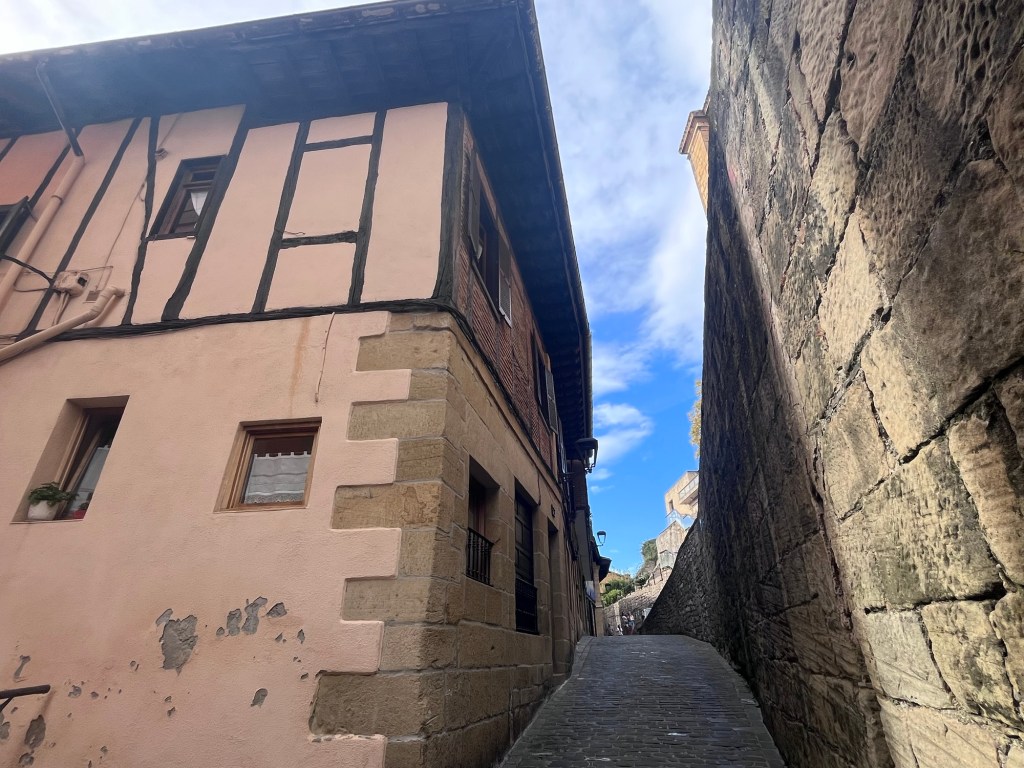
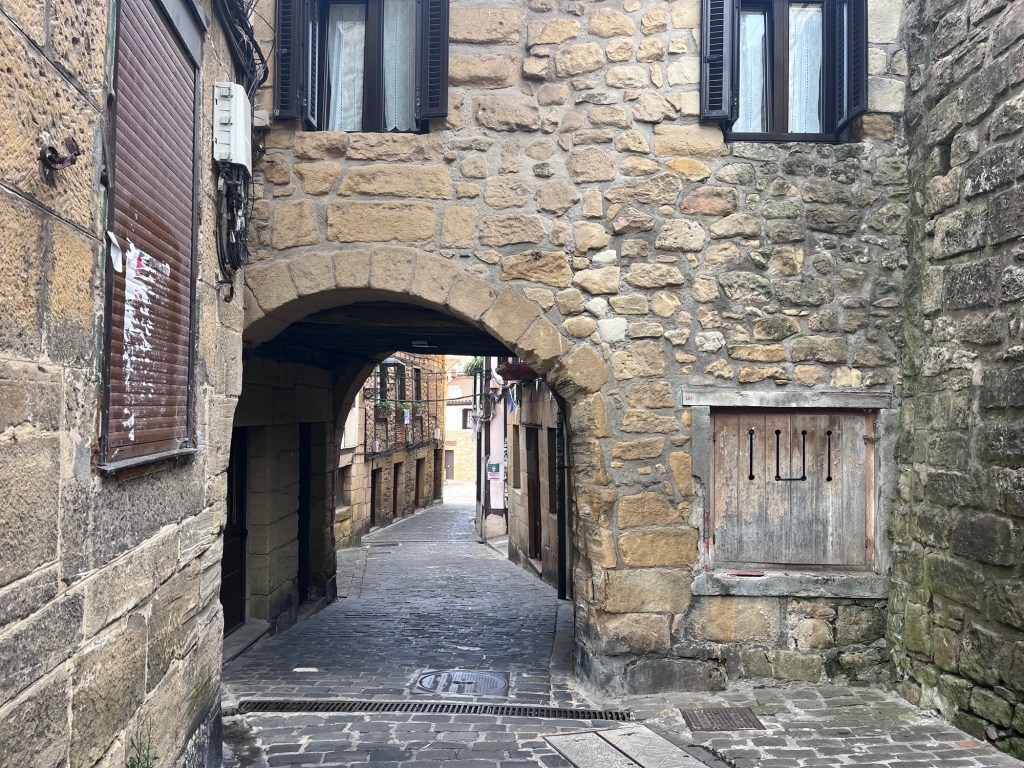
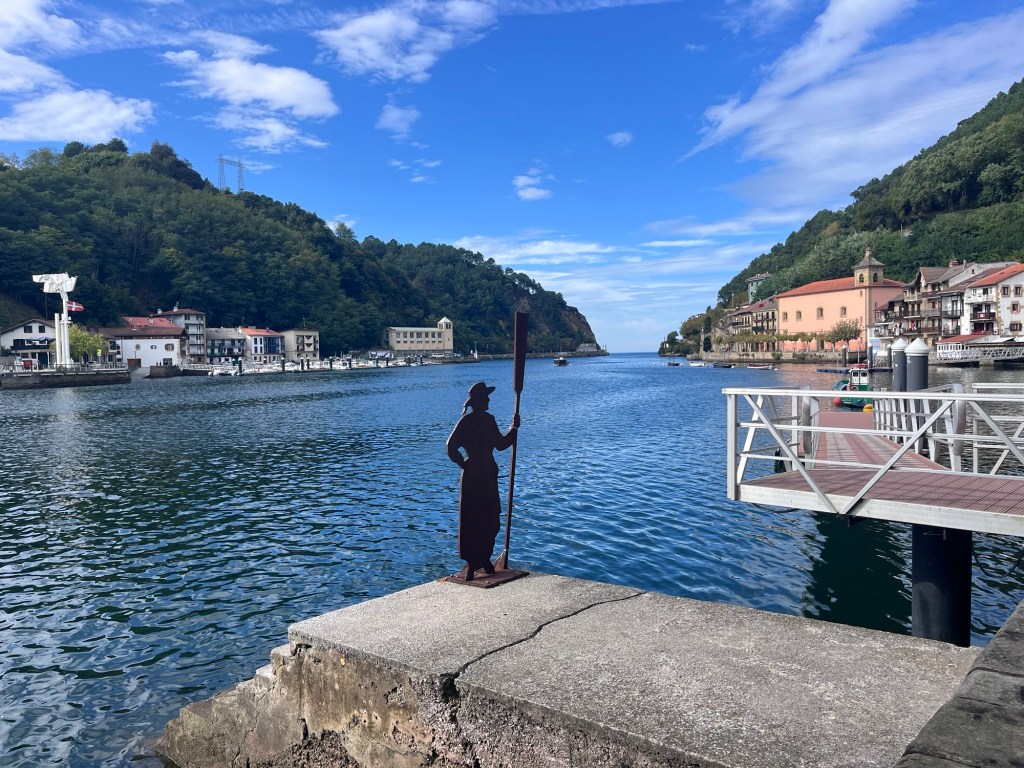
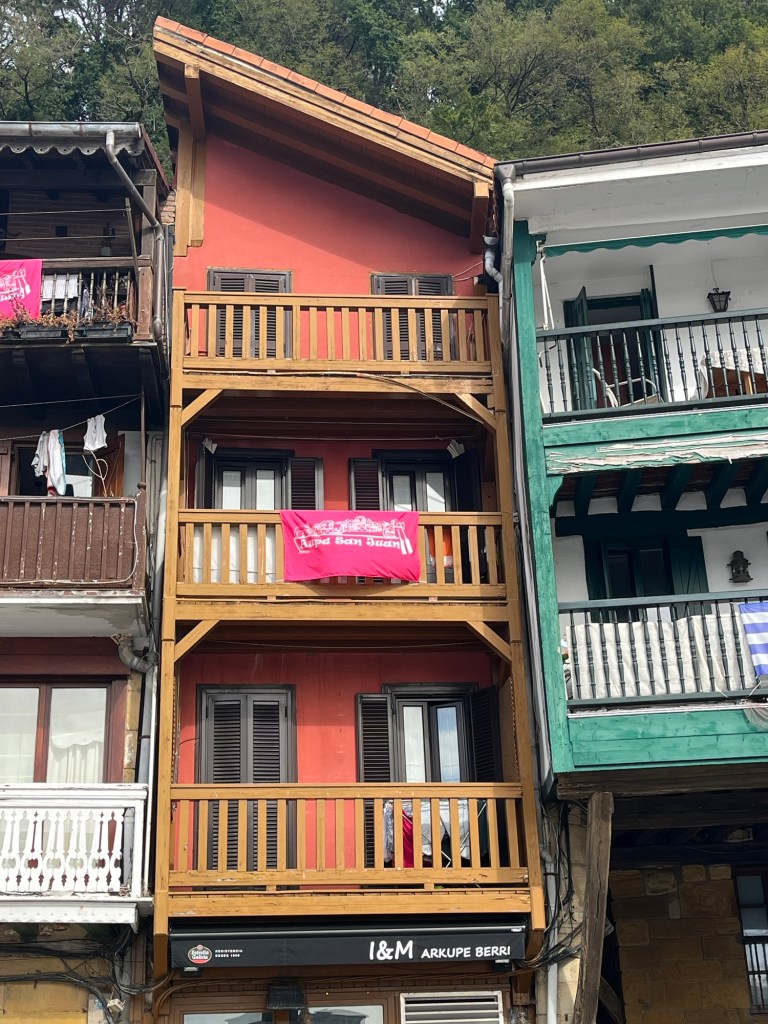
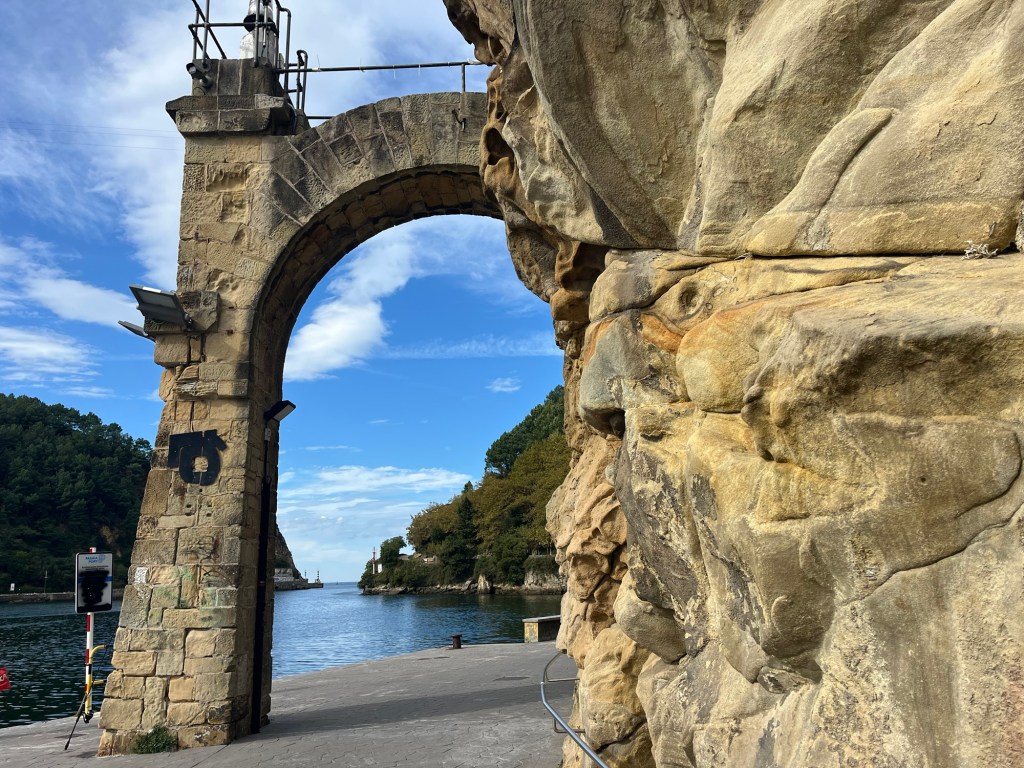
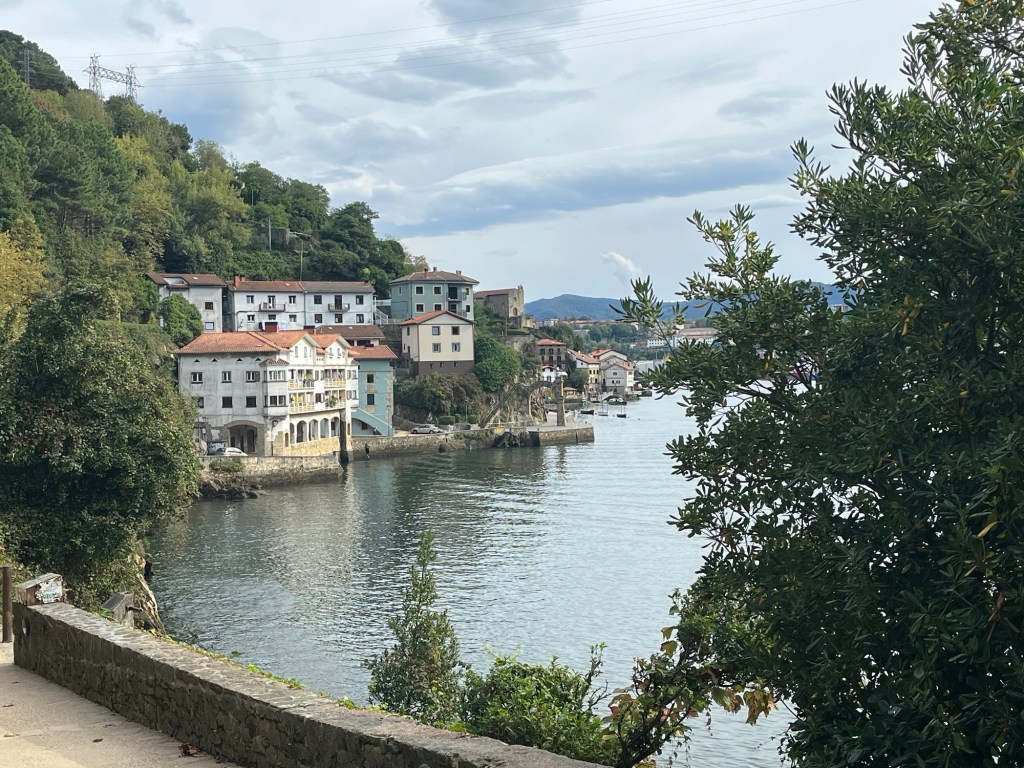
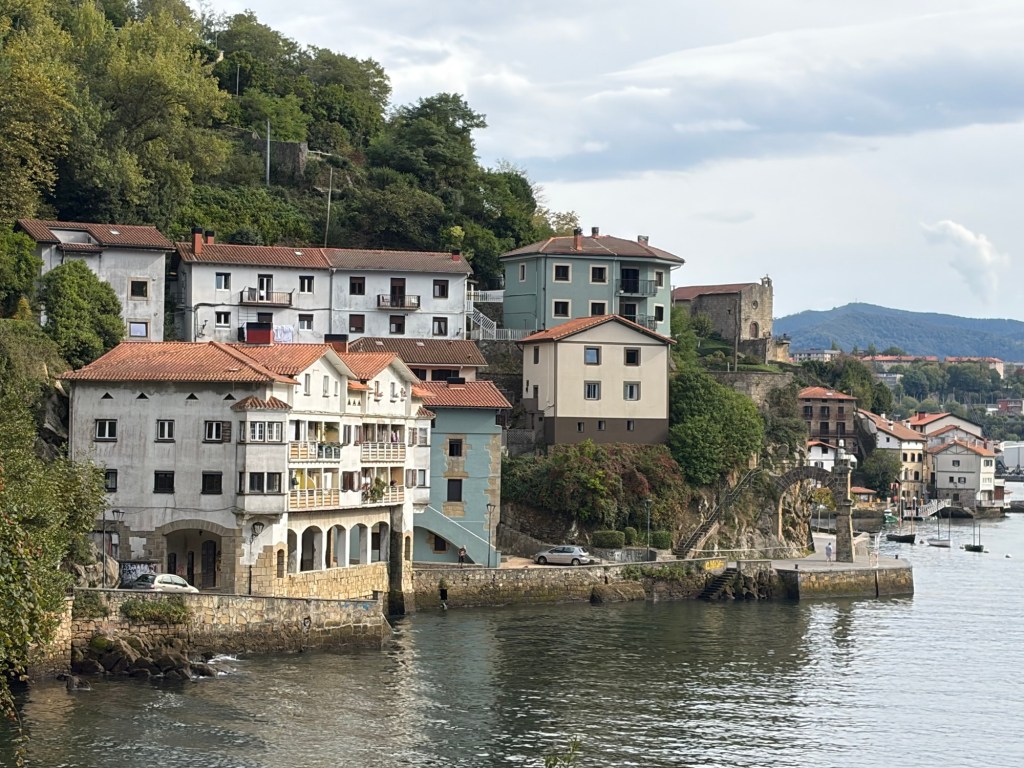
The next day, Tuesday, we left around midday to head back towards San Sebastián as we had a dinner reservation at a Cider Farm restaurant just outside. However, we first of all stopped off at Pasaia Donibane as we had heard it was cute. We weren’t convinced as it seemed to be a major shipping port but as we walked away from the harbour along the estuary, a delightful old town emerged.

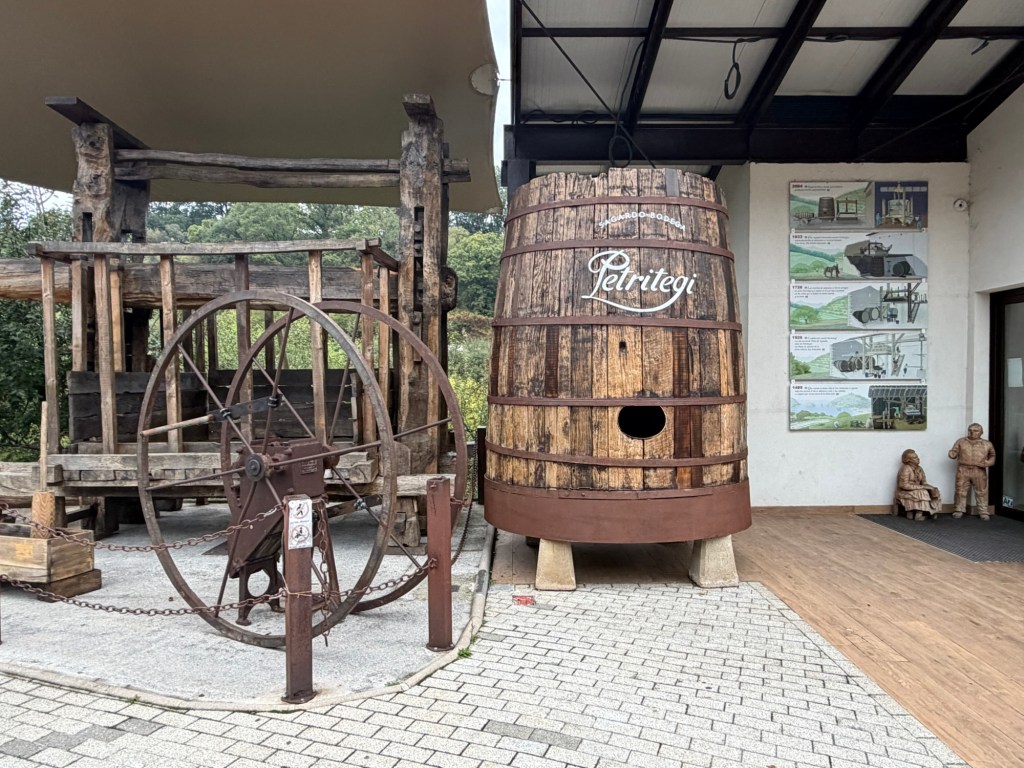
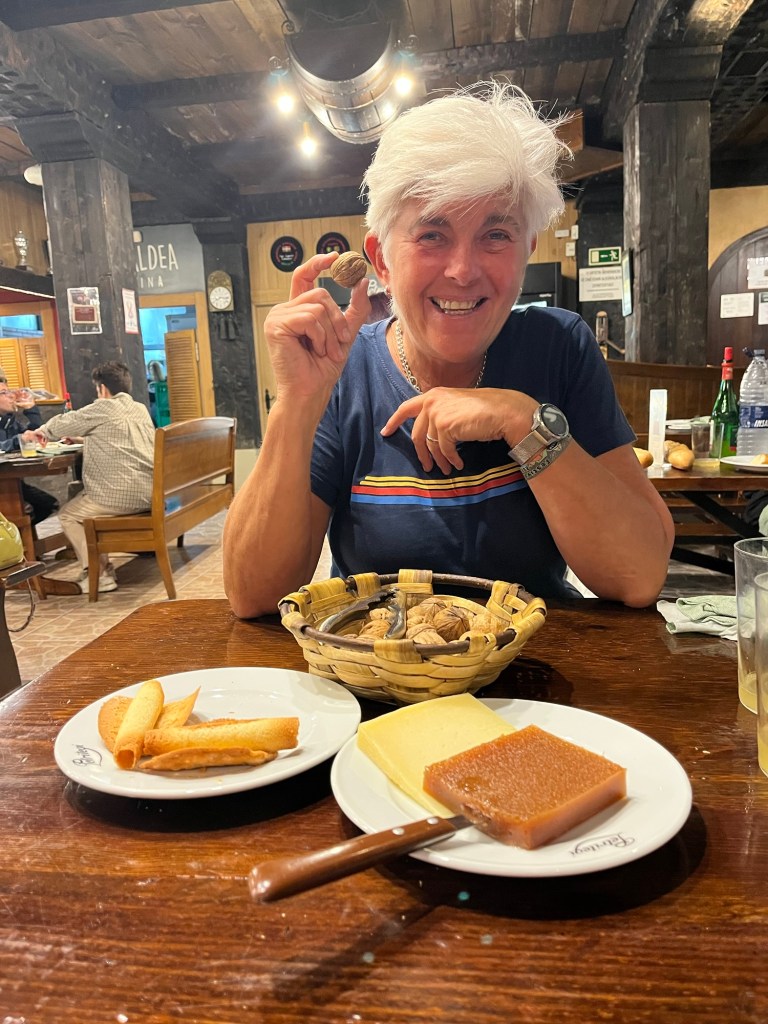
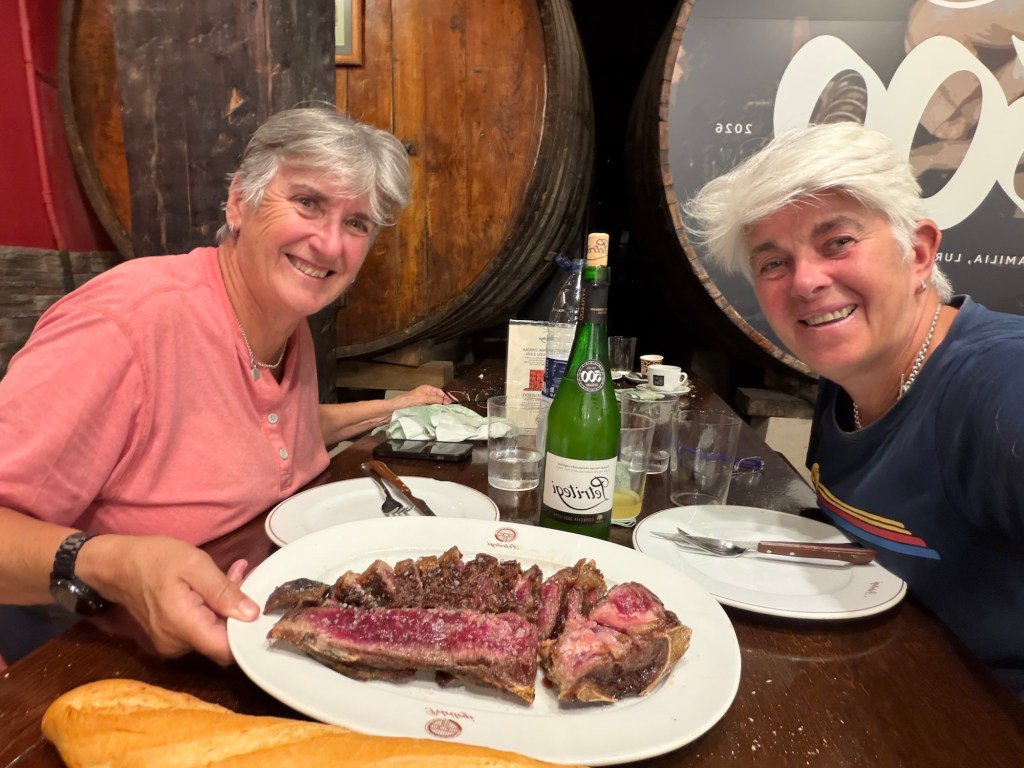
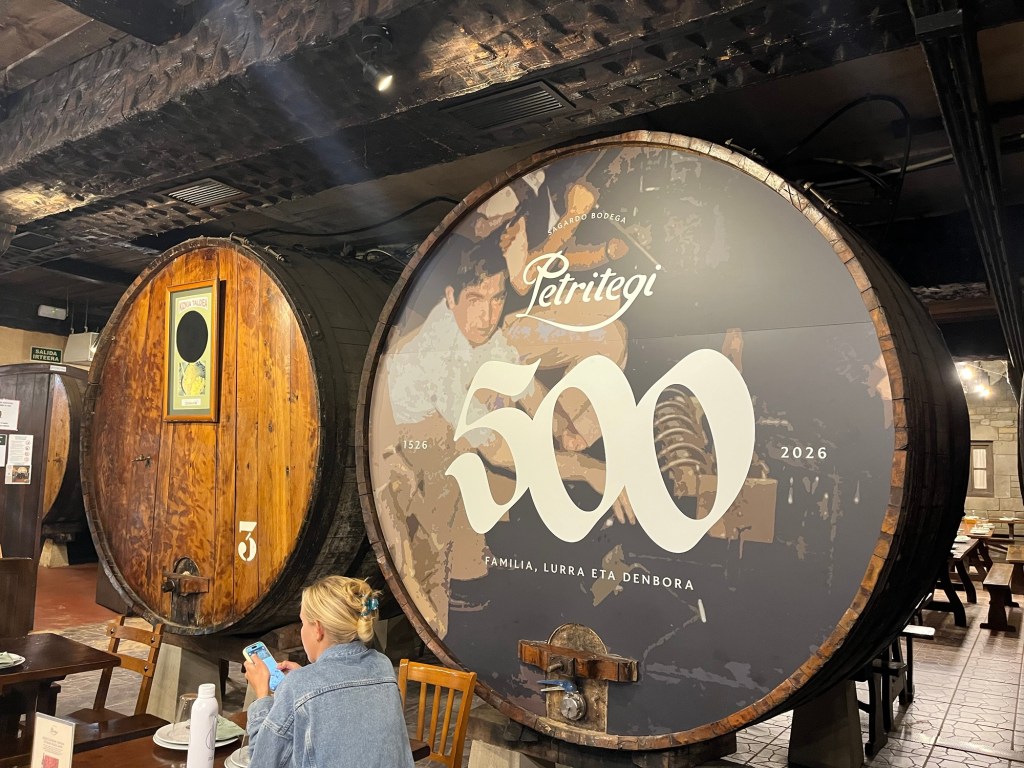
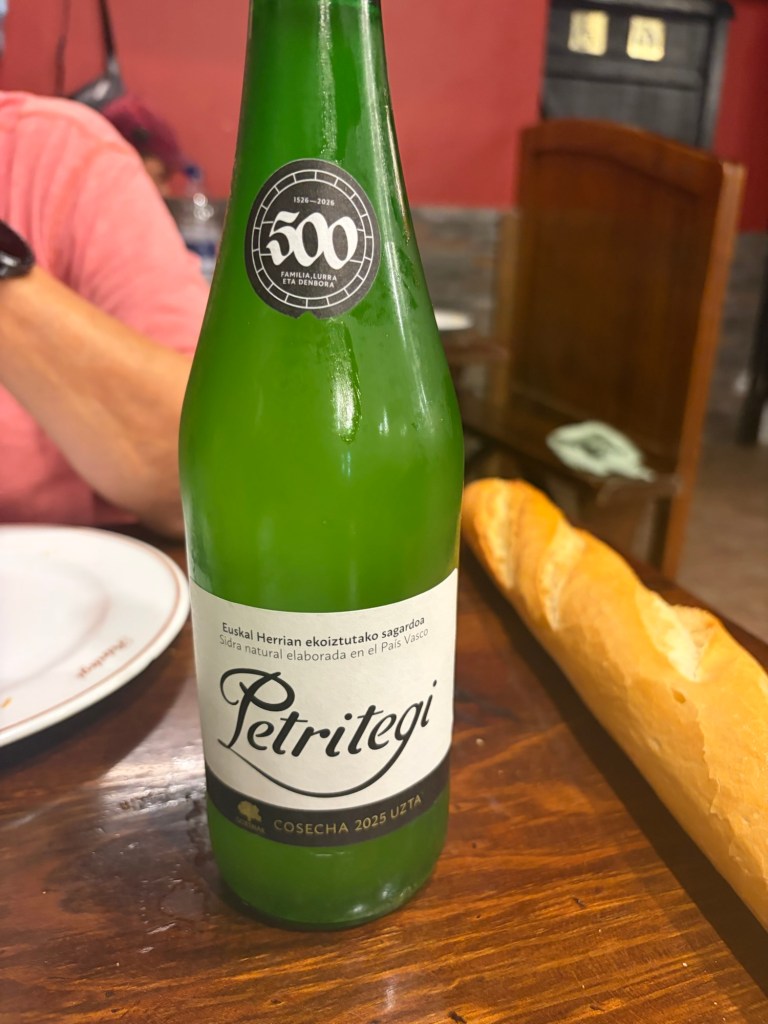
The restaurant we had booked, Petritegi, has been a Sagardotegia for 500 years. Cider making is a part of the Basque culture around San Sebastián and there are many cider houses to choose from. The cider is very sharp and cloudy. You are supposed to drink it direct from the barrel and aerate it for the best experience.

The meal is standard across the houses: cider braised chorizo, salted cod omelette, cod with peppers, T-bone steak. All served with a baguette and copious amounts of cider! It was such a fun evening and the restaurant allows campervans to stay overnight.

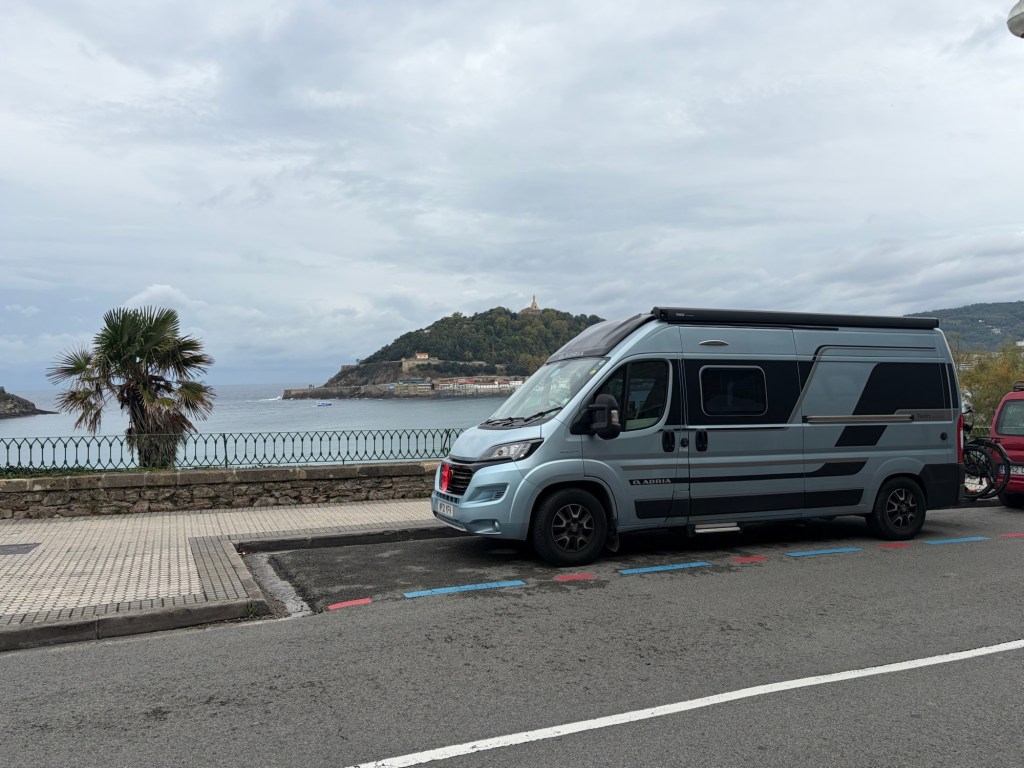
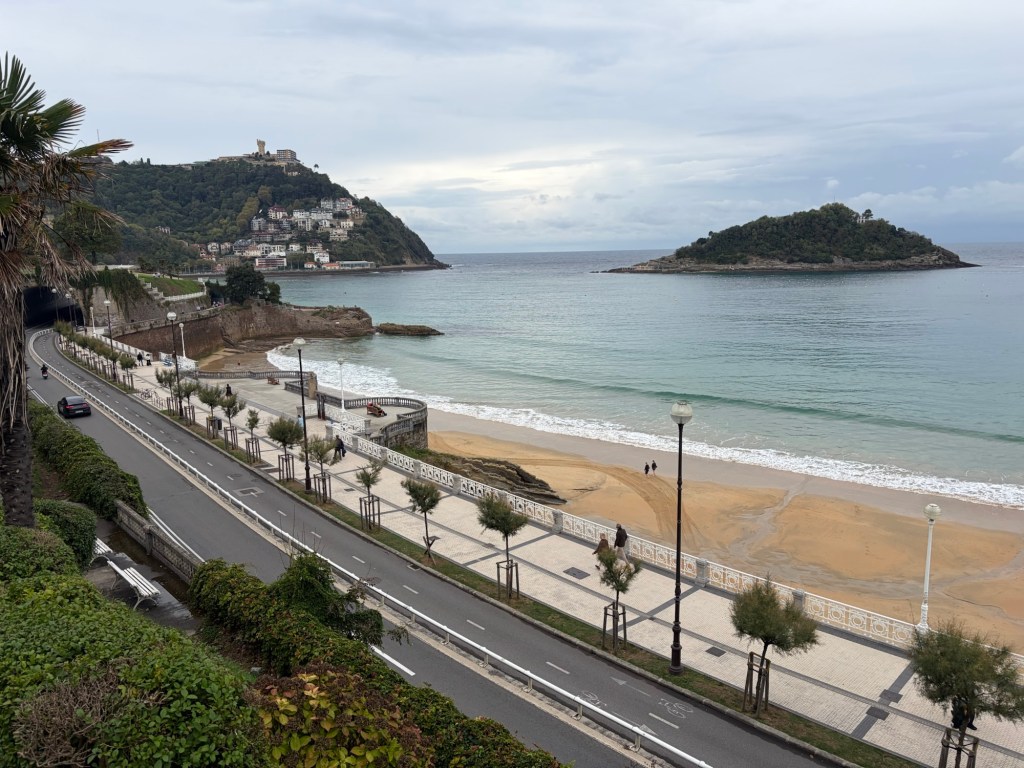
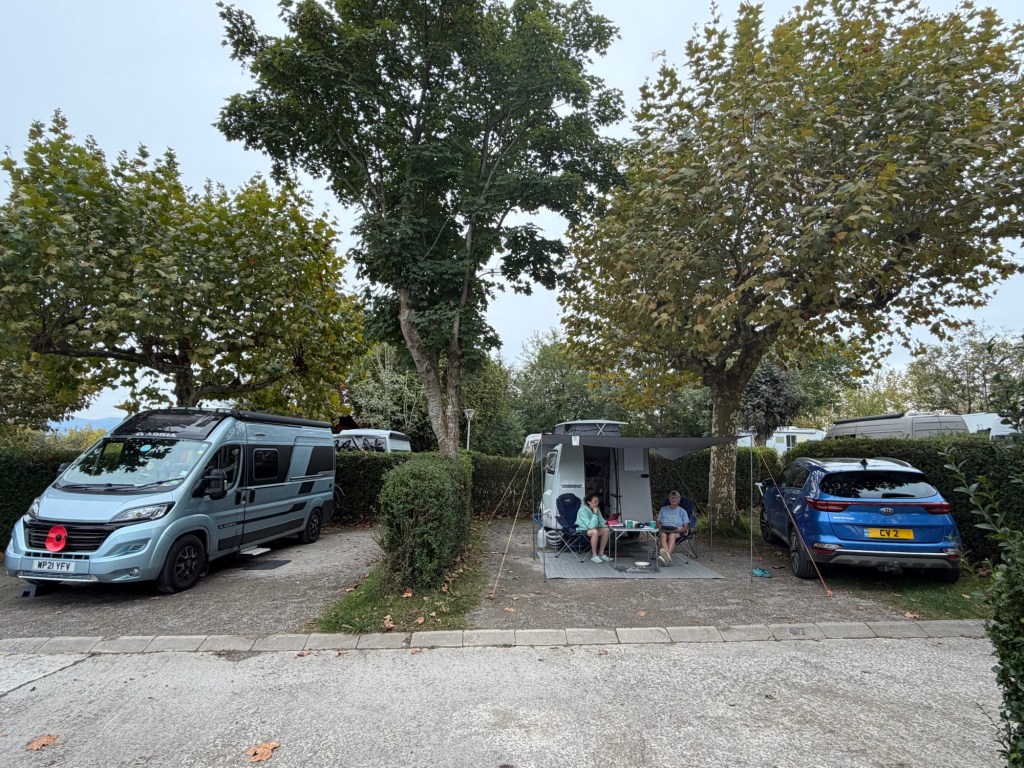
The following day, Wednesday October 7, we made the short distance from the Cider House to San Sebastián and our campsite for the next couple of days, Wecamp San Sebastián (P4N#21410) to meet up again with our friends, Sue and Sheila. We stopped on the front at San Sebastián for an hour not realising that we needed an ULEZ type documentation to do so. Jo quickly did it online and we are hoping that it will be sufficient for the authorities!

We spent the next couple of days chilling in the campsite during the day and going into the town early evening.

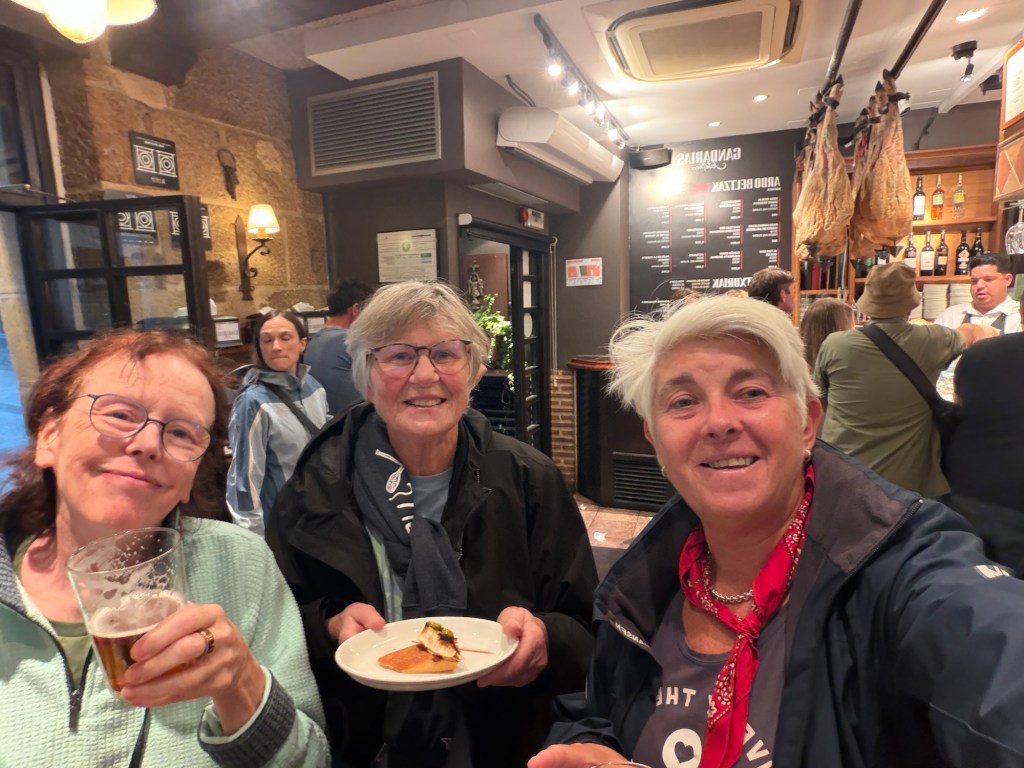
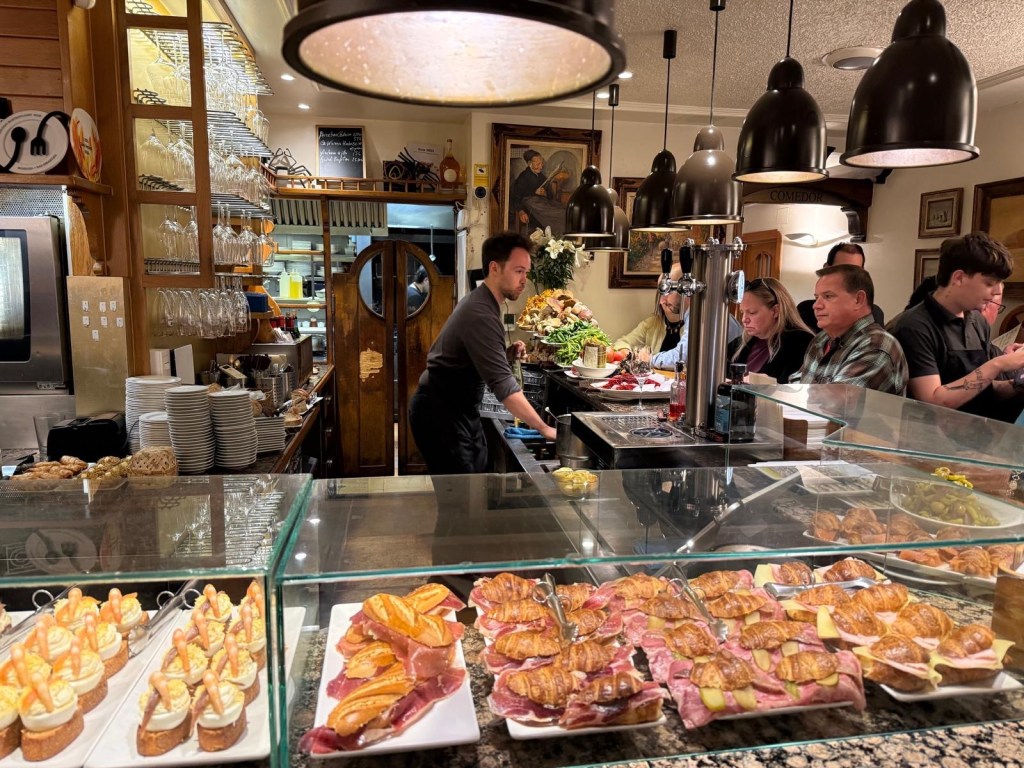
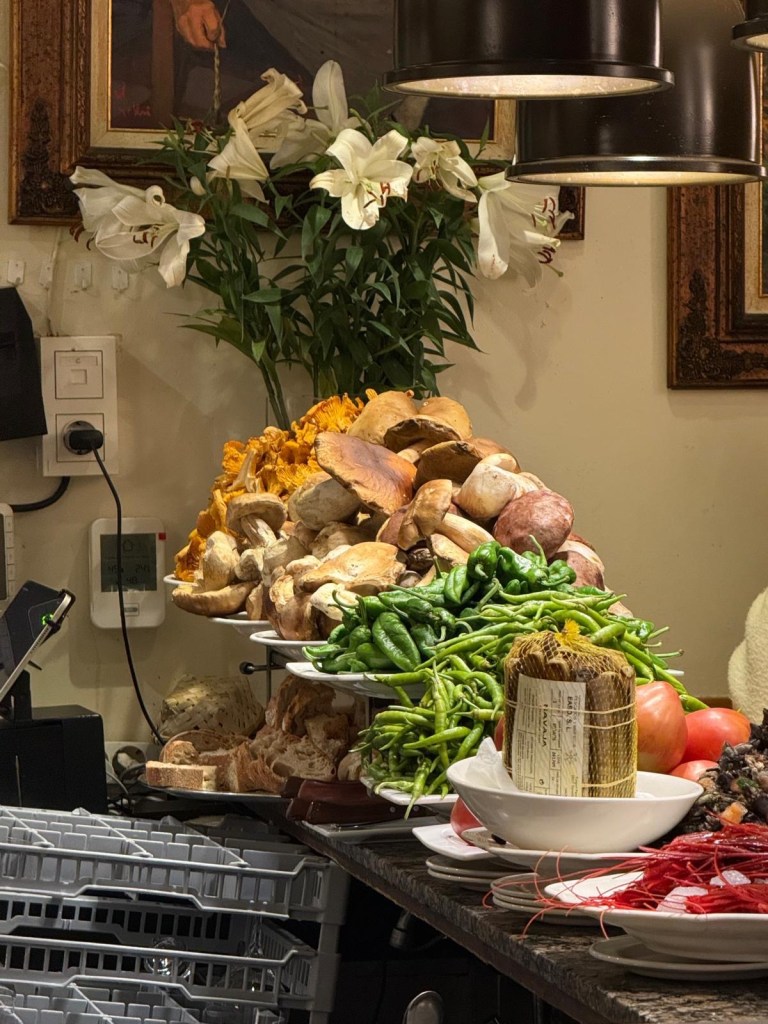
There’s a fantastic bus service from outside the campsite to the centre every 30 minutes for €1.50 so it makes it all very easy. Jo had caught Liz’s cold so was feeling pretty miserable and decided not to go in with the others. They had a lovely time trying various Pintxos bars, Gandarias and Baztan, with the Basque equivalent of tapas but with a culinary twist.

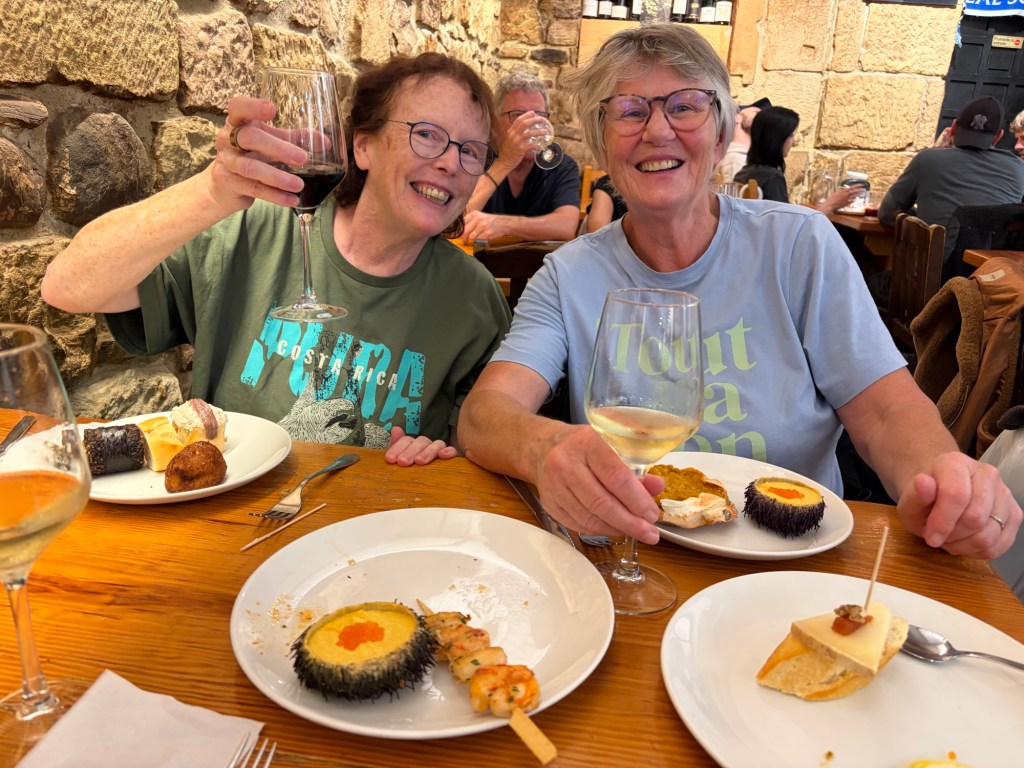
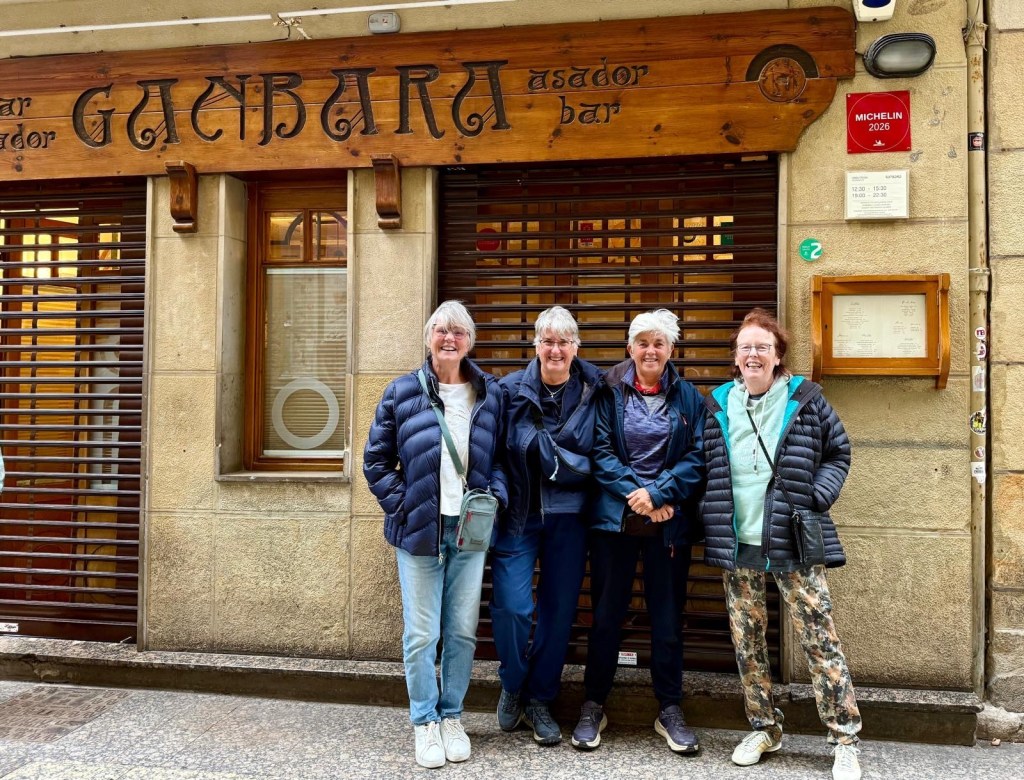
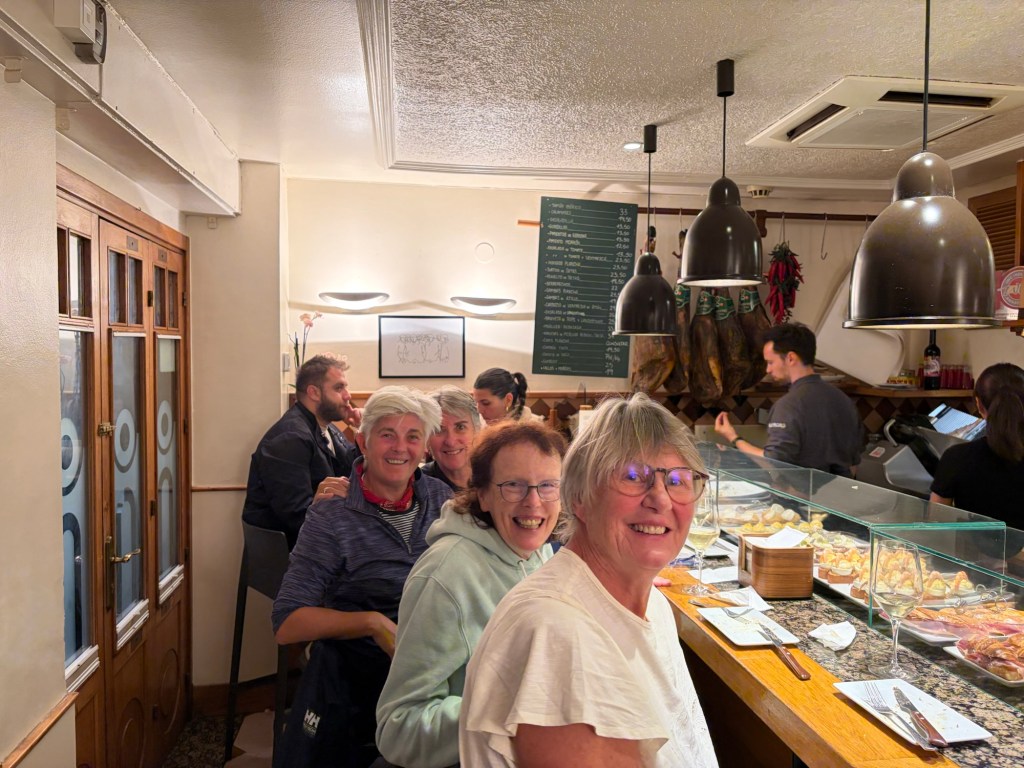
We all went in together on the Thursday evening and queued up outside a favourite of ours, Ganbara, so we could get a seat at the bar. We started queuing 30 minutes before it opened and were the 3rd group in. The queue was down the street for the whole evening. The food was sublime and the wine excellent, even though your choice is white, red or rosè.

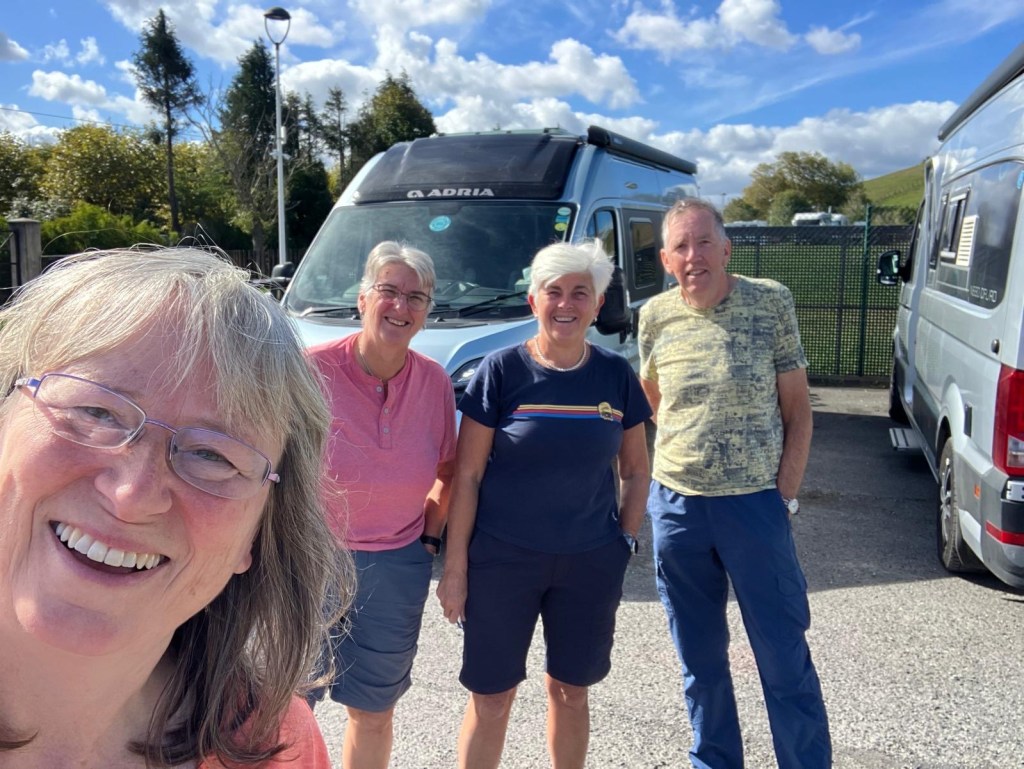
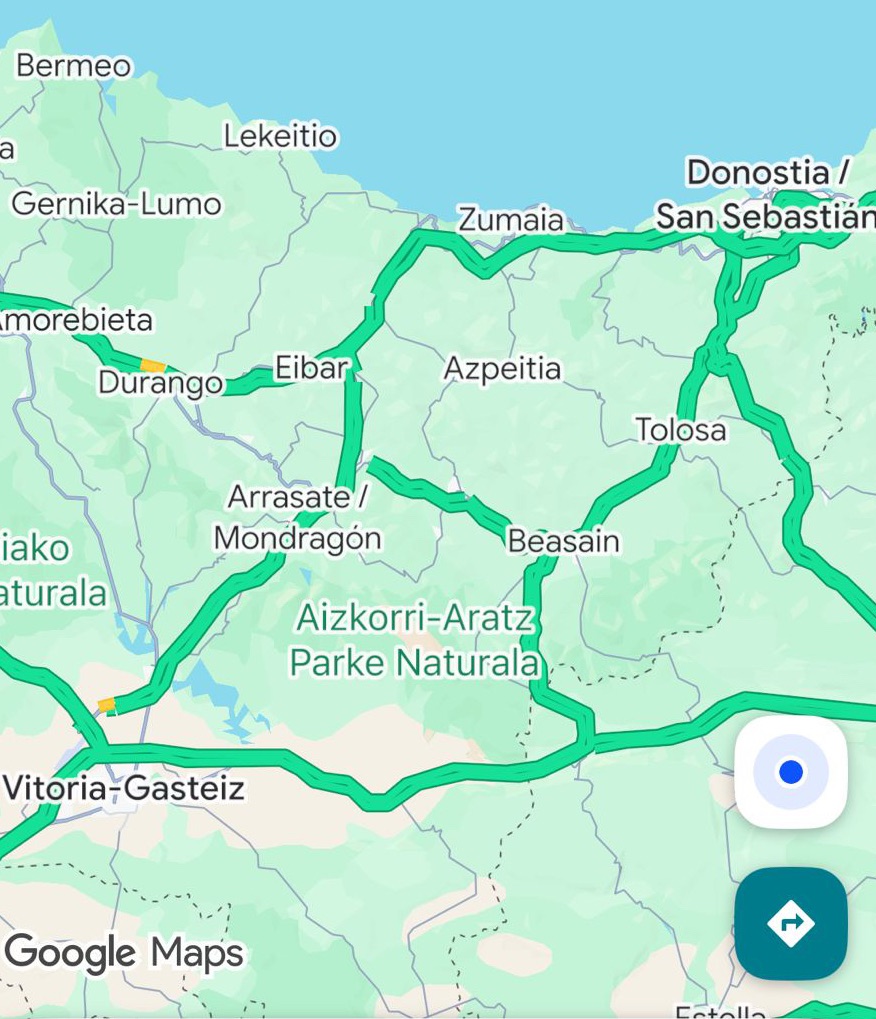
After a lovely couple of days, we were keen to explore more of the Basque Country between San Sebastián and Bilbao, where our ferry was departing from on Saturday. We left the campsite around 13.00 on Friday, October 9 but not before meeting up briefly with our neighbours in Harpenden, Stuart and Wendy, who are in their own campervan, Hetty, touring around France and Spain.

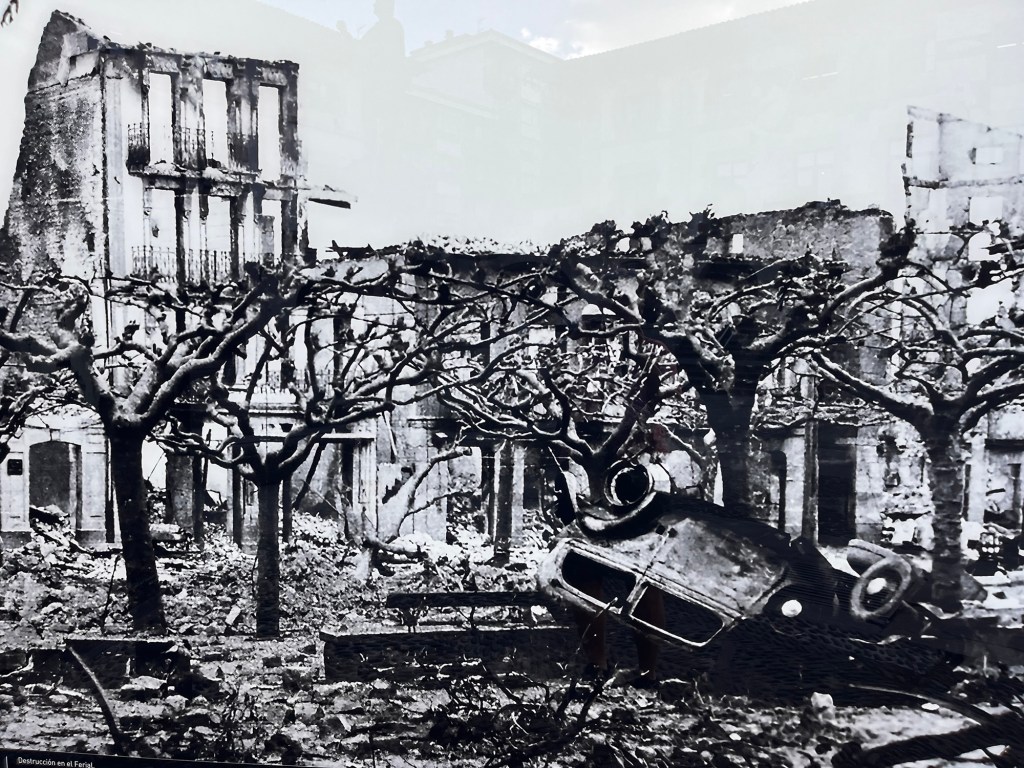
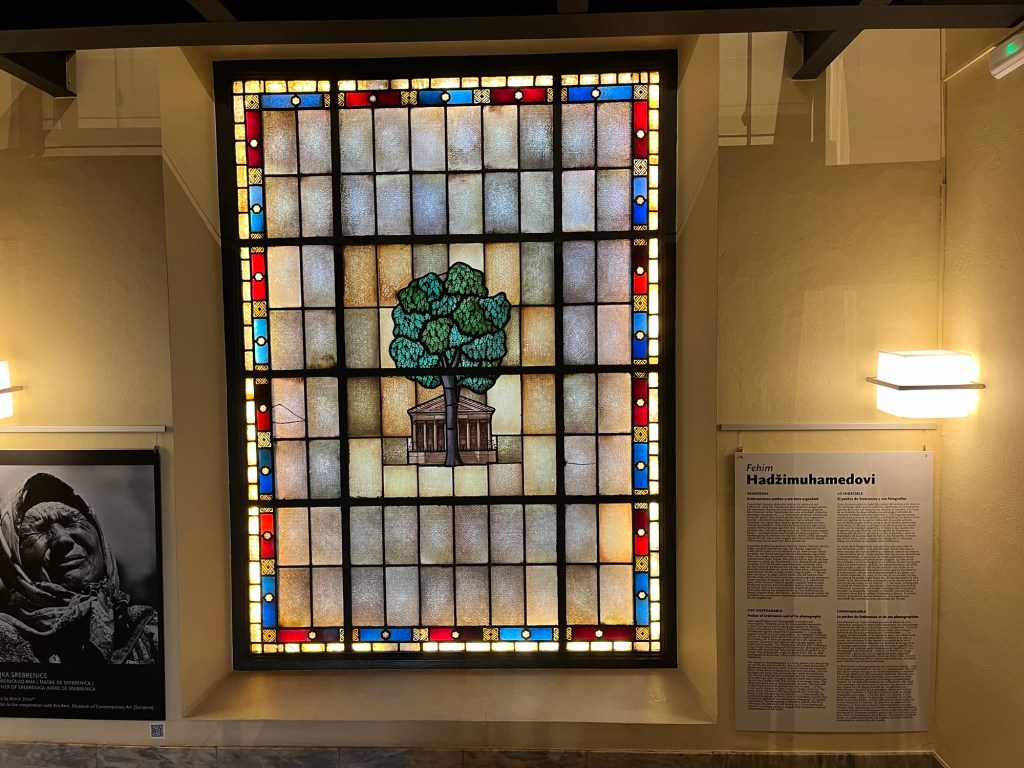
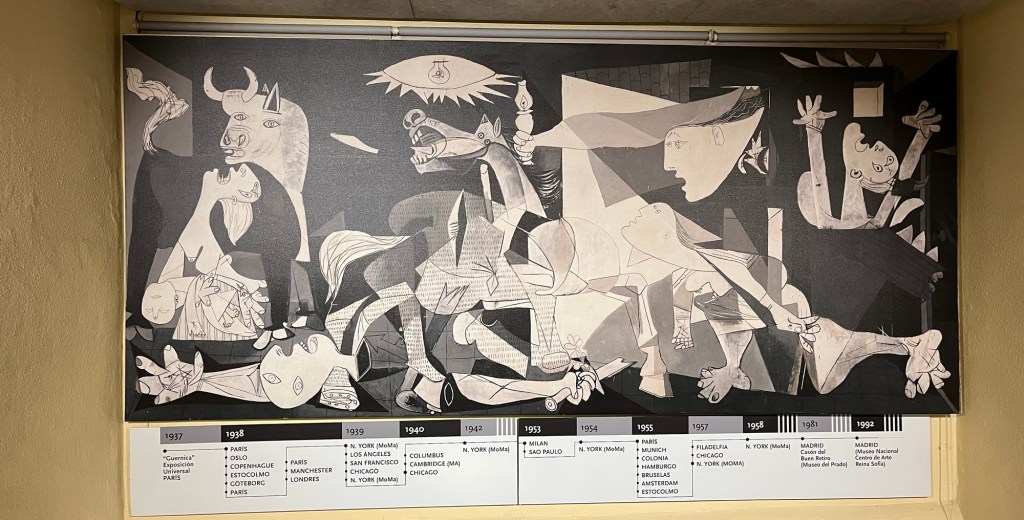
We wanted to go to Guernica (Gernika in Basque) where there is a peace museum following a horrendous event on April 26, 1937. In the height of the Spanish Civil War, Gernika was a Basque and Republican stronghold. France, as leader of the Rebel army, colluded with Germany and Italy to bomb the town. Not only did they bomb it but they destroyed 85% of all the buildings. After 3 hours of bombing, fighter planes arrived to mow down those fleeing to the countryside. It was the first example of total war. It was not until 1997 that Germany admitted its role in the affair and the truth did not come out in Spain until after Franco’s death in 1975. The museum was fascinating and horrendous in equal measure. Picasso’s painting of Guernica makes more sense now.

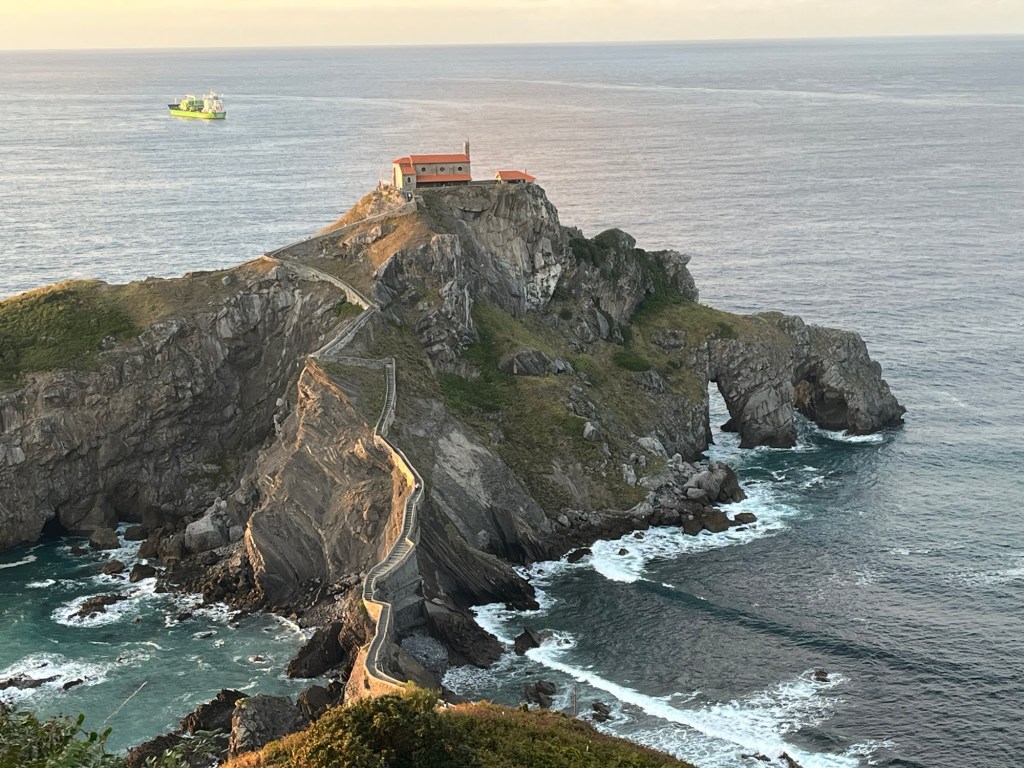
From there we drove for about 30 minutes north to San Juan Gaztelugatxe to see the hermitage on the peninsula. We arrived after 19.00 so we were able to park at the site and wander down. We figured that there was no one around to tell us off!

San Juan Gaztelugatxe

Our park up for the night was an aire in Bermeo, a small town nearby for the princely sum of €6 (P4N#660108).

Total miles since last blog: 248

Total miles this trip: 2,543

The Pyrenees

We said goodbye to Sue and Sheila on Monday, September 28 as they were staying in Spain whilst we wanted to explore the Pyrenees. We left around 10.30 after refilling our water tank and emptying the other stuff as we expected to be wild camping for the next few days.

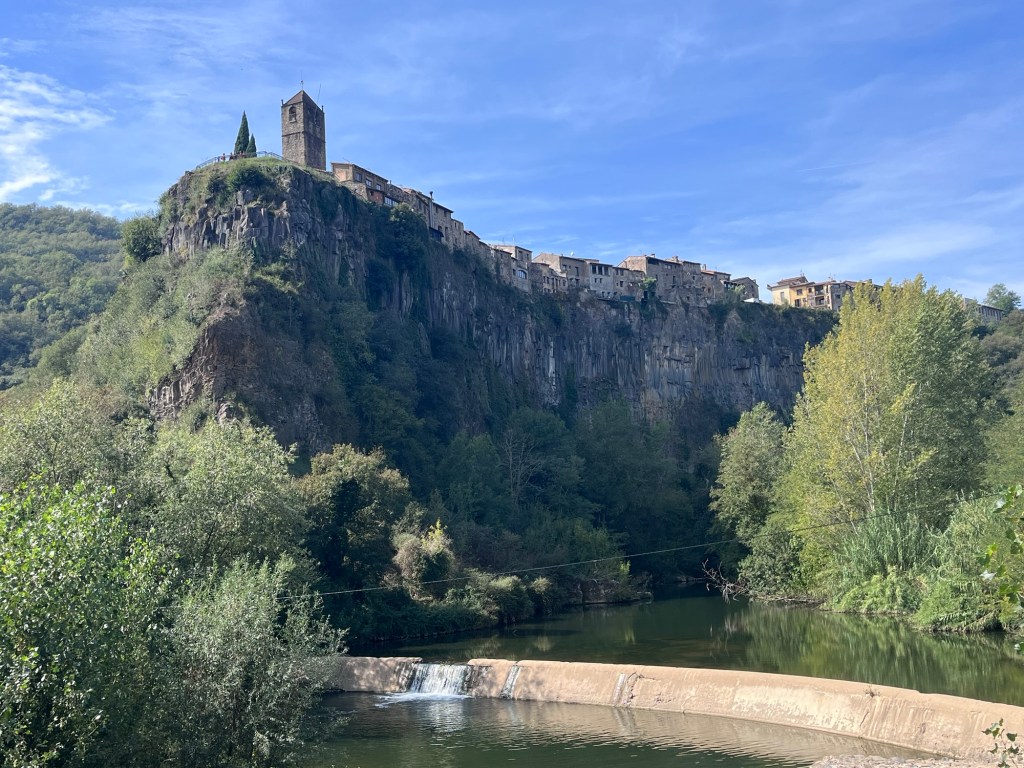
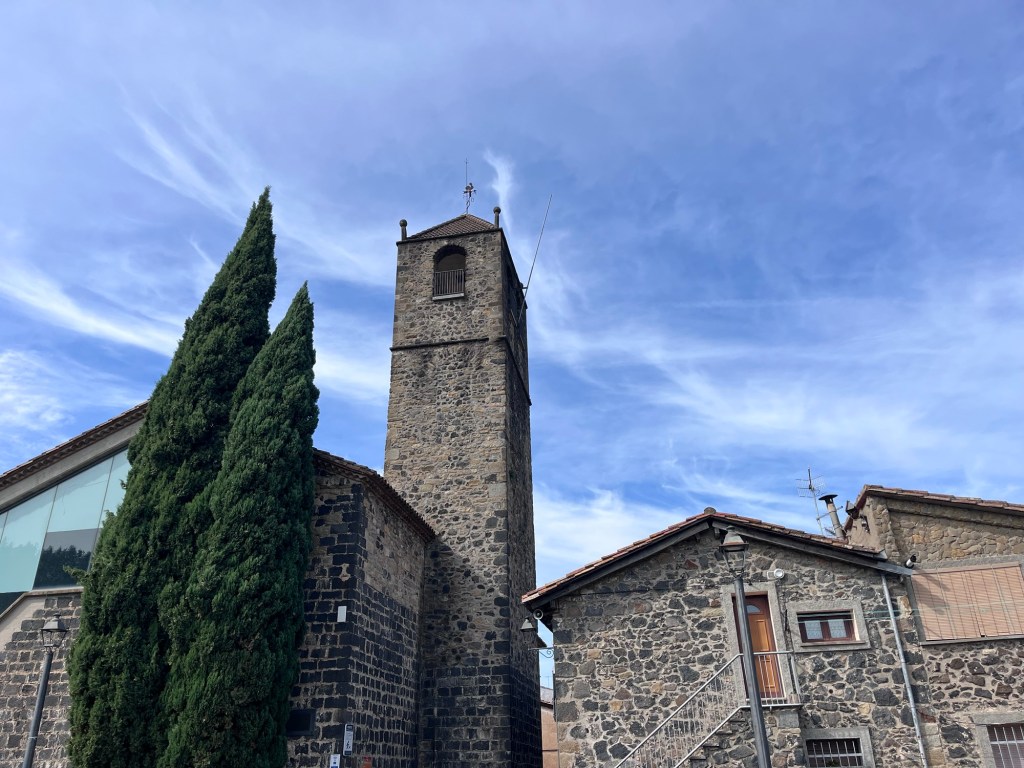
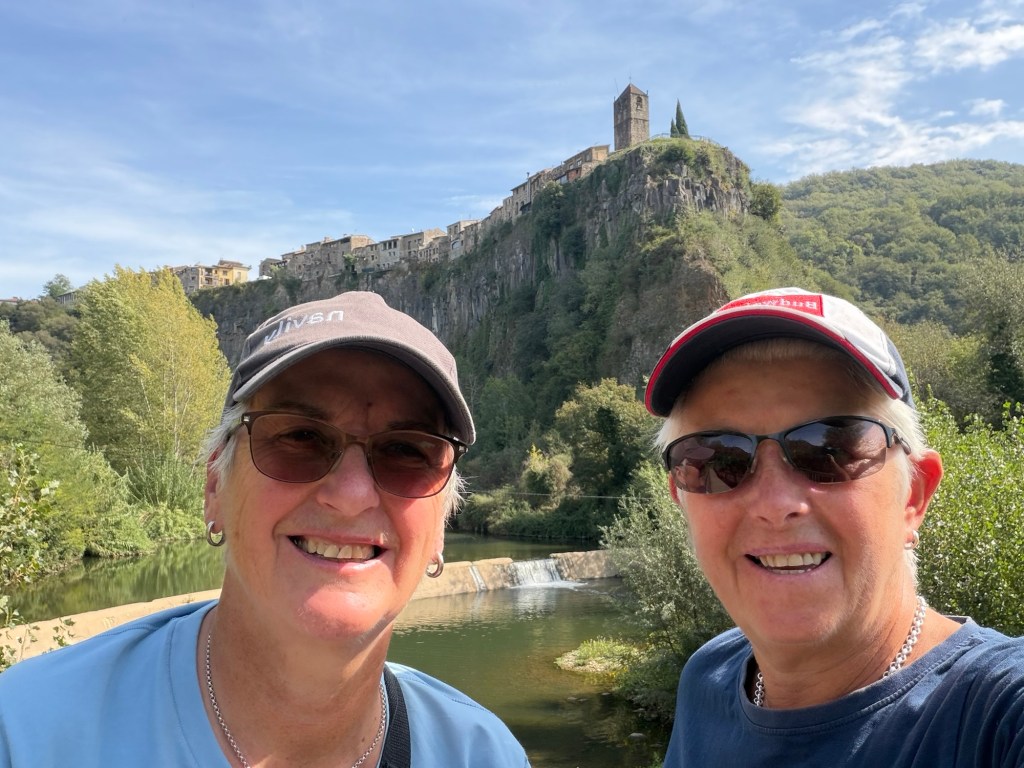
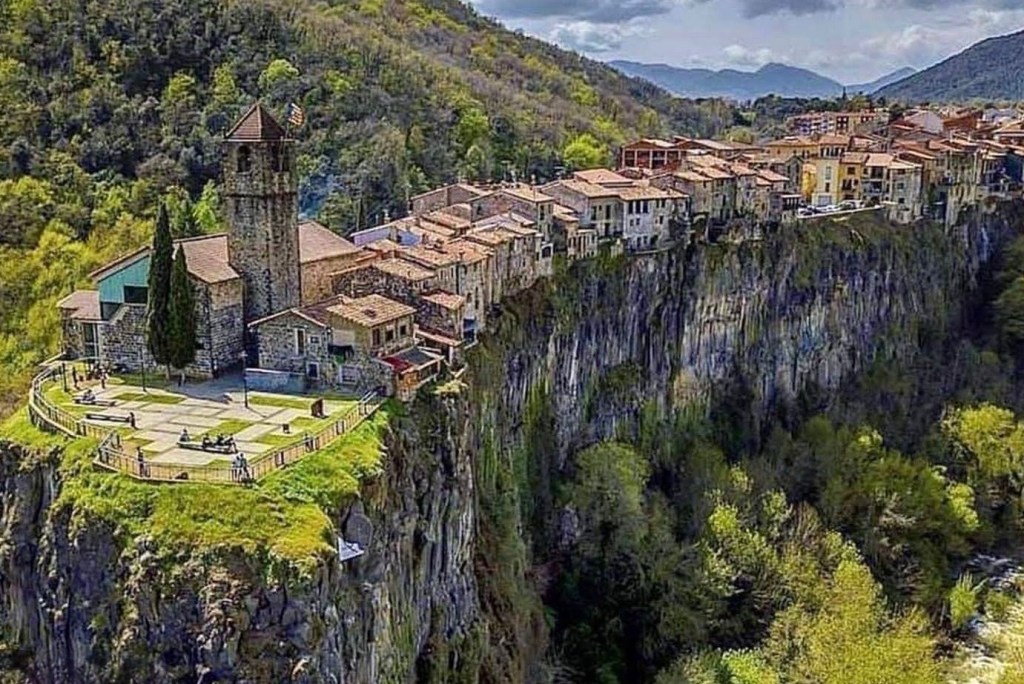
Our first stop was at Castellfollit de Roca. This had the potential to be as stunning as Bonifacio in Corsica. The town was set on a cliff face high above the surrounding area. Sadly, on closer inspection, it was rather dilapidated with half the shops closed and a lot of TLC required. Looked good from a distance though.

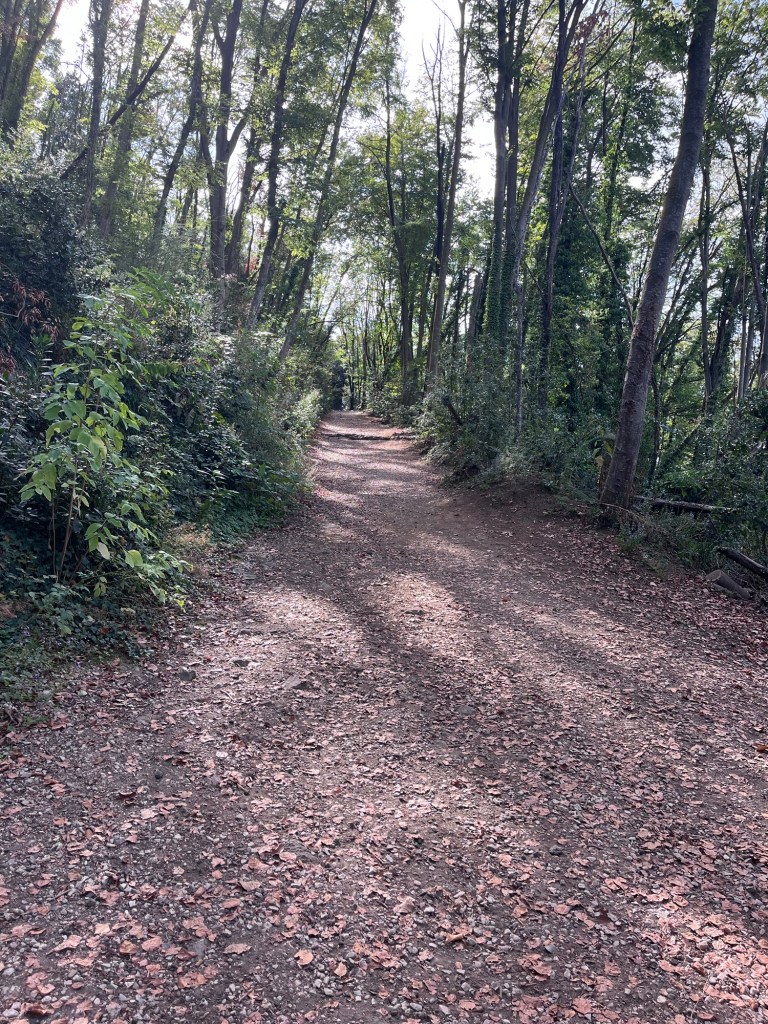
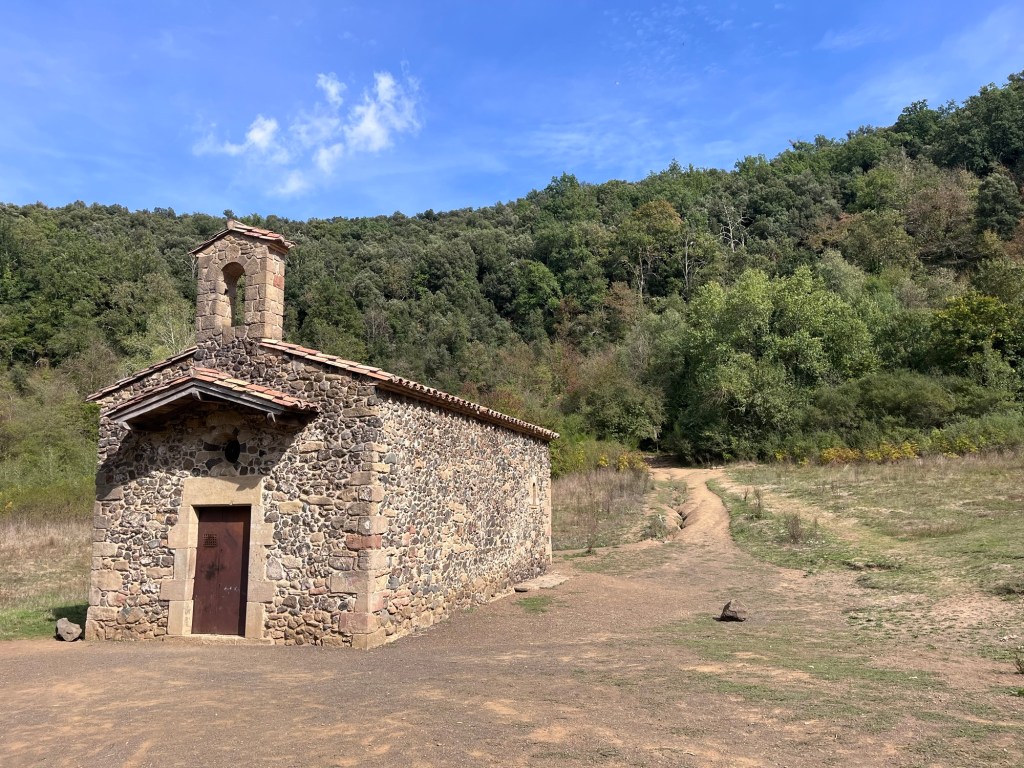
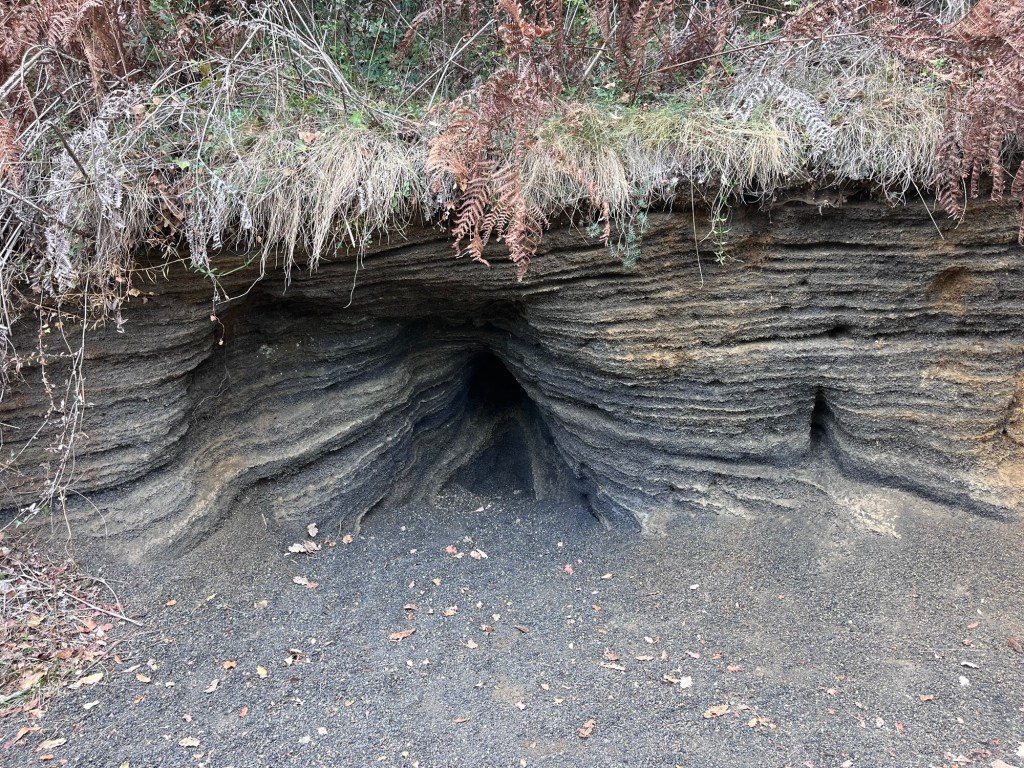
Onto Sant Margarida volcano which is part of a national park. We walked from the car park to the crater where Sant Margarida’s chapel was. Goodness only knows why you would built a chapel there, in the middle of nowhere but they did. Lovely walk but very steep in places and you could see the volcanic strata in places. Jo was pleased her new knee held up well.

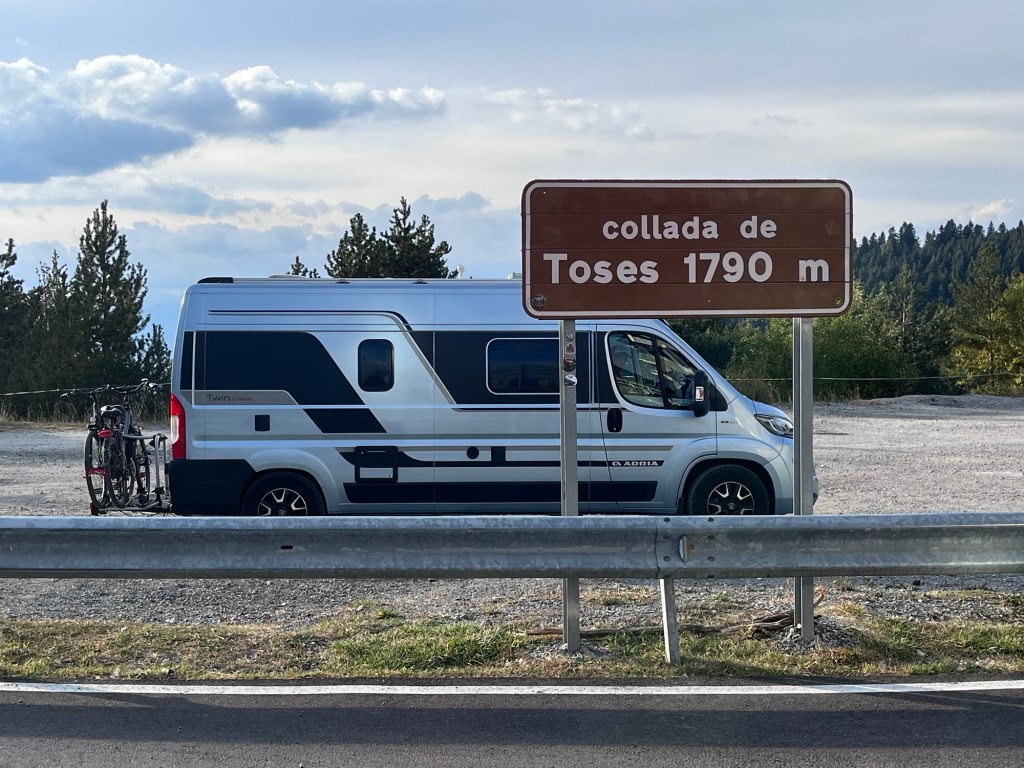
We then decided to drive through Andorra as it sits in the foothills of the Pyrenees and Liz had never been there. On the way up we got to the top of a number of Cols which seem to be the destination point of quite a few cyclists. Madness.

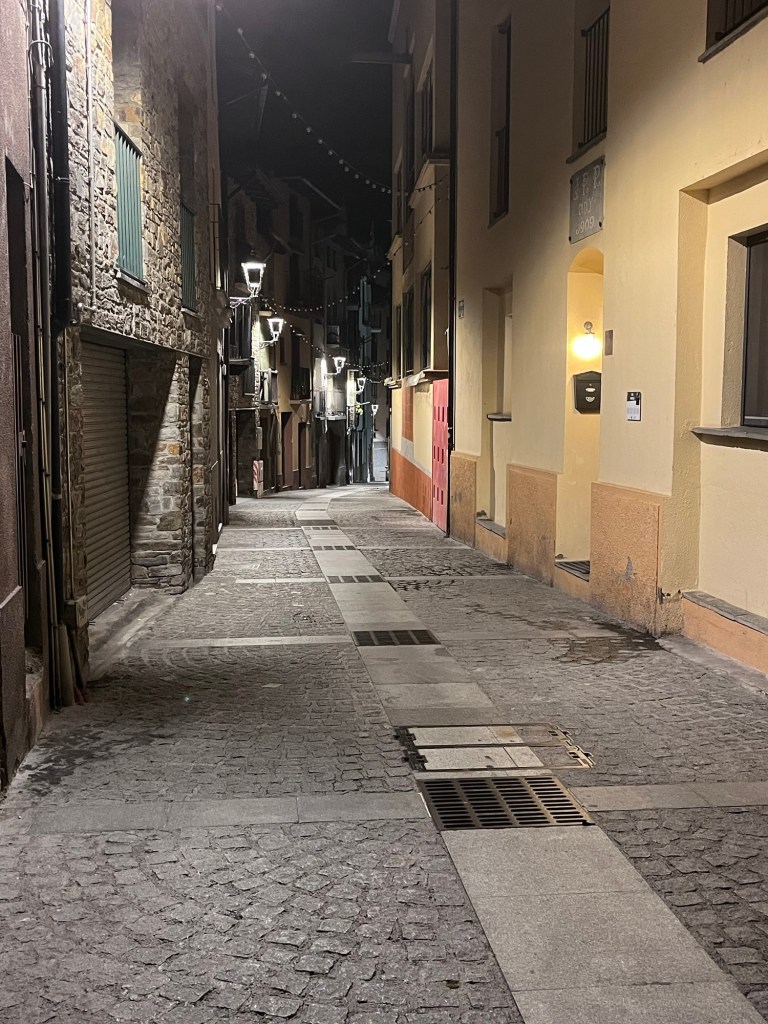
Jo had been to Andorra many years ago when learning to ski and wasn’t impressed then. It hasn’t improved. Even the duty free shops aren’t that great but at least the fuel was cheap at €1.73 per litre. Apparently, Andorra is the only country in the world where Catalan is the official language. We stayed overnight in a municipal car park (P4N#13272) near to the city centre in Sant Julia de Loria that provided bays for campervans with electricity and grey/black water disposal. The charge for the whole night was €2.80! Granted the car park was on a slope but at that price we weren’t complaining!

Sant Julia de Loria

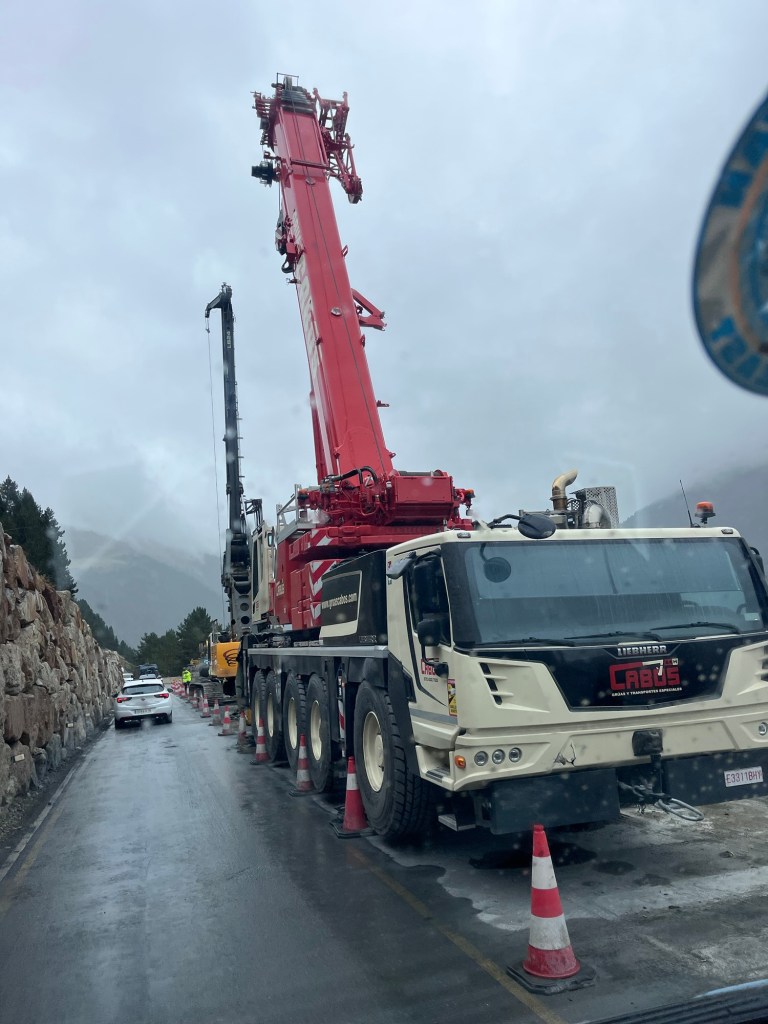
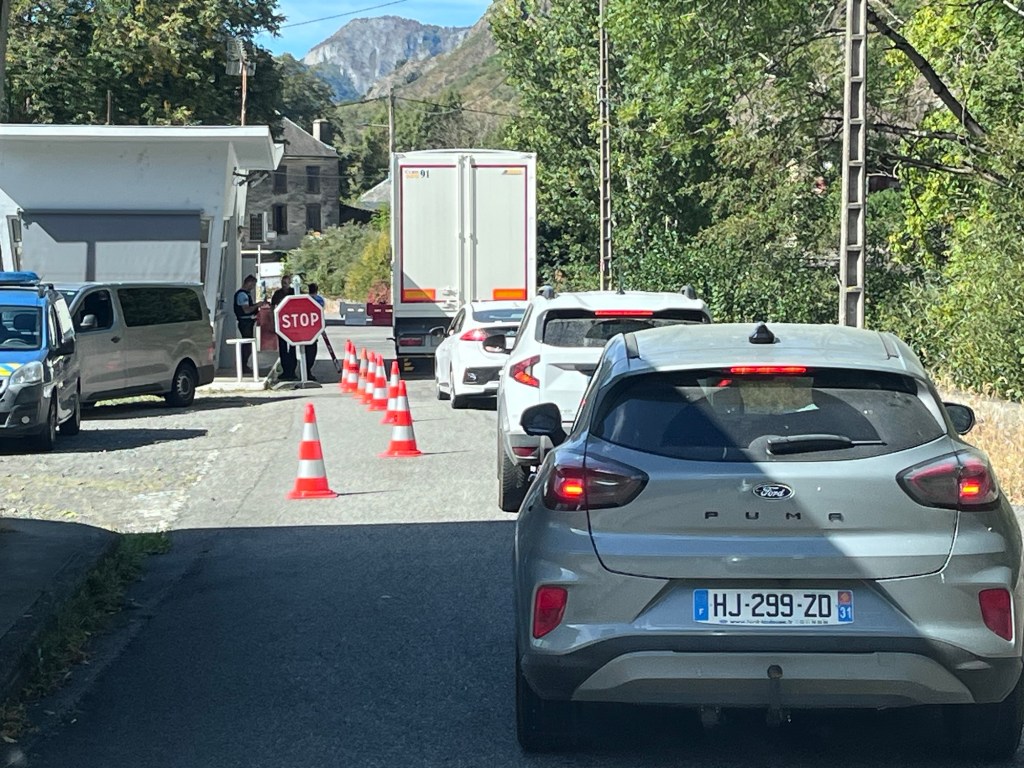
We set off the next morning in rain and low cloud so decided to go the long way round to Lourdes on the French side of the mountains rather than over the top through Andorra. This took us all day as the roads were very windy and we came across some roadworks on the mountain where they stopped the traffic for 45 minutes so they could work and then let it through. At the border with France, French Customs had everyone stop and divert into an inspection channel. Not sure what they were looking for but they weren’t interested in us.

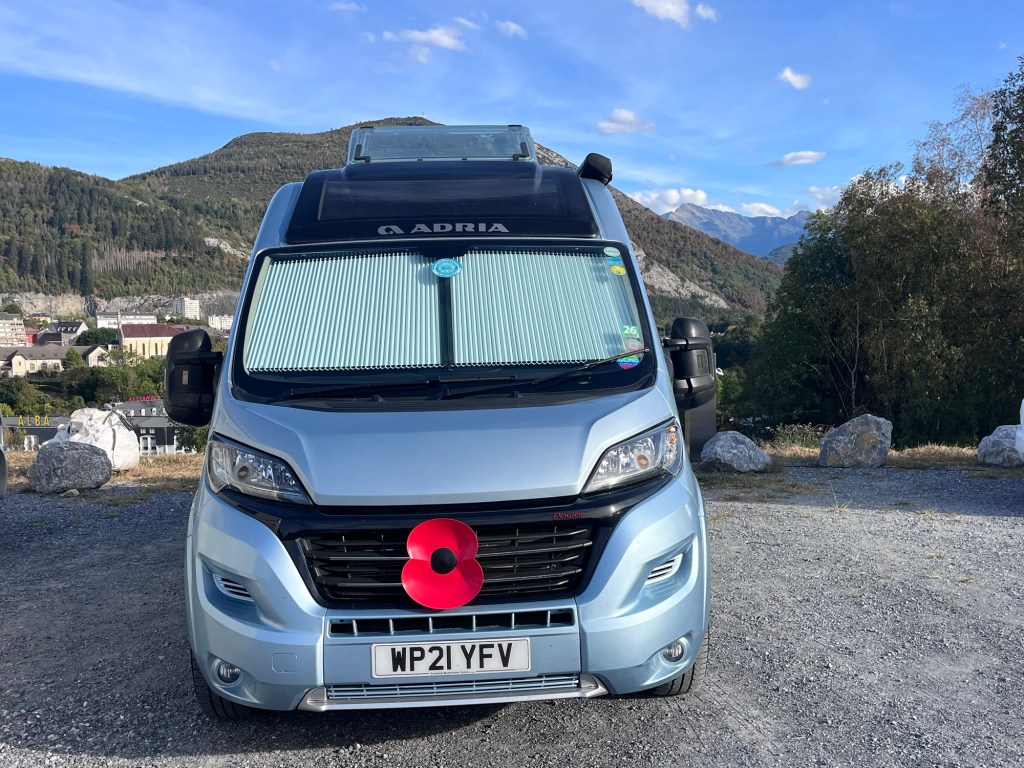
Our destination for the night was Lourdes, renowned as a place of pilgrimage since Bernadette Soubirous had her apparitions. Liz last went there when she was 21 and Jo had never been so we decided to have a look. We found a great aire just above the town for €10 a night (P4N#610778). Electricity and water were extra but we didn’t need them and could empty the toilet cassette for free.

Aire overlooking Lourdes

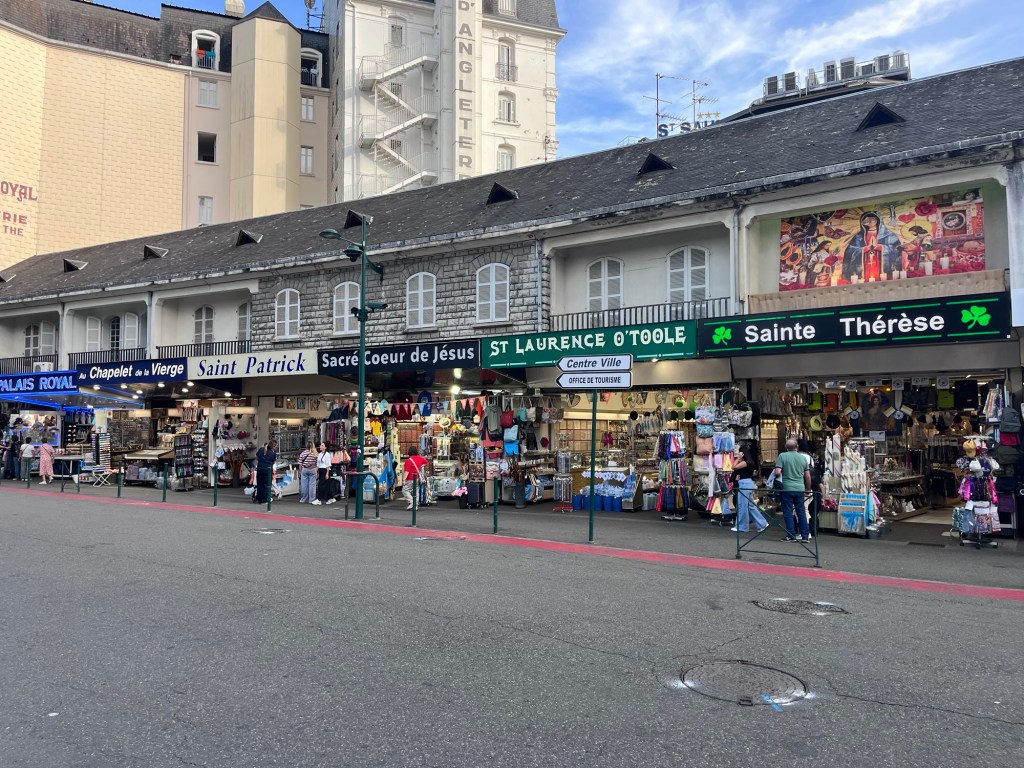
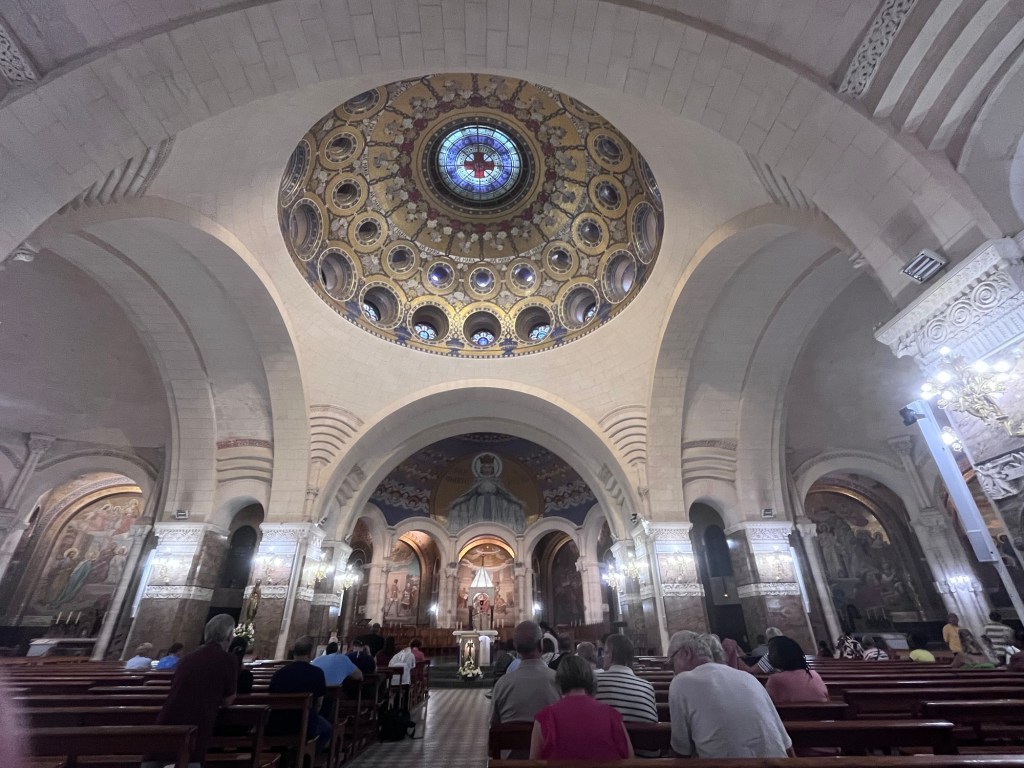
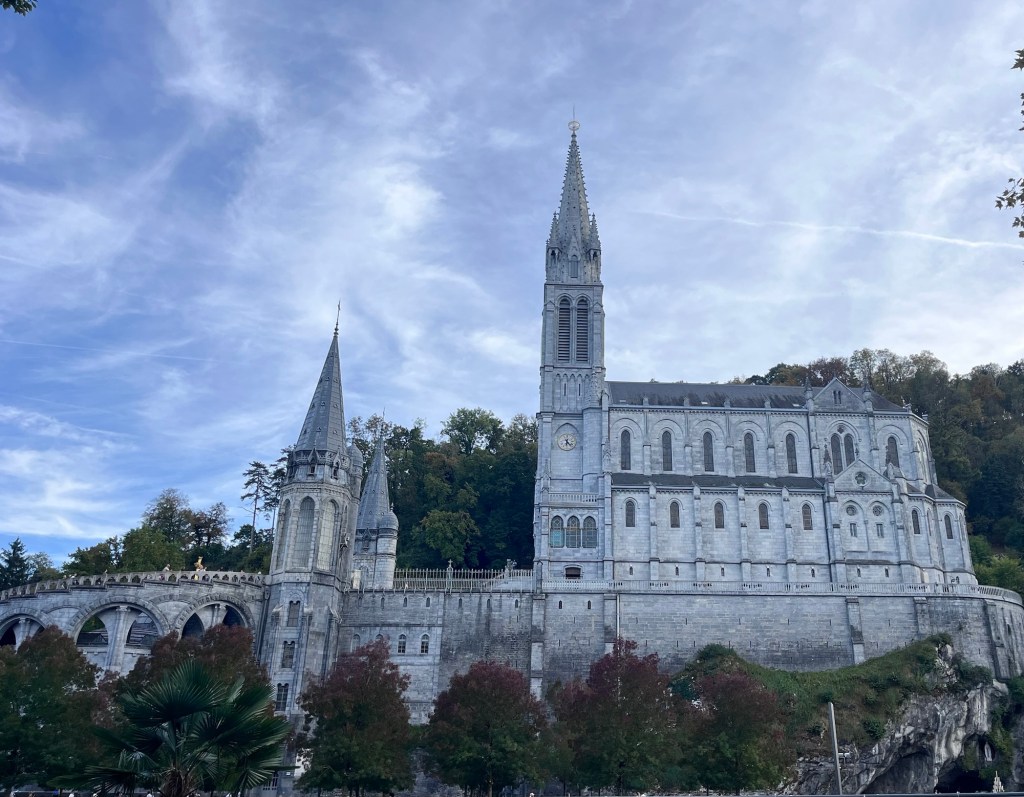
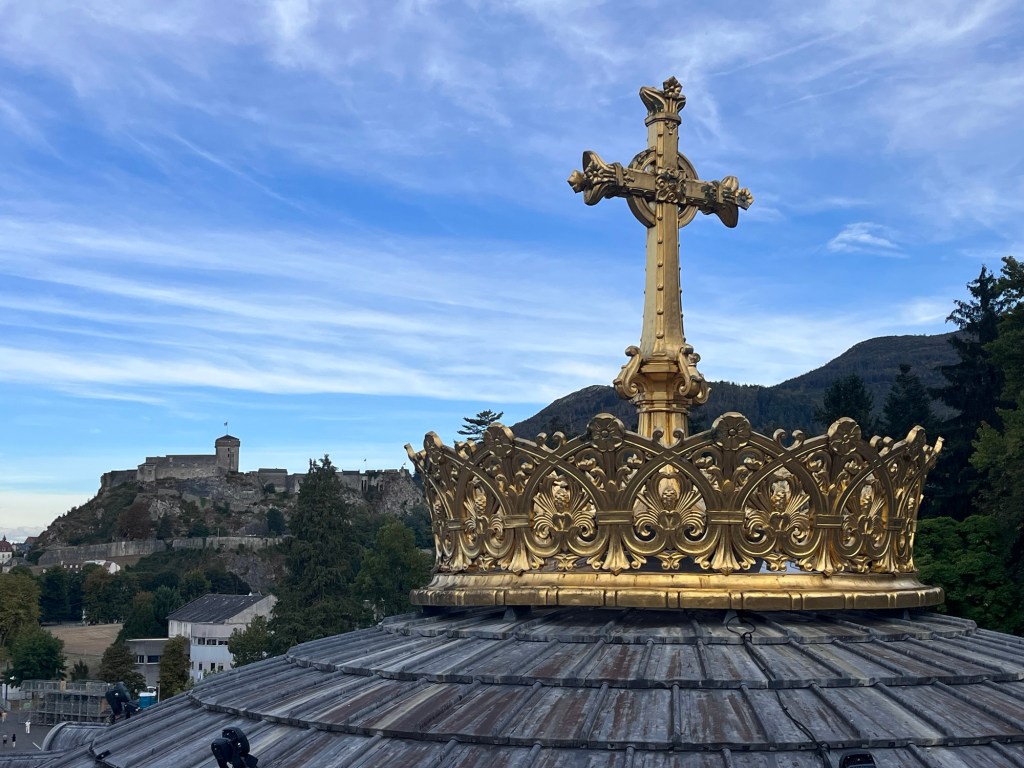
We wandered into town around 18.00 to find that various services had started in the Sanctuaire complex including one outside the grotto where Bernadette had her first apparition. It was very bizarre that you could still visit the grotto whilst a service was going on in front of you. Did mean there were no queues! The town itself has taken full advantage of the millions of pilgrims who travel there each year with a lot of very tacky shops. The Sanctuaire is enormous and very ornate inside showing the wealth of the Catholic Church. Pope Leo had visited a couple of days before so the banners celebrating his visit were still draped everywhere. After 90 minutes of wandering around, we made our way back up to our aire for dinner in the van before a fairly early night.
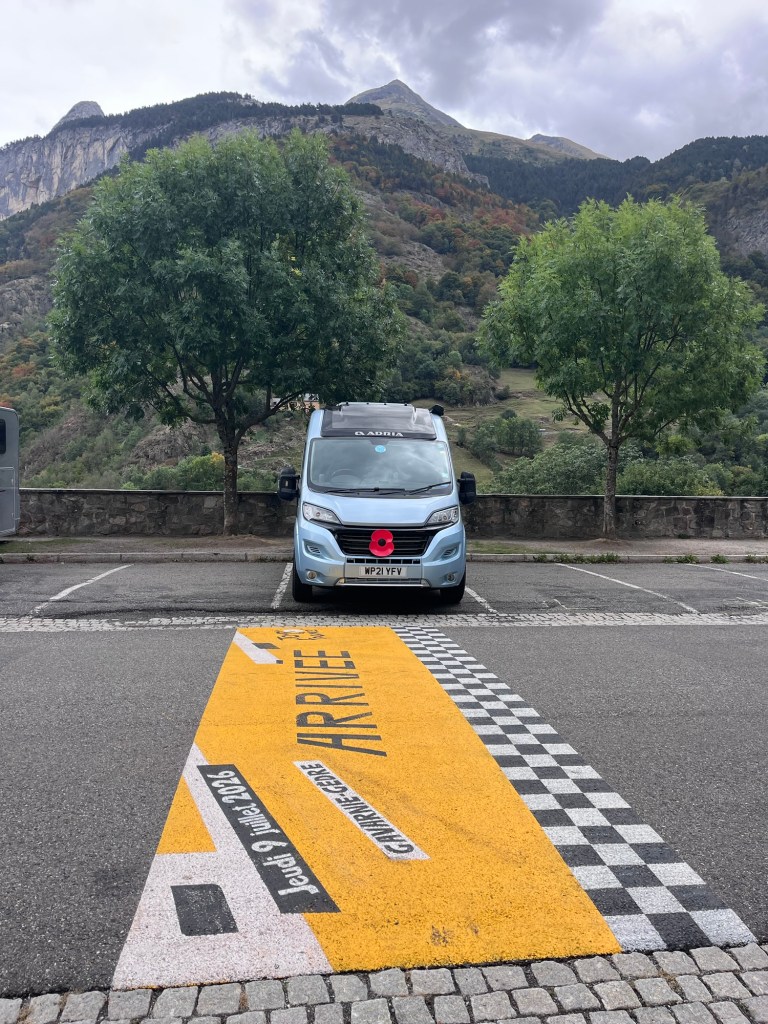
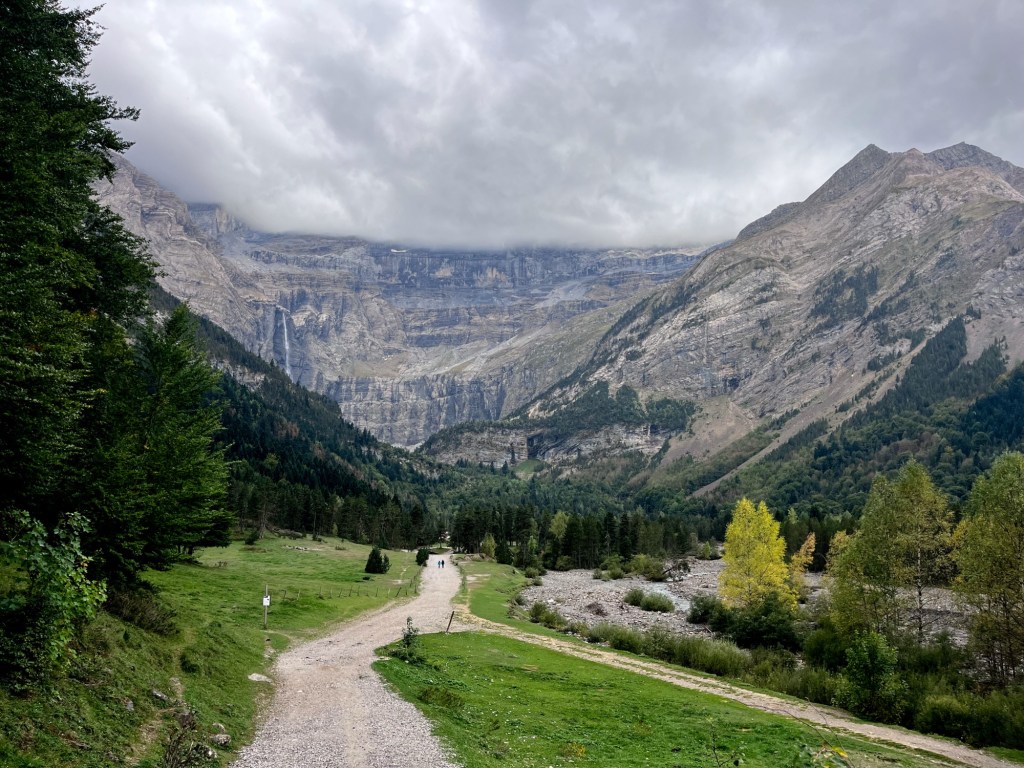
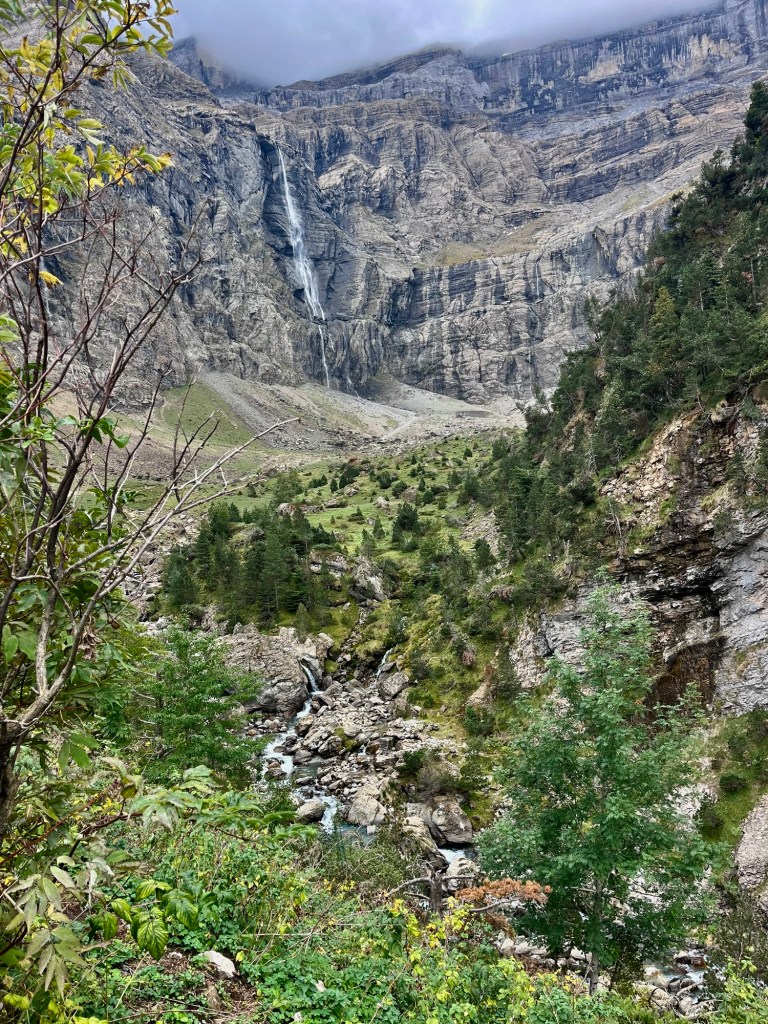
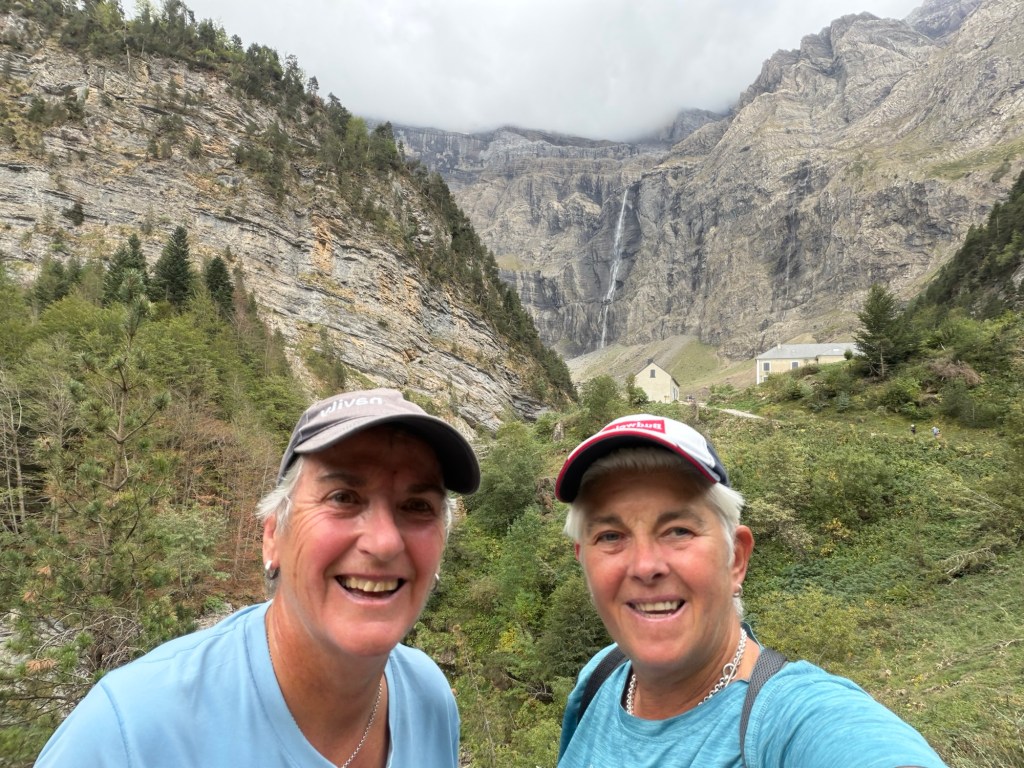
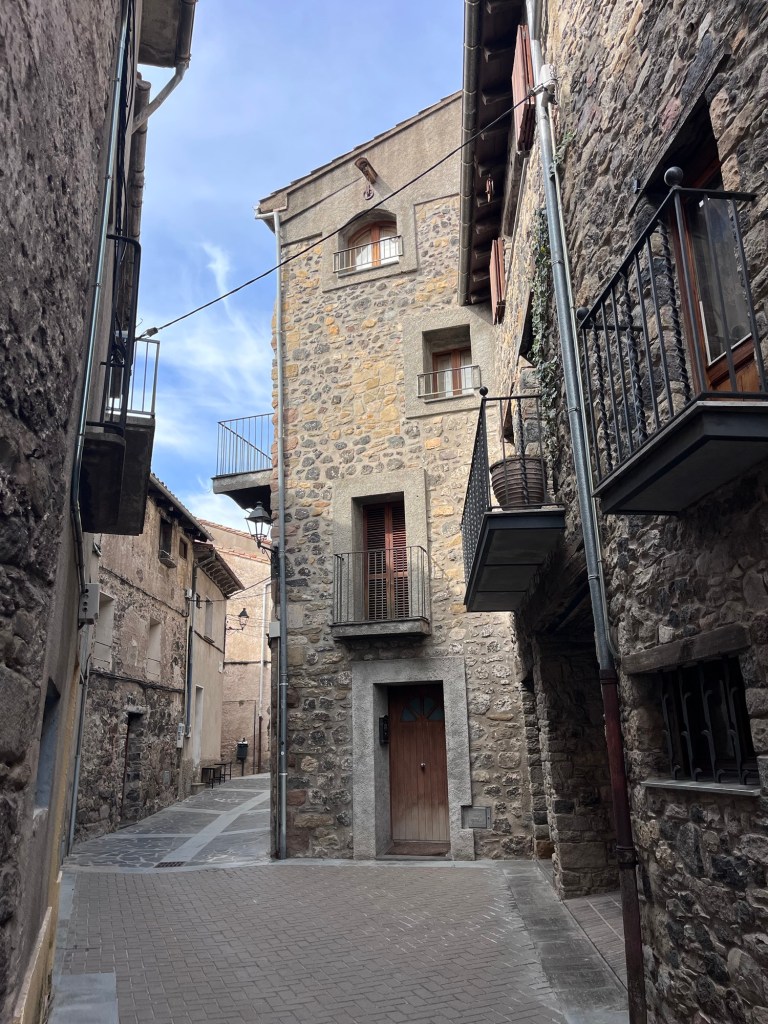
On Wednesday morning we drove south to Gavarnie, around 30 miles, as we wanted to hike the Cirque de Gavarnie. It’s a natural amphitheatre with one of the longest waterfalls in Europe. The town itself is very sweet, high up in the mountains and still fairly busy despite the late season. We were able to park just outside the village for €10 for 24 hours. No facilities but there was an aire about 3km away that you could use to empty your waste water. We parked on the finish line of the 6th stage of this year’s Tour de France. The incline was hard enough in a van! We made sandwiches to take with us on our 3 hour hike and once the rain had stopped started off. It’s probably just under two hours there, all uphill, and just over an hour back. The scenery was spectacular and the photos don’t do it justice. It rained on and off the whole time but that didn’t dampen our enjoyment. On the way back, we passed a shack where a local farmer was selling his Bebris sheep’s cheese. After tasting it we had to buy some. Once back in the van, the heavens really did open but we were cosily tucked up in Dora so we didn’t mind.
Miles since last blog: 330

Miles this trip: 1,938

Dali Triangle

We left our aire in Carcassonne on Friday, September 25 at 10.30 to drive the 120 miles to our next stop near Figueres in Spain. This should have been a simple enough task even though it would take three hours as we object to paying the French tolls. The campsite we were heading for was set in an olive grove with 9,000 organic chickens. They shut for lunch between 14.30 and 16.00 so leaving ourselves four hours should have been plenty of time.

We needed to do a shop and the only decent supermarkets we found were hyper markets that took ten minutes to find the entrance in the shopping centre let alone find our way around the store. Next, we wanted to get more diesel but in France it is astronomically expensive at around €2.40 per litre. However, we had found one provider, Total Energies, who had capped the price at €2.25 so we were on the hunt to find one that still had some fuel left. We found one near Lezignan but the queues were long. We decided it shouldn’t take too much time as there were several pumps. What we hadn’t reckoned on was the fact that everyone had to prepay for fuel before filling up and then go and get their receipt before driving off. It took the best part of 30 minutes! To add insult to injury, we found more Total garages en route with no queue and that fuel in Spain was much cheaper anyway! To be fair, we needed some fuel to get there but certainly not a full tank. Consequently, we didn’t arrive until 14.45 but our friends, Sue and Sheila had already checked us in.

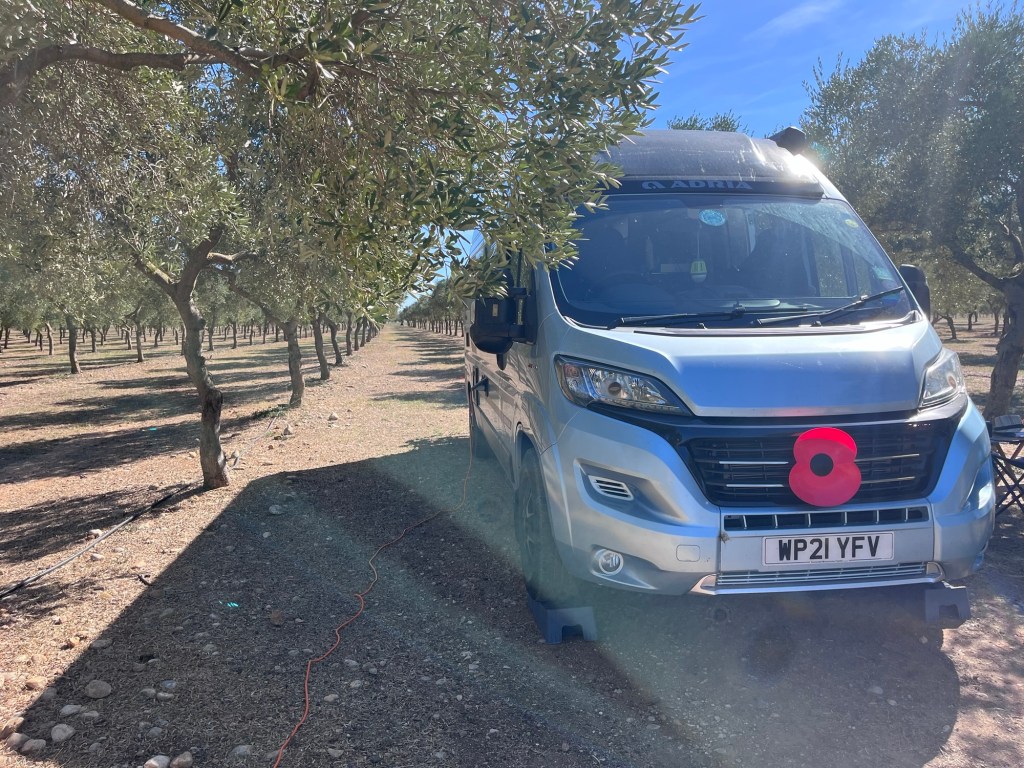
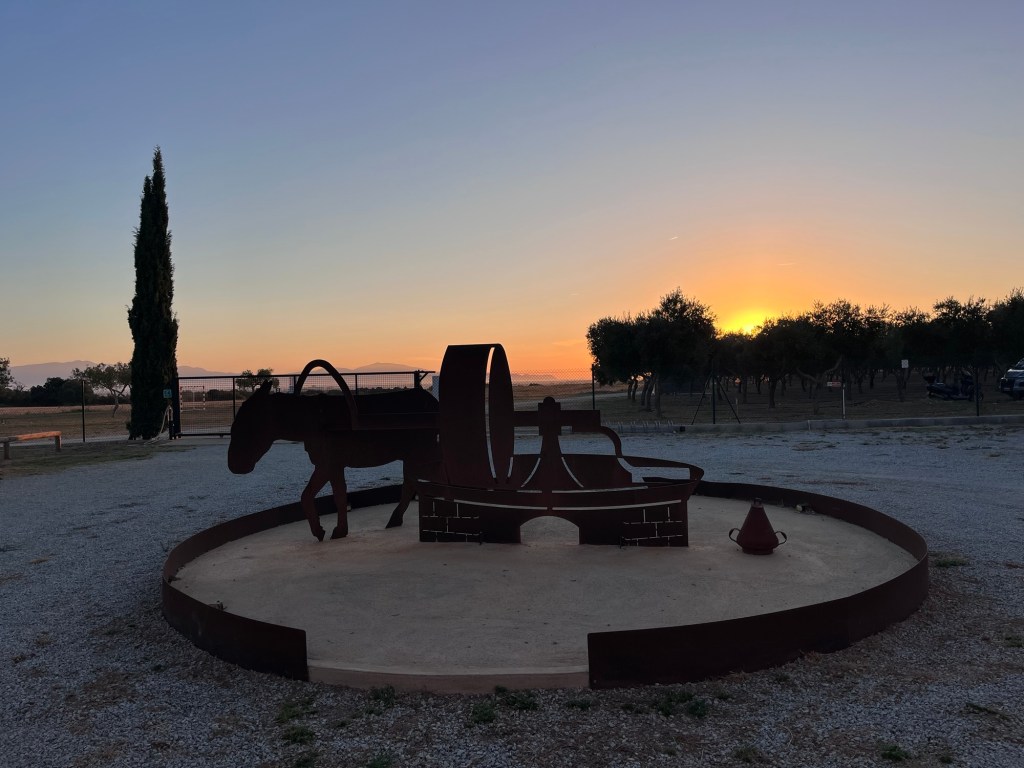
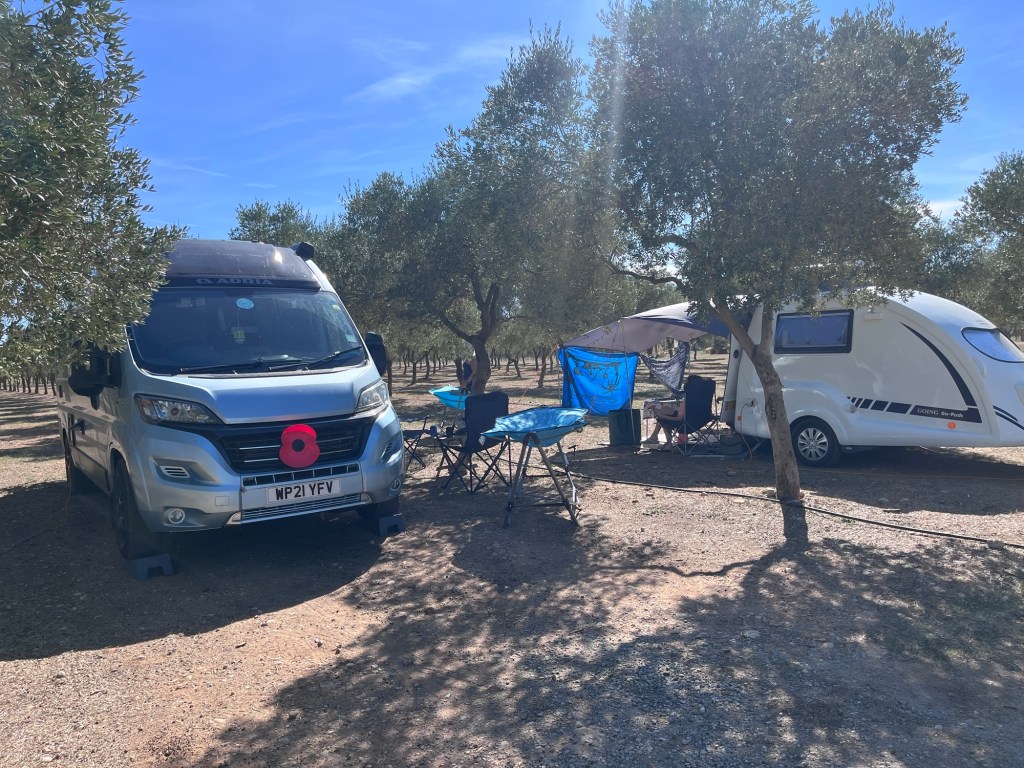
The campsite was delightful, nestled amongst the olive groves with only the farm animal noises. We spent a very lazy afternoon in hammocks chilling and watching the world go by before a pasta and pesto dinner al fresco.

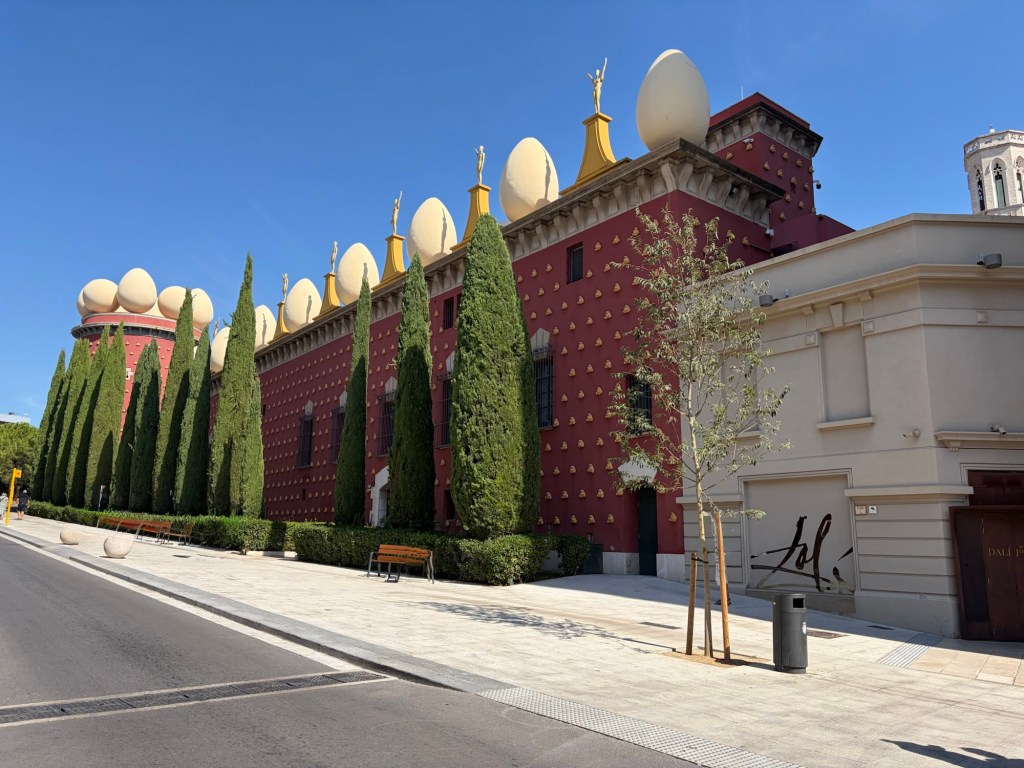
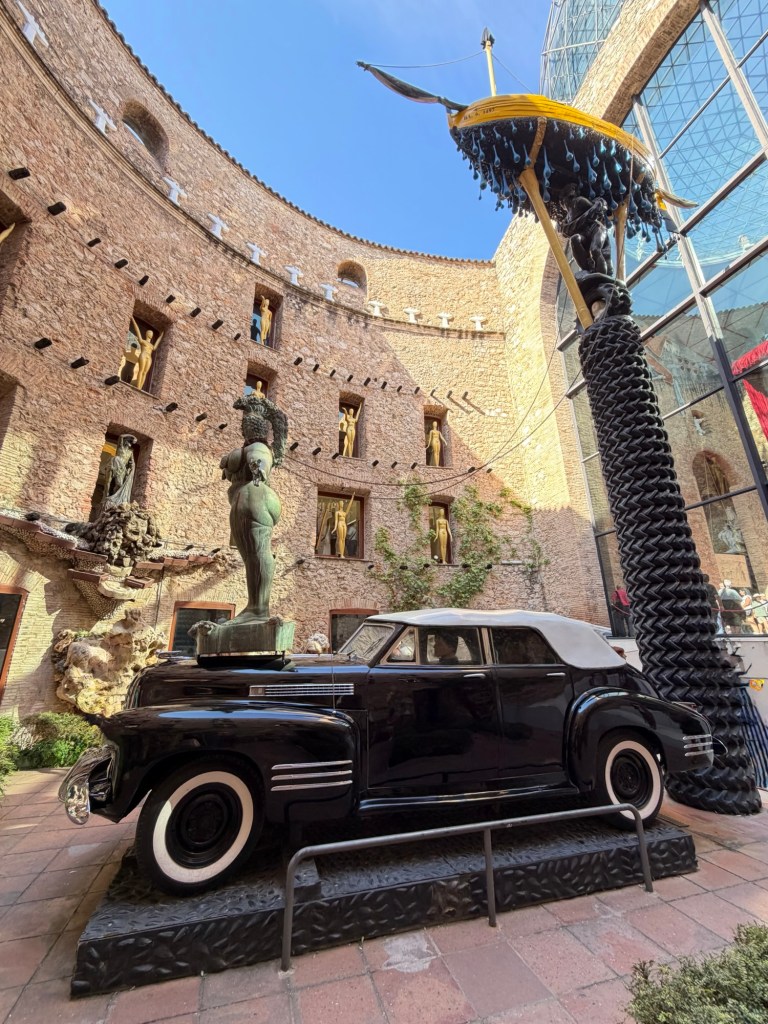
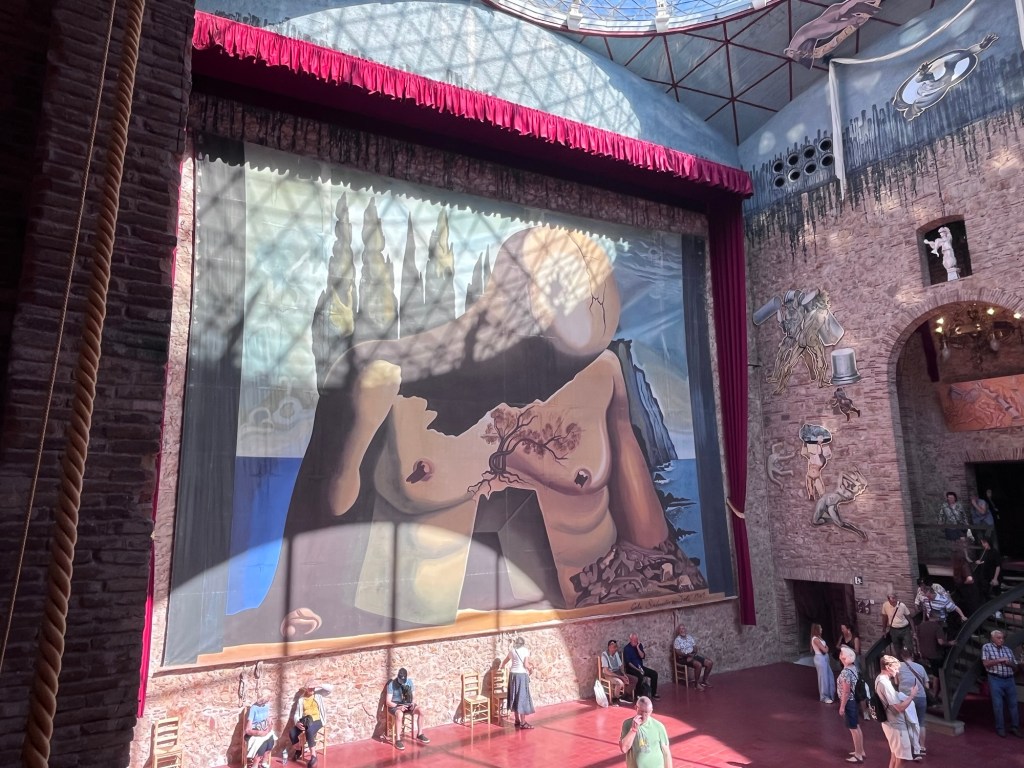
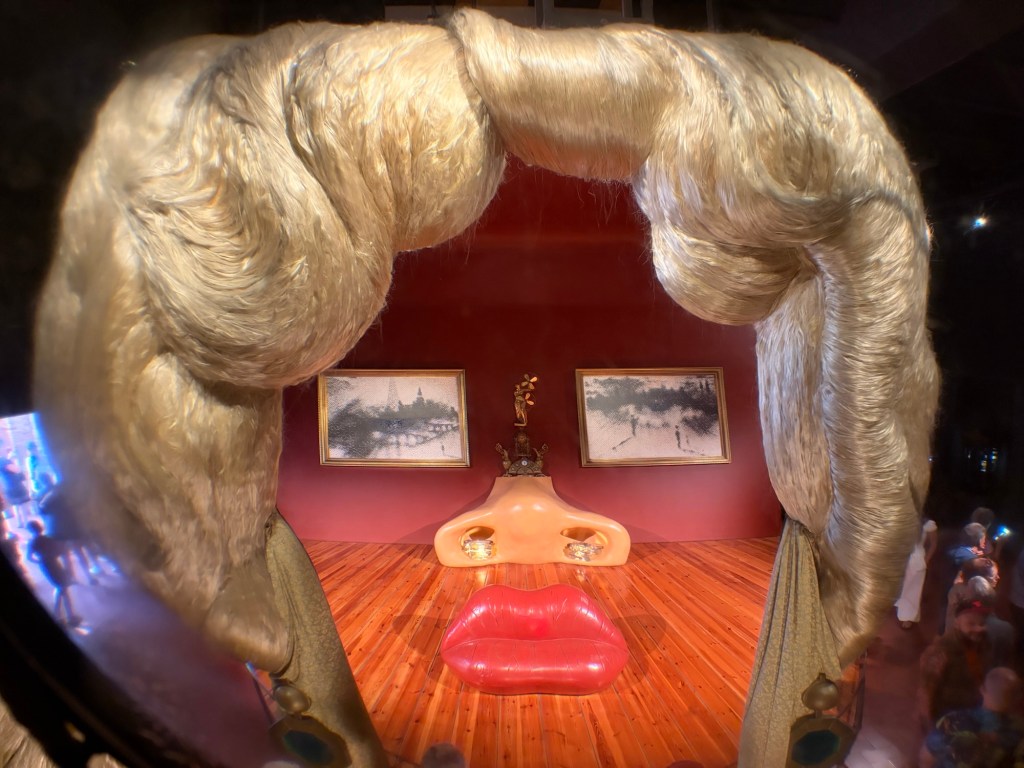
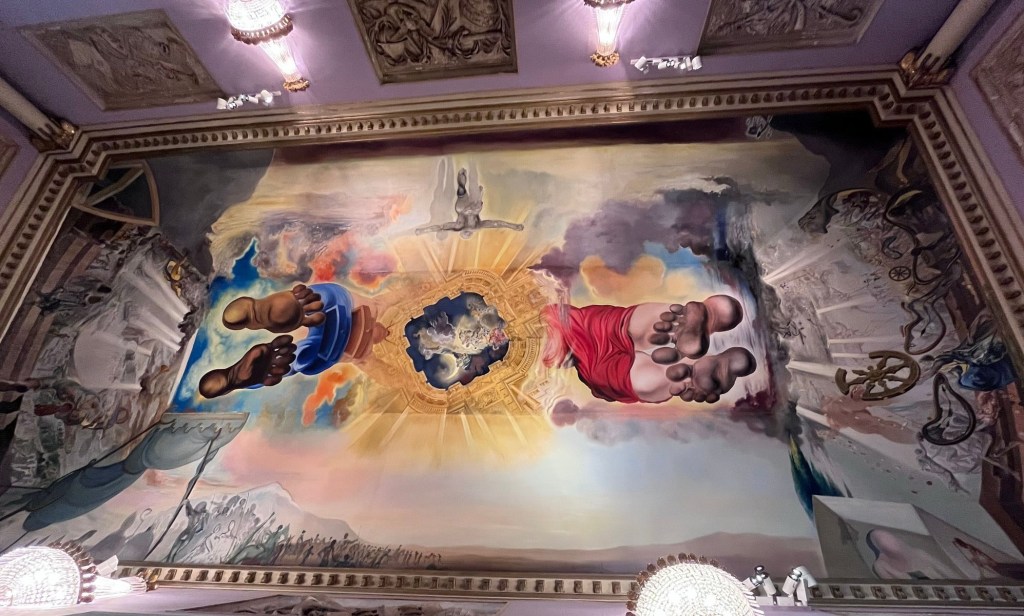
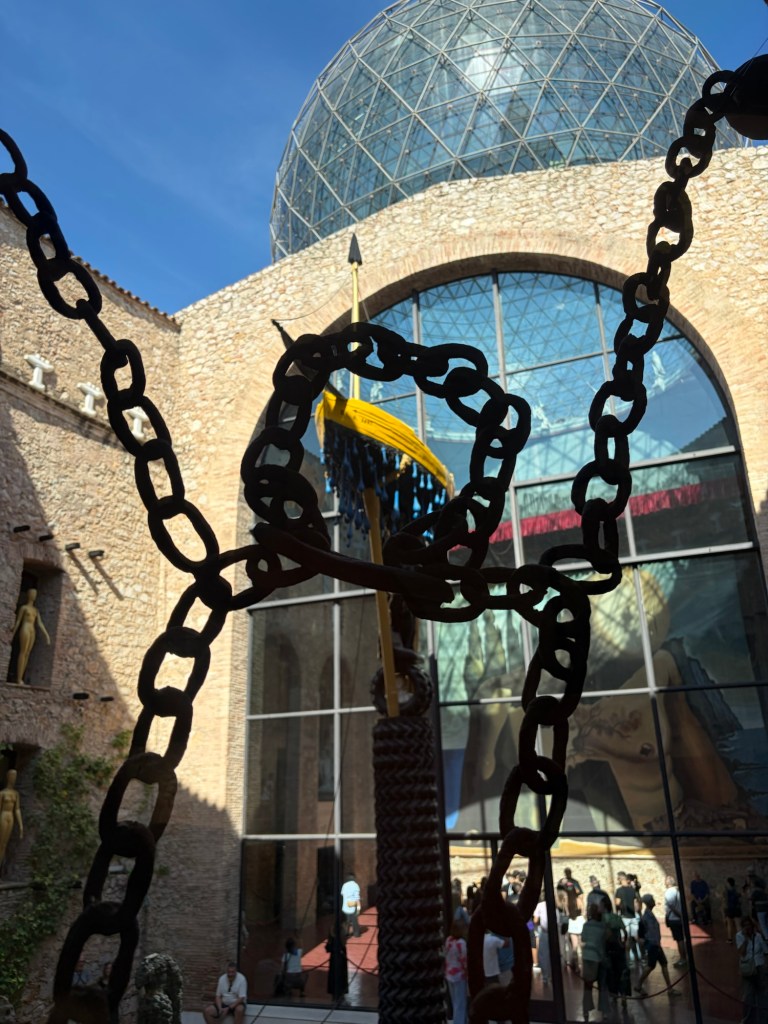
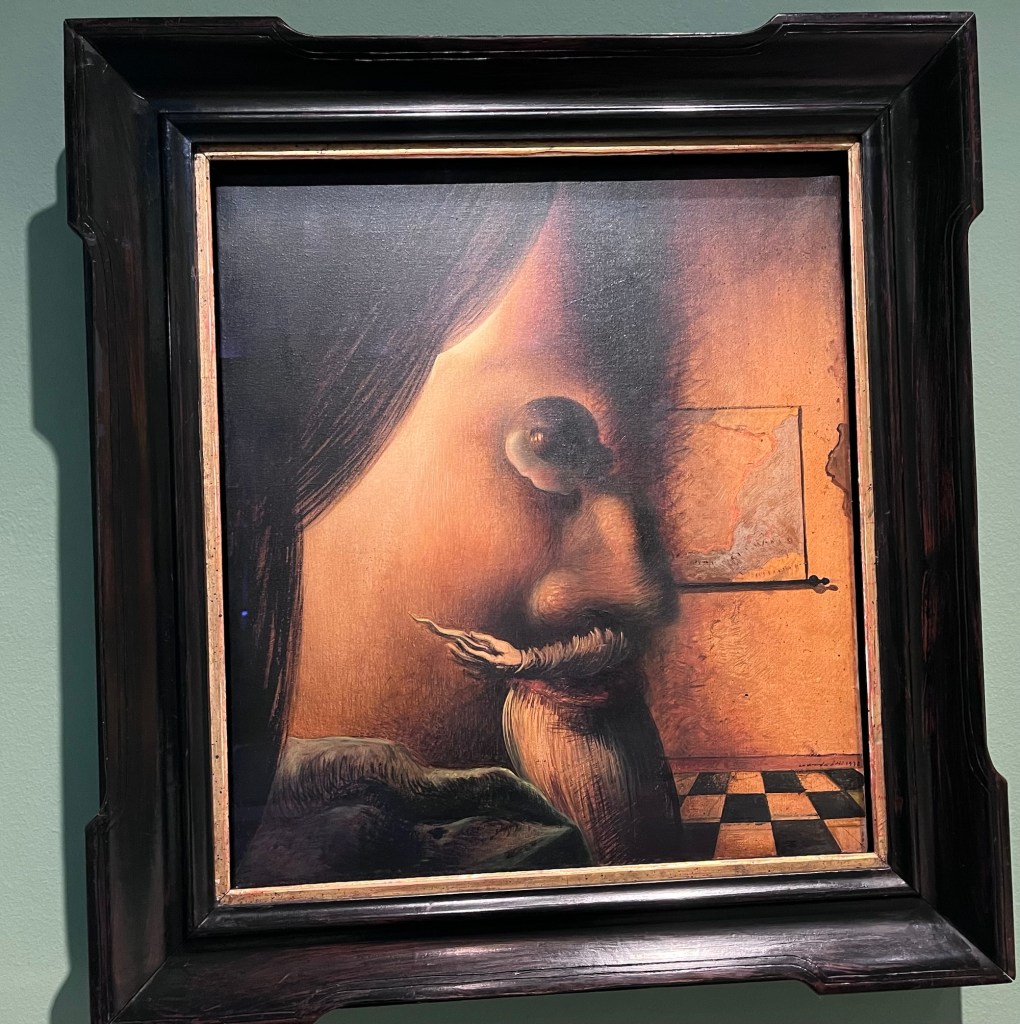
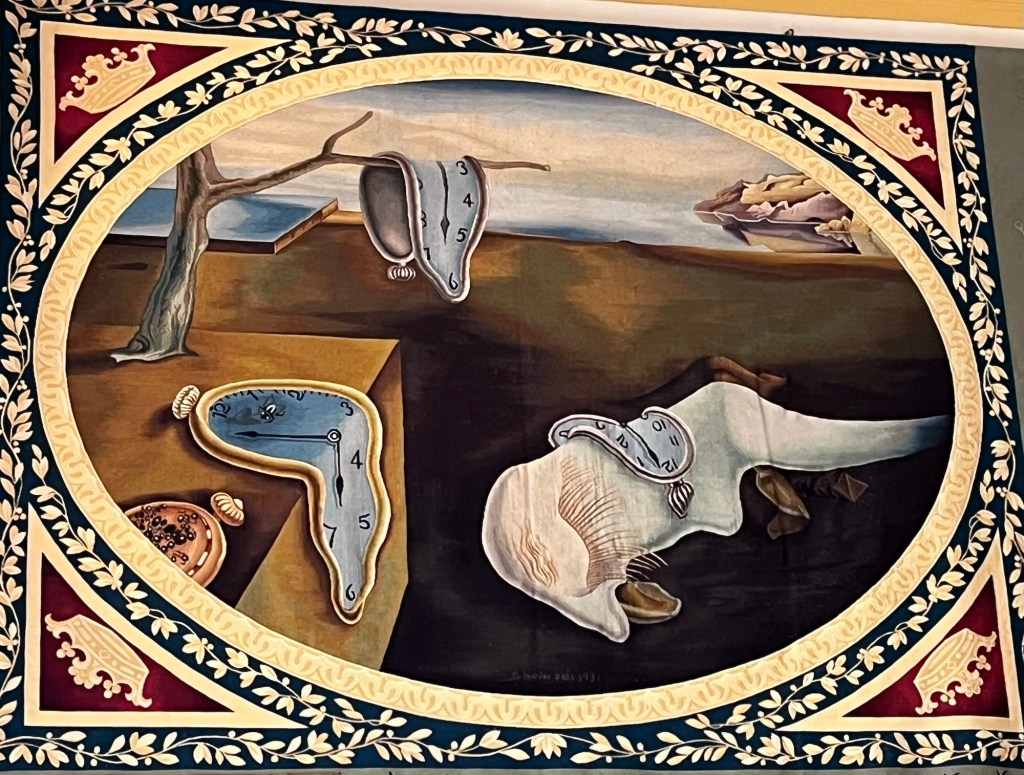
The reason we had chosen Agricola Siurana (P4N#385095) was the fact that a) it was an olive farm and b) only 20 minutes from Figueres and the Dali Theatre Museum. So, Saturday morning we left the campsite around 10.00 to get to the museum on plenty of time for our timed entry. As Sheila and Sue have a Go Pod (think very small caravan) we were able to have the luxury of being in a car! The museum was interesting and confusing at the same time. There wasn’t much in the way of information unless you’d prebooked a guide so it was fairly chaotic.

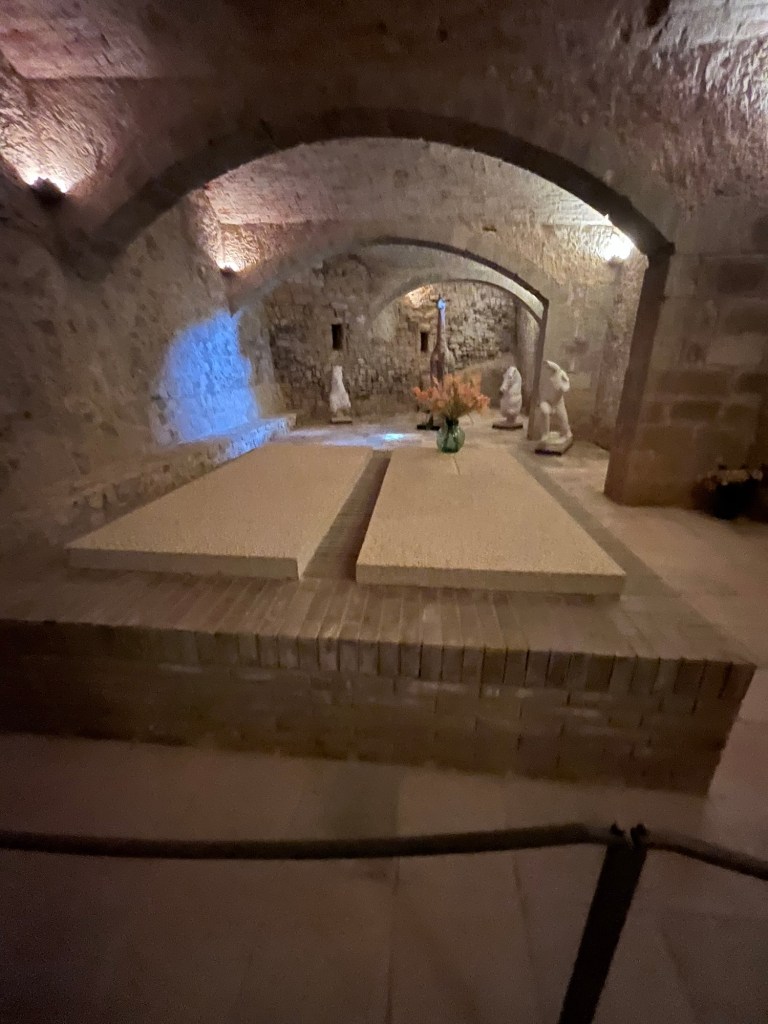
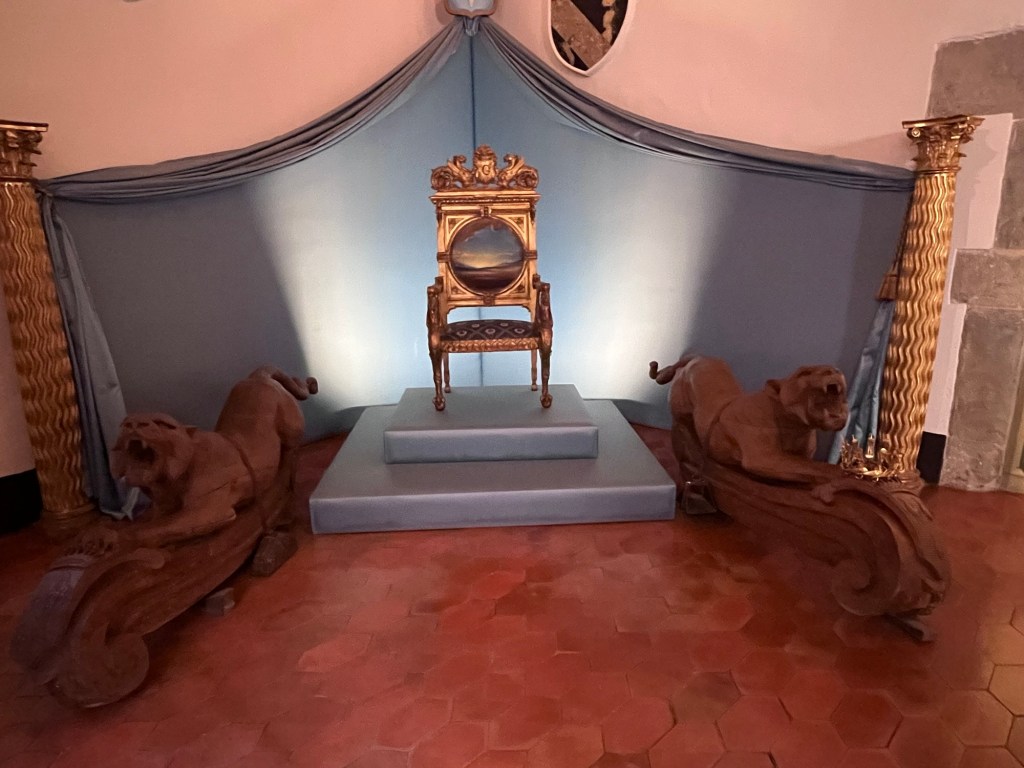
After that we meandered the streets and went in search of his birthplace, a house about ten minutes walk away. This was much quieter and gave a real insight into the man himself. It was a very immersive experience with doors opening and closing automatically to guide you through. Back to the campsite for a spot of lunch before making our way to Gala’s Castle in Pubol. Gala, Dali’s wife, was a talented writer herself but also an astute businesswoman who understood celebrity, marketing and PR. She ran his career and also had a huge input into his many projects from film sets to advertisements. Fascinating. A lovely BBQ to end the day.

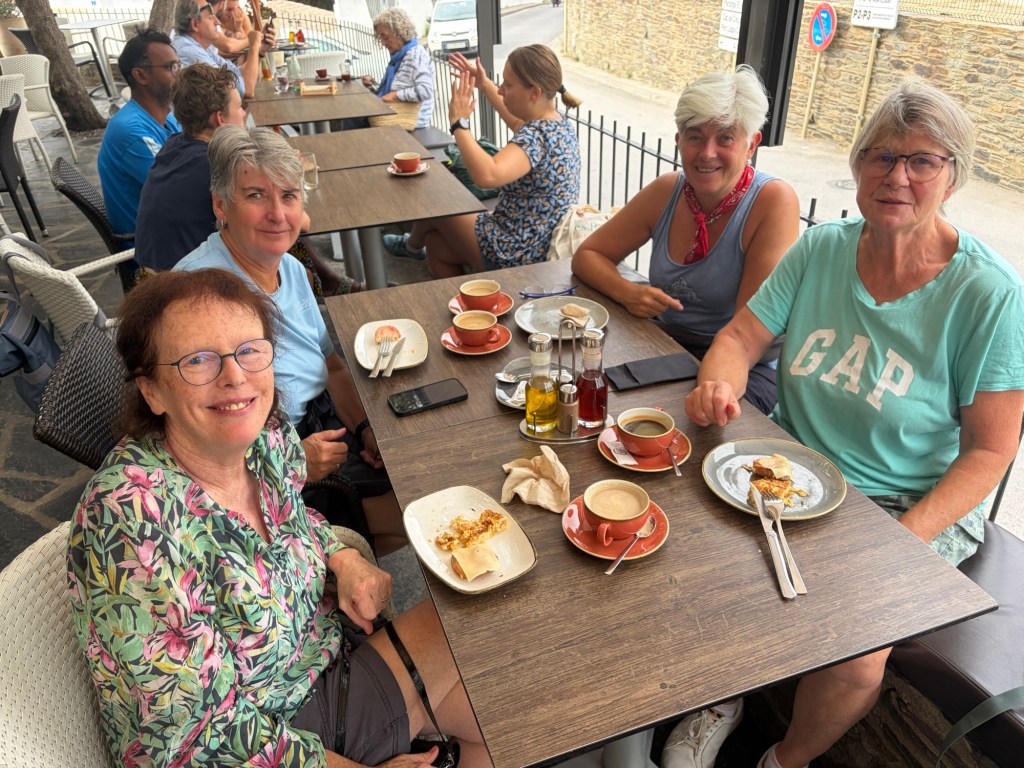
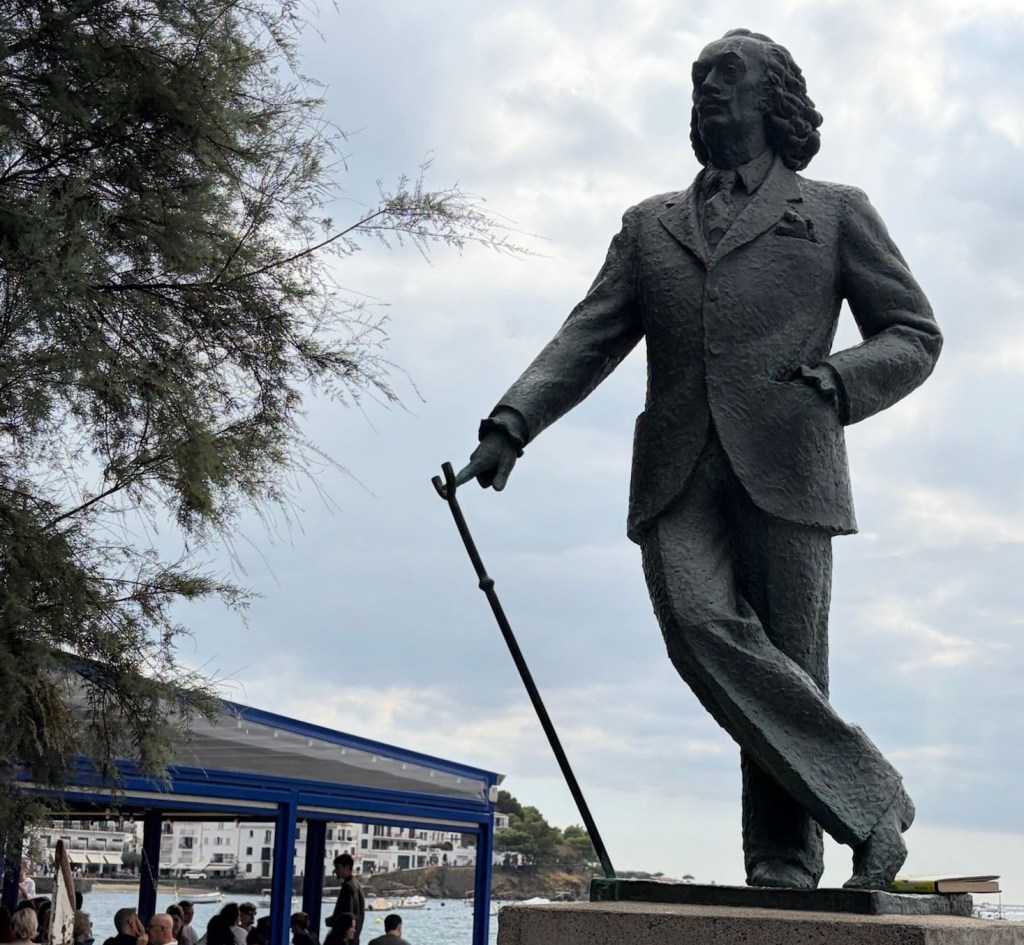
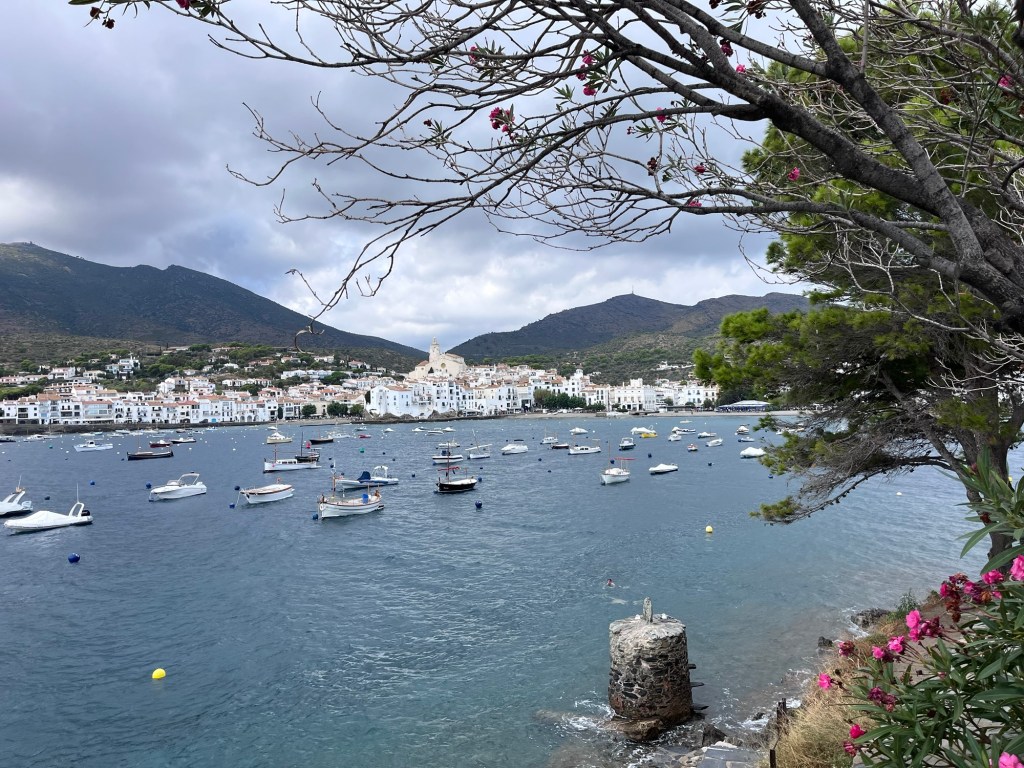
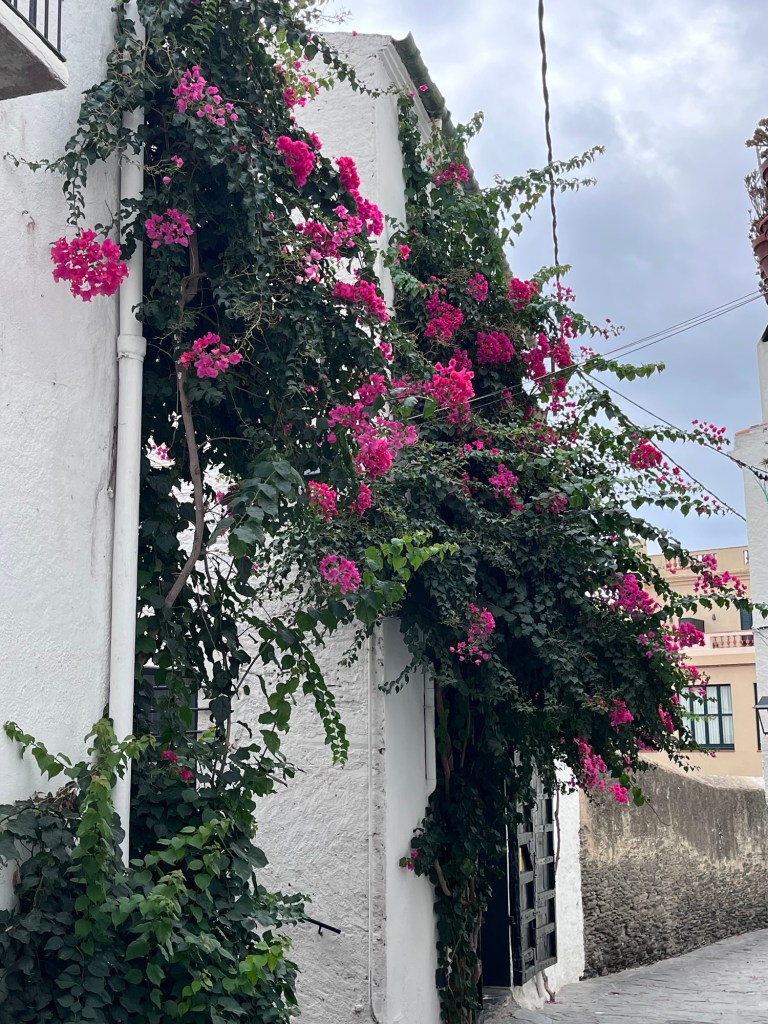
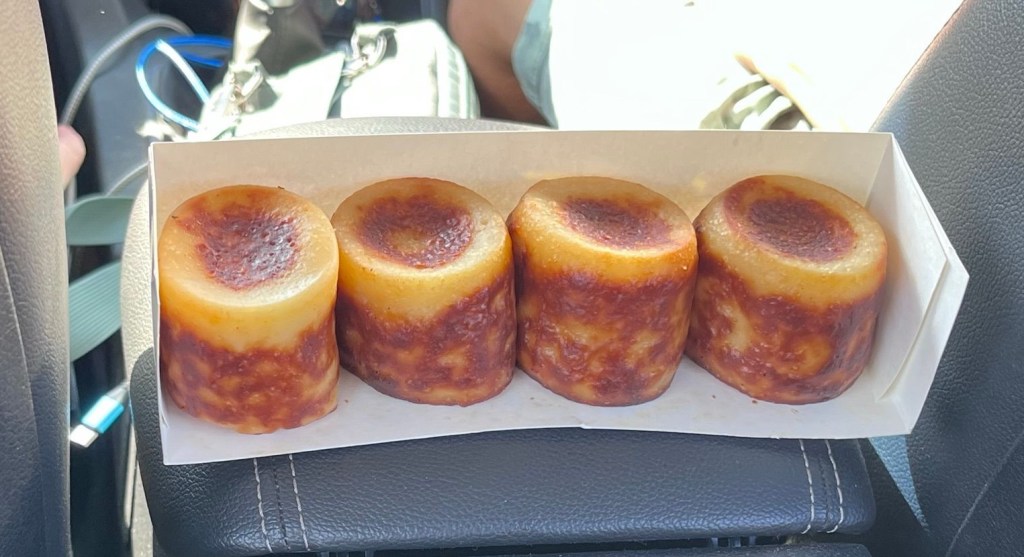
The following day we drove to the town of Cadaques on the peninsula. About an hour away though only 50km but over mountain passes and windy roads. Cadaques itself was a lovely place and we spent several hours wandering around it after a lovely brunch at a local cafe. Whilst there, we came across a local delicacy called Millasson, which is a Spanish version of Pastel de Nata.

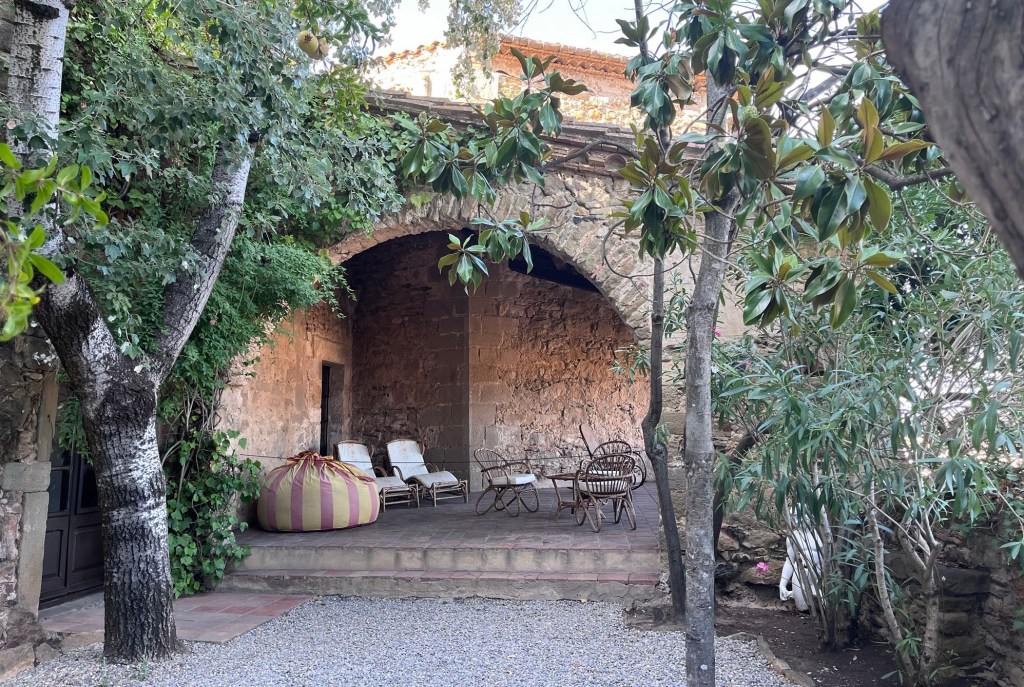
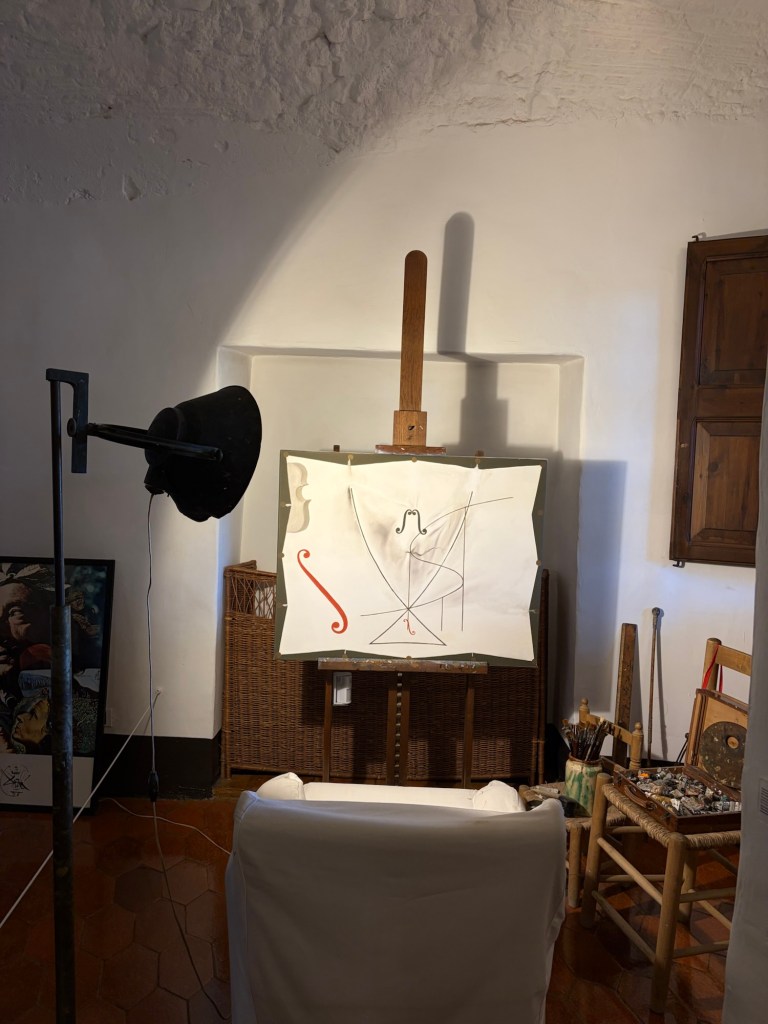
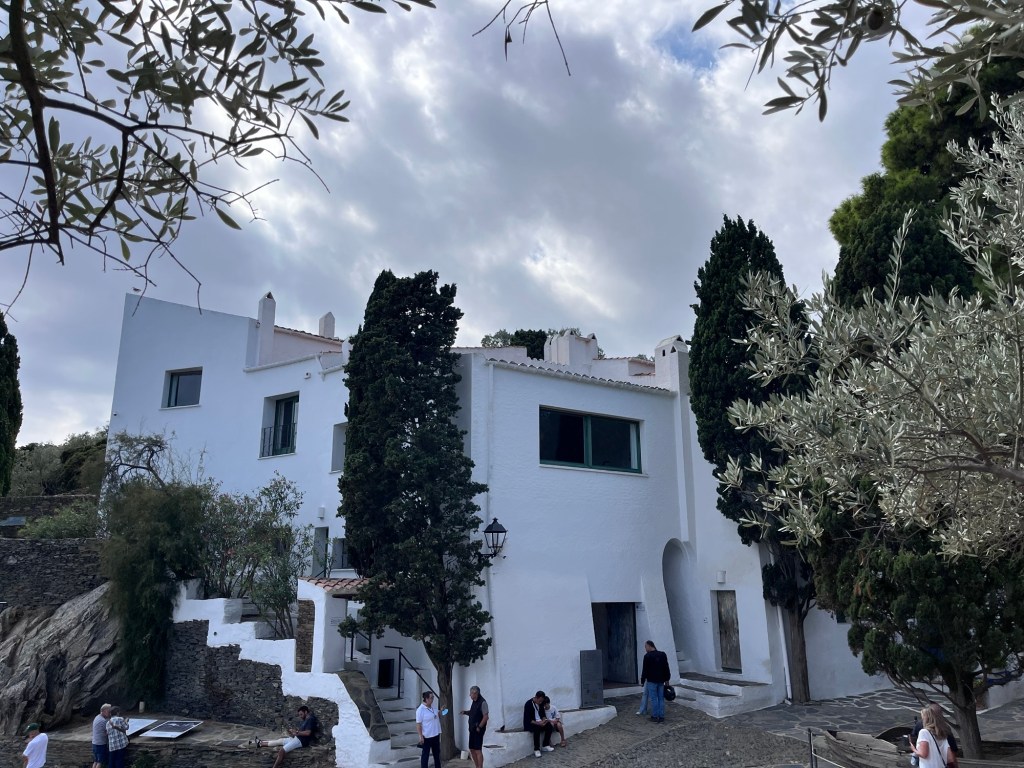
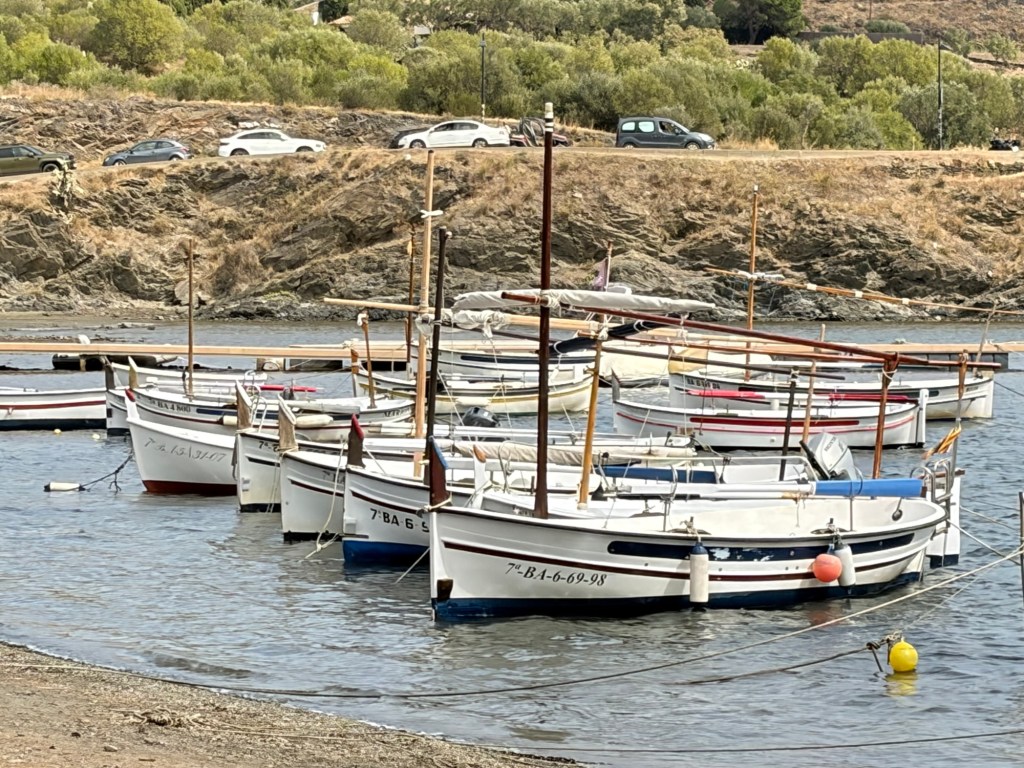
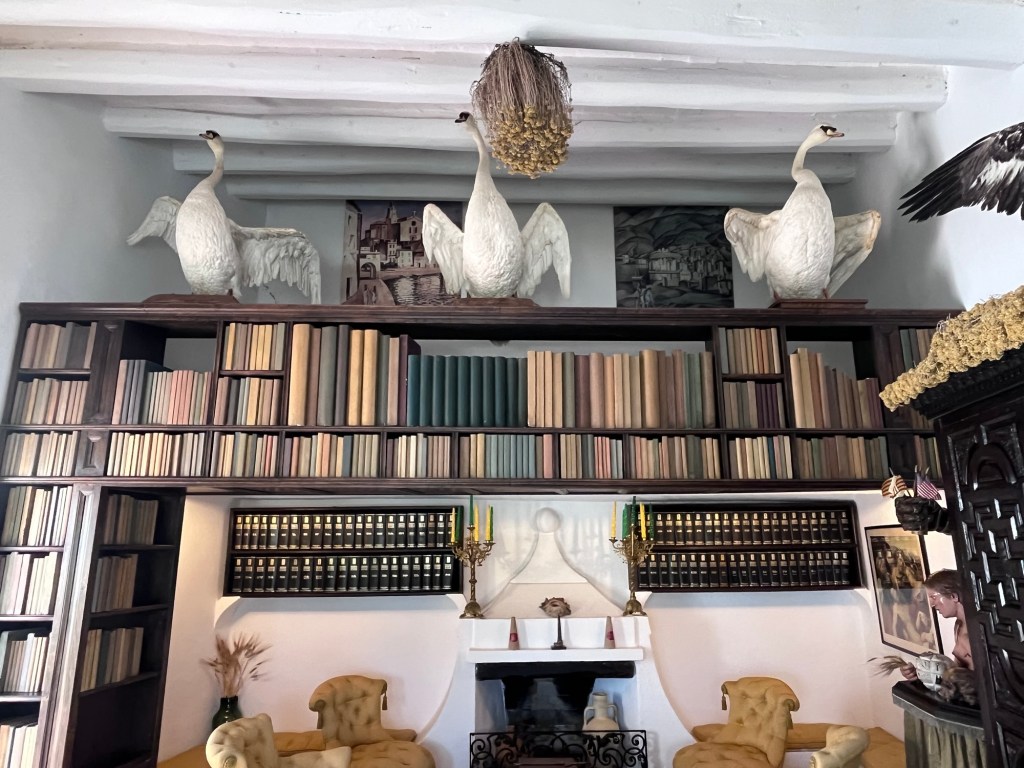
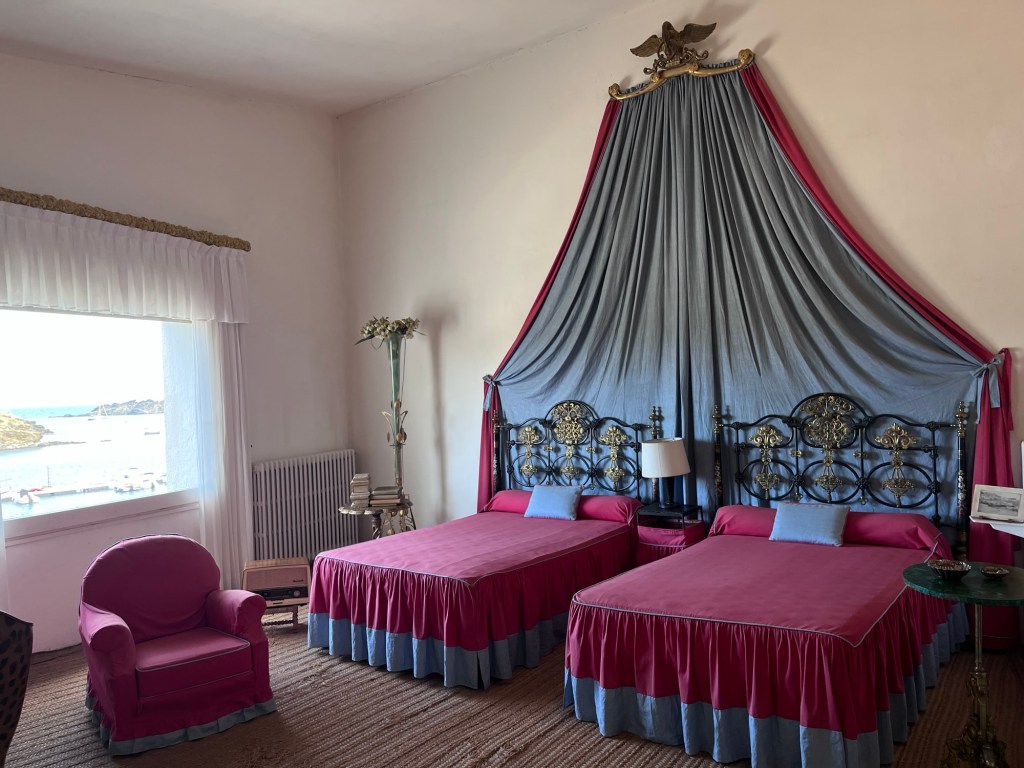
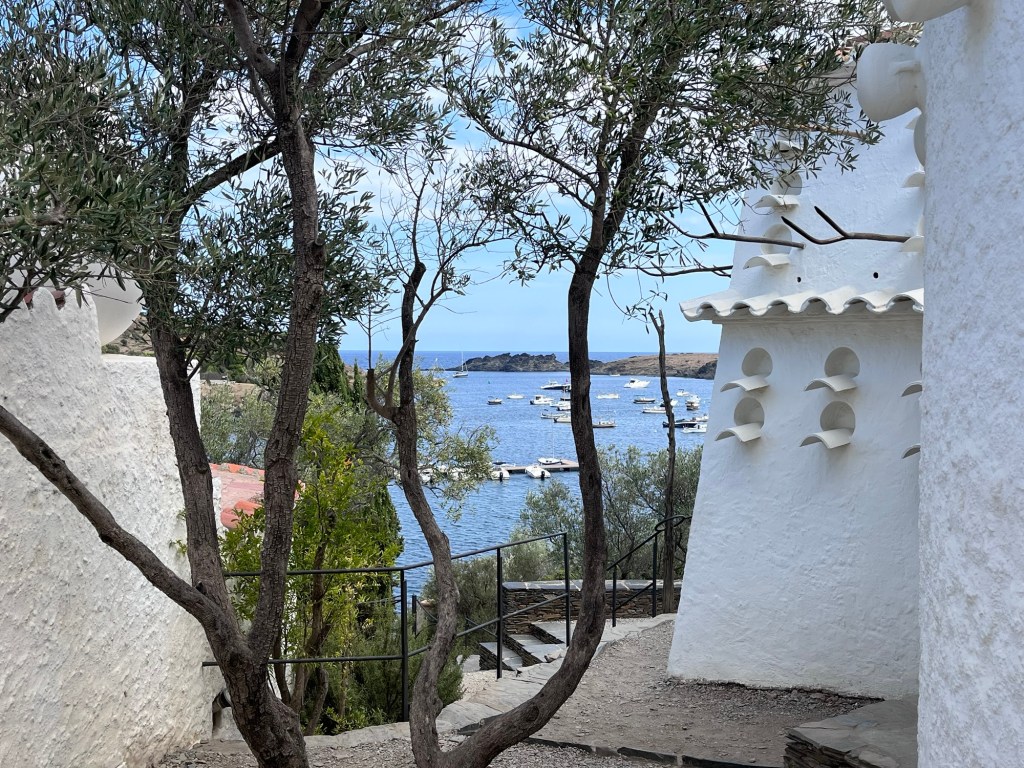
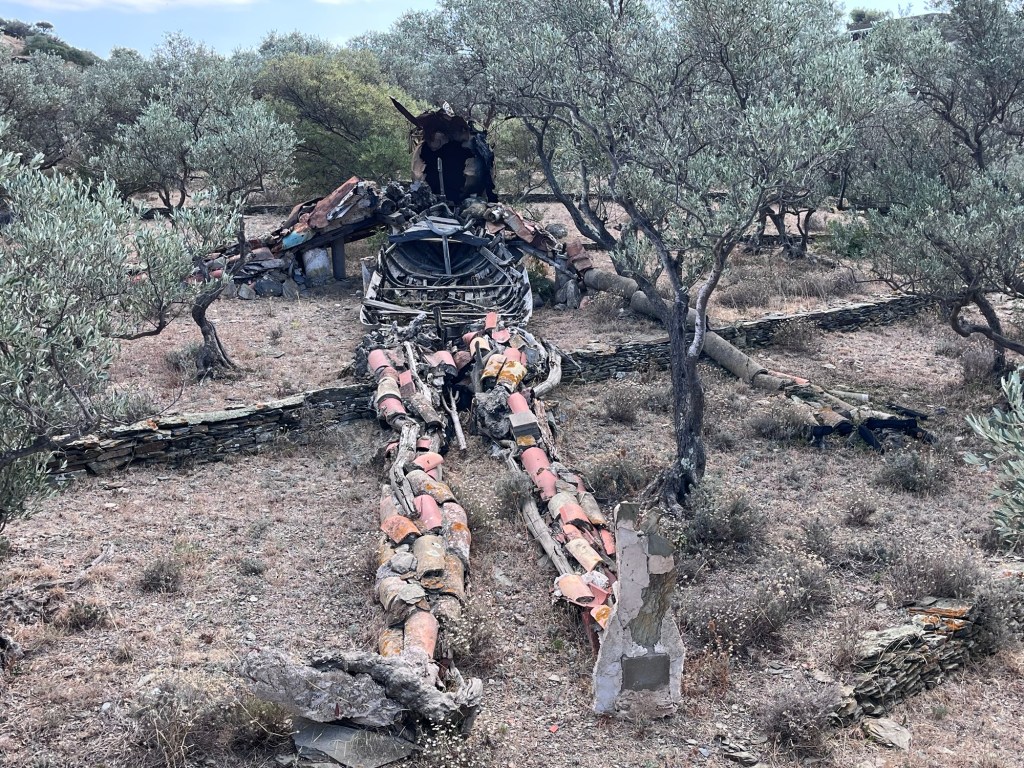
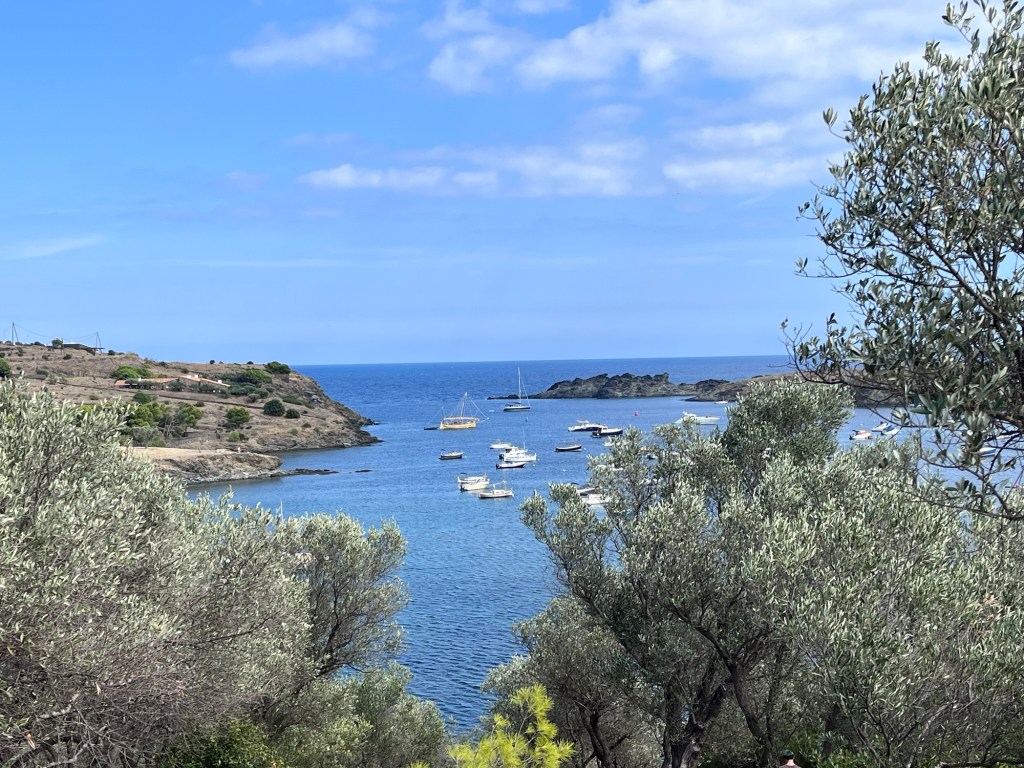
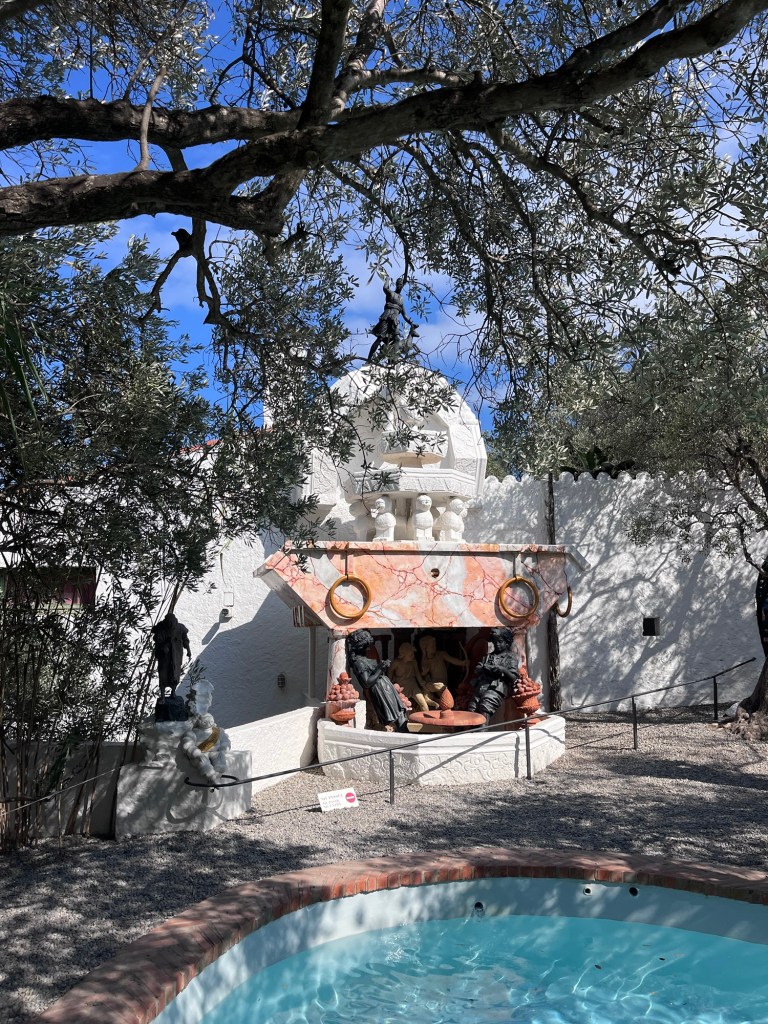
Portlligat, a short walk from Cadaques. was where Dali had his home for many years. They converted fishermen’s cottages overlooking the bay there. A truly gorgeous setting. Dali had a mirror angled over the bay so that he could see the sunrise from his bed and claimed to be the first Spaniard to see it as Portlligat is on the eastern tip of NE Spain.

Back to the campsite for another lovely BBQ.

Miles since last blog: 120

Miles this trip: 1,608