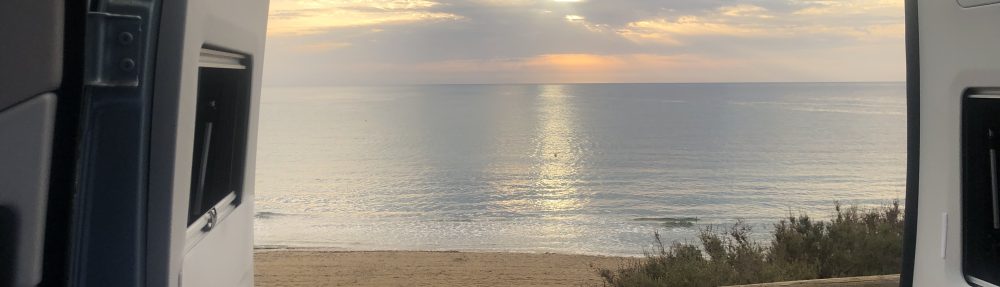
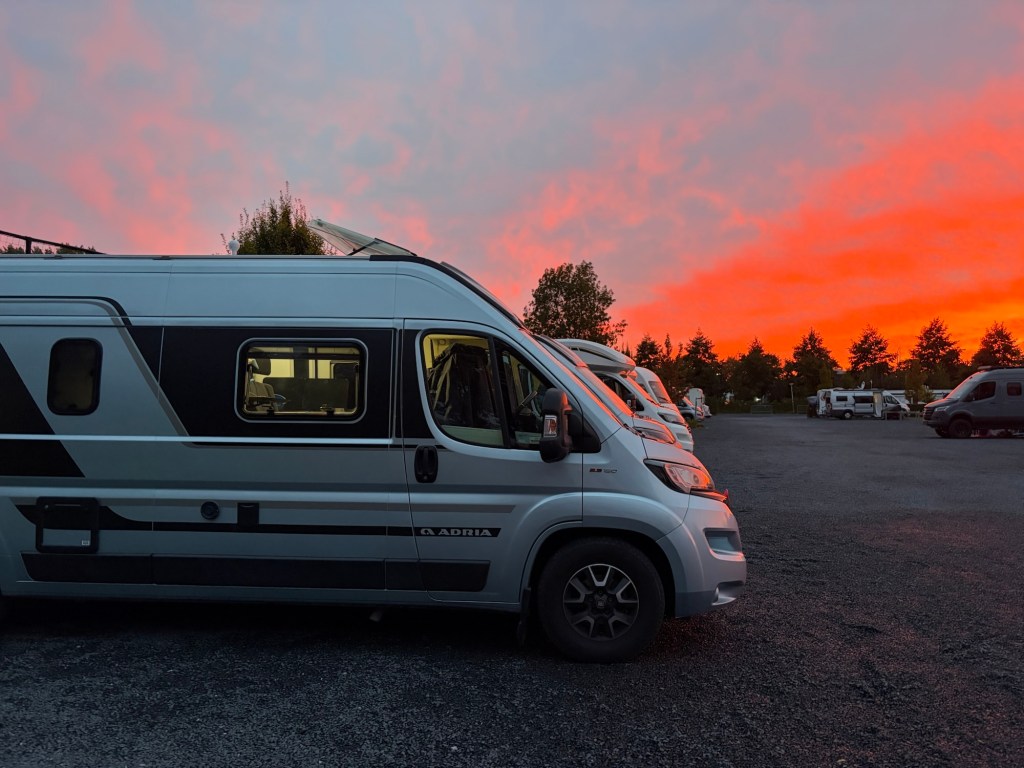
We left our campsite near Delft around 10.00 on Friday, September 4. Not sure how it took us two hours to get ready with showers, filling up with water, emptying the grey and black waste. The campsite had a wonderful machine to empty and clean the toilet cassette where you popped the cassette in and it did it all behind a closed shutter then popped out all clean with bio toilet solution already in it. Wonderful!
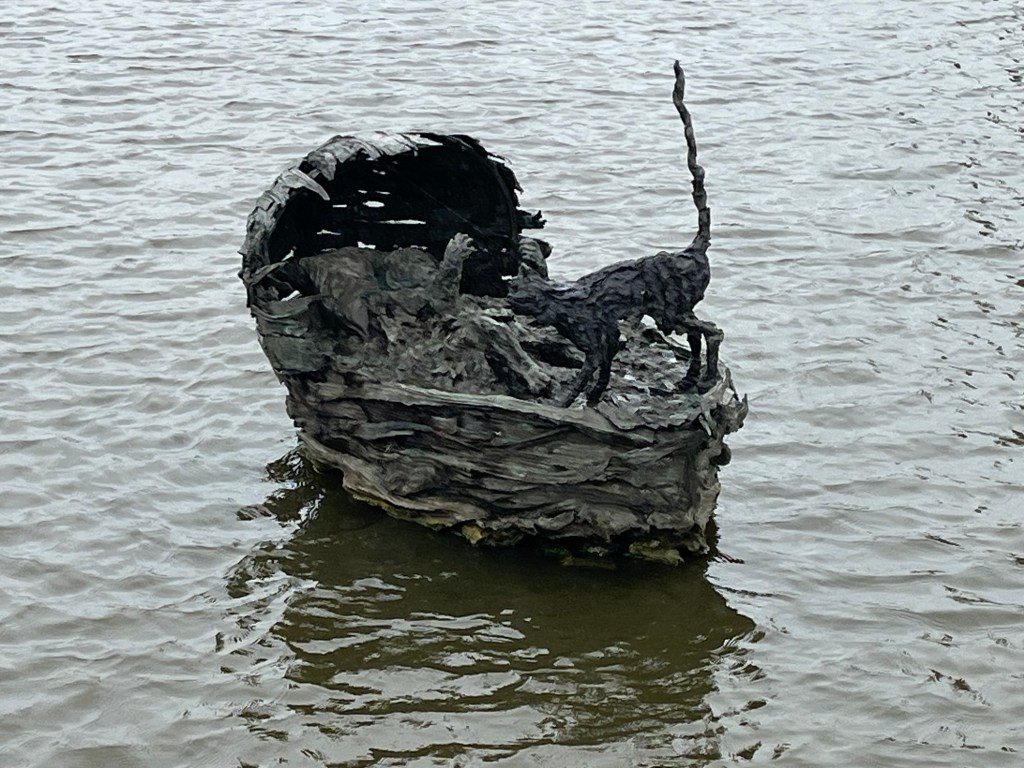
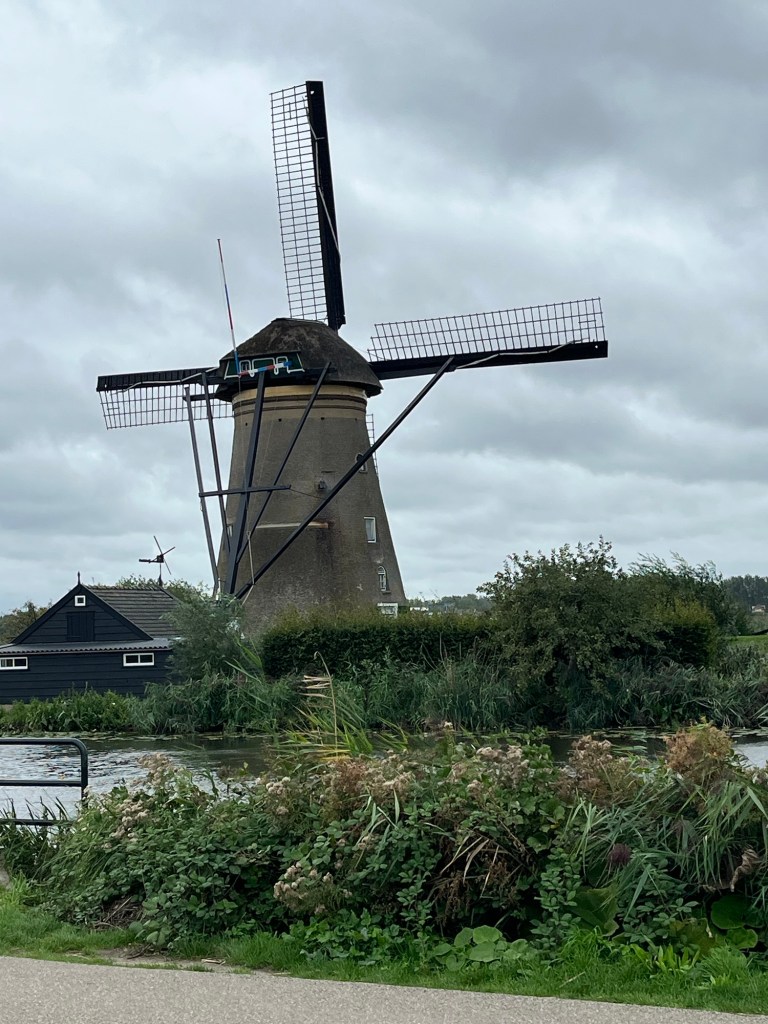
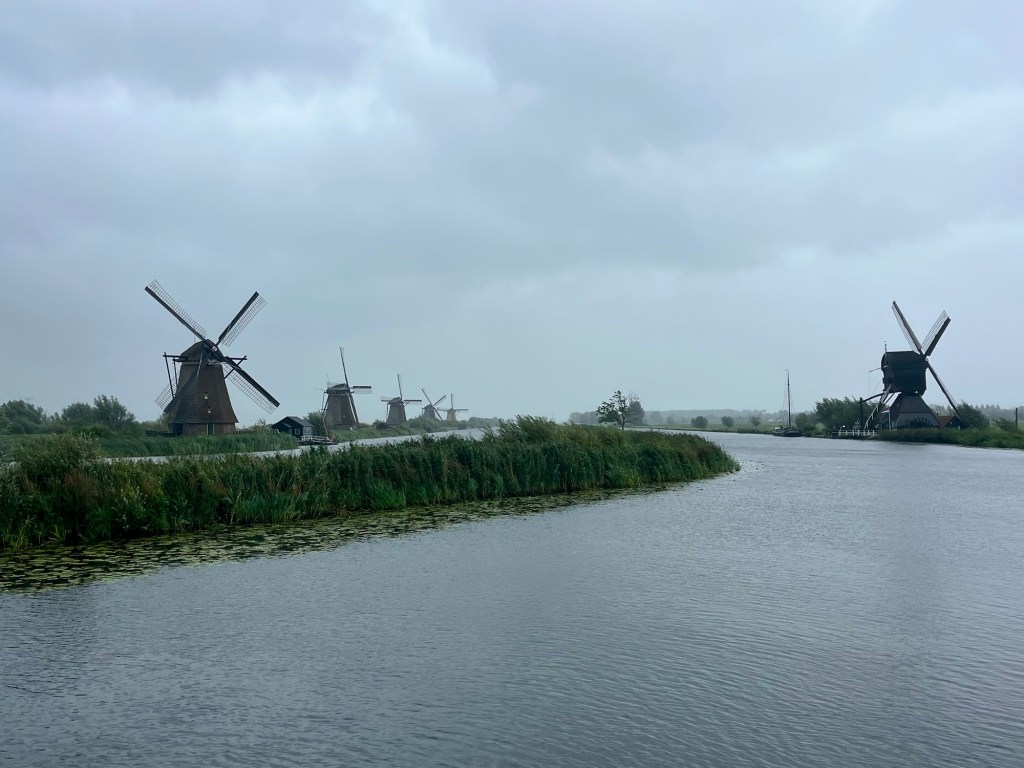
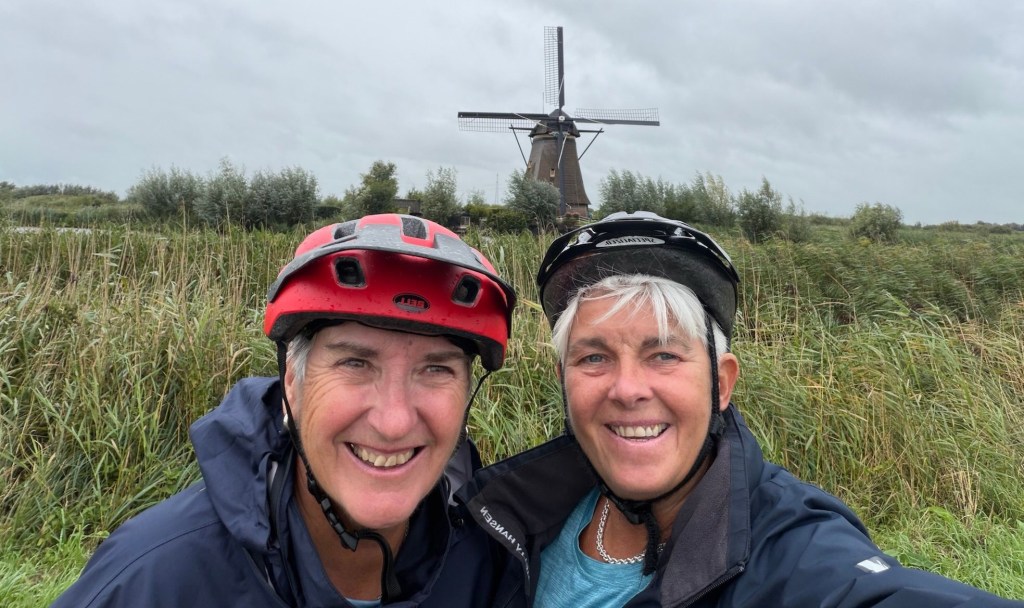
We drove about half an hour to the windmills of Kinderdijk. The car park was about a 30 minute walk from the windmills so we got the bikes out and cycled there in storm force winds. Still, it was easier than walking. The windmills are a series of 19 windmills which were used to keep the area from flooding. Before the great St Elizabeth Day’s Flood of 1170 there were only dykes to keep the river and rainwater at bay. When the flood broke those defences and hundreds lost their lives, they realised they needed a method of drawing the water out, as the land was well below sea level. The first windmill was built in the 17th century and the others around 1740. The name Kinderdijk comes from the legend of a baby girl in a wicker basket being saved from the floods with a cat balancing the basket through the torrential waters.
It rained most of the morning so we did all look like drowned rats at times but the windmills were fascinating. All bar three of them are still lived in by millers. To supplement their income, they harvested the reeds as well as the peat.
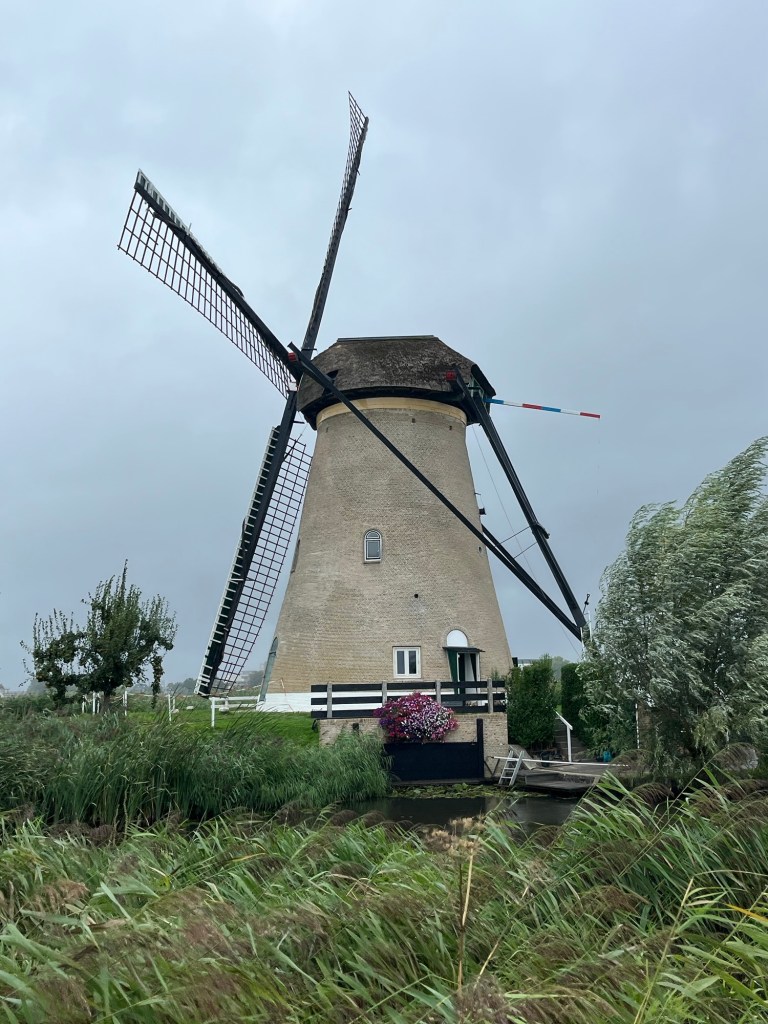
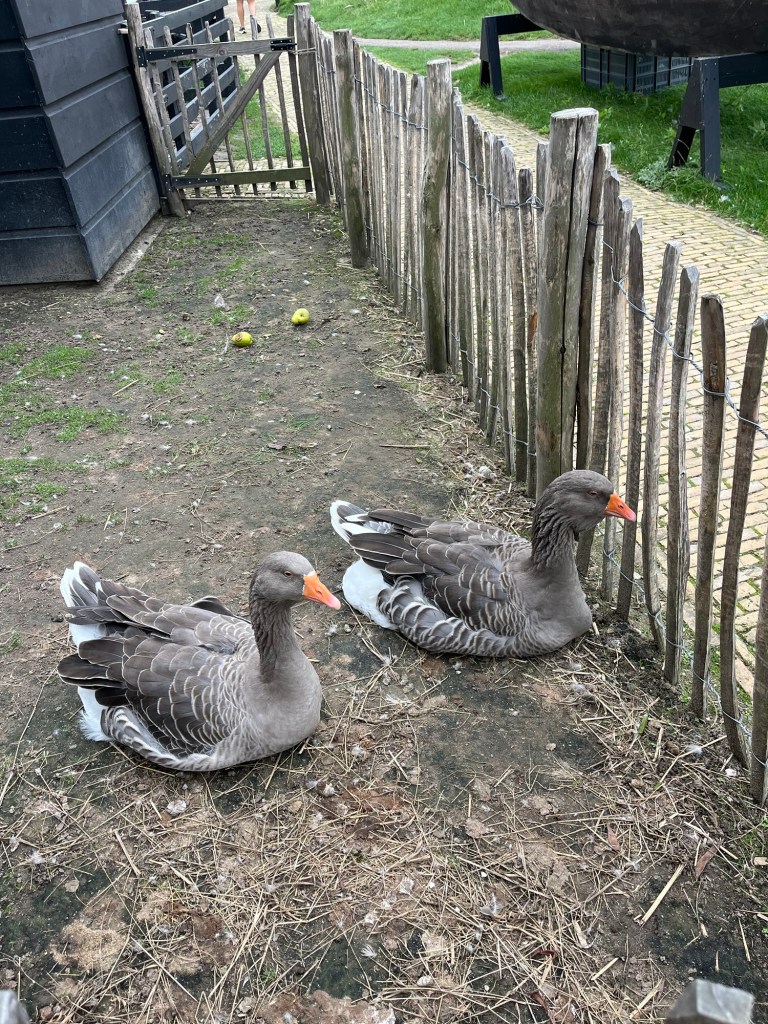
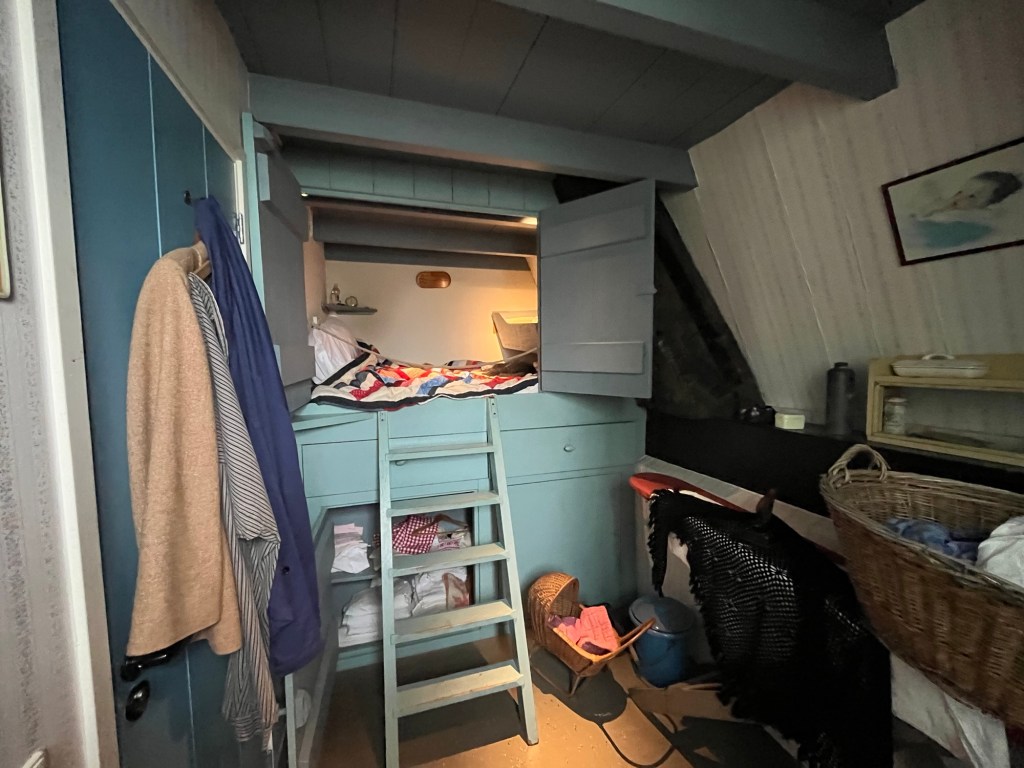
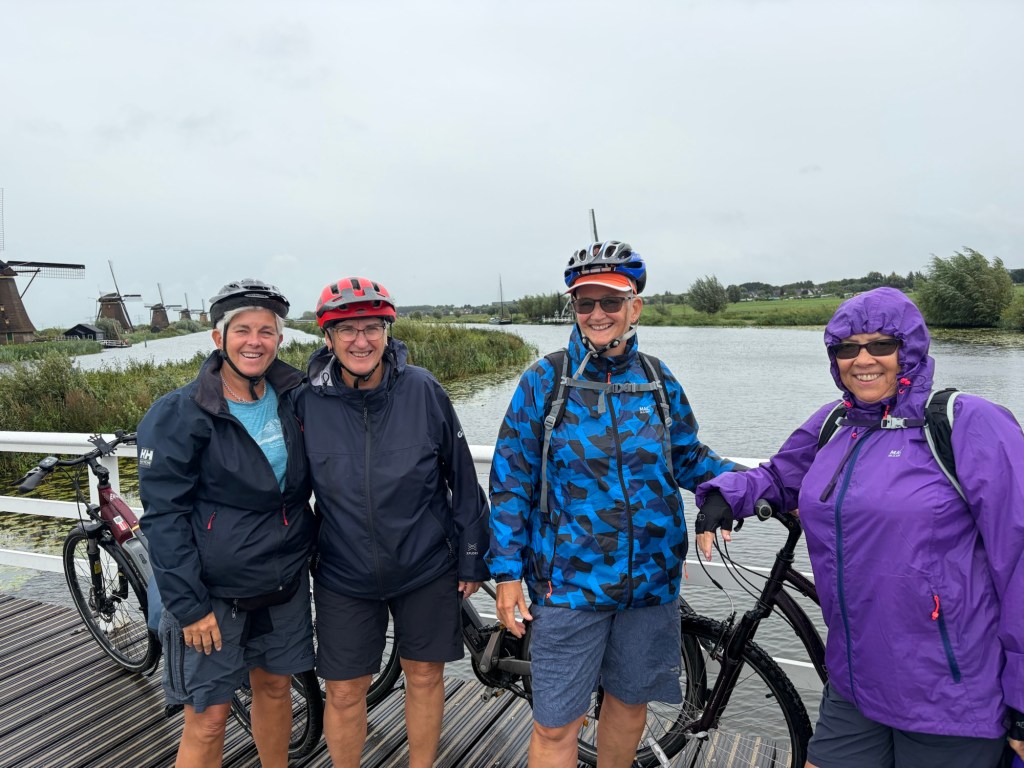
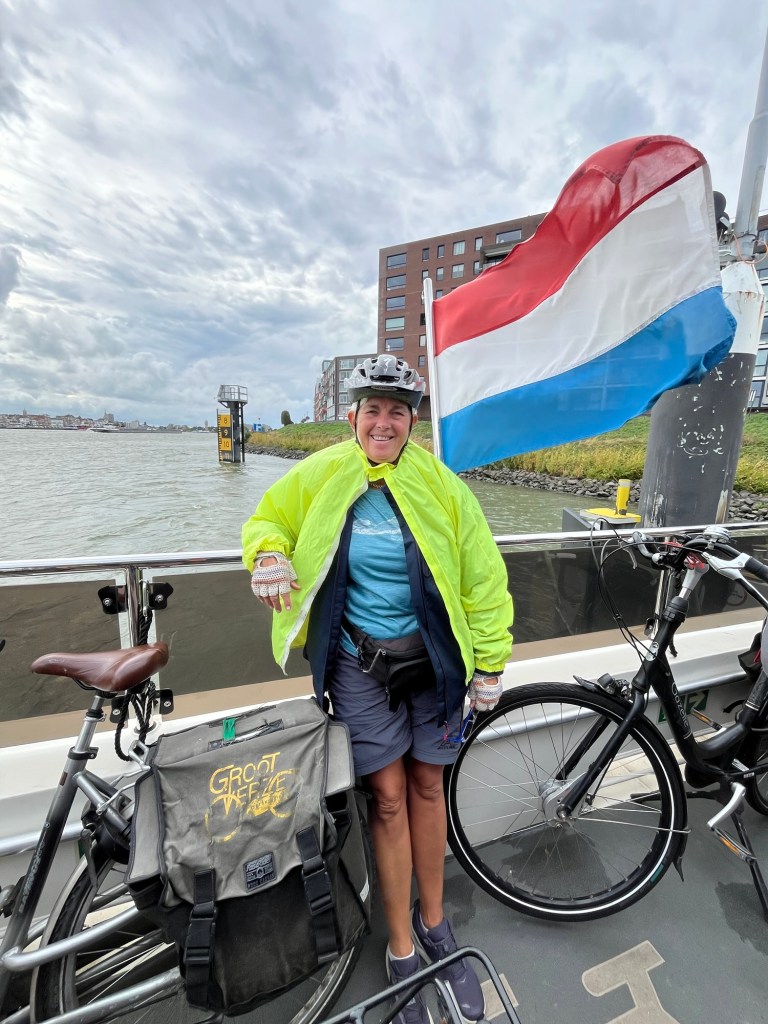
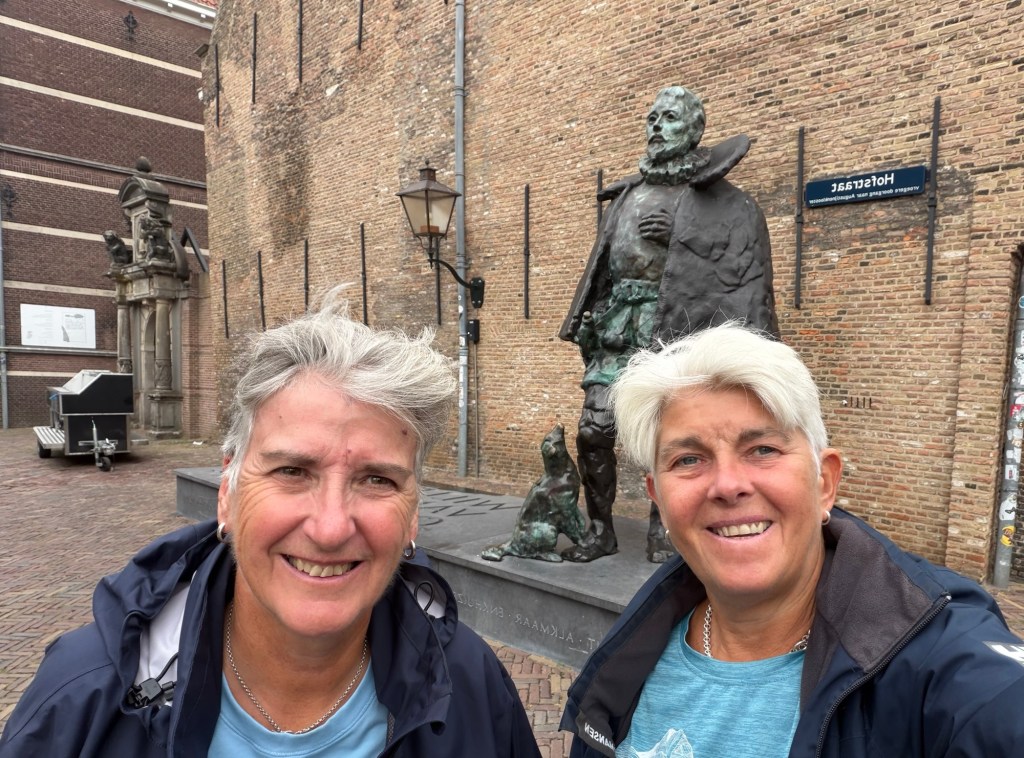
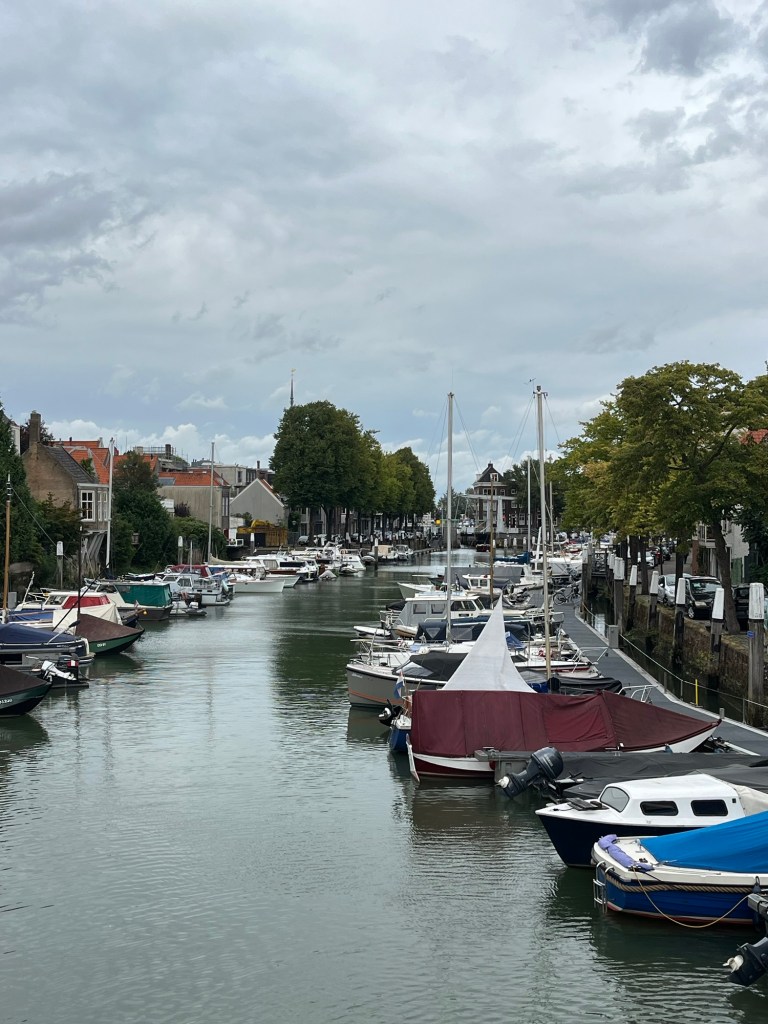
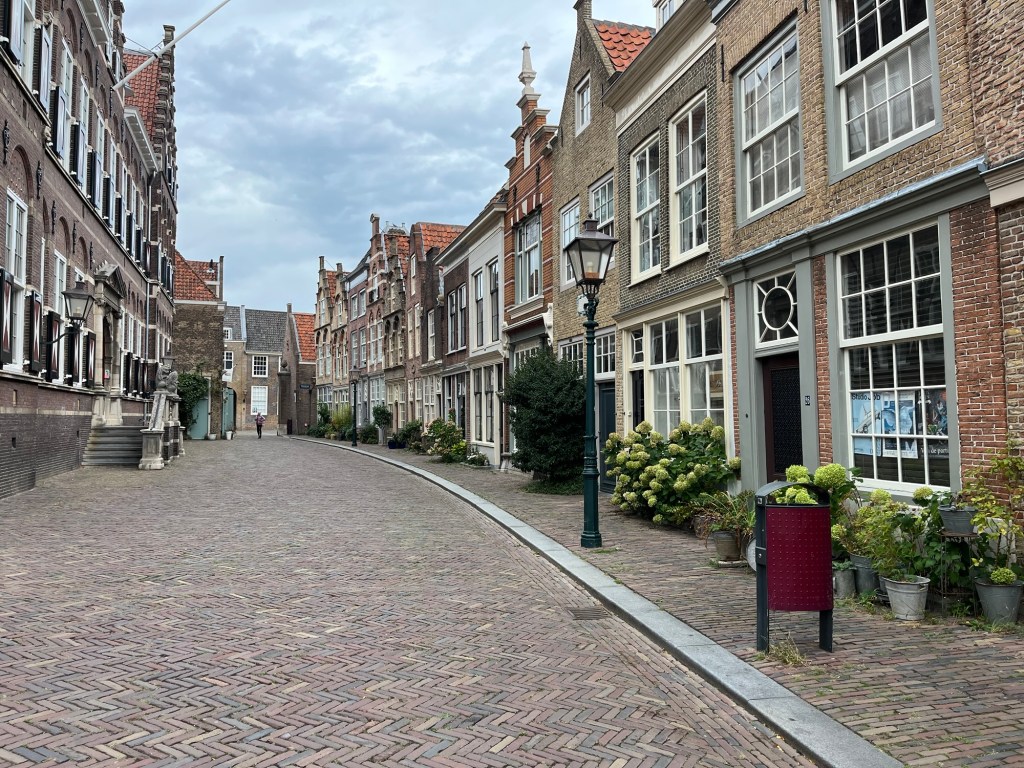
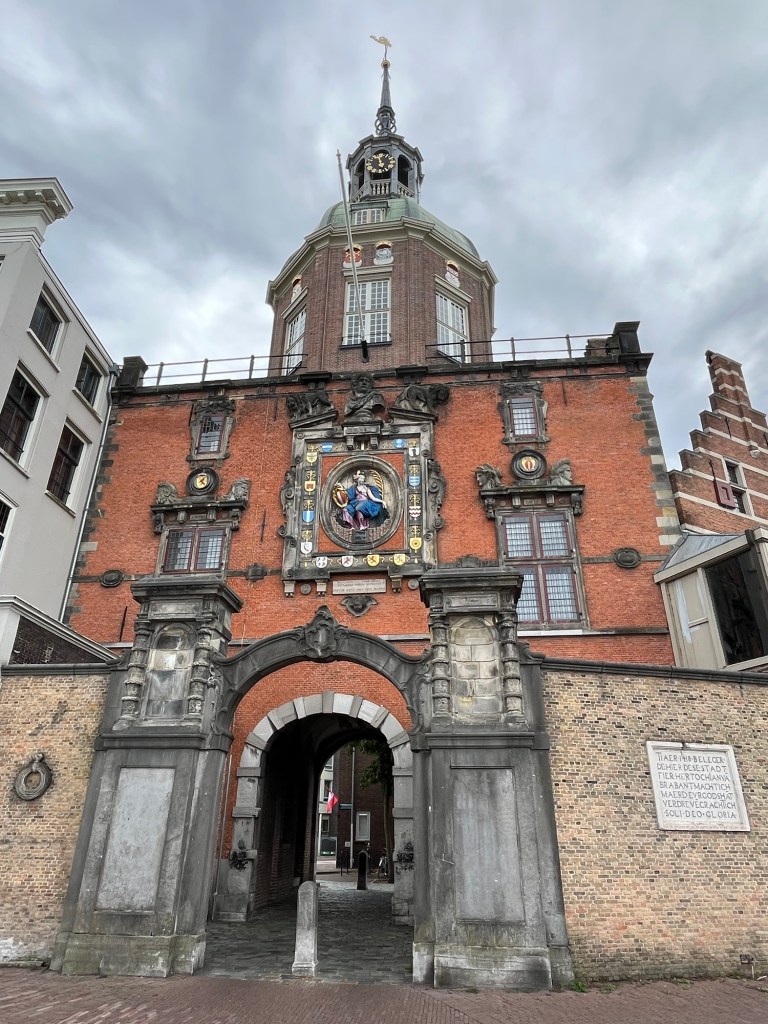
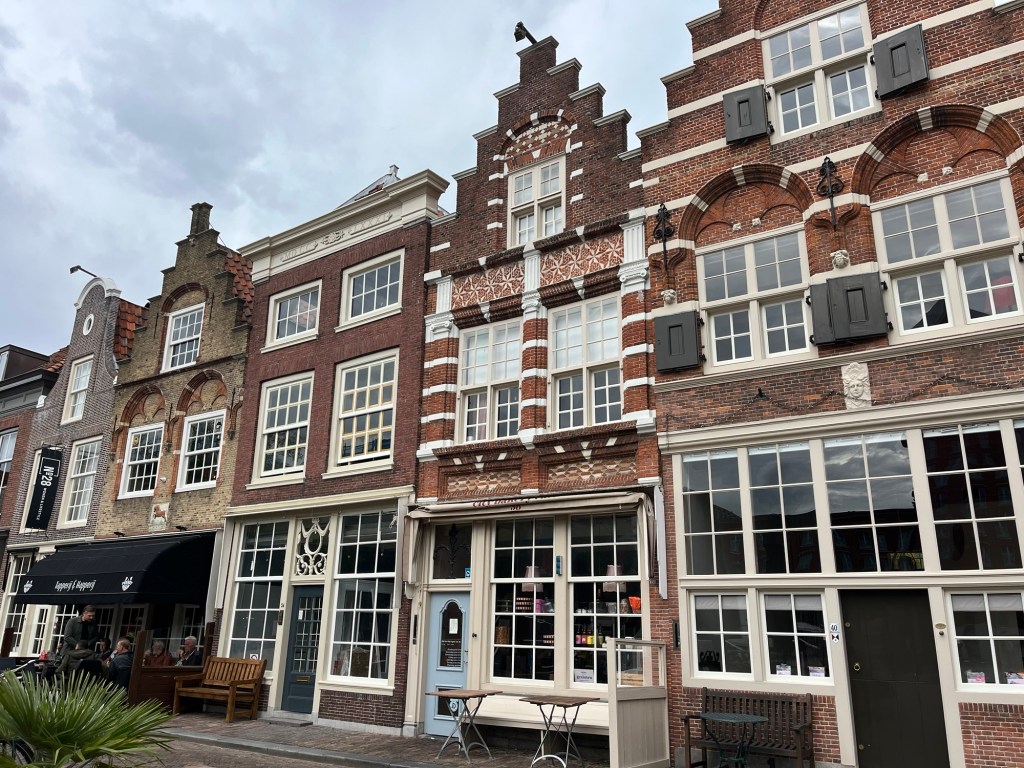
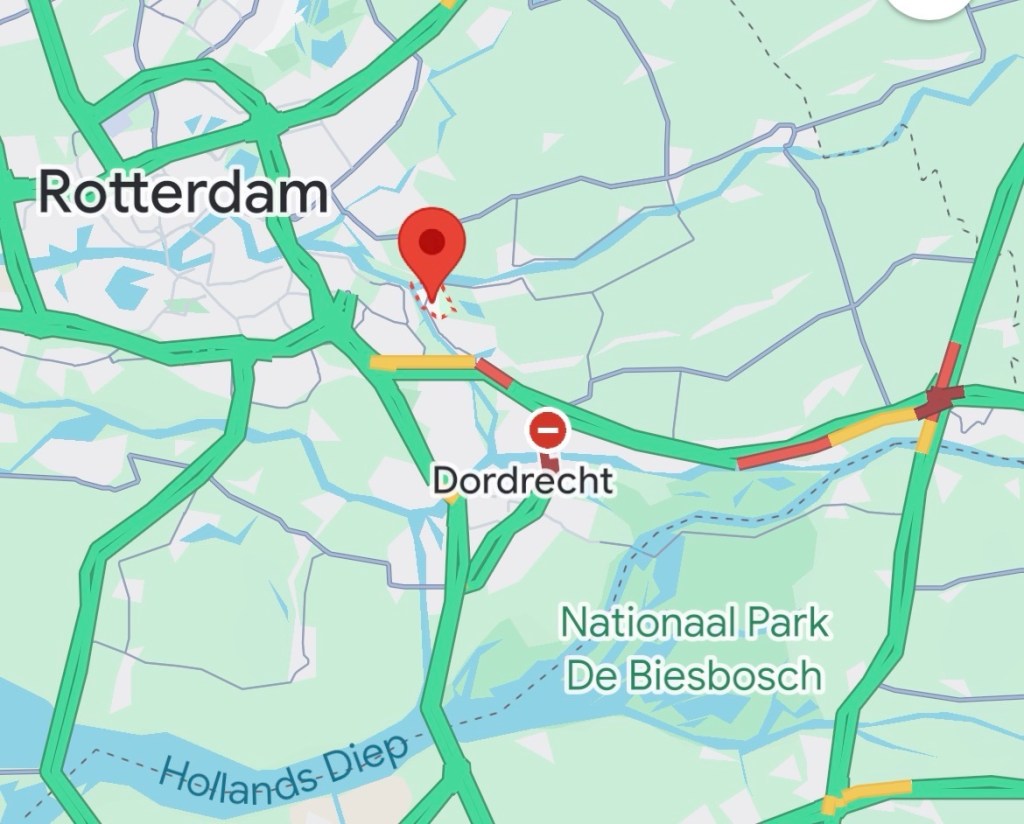
We left the windmills to make our way a few miles towards Dordrecht, the oldest town in the Netherlands. We had found a camperplaats, called Kinderdijk (P4N#385169) where, whilst basic, was perfect for exploring the area. Once sorted, we jumped on our bikes and cycled into Dordrecht about 6 miles away. Part of the journey was by ferry for the princely sum of €4 return and bikes go free! We had a lovely wander around the old part of the town before a quick beer and heading home to supper on board. The statue of William of Orange shows his devoted dog who, according to legend, wasted away after his master’s assassination and was buried with him.
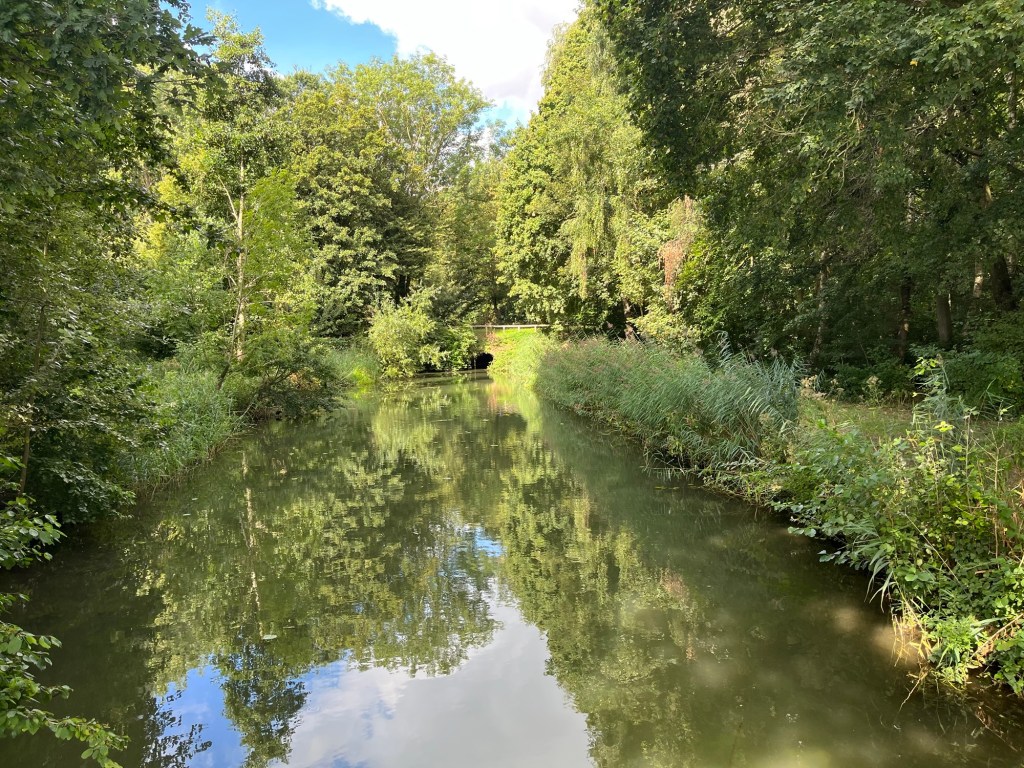
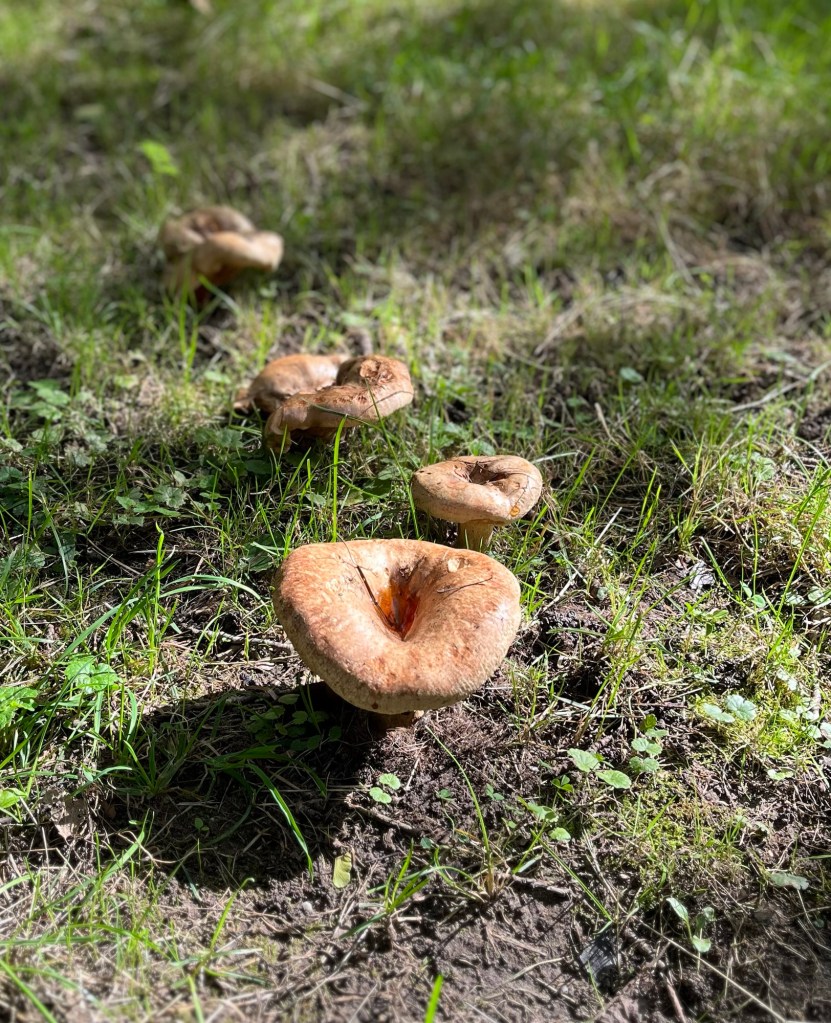
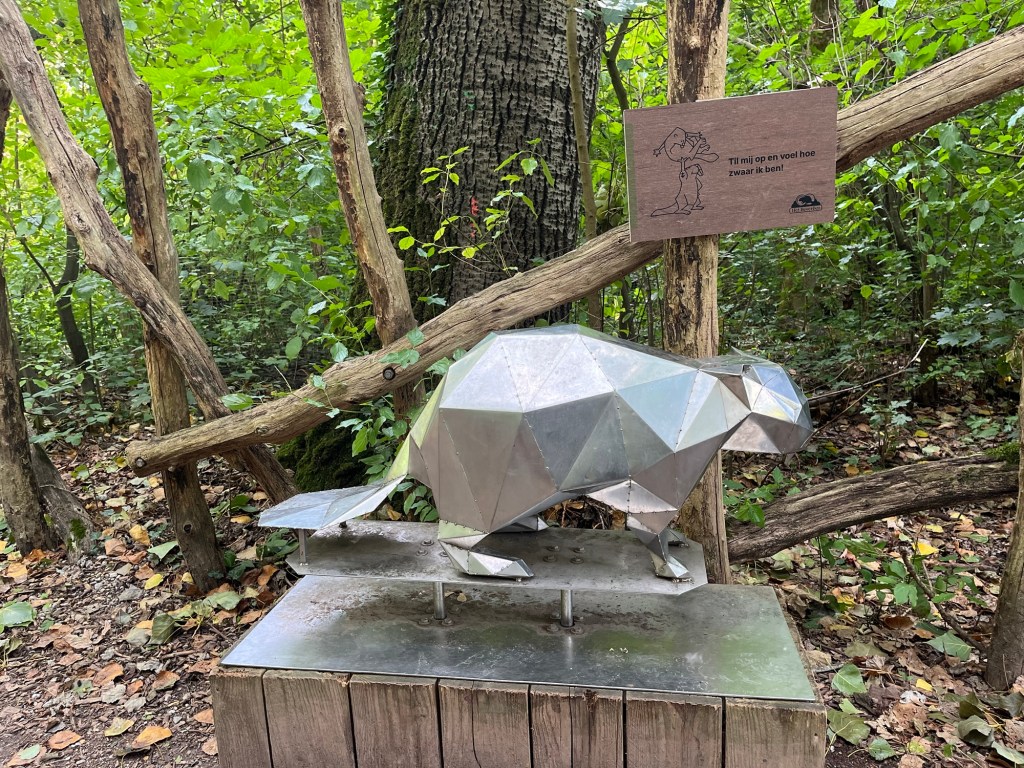
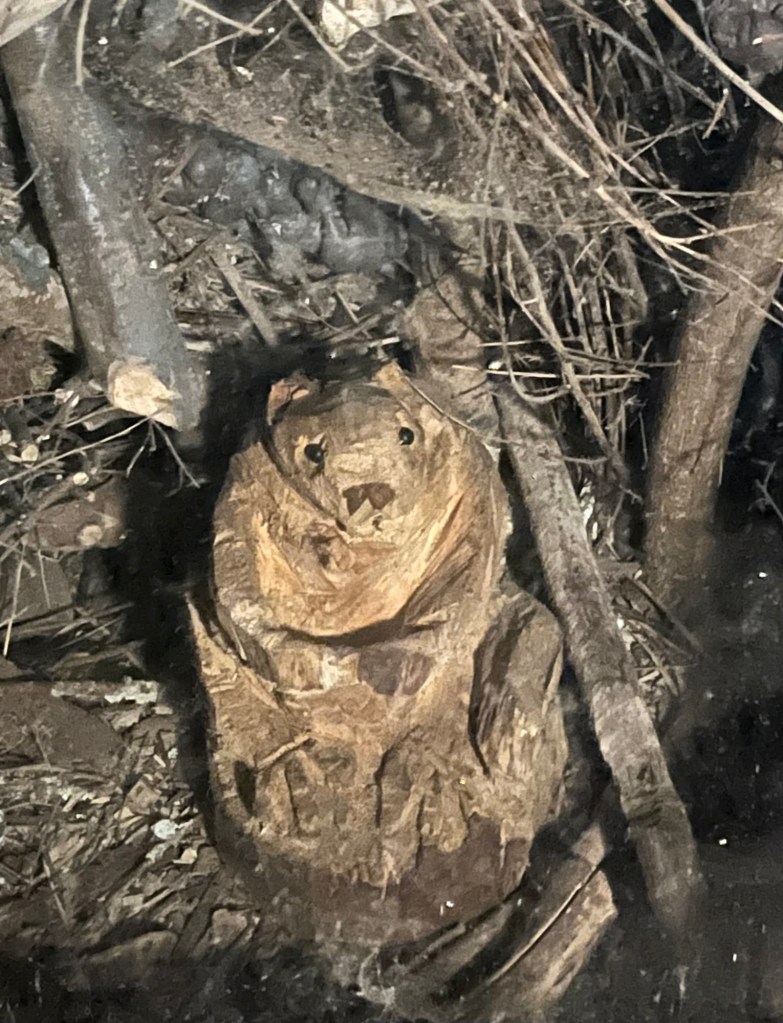
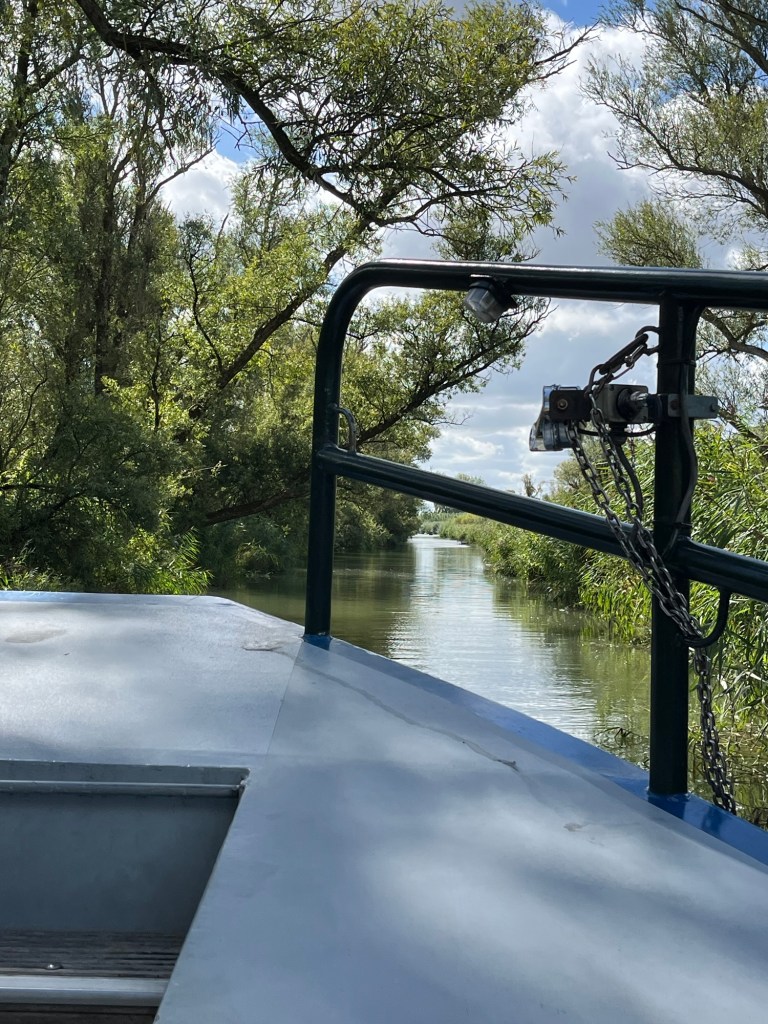
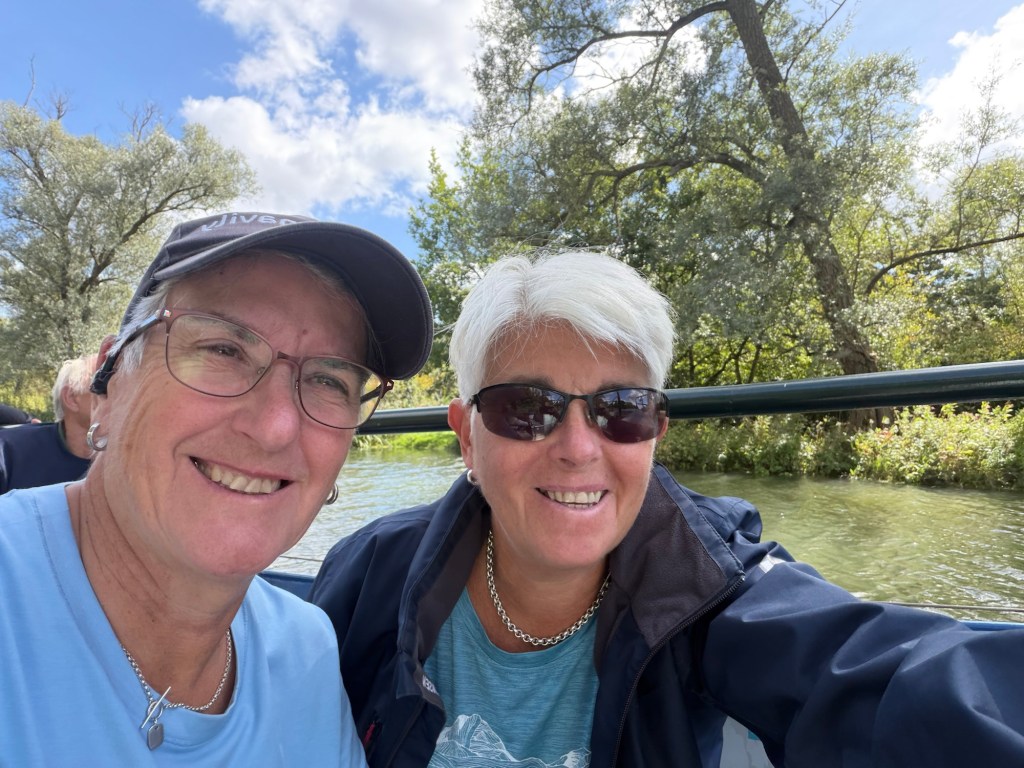
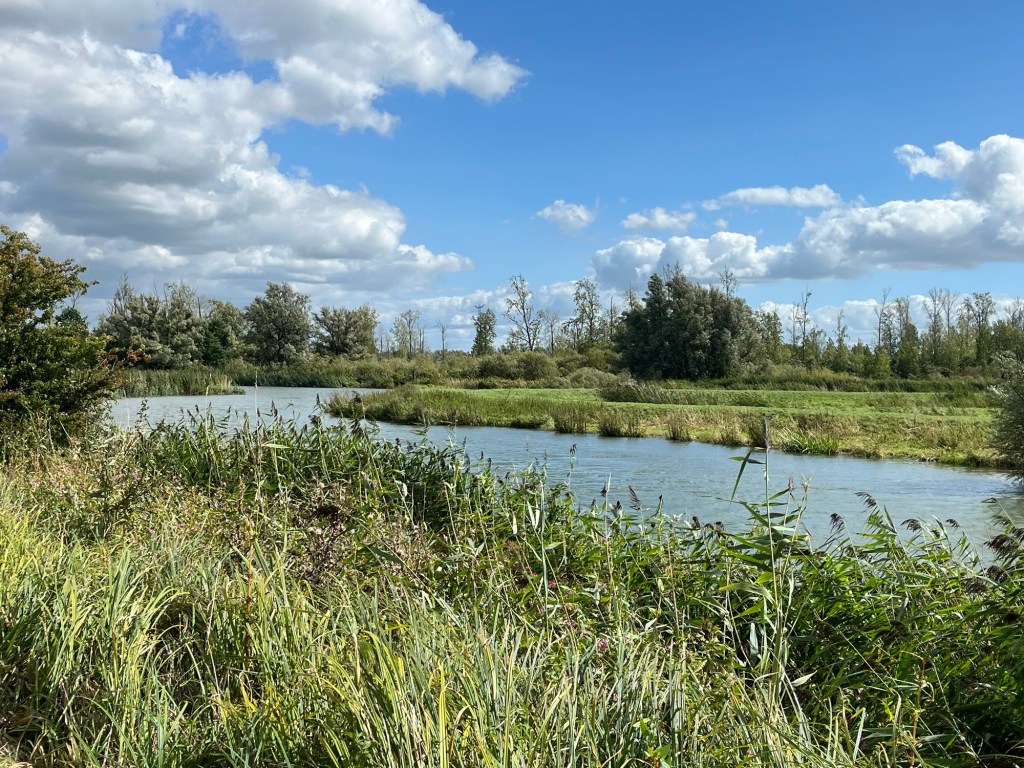
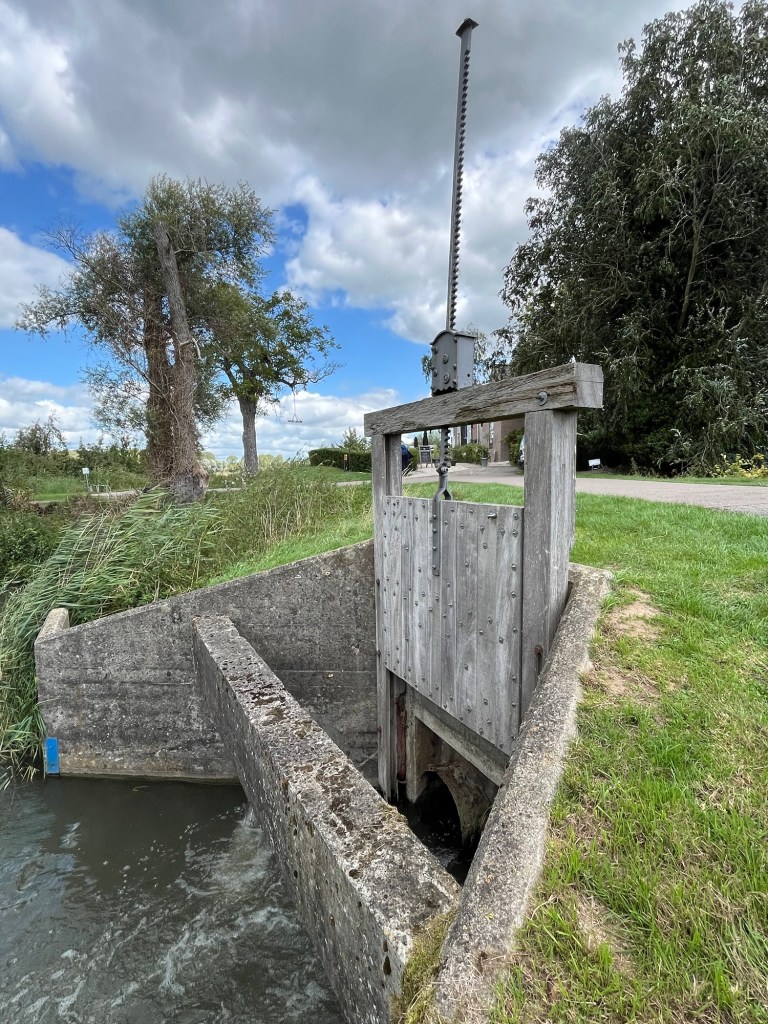
We had booked a river cruise for the Saturday lunchtime at the Biesbosch nature reserve. This is a series of creeks and rivers that make up the wetlands of Biesbosch. The name means forest of reeds as reeds and willow were harvested by hand from there in what must of been back breaking work. The river tour was all in Dutch but luckily Google live translation came to the rescue. Beavers became extinct in the area by the 1900s as they were trapped for their meat and fur. In the 1980s, German beavers from the Ruhr valley were reintroduced and there are now some 500. We didn’t see any on our tour but we did see two sea eagles soaring above us. It was lovely just walking along the paths enjoying the quiet and being with nature.
We departed Biesbosch around 14.45 to drive north to continue our adventures but that’s for the next blog!
Miles this trip: 170
Miles this blog: 54
Discover more from Dora The Explorer
Subscribe to get the latest posts sent to your email.


I know I should be impressed with the windmills etc, but that toilet cassette cleaner sounds amazing!! 😂
LikeLiked by 1 person