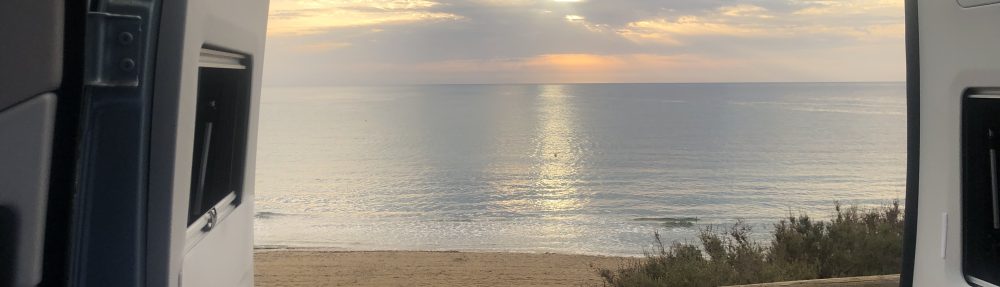
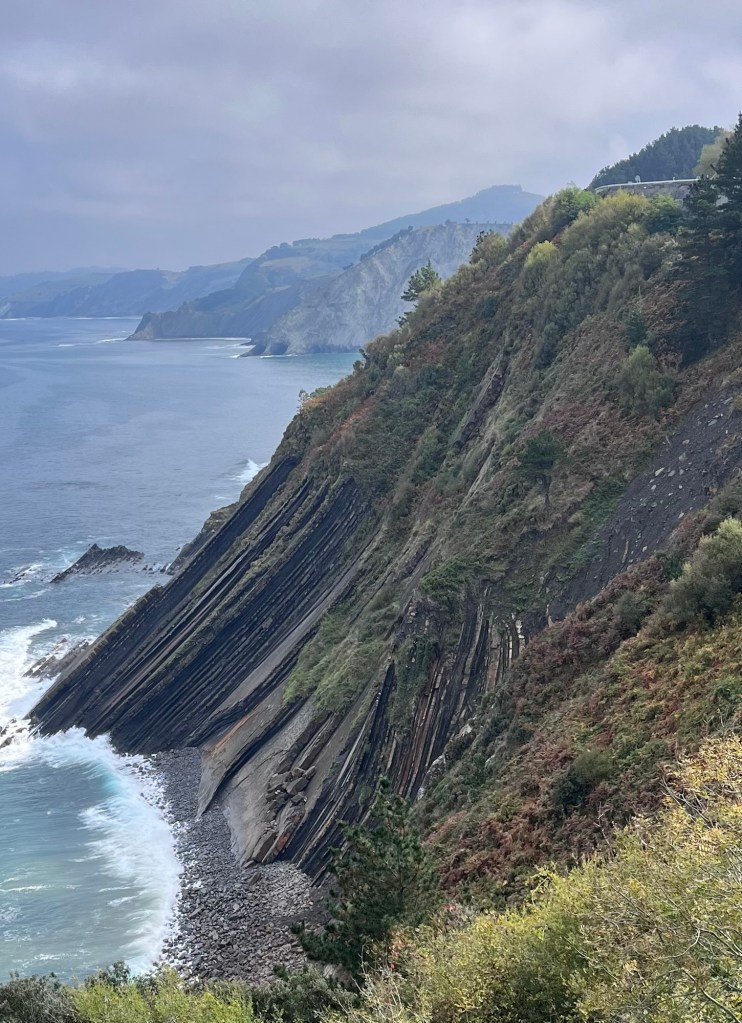
We left our lovely campsite by the sea on Monday, October 5 to make our way into Spain for the final leg of our trip. First stop was Lekeitio via the Flysch Rocks at Zumaia. These rocks look more amazing at low water but sadly, it would be dark!
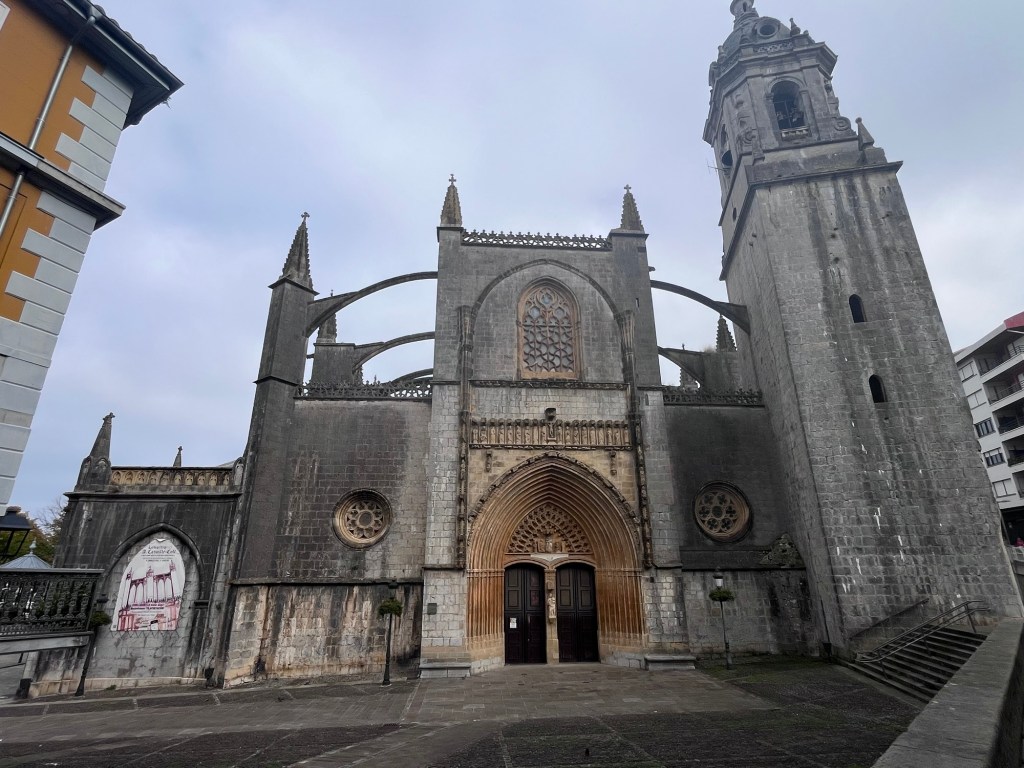
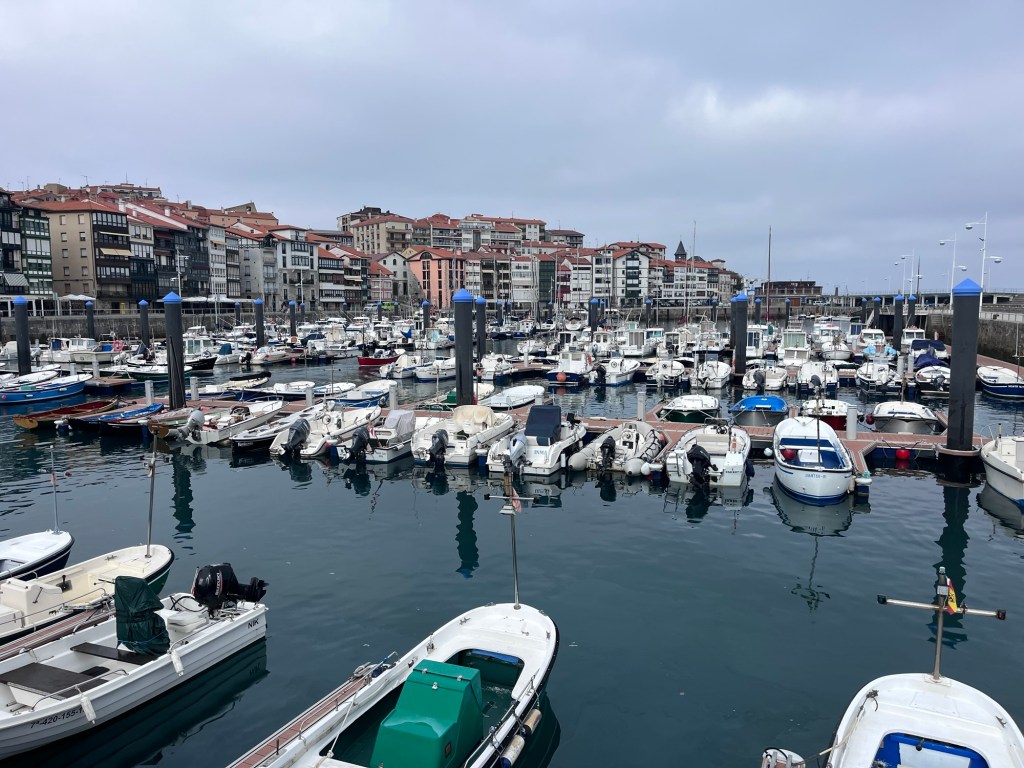
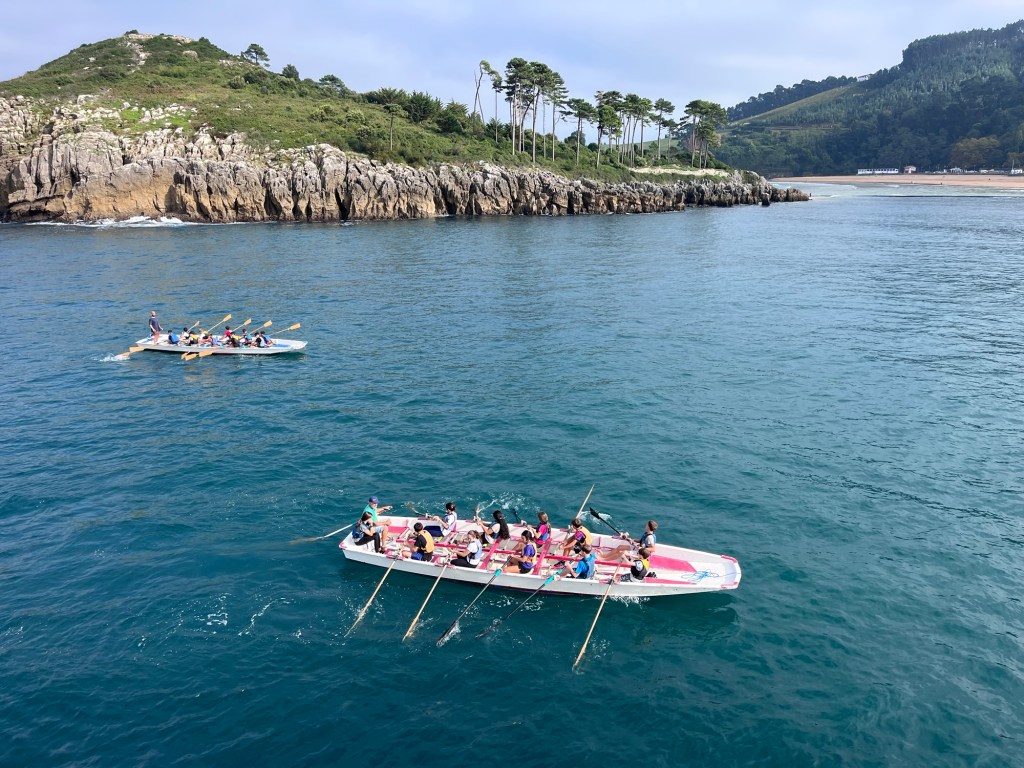
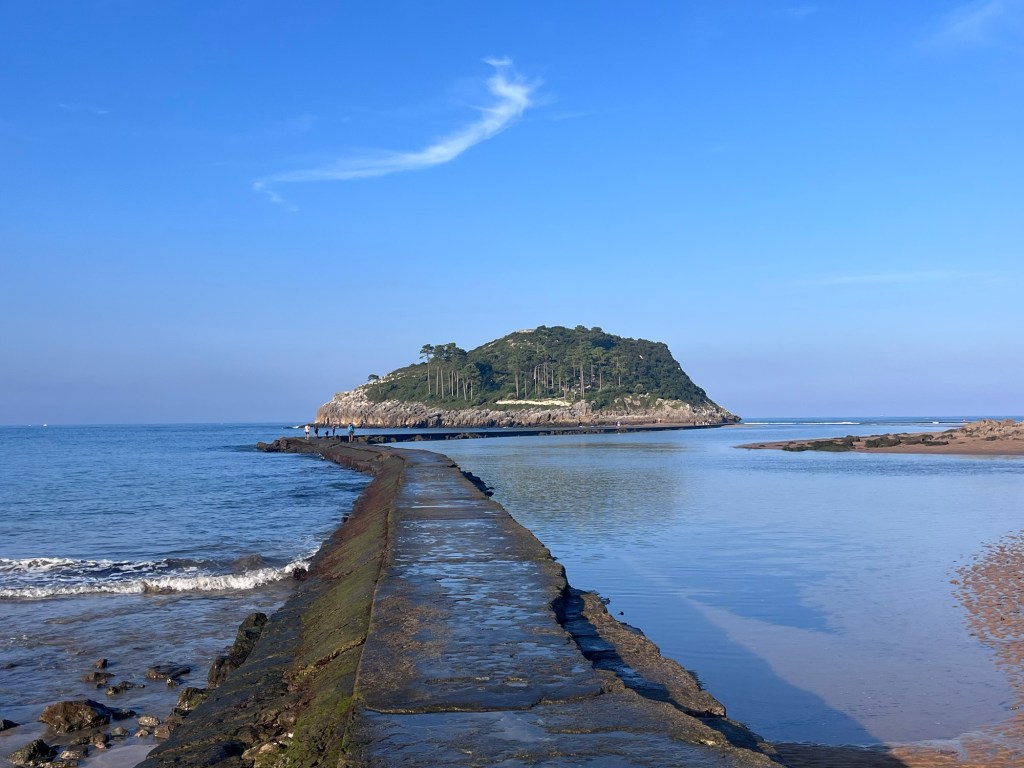
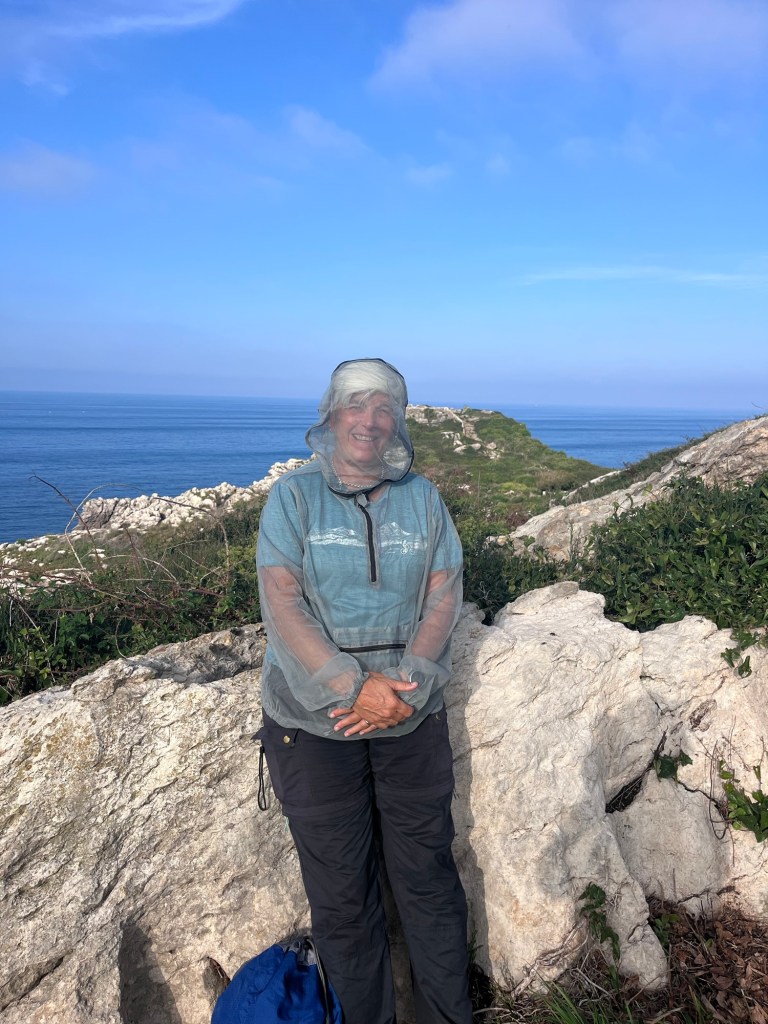
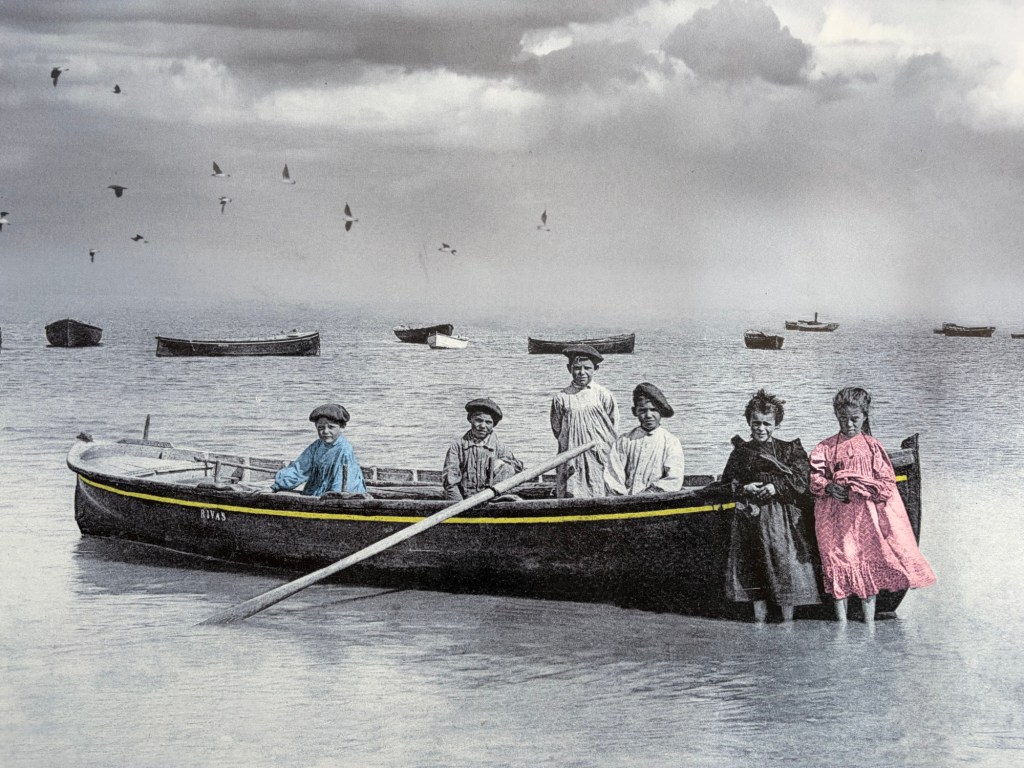
Onto a very convenient and free site in Lekeitio (P4N#12848) which was just outside of the town. The car park has designated motorhome spots as well as discharge points but no electricity. However, with Dora’s solar panels, we really don’t need it that often. The town itself grew on us. It’s been described as a little San Sebastián but I think that’s pushing it a bit. The harbour area is busy with restaurants and bars and it has an island that is accessed via a causeway at low water. When we walked over it, a rogue wave decided to hit the causeway so we ended us with very wet feet. We climbed up the island to get a lovely view of the town. We also saw young school kids out rowing. Sea rowing is a very big thing all around the Basque area so it was fun to see the youngsters learning a new skill. Liz was convinced that she would be bit to pieces by mossies so she donned an over jacket that whilst it wasn’t exactly sartorial elegance, it worked!
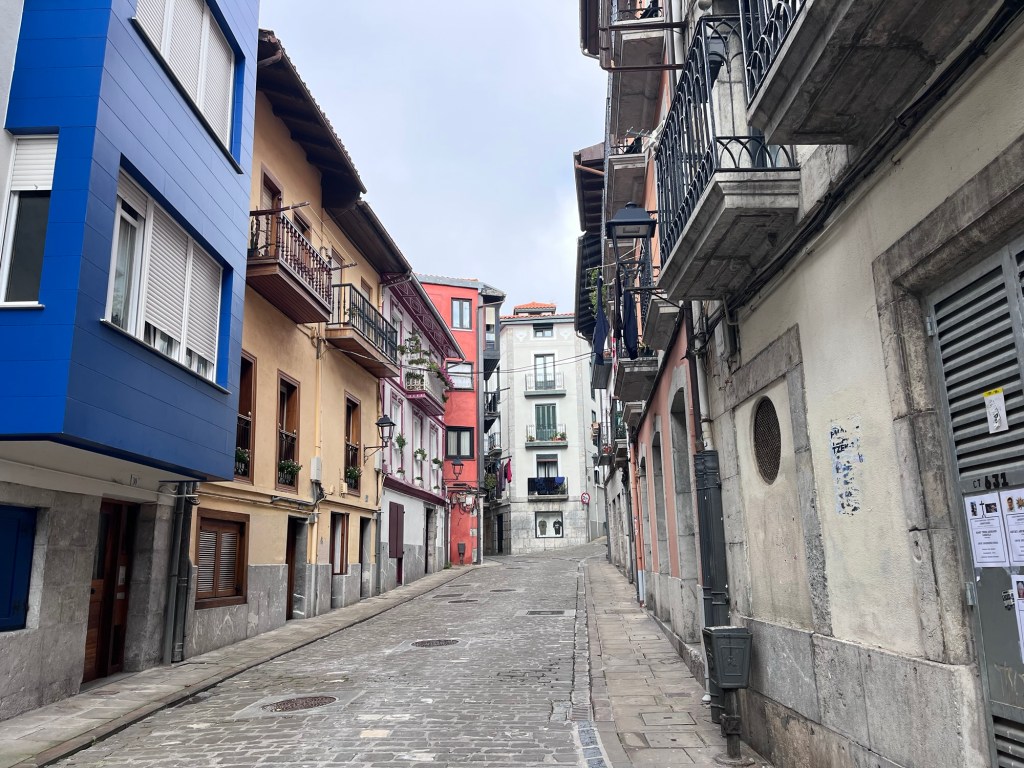
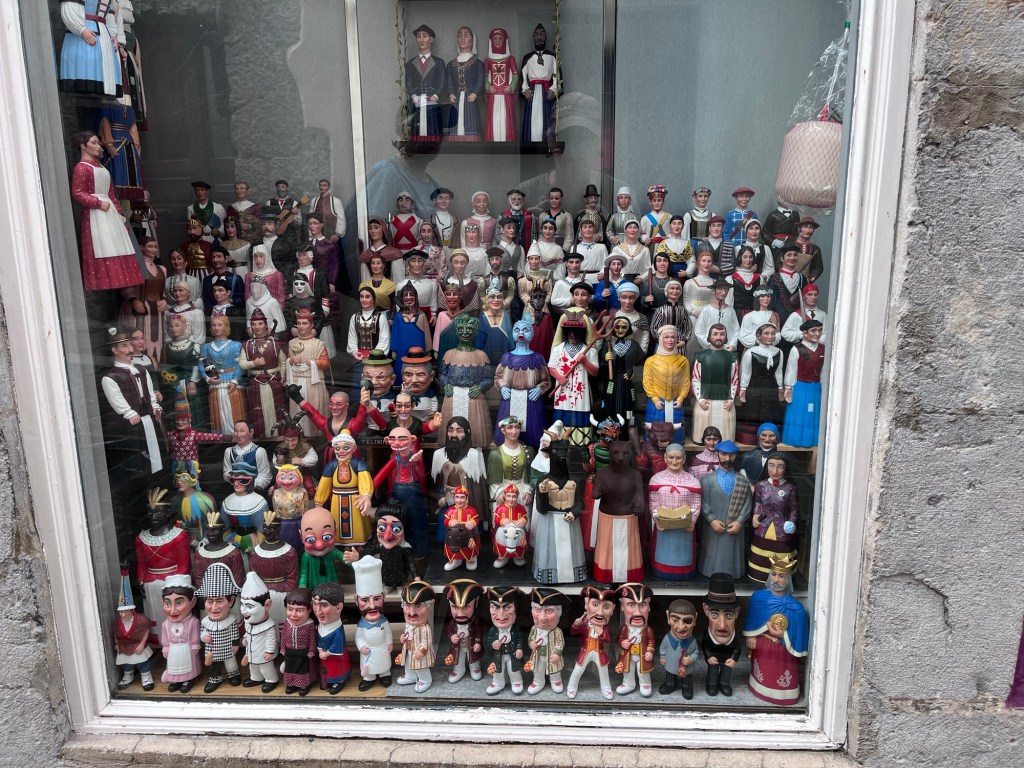
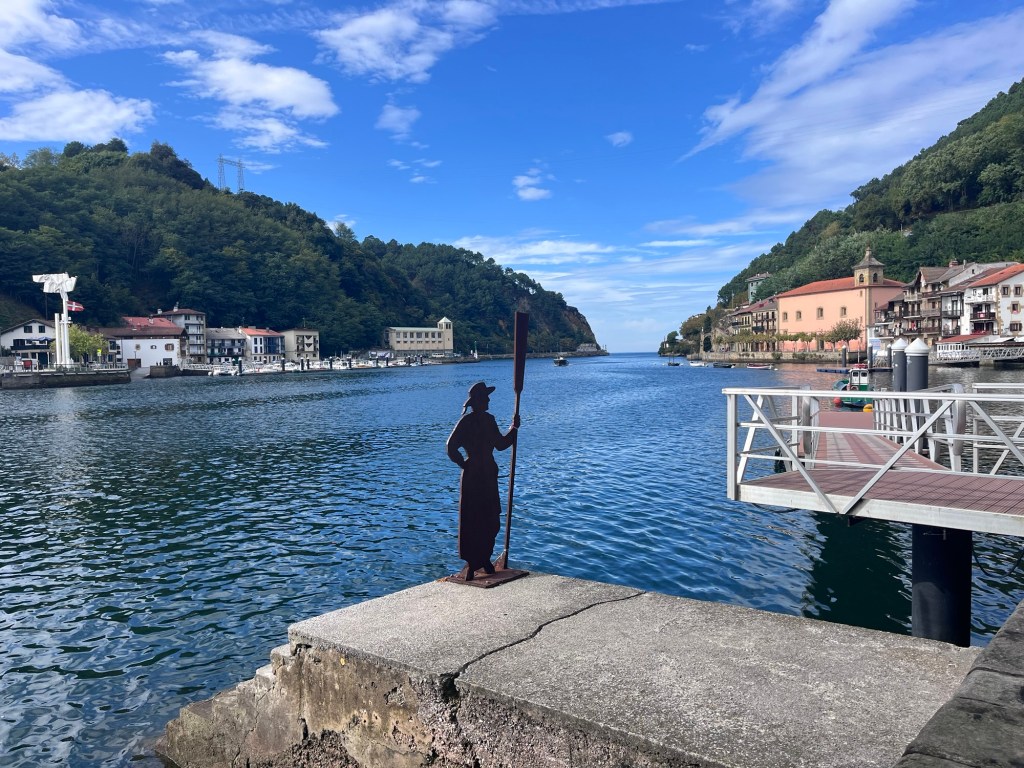
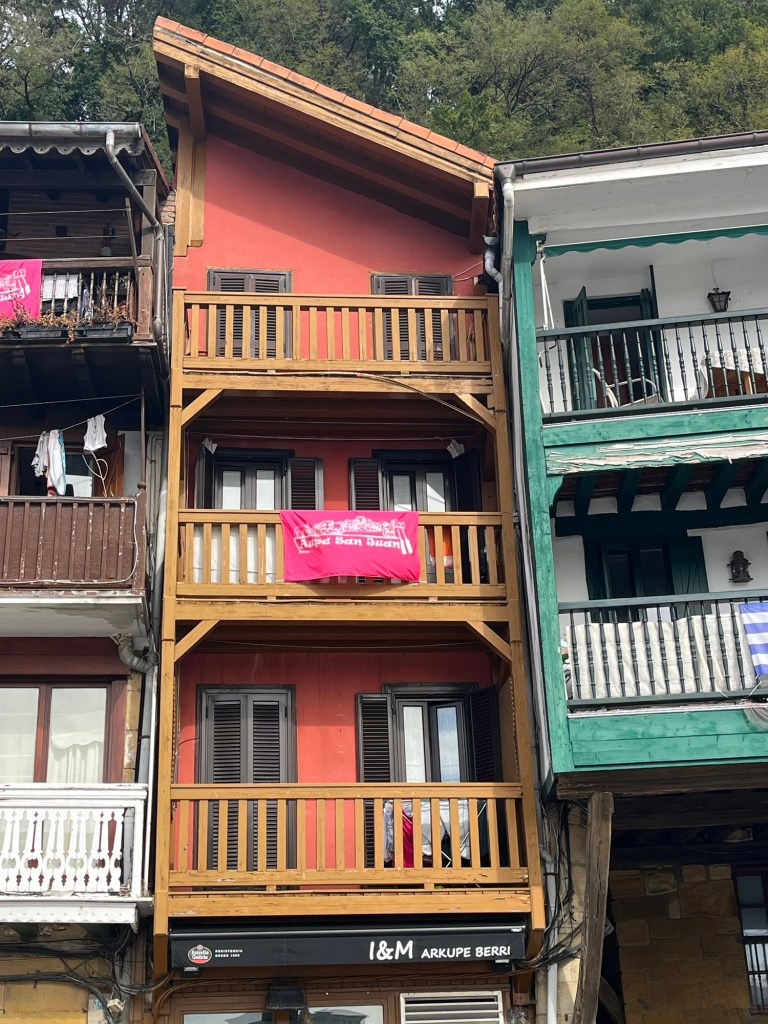
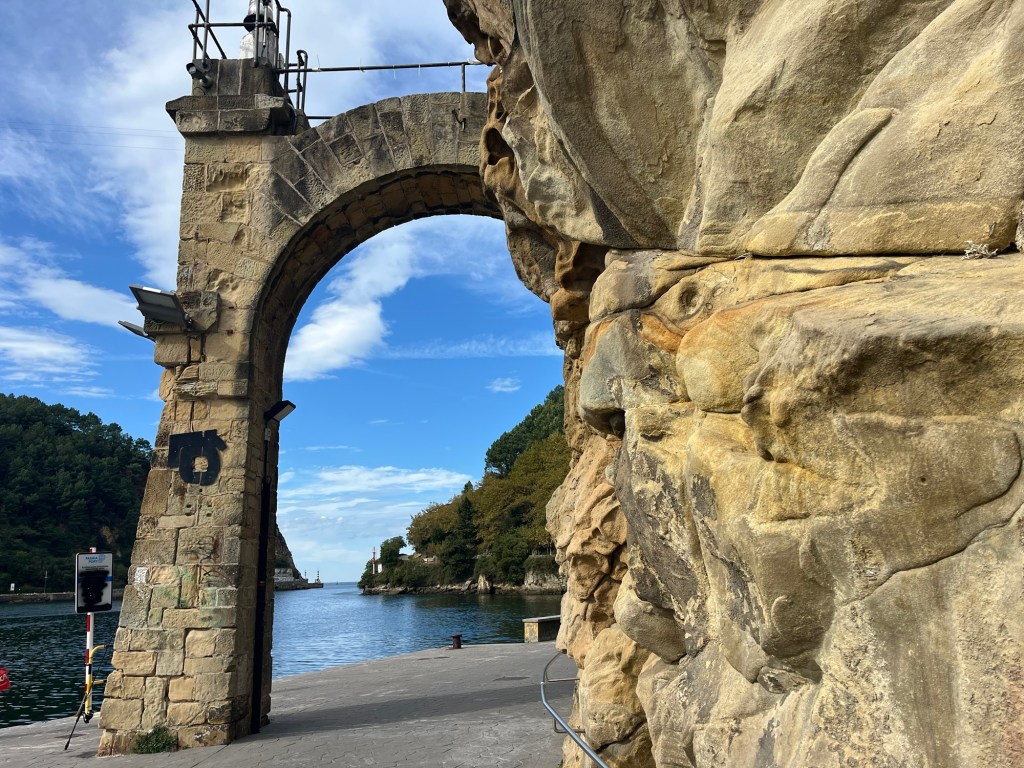
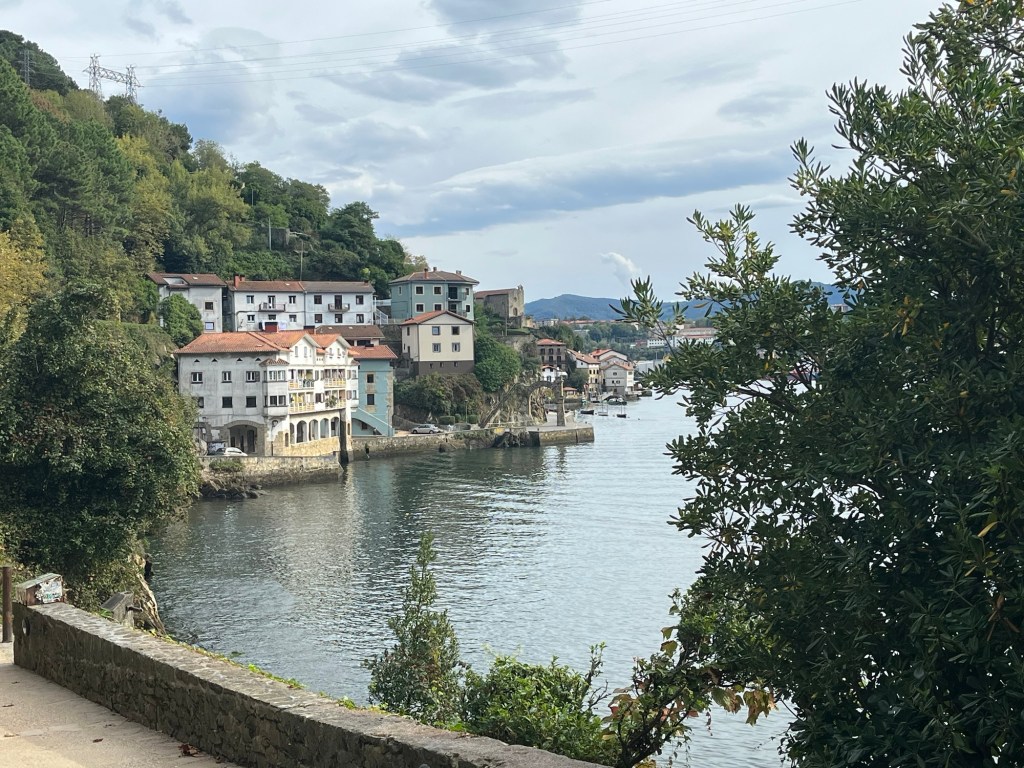
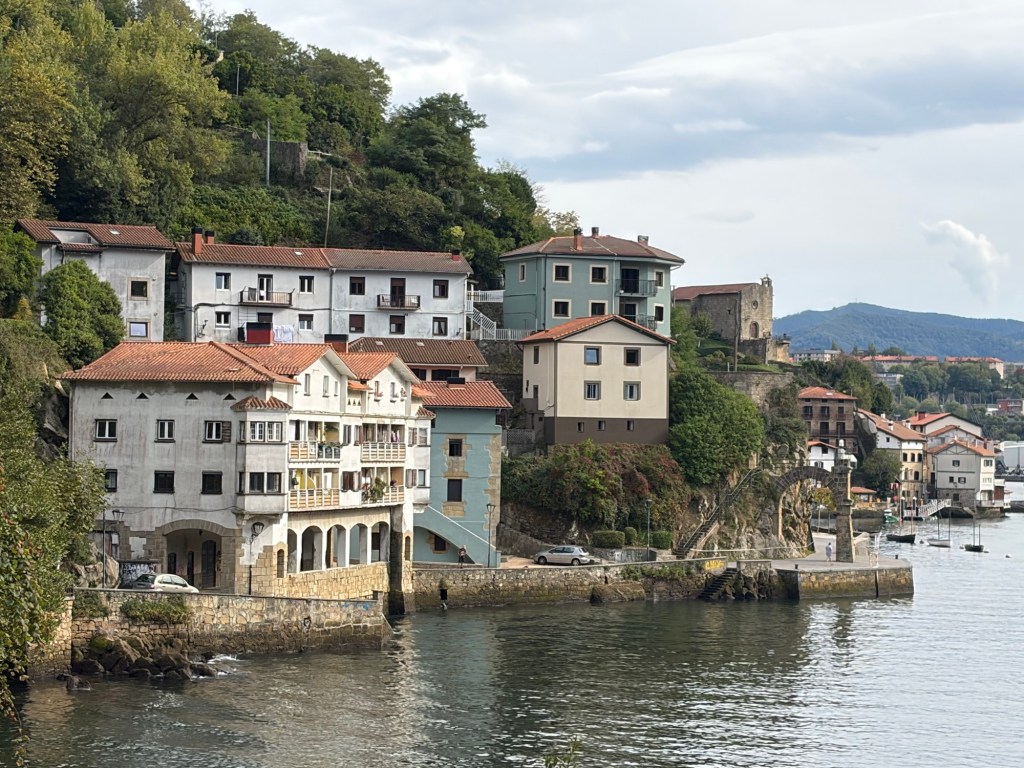
The next day, Tuesday, we left around midday to head back towards San Sebastián as we had a dinner reservation at a Cider Farm restaurant just outside. However, we first of all stopped off at Pasaia Donibane as we had heard it was cute. We weren’t convinced as it seemed to be a major shipping port but as we walked away from the harbour along the estuary, a delightful old town emerged.
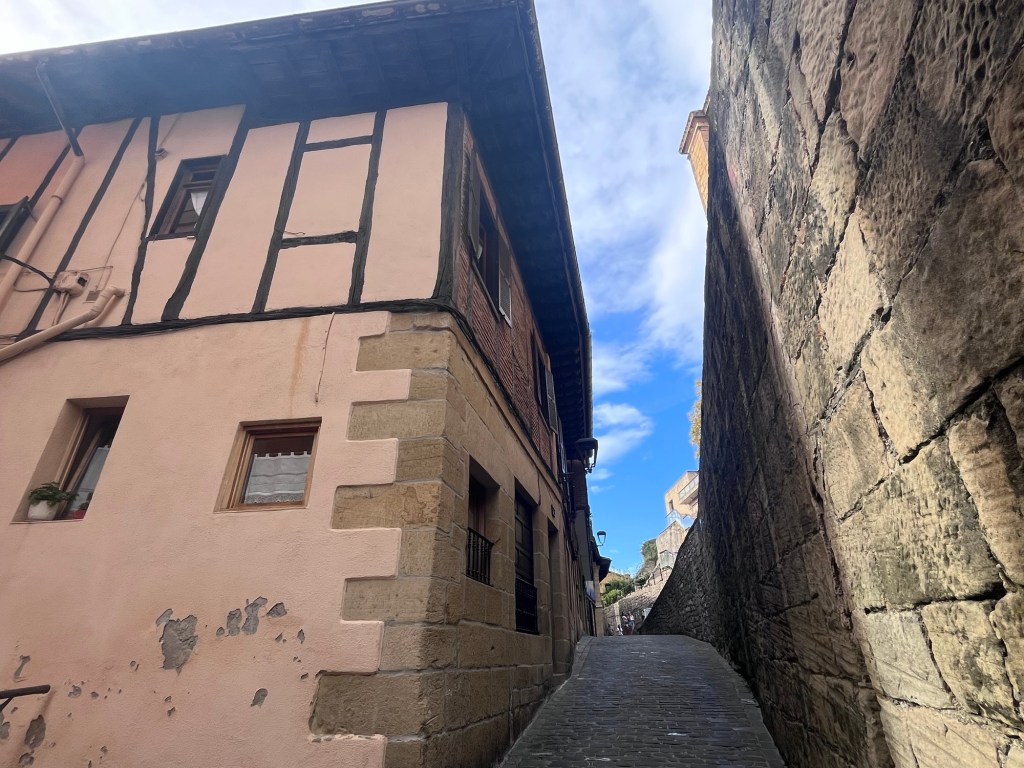
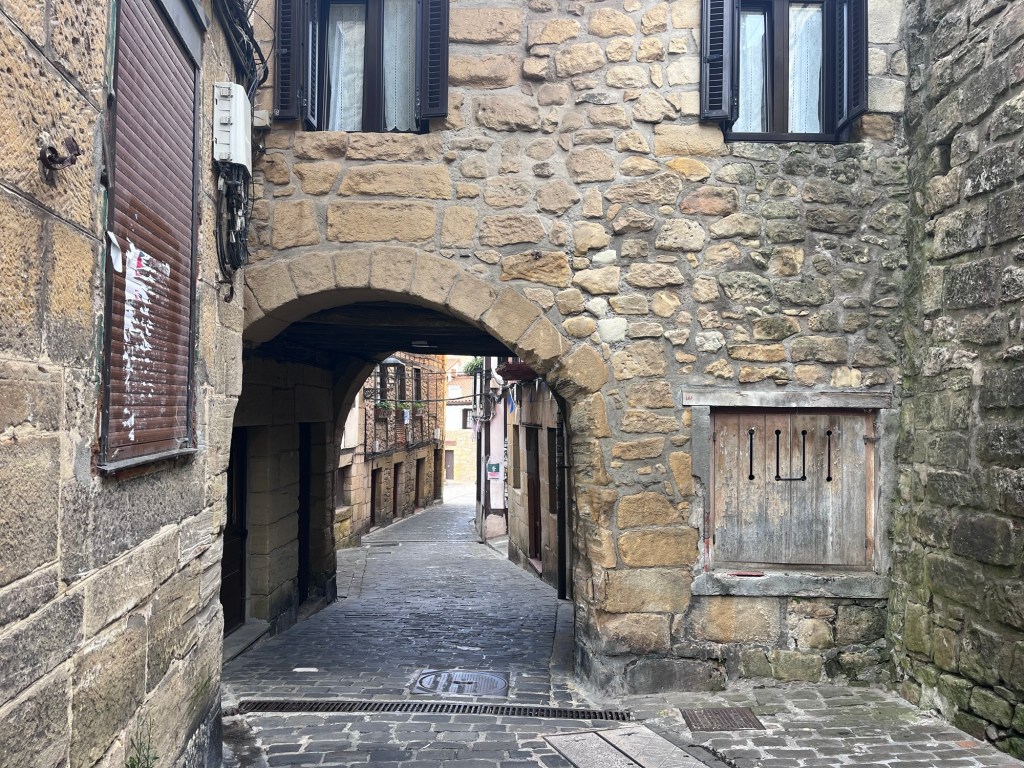
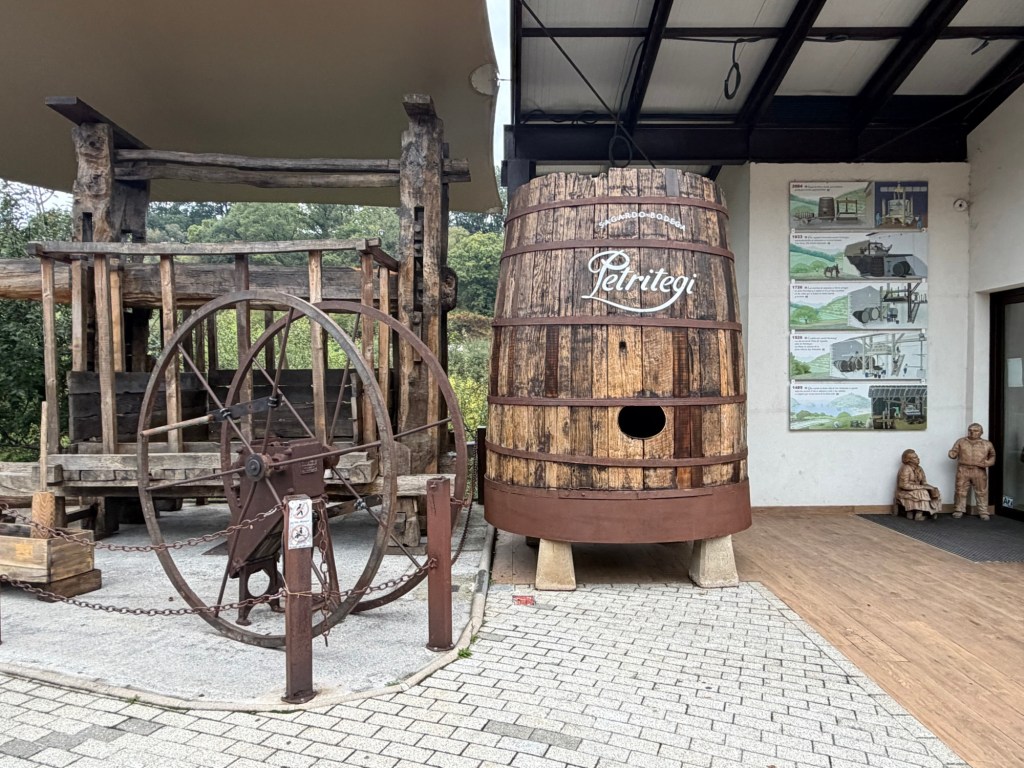
The restaurant we had booked, Petritegi, has been a Sagardotegia for 500 years. Cider making is a part of the Basque culture around San Sebastián and there are many cider houses to choose from. The cider is very sharp and cloudy. You are supposed to drink it direct from the barrel and aerate it for the best experience.
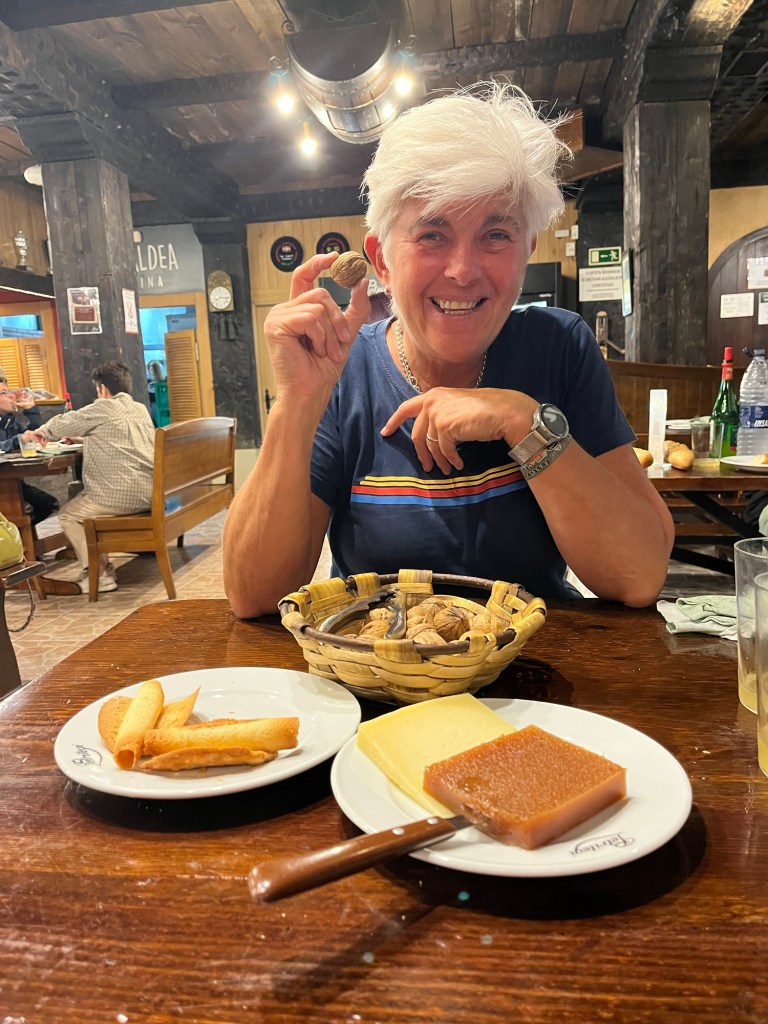
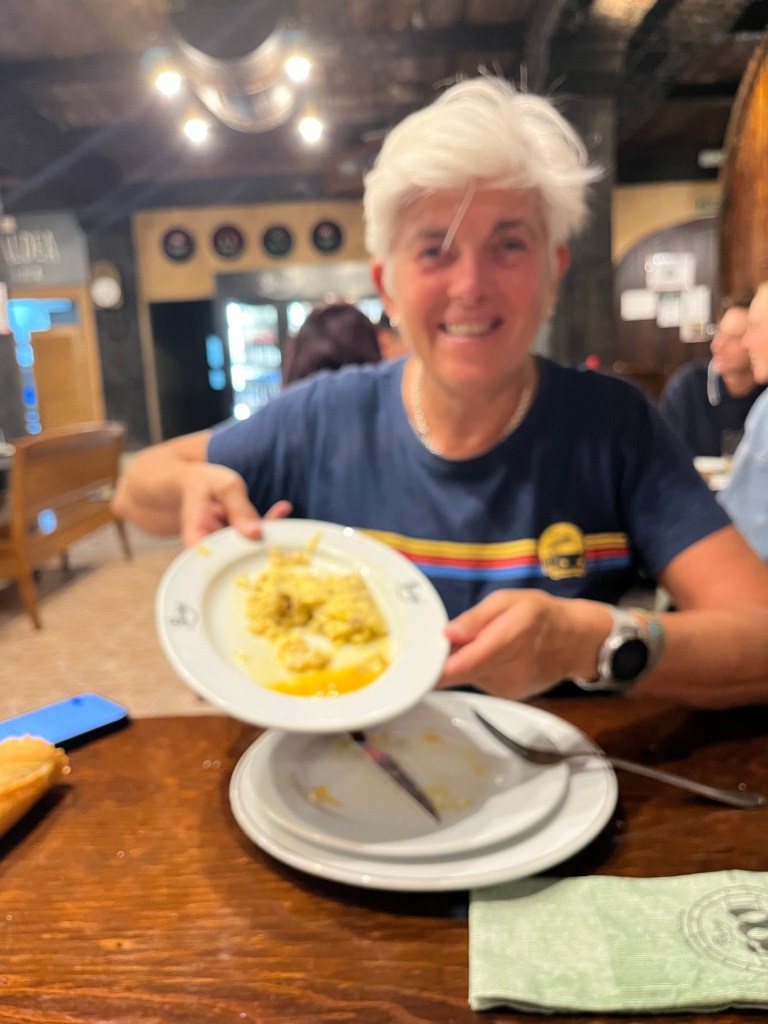
The meal is standard across the houses: cider braised chorizo, salted cod omelette, cod with peppers, T-bone steak. All served with a baguette and copious amounts of cider! It was such a fun evening and the restaurant allows campervans to stay overnight.
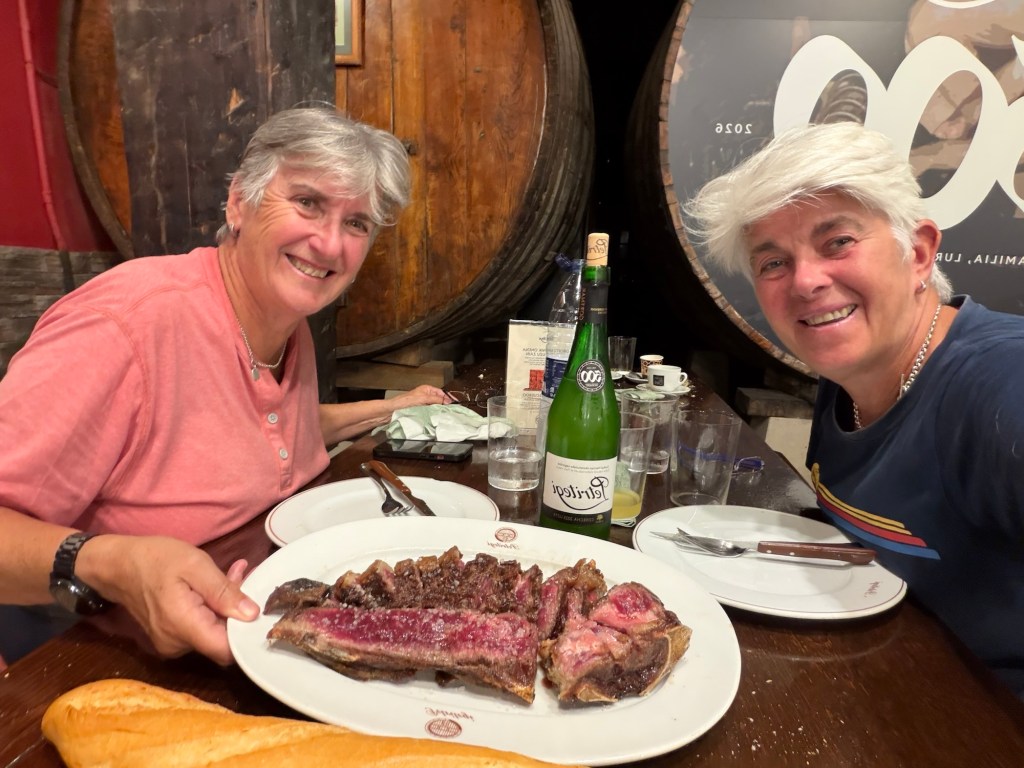
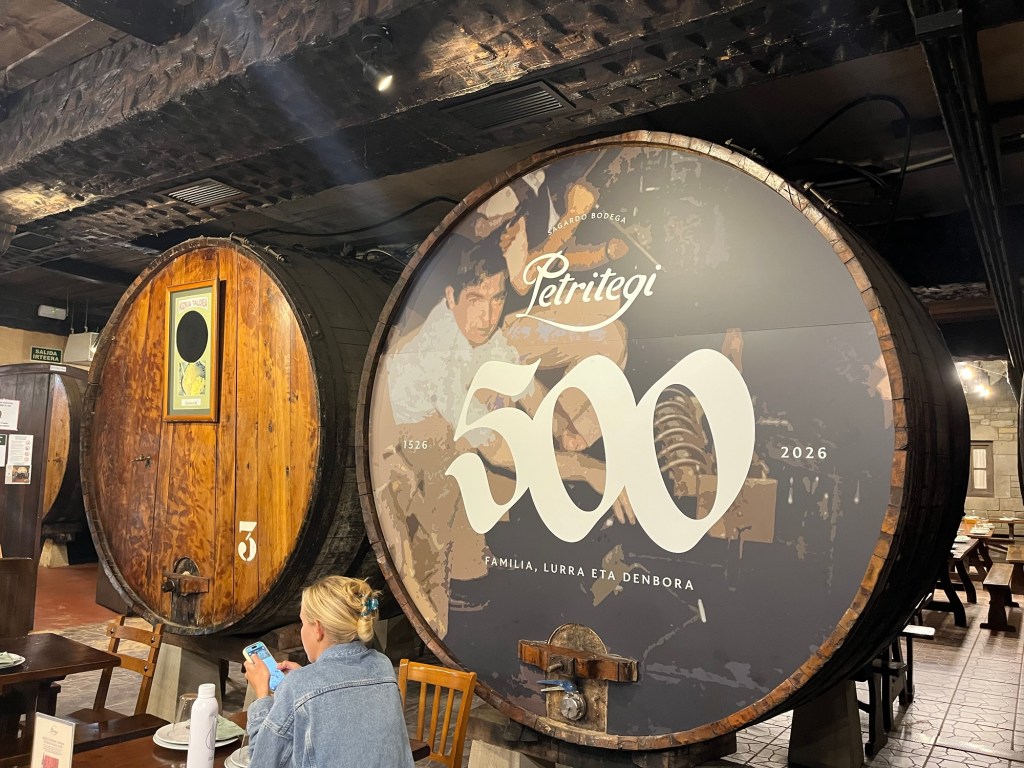
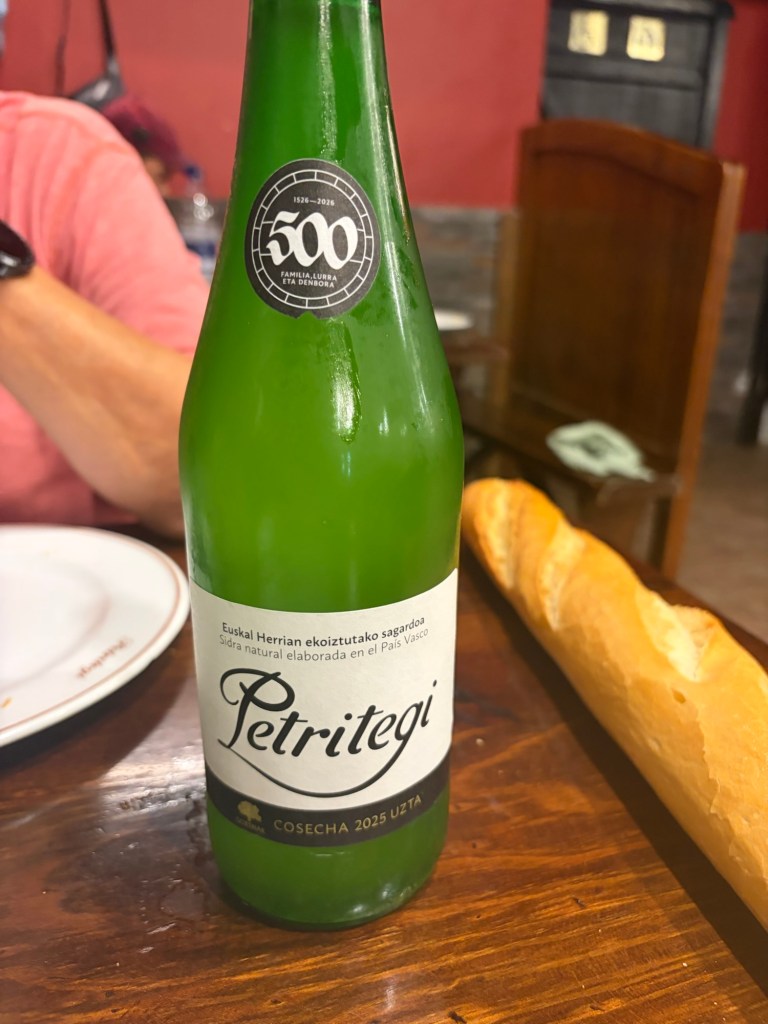
The following day, Wednesday October 7, we made the short distance from the Cider House to San Sebastián and our campsite for the next couple of days, Wecamp San Sebastián (P4N#21410) to meet up again with our friends, Sue and Sheila. We stopped on the front at San Sebastián for an hour not realising that we needed an ULEZ type documentation to do so. Jo quickly did it online and we are hoping that it will be sufficient for the authorities!
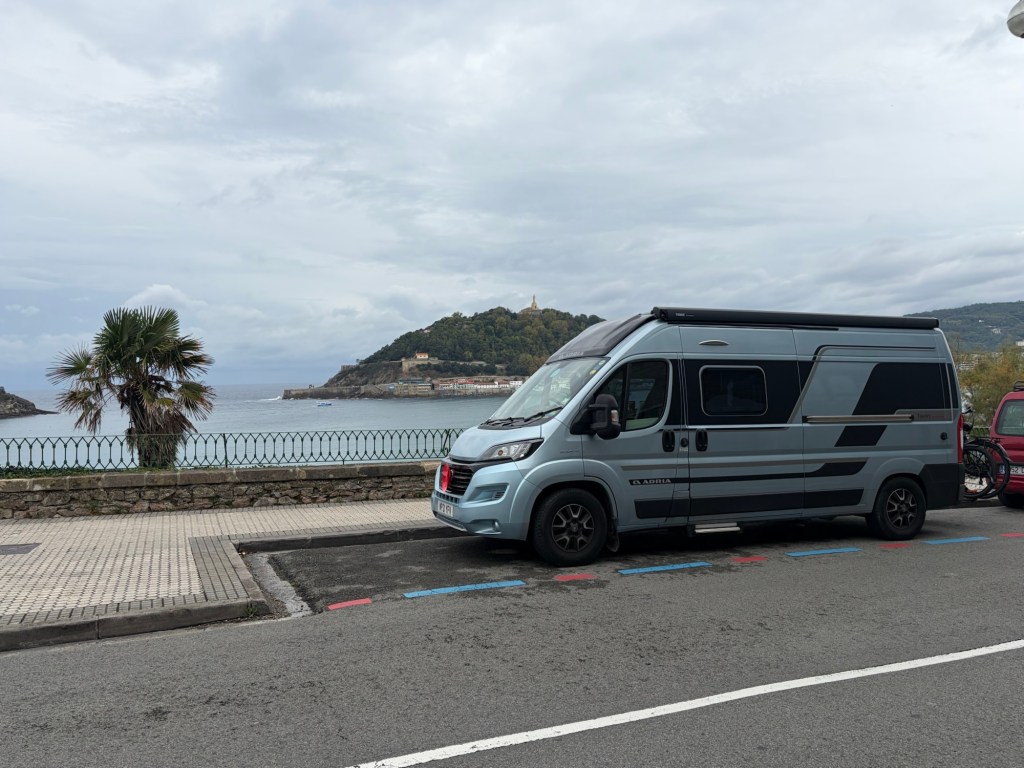
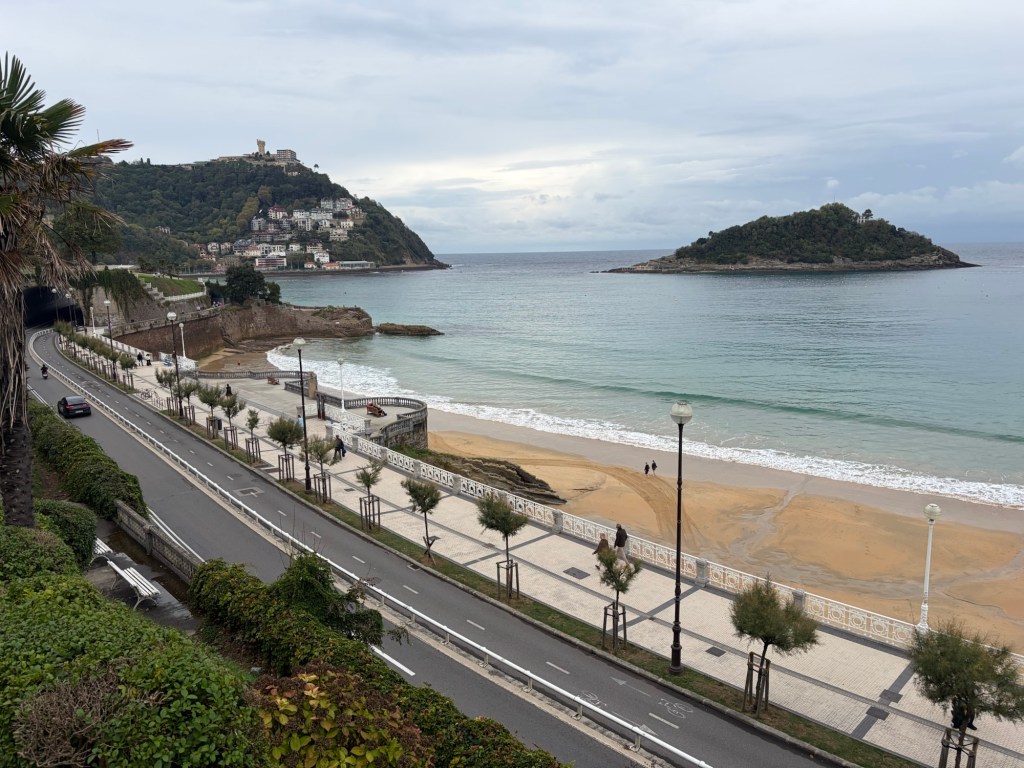
We spent the next couple of days chilling in the campsite during the day and going into the town early evening.
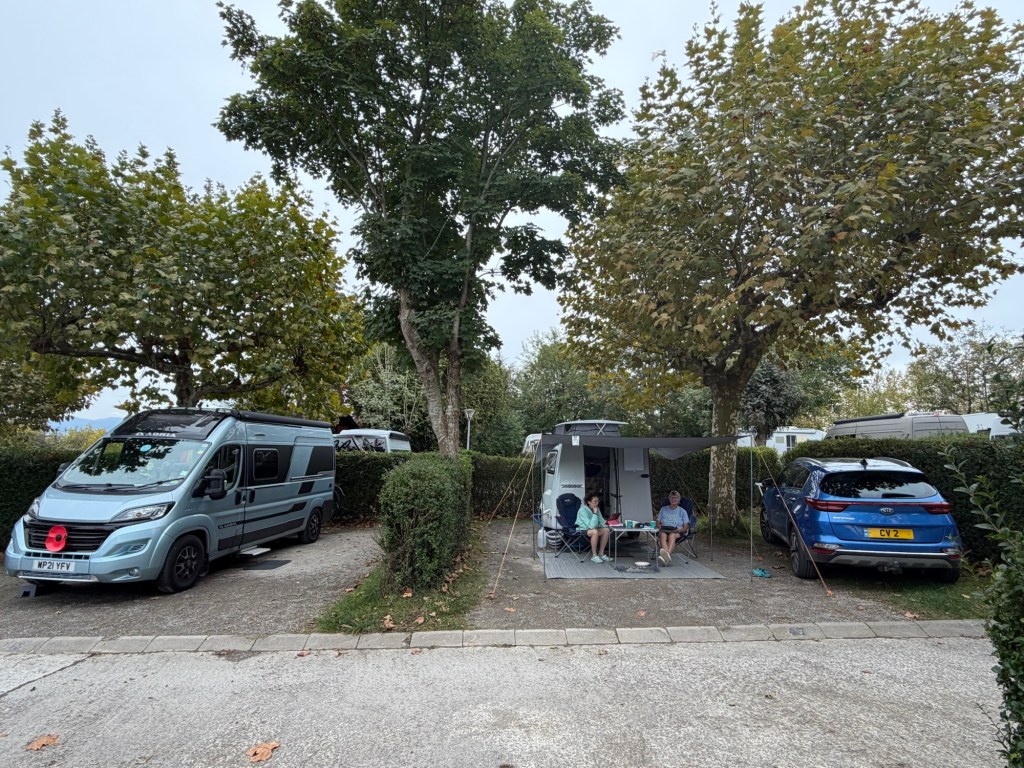
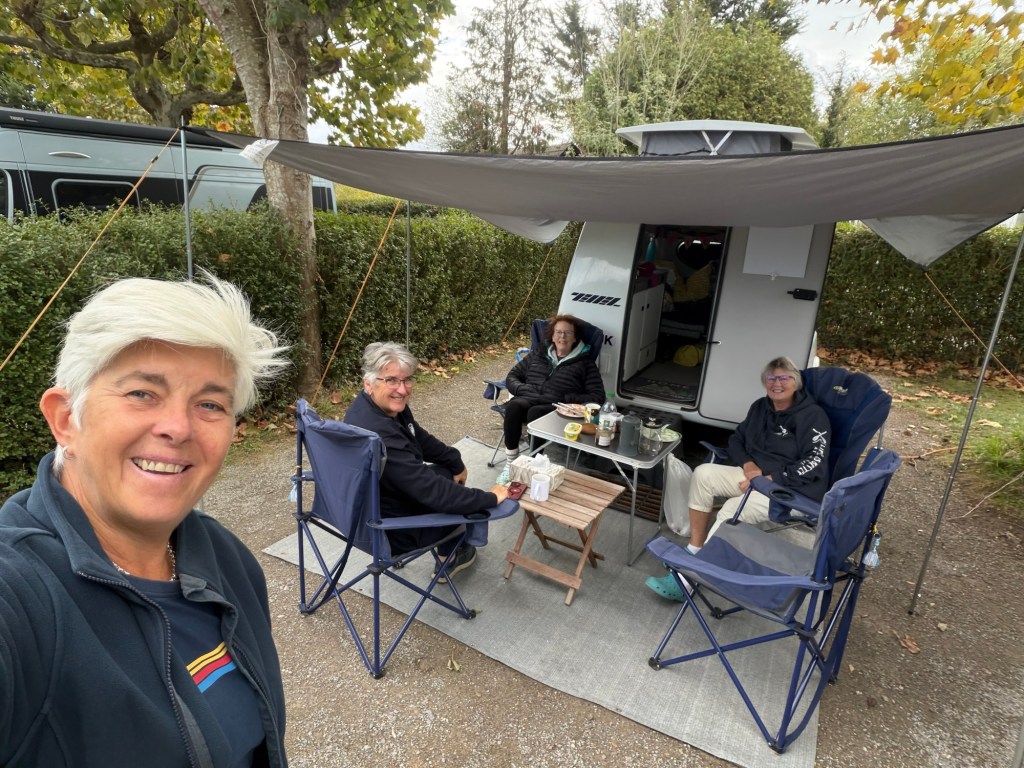
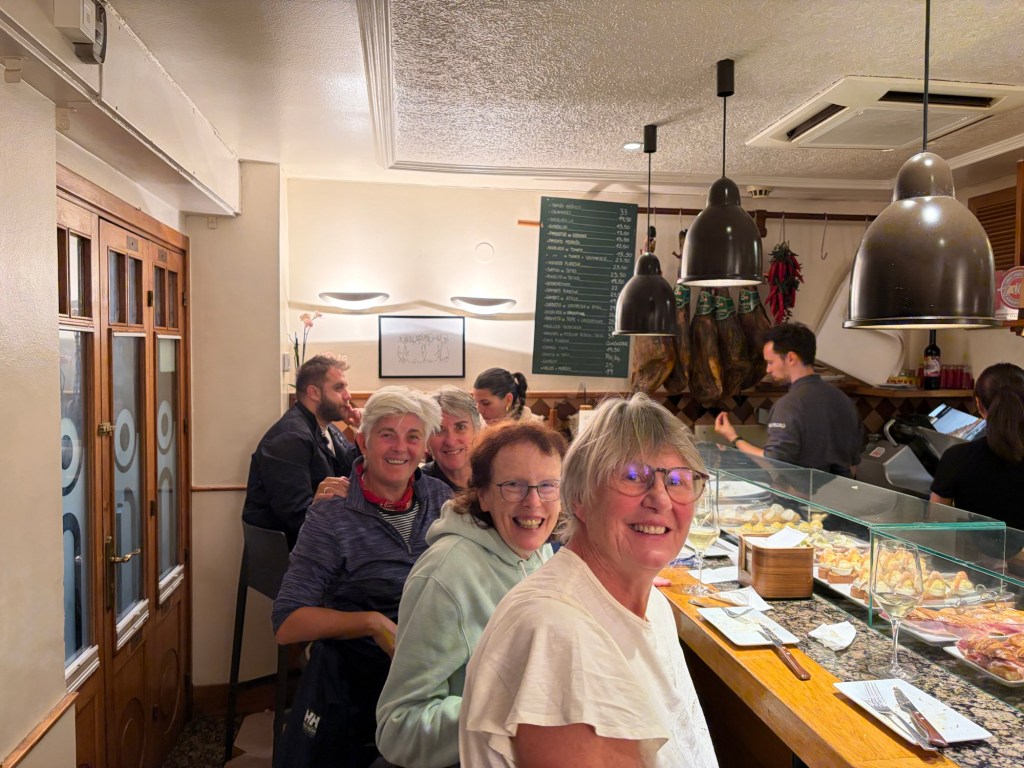
There’s a fantastic bus service from outside the campsite to the centre every 30 minutes for €1.50 so it makes it all very easy. Jo had caught Liz’s cold so was feeling pretty miserable and decided not to go in with the others. They had a lovely time trying various Pintxos bars, Gandarias and Baztan, with the Basque equivalent of tapas but with a culinary twist.
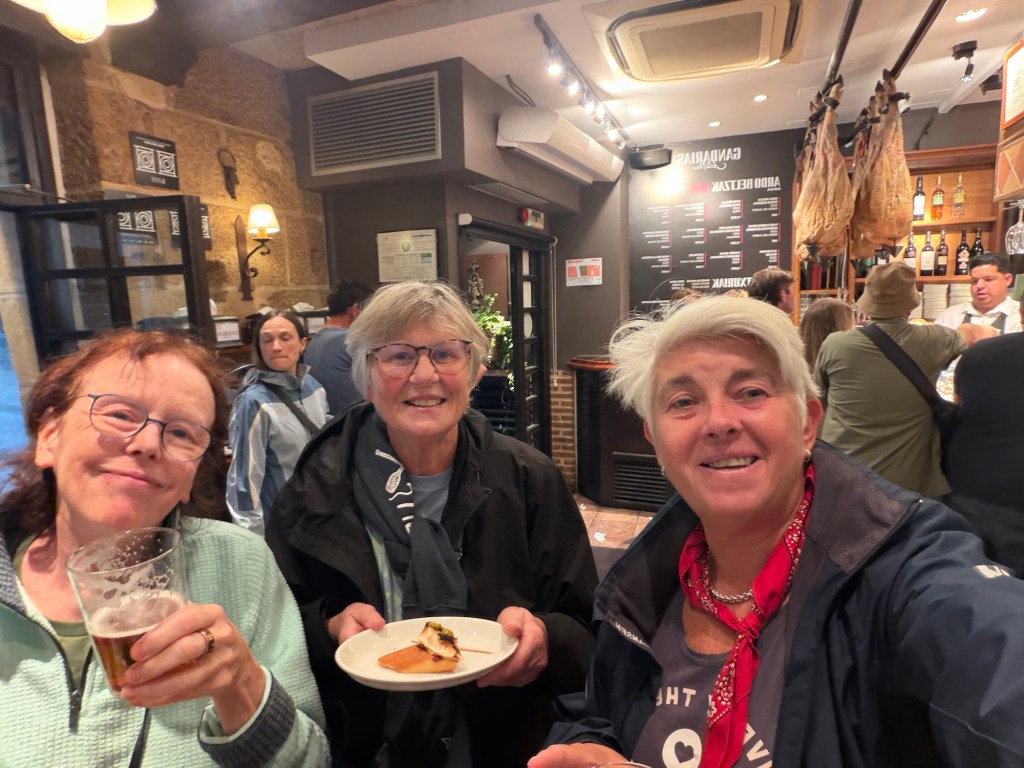
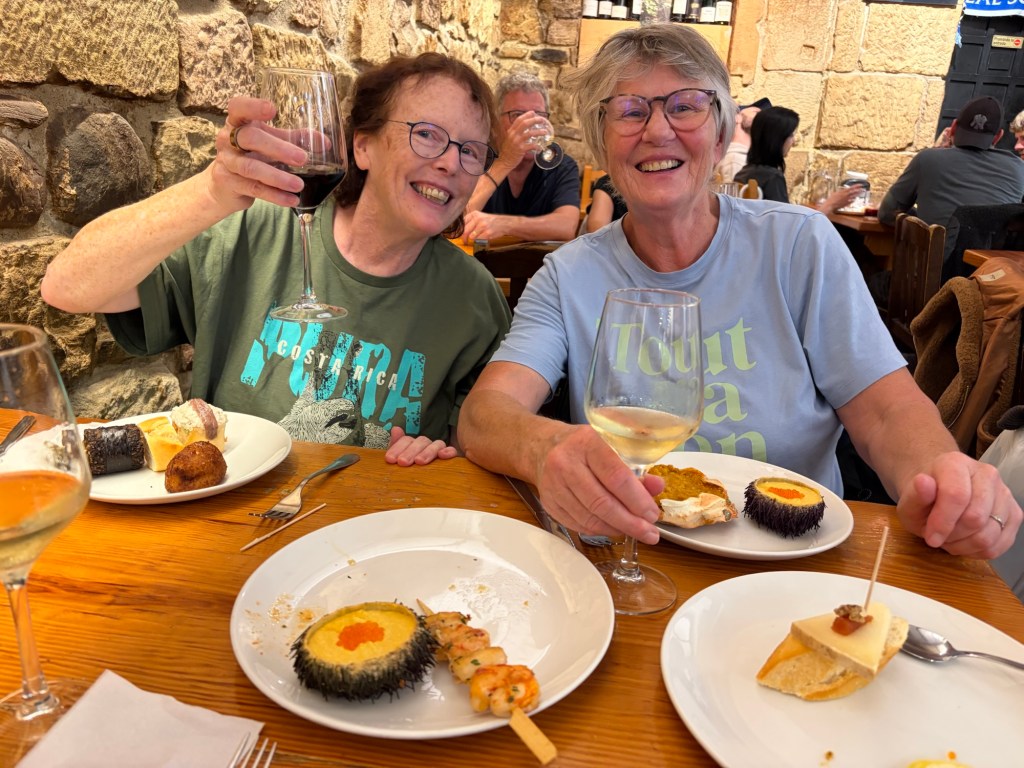
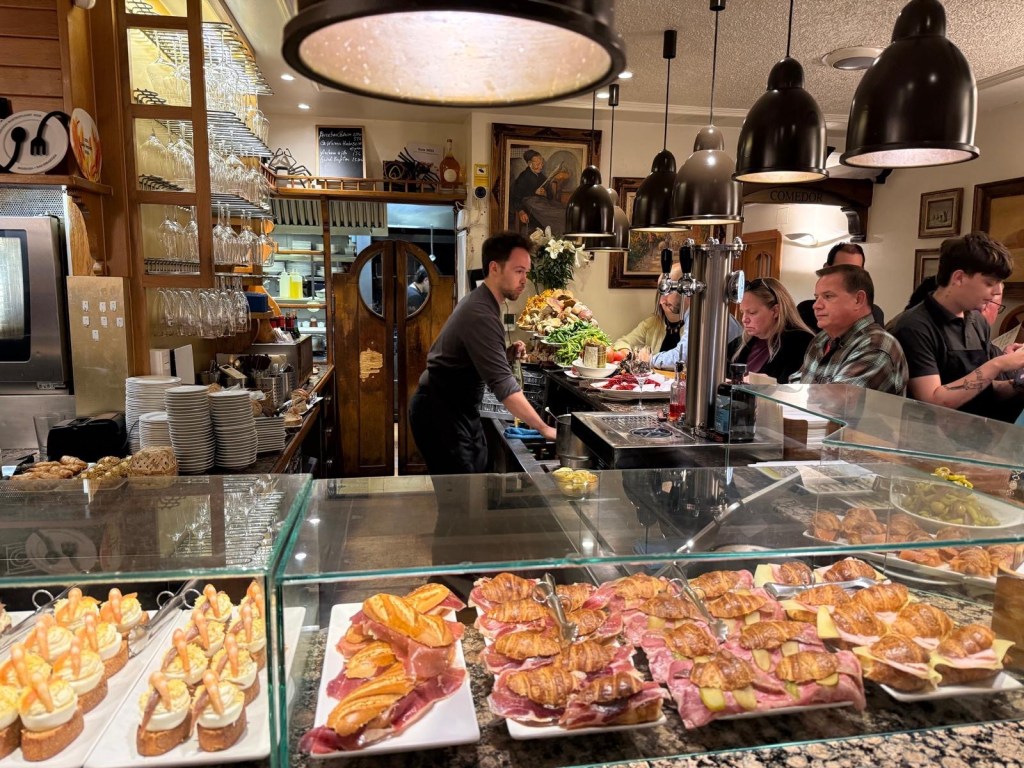
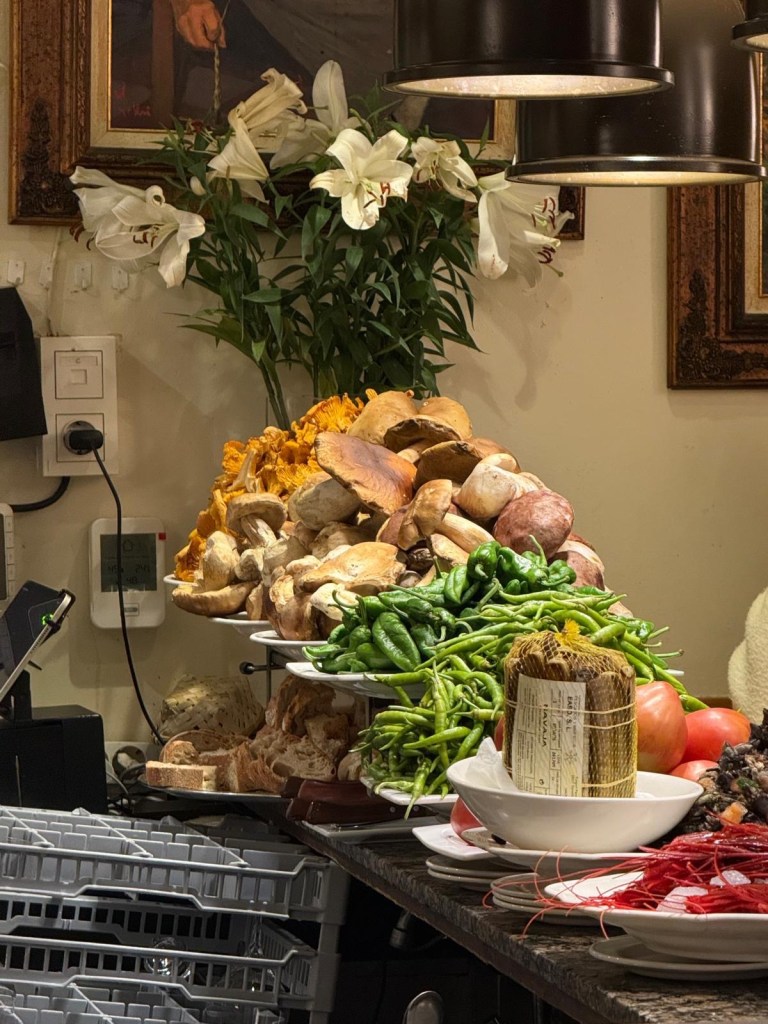
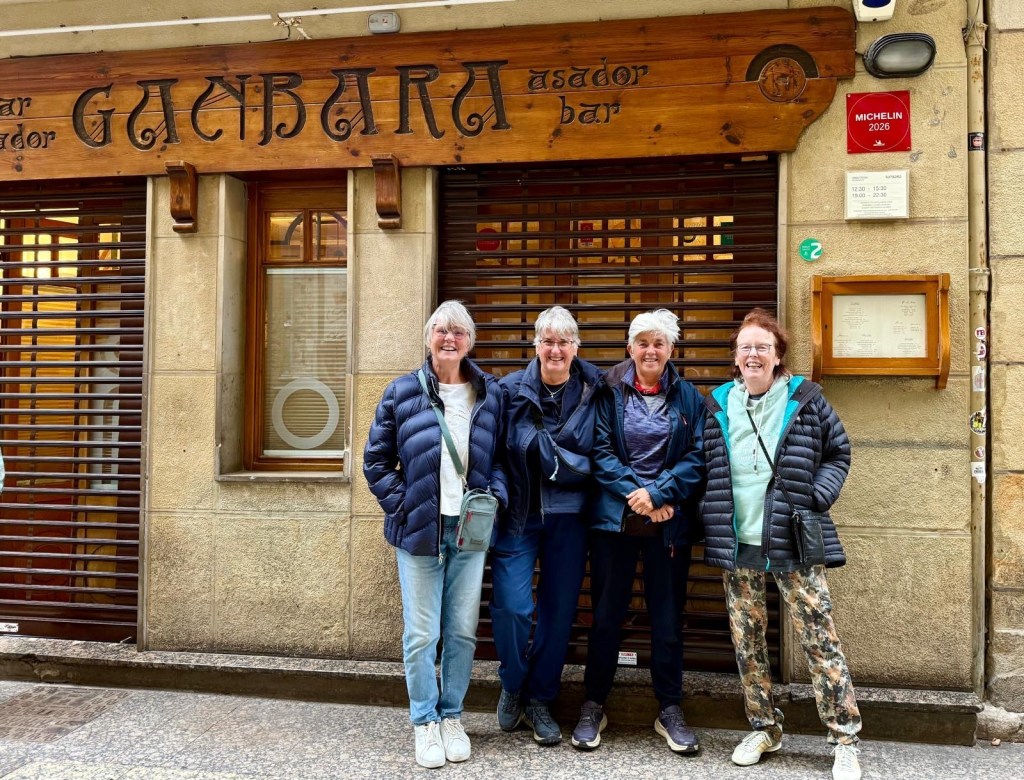
We all went in together on the Thursday evening and queued up outside a favourite of ours, Ganbara, so we could get a seat at the bar. We started queuing 30 minutes before it opened and were the 3rd group in. The queue was down the street for the whole evening. The food was sublime and the wine excellent, even though your choice is white, red or rosè.
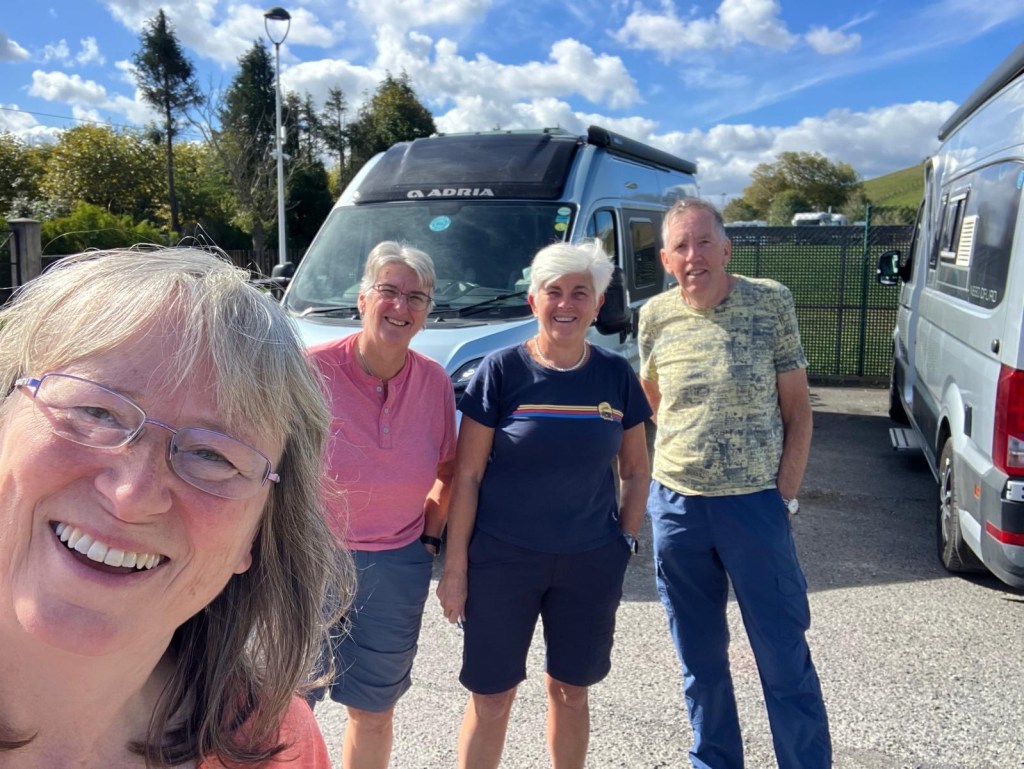
After a lovely couple of days, we were keen to explore more of the Basque Country between San Sebastián and Bilbao, where our ferry was departing from on Saturday. We left the campsite around 13.00 on Friday, October 9 but not before meeting up briefly with our neighbours in Harpenden, Stuart and Wendy, who are in their own campervan, Hetty, touring around France and Spain.
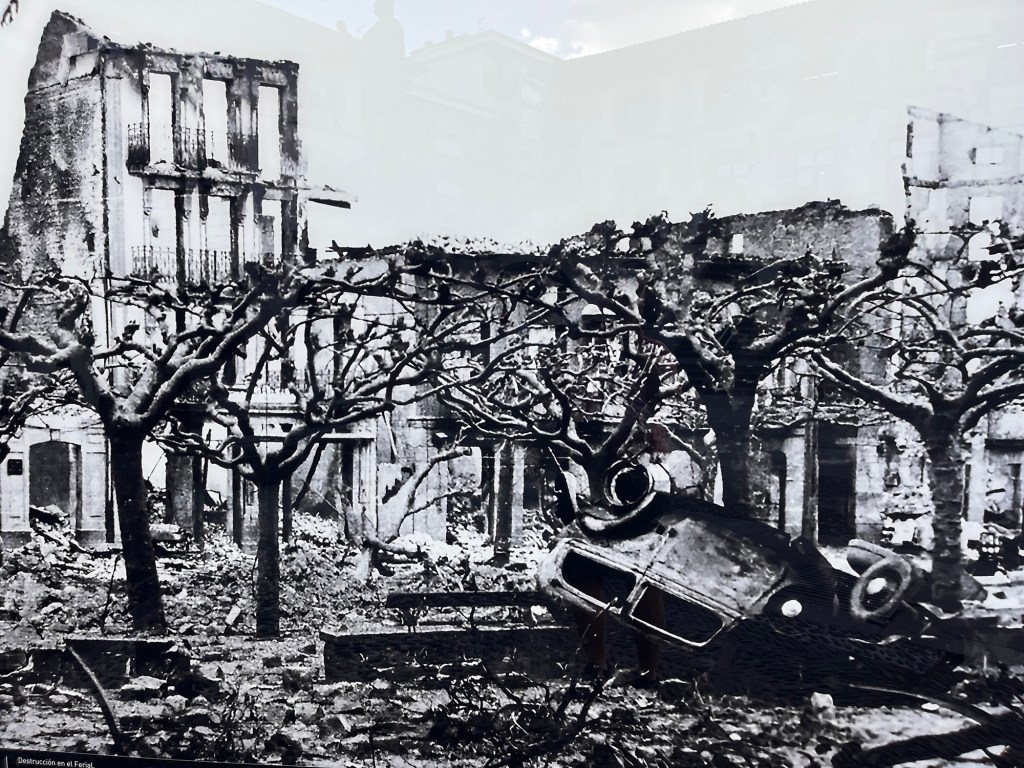
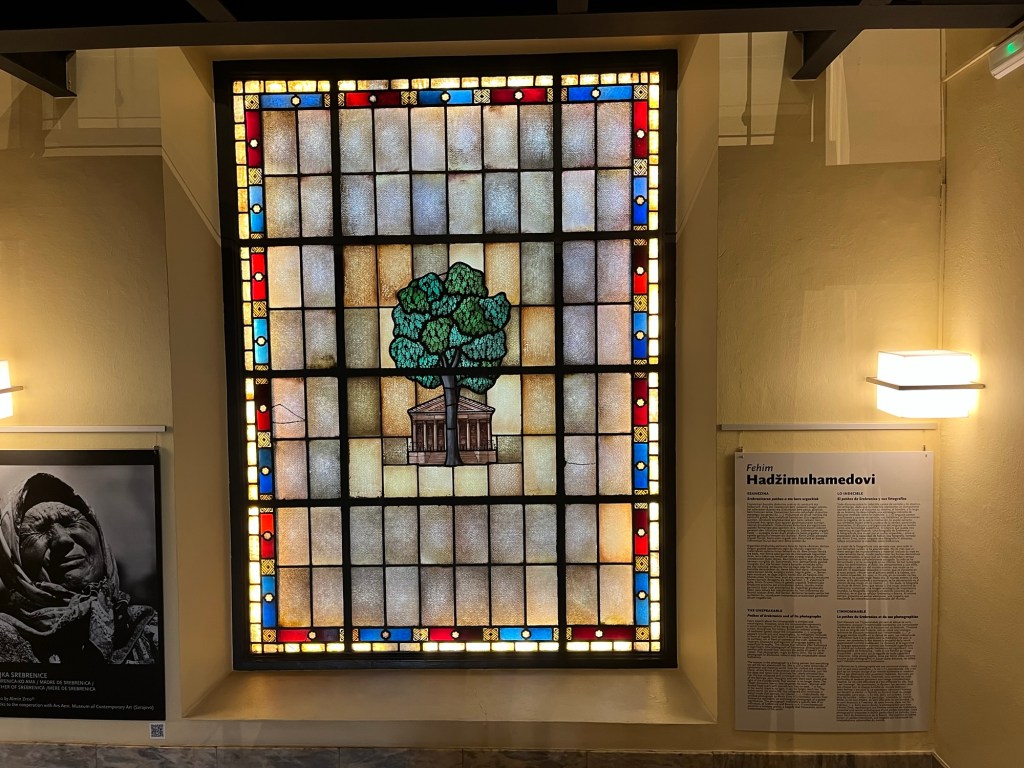
We wanted to go to Guernica (Gernika in Basque) where there is a peace museum following a horrendous event on April 26, 1937. In the height of the Spanish Civil War, Gernika was a Basque and Republican stronghold. France, as leader of the Rebel army, colluded with Germany and Italy to bomb the town. Not only did they bomb it but they destroyed 85% of all the buildings. After 3 hours of bombing, fighter planes arrived to mow down those fleeing to the countryside. It was the first example of total war. It was not until 1997 that Germany admitted its role in the affair and the truth did not come out in Spain until after Franco’s death in 1975. The museum was fascinating and horrendous in equal measure. Picasso’s painting of Guernica makes more sense now.
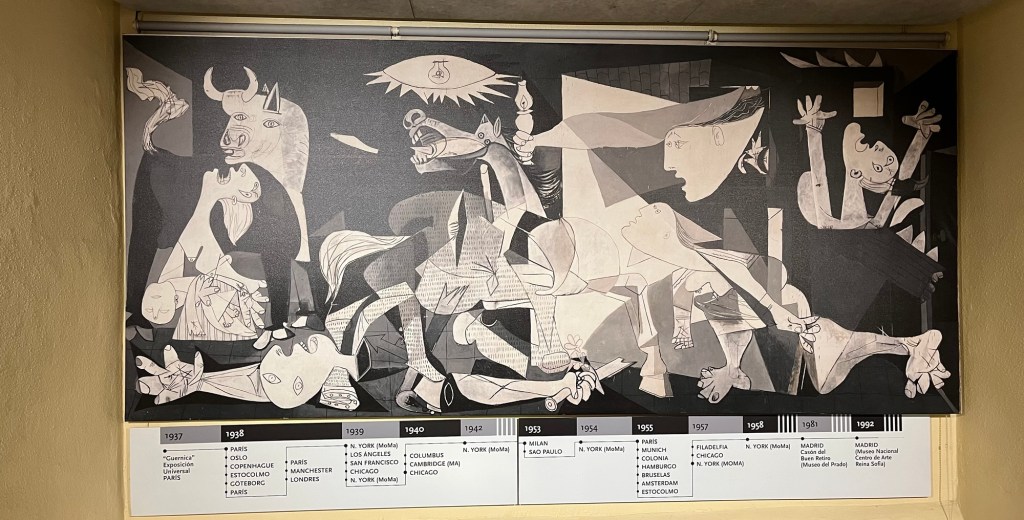
From there we drove for about 30 minutes north to San Juan Gaztelugatxe to see the hermitage on the peninsula. We arrived after 19.00 so we were able to park at the site and wander down. We figured that there was no one around to tell us off!
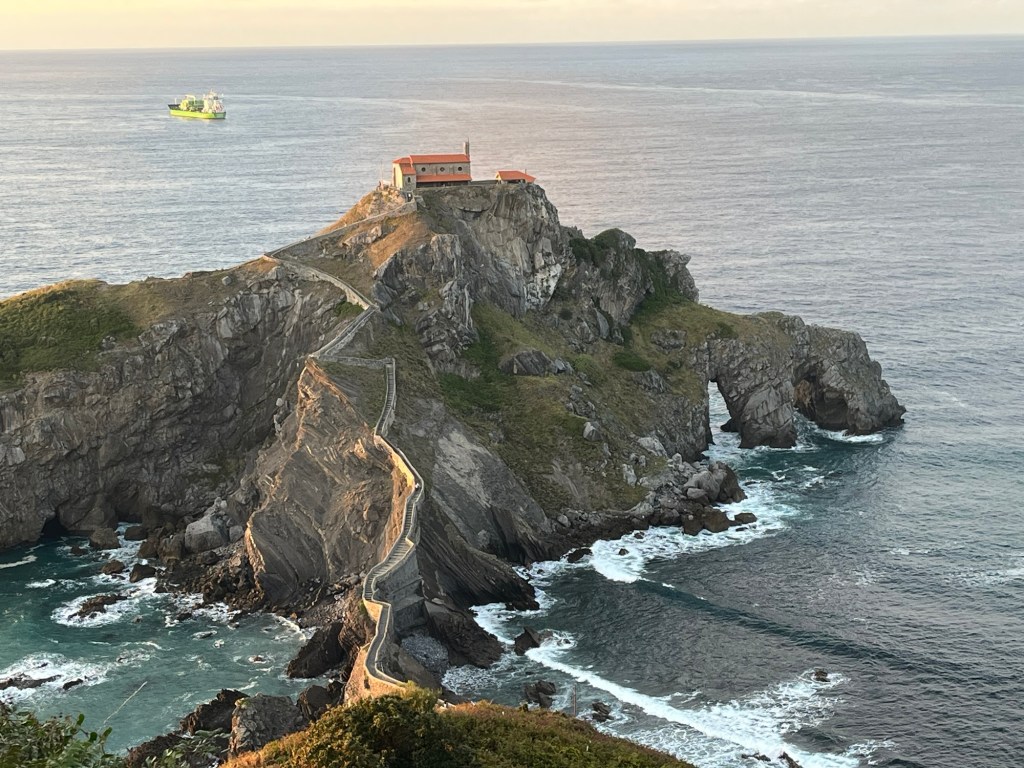
Our park up for the night was an aire in Bermeo, a small town nearby for the princely sum of €6 (P4N#660108).
Total miles since last blog: 248
Total miles this trip: 2,543
Discover more from Dora The Explorer
Subscribe to get the latest posts sent to your email.


Great blog. Packed with interesting things in the area. So good to overlap with you guys, even if only for 15 mins!
LikeLike