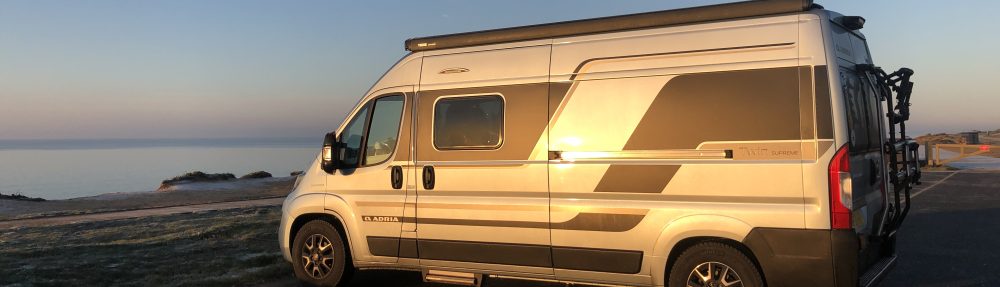
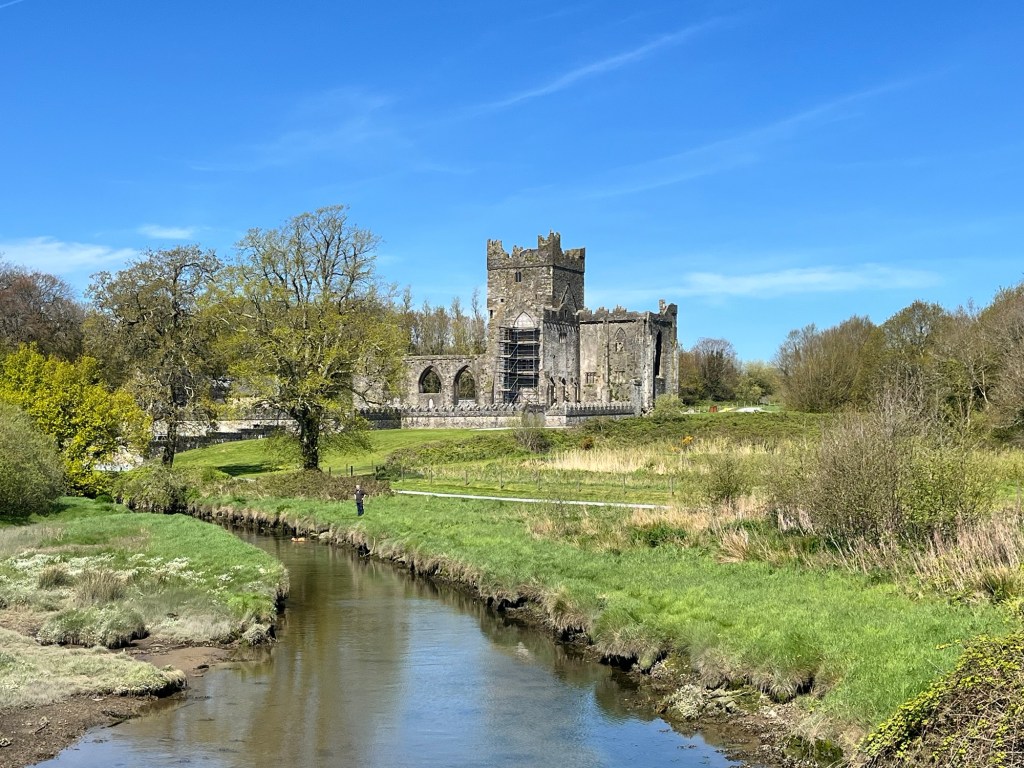
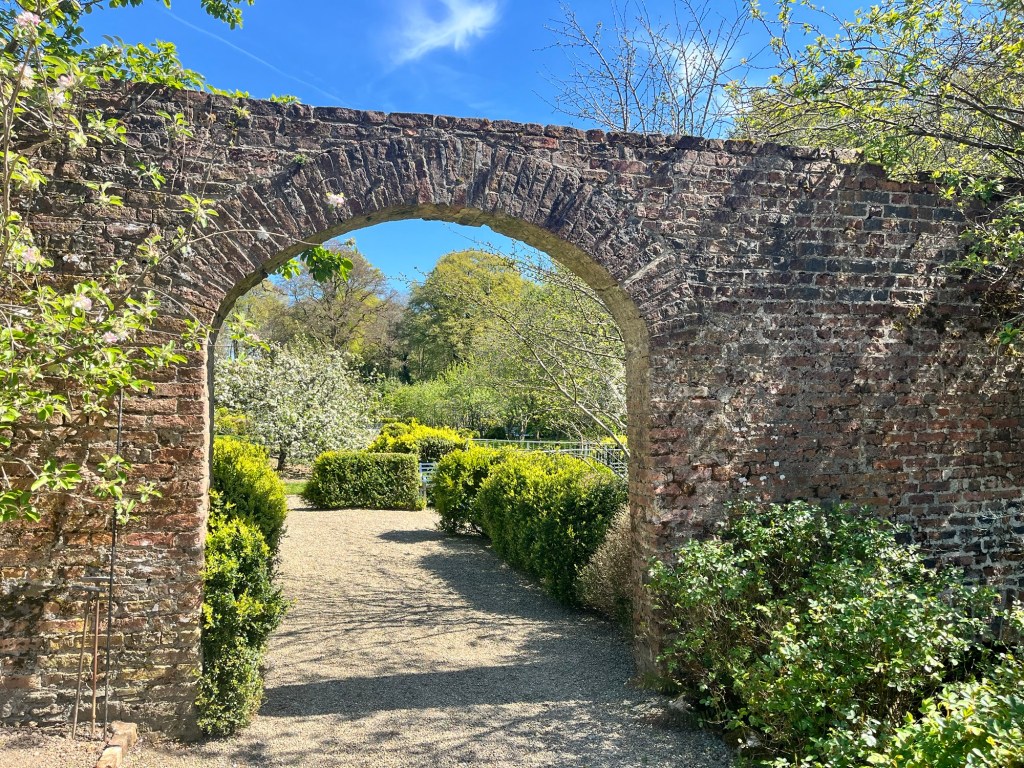
We had a really peaceful night’s sleep in the restaurant car park in Kilmore but we were up fairly promptly (but not that early as we are on holiday) as had lots to see and do. First stop was Tintern Abbey near New Ross, County Wexford. The abbey was built in the 12th Century by William Marshall, a Norman Knight and Earl of Pembroke, who made his money jousting and through a very lucrative marriage to Eleanor de Clare. It was a daughter house to the one in Wales and was inhabited by Cistercian monks until the dissolution of the monasteries by Henry VIII in the 16th Century. Then it was taken over by the Coclough family who lived in it until the 1960s! Next to the abbey was the family’s beautiful garden (now all bequeathed to the Irish State). Amazingly tranquil.
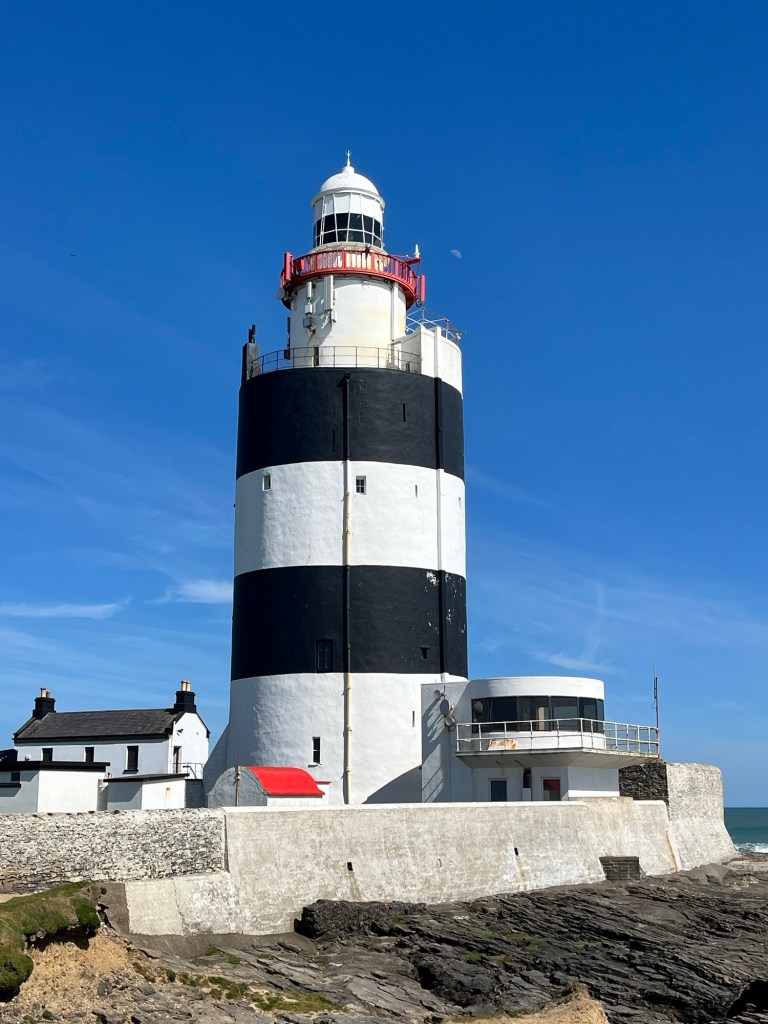
Then onto Hook Lighthouse, which is the oldest in tact lighthouse in the world. Built over 800 years ago and staffed by monks, the lighthouse has been guiding seafarers for centuries. They didn’t have electricity until 1972 as it was too expensive to lay the cables. The term ‘By Hook or by Crooke’ comes from this area as Oliver Cromwell wanted his army to take Ireland and planned to land them either on the Hook peninsula or the nearby Crooke village. It was a beautiful clear day but the guide told us of previous storms with 12m waves. We had an excellent fish chowder for lunch in the excellent on site cafe.
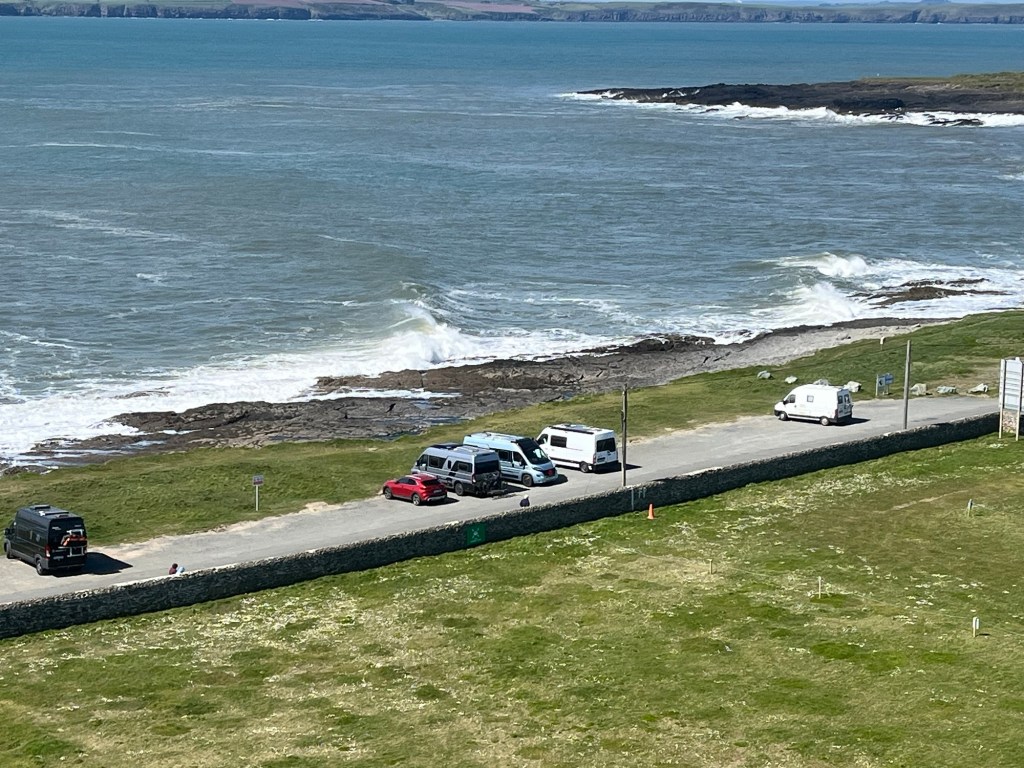
Next we wanted to go to Dollar Beach but it was down a steep narrow track with cars coming the other way so we aborted that plan in favour of Duncannon Beach and Fort. Once in the town, the only realistic parking was on the beach down a steep slipway and as neither van fancied getting stuck in the sand that plan was also aborted! After a quick cuppa and half a scone from the Lighthouse cafe, we decided to make our way directly to New Ross to see the Famine Experience Ship.
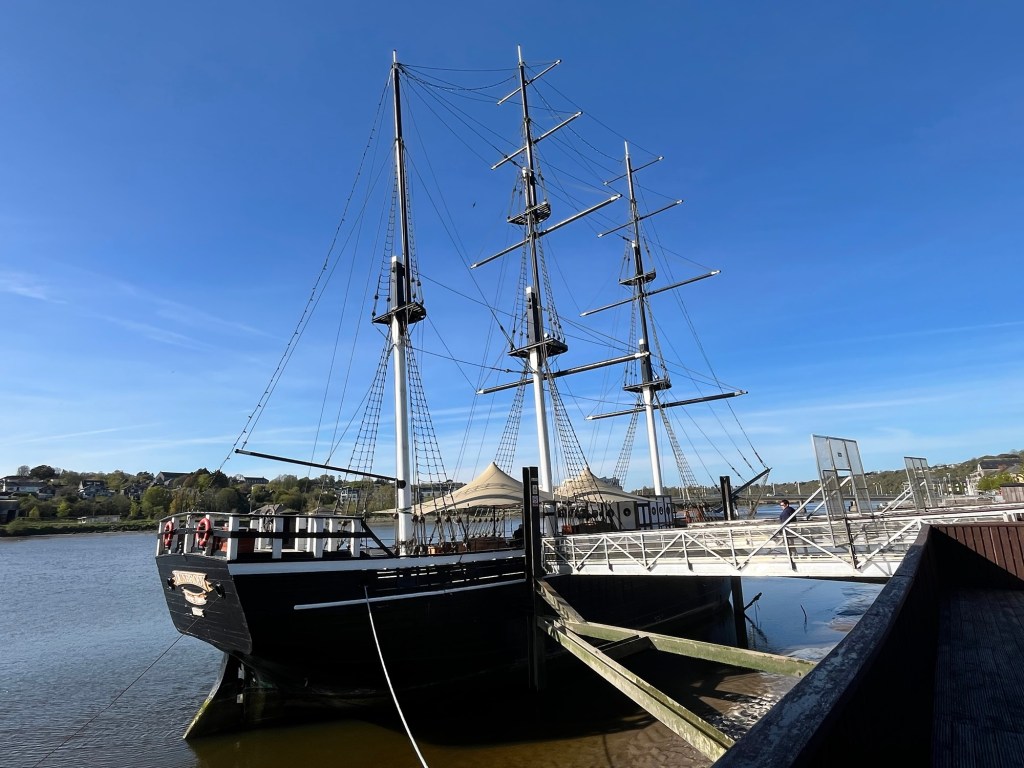
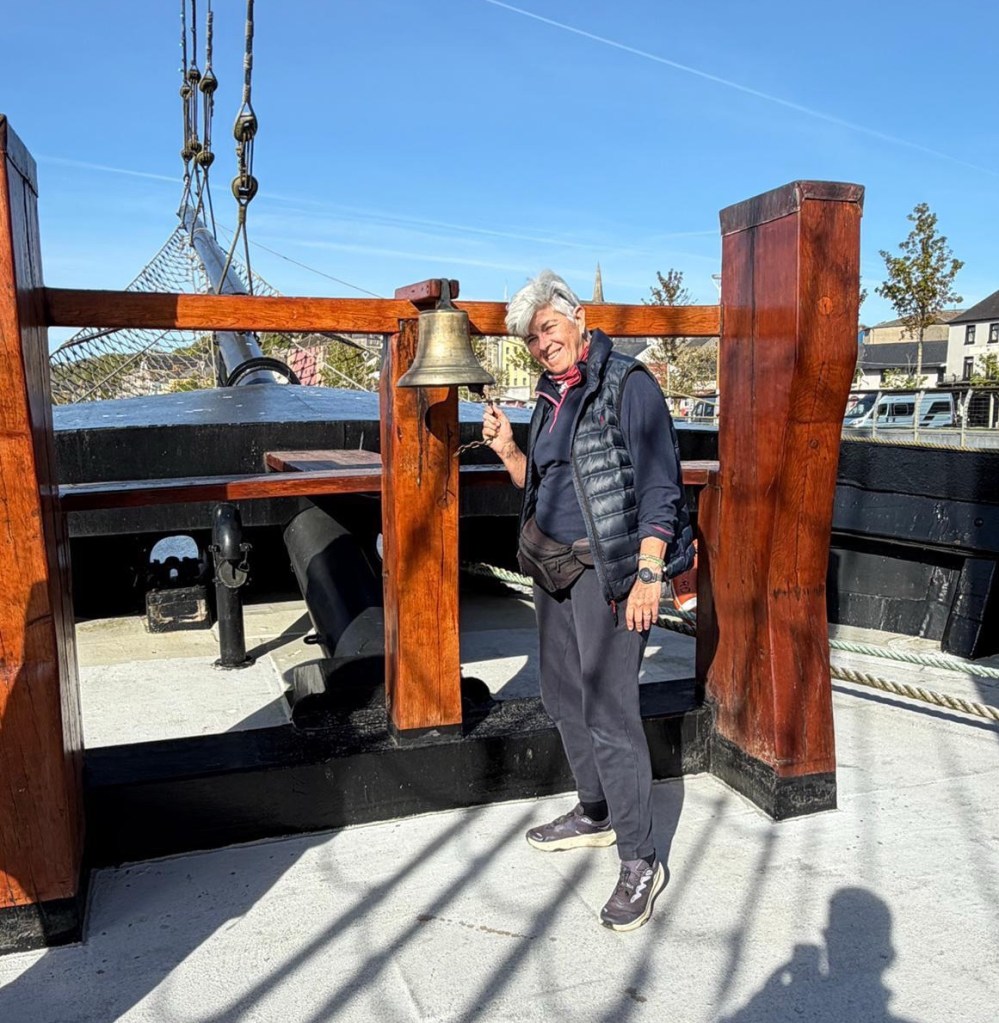
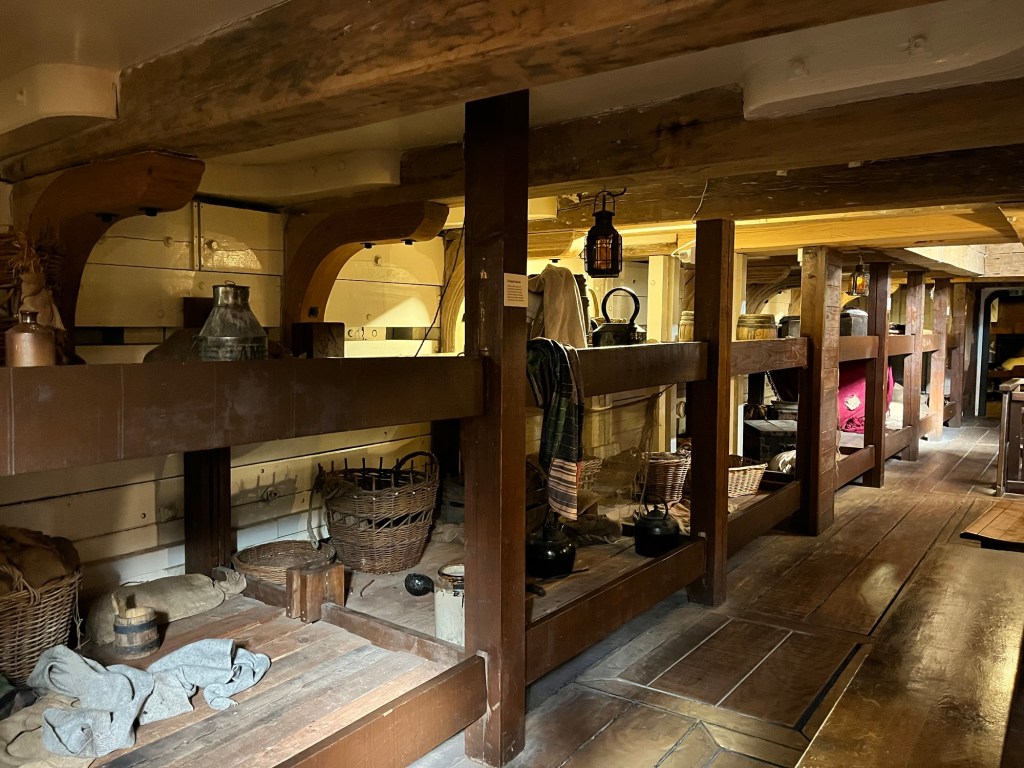
We managed to catch the last tour of the day at 17.00 and had it to ourselves. The ship, Dunbrody, was run by Quakers and took up to 300 passengers a trip across to America and Canada during the Potato Famine of the 1840s. Passengers were crammed four to a bunk and only allowed on deck for 30 minutes a day to cook their meals and get fresh air. First class passengers were of course allowed to go up any time but they were paying eight times the price for their tickets! The return cargo was cotton from Savannah in Georgia. The trip would take around 6 weeks and you could only imagine how conditions would have been during the crossing. During storms only crew were allowed on deck.
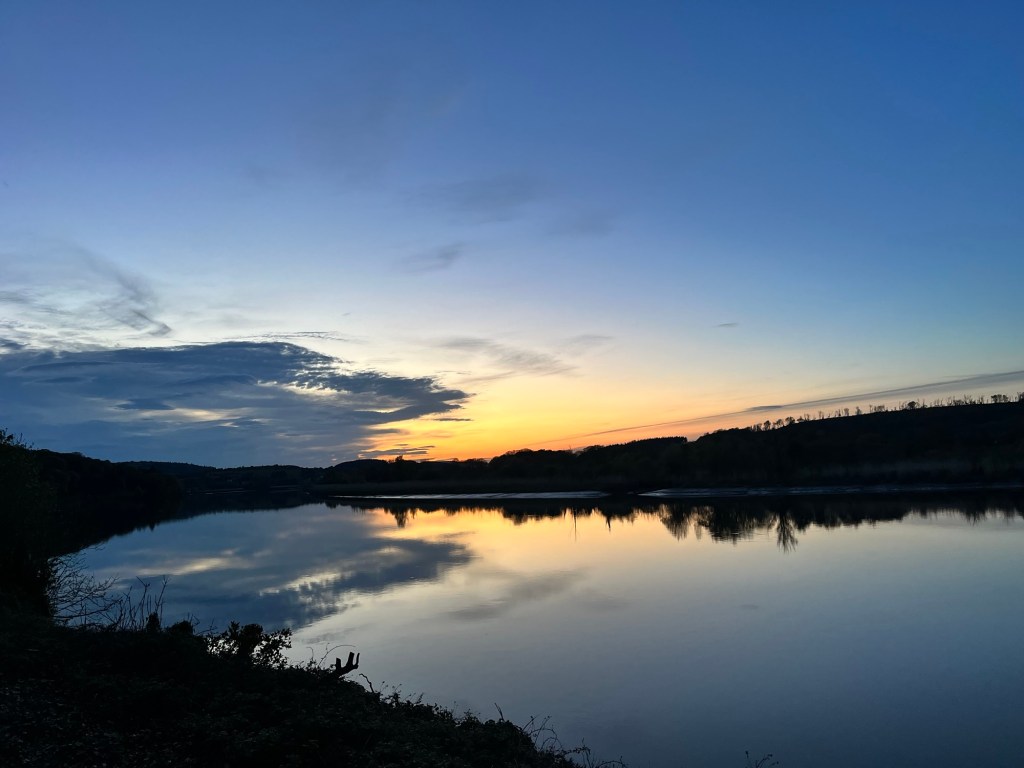
By this time we were ready to stop for the night and our chosen spot was just outside Waterford next to a relatively new greenway by the river (P4N: 343660). Idyllic setting to have dinner in the van.
Miles since last blog: 76
Miles this trip: 397
Discover more from Dora The Explorer
Subscribe to get the latest posts sent to your email.


Ok. I read the last line.
Dinner in the van. No photo evidence though.
Sounds like a great trip so far. I’m just a wee bit jealous.
LikeLiked by 1 person
The dinners aren’t that interesting but will provide evidence. In fact we haven’t had a proper meal out since our first night here!
LikeLike
Looks beautiful! I always enjoy hearing about the origins of old sayings and the history of the people:-)
LikeLiked by 1 person